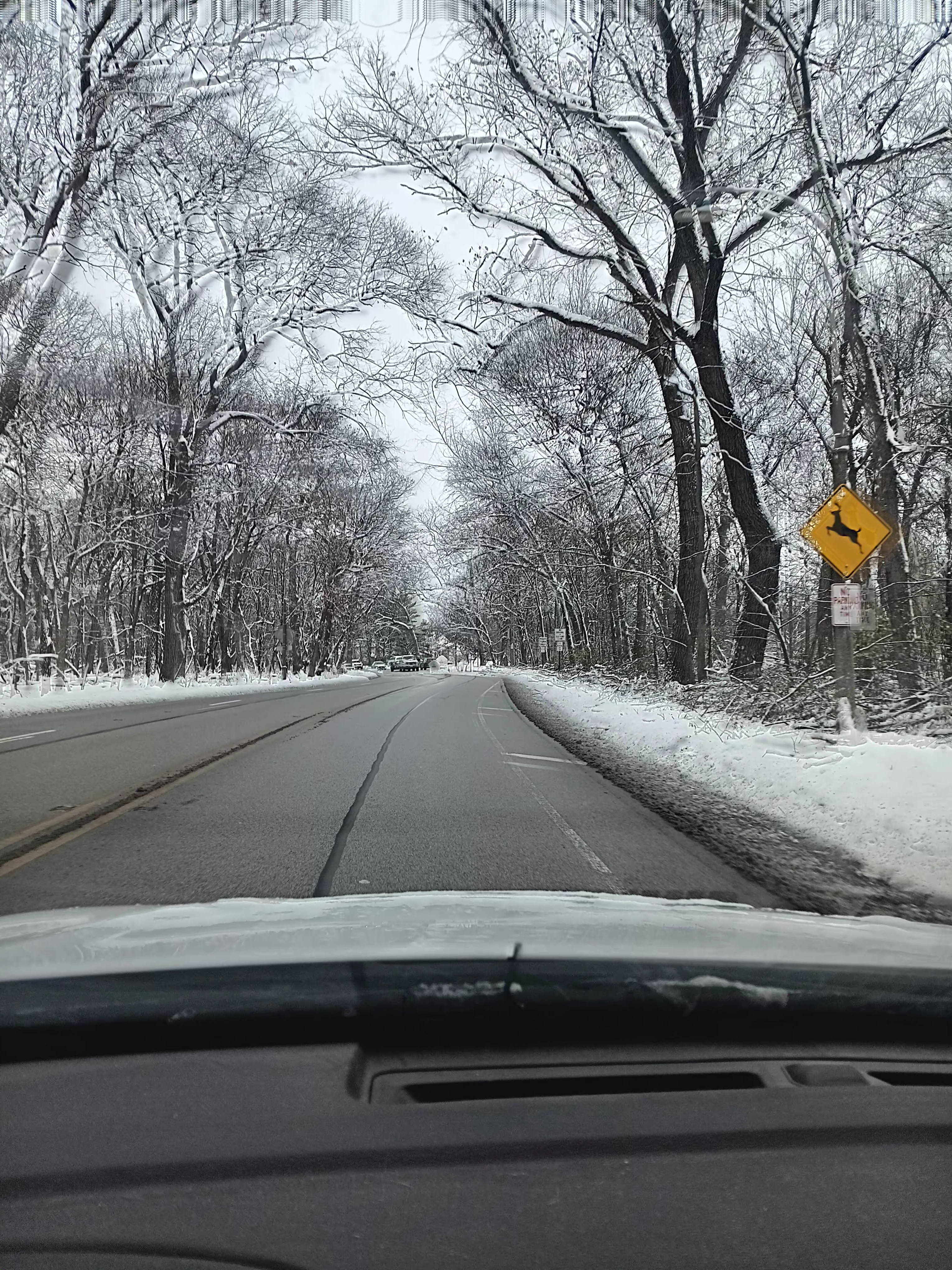
He was only nineteen but he’d always been sensitive to the weather and he could tell that it would snow soon.
The year was 1986. It was seven days into the new year and he was standing on a train station platform in downtown Chicago, waiting for the train that would take him to see his friend at the Great Lakes Naval Base on Lake Michigan, forty-six miles north.
The train would stop at a lot of stops along the way so he was looking at a ninety minute journey.
He had a shoulder bag over his shoulder with a single change of clothes in it, plus a few personal items and paper and pencils.
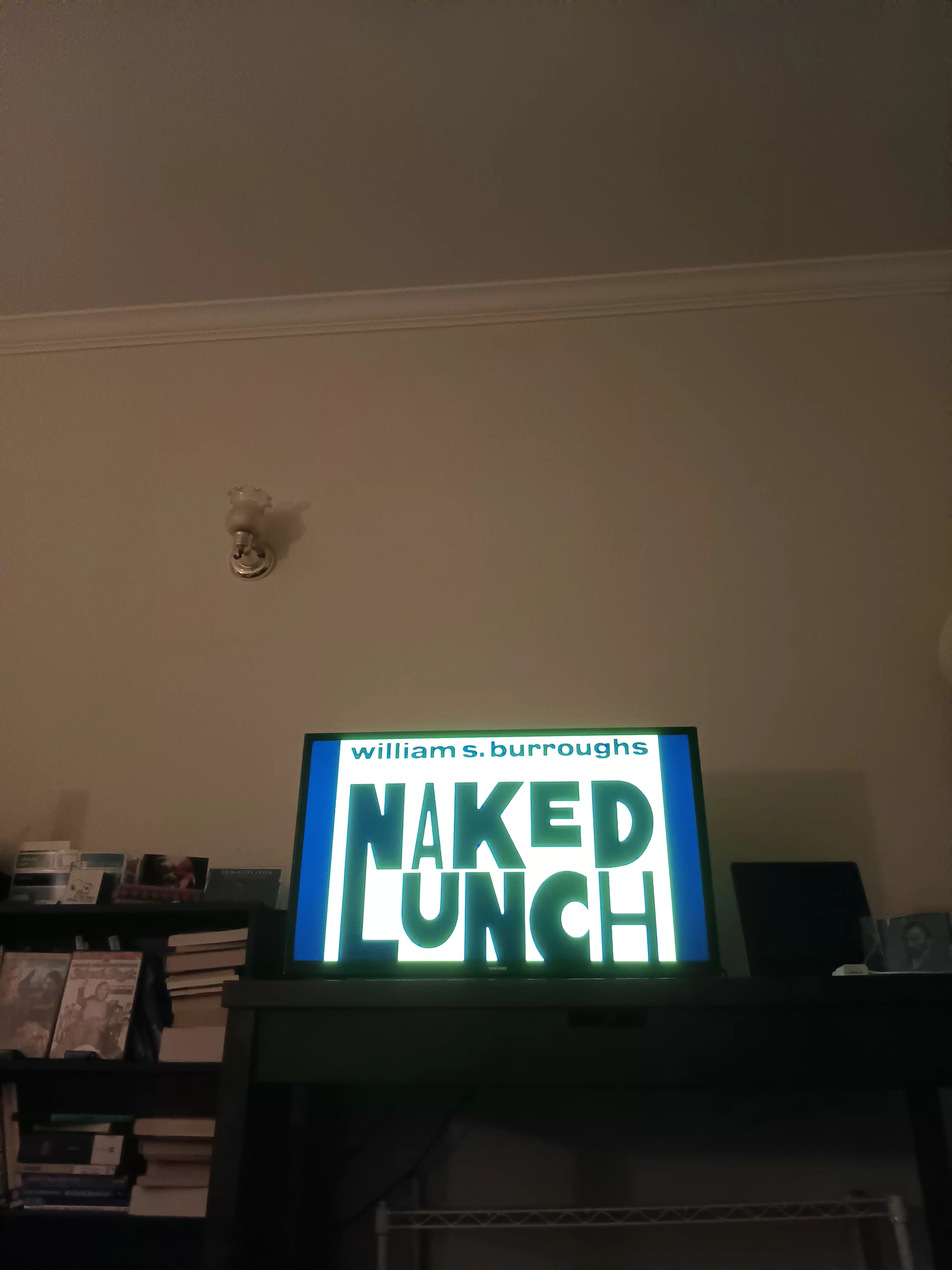
In his hands, he held a copy of Henry Miller’s book Tropic of Cancer which he’d just purchased yesterday and hadn’t started reading yet and a large, hot cup of black coffee.
His friend had asked him to come and visit, in his mysterious way.
His friend had not wanted to join the Navy.
He’d been forced into it by a judge, who’d given him the choice of the Navy or jail, son.
The crime had been auto theft.
The reason for the crime had been joy-riding and a love of breaking the rules.
…
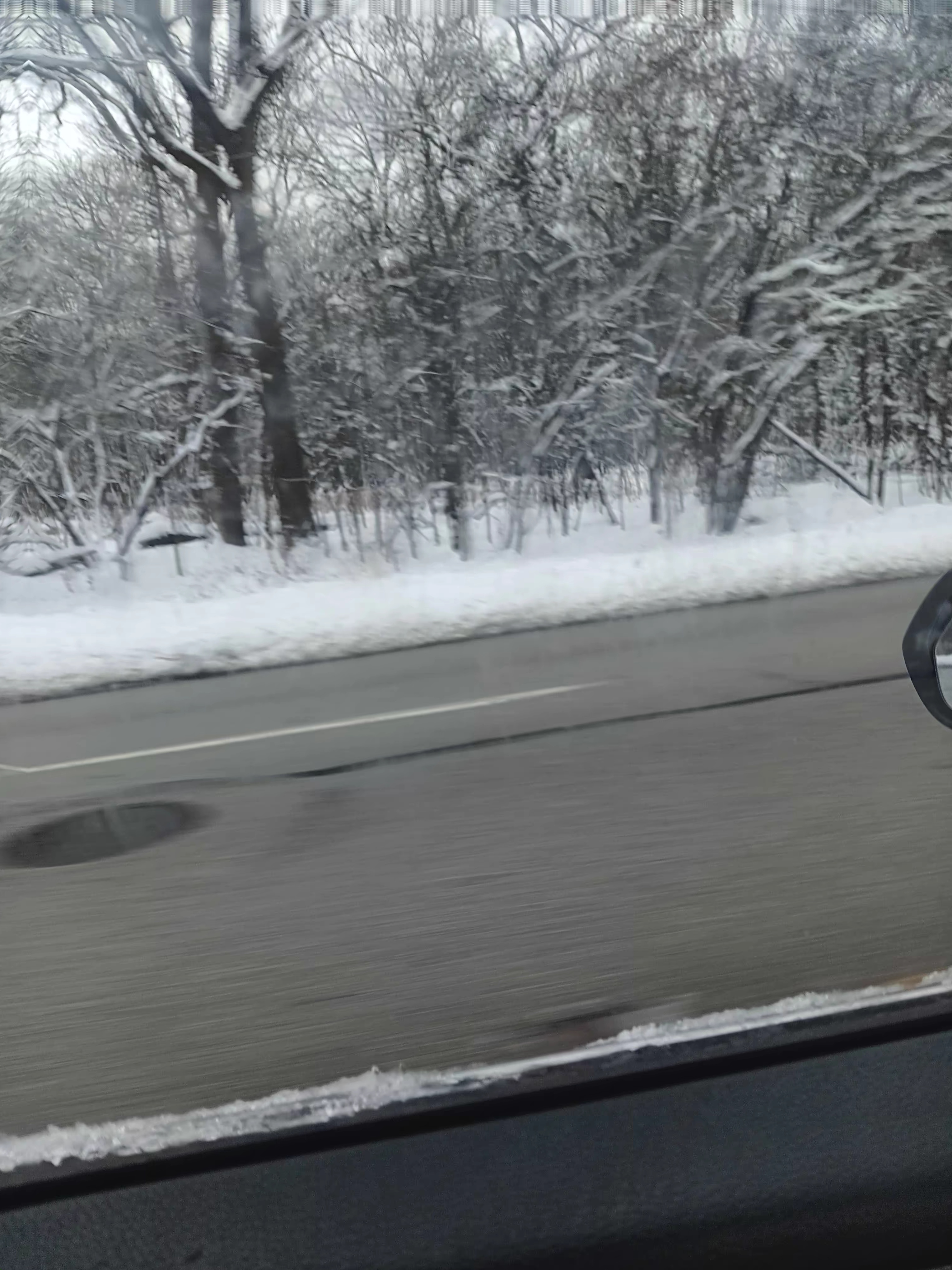
As the train moved north and the snow began to fall outside the windows, he’d begun to read the Henry Miller book.
He was blown away by the opening pages, so blown away that it was like the top of his head came off showing him the sky with Moses in the clouds and an ax had chopped open the frozen sea within him so the ship could move again.
When he came to the following quotation, he was so blown away that he sat looking out the windows at the falling, blowing snow for a long time, thinking about it, reveling in it, loving it, fanning the pages and smelling the book, which smelled wonderful. This work was as good as Faulkner, Fitzgerald, and Hemingway – or better.
“I have no money, no resources, no hopes. I am the happiest man alive.”
…
He got off the train and the station platform was abandoned, as in, there were no other people anywhere.
The train pulled away and the snow kept falling.
It was a blizzard now.
He had no idea where to go or how to get there.
His friend was supposed to meet him here, but he was nowhere to be seen, which wasn’t a surprise, after all. His friend was one of the most unreliable persons he’d ever met.
The payphone was broken.
He huddled under the platform shelter with the snow blowing into his face and he pulled his cap down over his ears and forehead and kept pulling his hood tighter over his head, huddling and moving around for warmth.
He kept looking around but there was really nothing to be seen other than snow.
Lake Michigan was very close and it is known to help produce some of the biggest blizzards in North America whenever it wants to.
He kept looking around, but all he could see was snow. No roads, no people, no sidewalks, no towns, no lights other than the few on the station platform, which glowed yellow. It was nighttime, completely dark.
Suddenly he saw a Jeep blasting through the snow way over there at an enormous speed with its headlights cutting into the darkness and then the Jeep skidded, slipped, and slid and looked like it almost rolled over into a ditch and he knew his friend had slammed on the brakes, which was a habit of his.
He ran down the stairs of the station platform which were thickly covered in snow and headed toward the Jeep, jumping through the snow, because he knew it was his friend.
As he climbed inside the Jeep which had its covering on, it was warm and cozy and his friend told him they needed to hurry back to the base because he’d “borrowed” the Jeep and he needed to replace it ASAP before they noticed it was gone.
And they blasted off together through the snow, laughing and talking.
…
The barracks looked like an extra-stark, extra-stripped-down college dormitory. They sat down on two bunks opposite each other in the otherwise empty and abandoned room, and lit their cigarettes.
That was when the main character of this story’s friend told him that they weren’t supposed to be smoking in here and that there weren’t supposed to be any visitors in here at this time, either.
Then again, he continued, they weren’t supposed to be drinking in here either. He reached under the mattress, pulled out a pint of cheap vodka, twisted off the cap, took a huge swig and handed it to the main character, who also took a large, greedy swig followed by another hard drag on his cigarette.
We also aren’t supposed to be smoking weed in here, said the main character’s friend, as he removed an enormous joint from his shirt pocket and fired it up.
They ashed their cigarettes straight onto the floor and dropped them into an old beer bottle with a little water in the bottom afterward. They finished the joint and continued passing the vodka back and forth between them. It was Saturday night and most of the sailors, said his friend, were out at the bars right now. Most of us who live around here, said he, never even go out on ships, but they still call us sailors. What a fucking joke!
The main character’s friend jumped up and went to the closet and yanked it open and showed him a case of tuna fish cans. All I ever eat is tuna fish and water because I can’t stand the mess hall with all these idiots in the Navy.
I’m going insane and I wish that I had gone to jail instead of this. And the truth is I just got out of jail because they threw me in the brig for dereliction of duty after I slept in one too many mornings again. And all they have me doing is useless routine paperwork that doesn’t mean anything and that nobody ever checks. When I was in the brig there was a guy in the cell next to me who was in a straightjacket. They said, so he won’t hurt himself. Maybe so. You should have seen his eyes.
Let’s go out on the town! said his friend. I have a friend I want you to meet. We can borrow that Jeep again. Fuck ’em!
The main character said Great! and headed to the bathroom first.
There was an extremely muscular sailor coming out of the shower dripping with water and wearing nothing but flip-flops and a towel around his waist.
As soon as he saw the main character, he flashed a huge, toothy grin, dropped the towel, and turned around.
The main character hightailed it out of the bathroom as fast as possible. He would have to take a piss out in the snow on the way to retrieve the Jeep.
…
The strip club where they were meeting the friend was called Cowgirl Country and it was crowded with sailors. It was loud, smoky and filled with rock and roll music being blasted on the massive speakers all around the joint for the girls, and they were girls, as in teenagers, or very young women, to dance to, over there up on the stage. In the bathroom, Cowgirl CUNTRY was scrawled in huge, dripping pink letters across the wall above the urinals and it had a heart with an arrow through it above it too, dripping with blood.
The main character and his friend were chaining down their cigarettes, chugging their beers and ordering shots of whiskey so frequently that the waitress started asking them, Are you sure?
The main character’s friend was fascinated by the strippers over there but the main character was fascinated by the mysterious waitress, because he’d instantly fallen, deeply, in love with her the second he saw her. She was better-looking than the strippers and her eyes were fascinating and uncanny and she smelled like an unbelievable dream and then it occurred to him that maybe she was sometimes a stripper too, or maybe not, and he wondered which one.
The main character’s friend’s friend arrived.
He was wearing his sailor suit and he had a small mustache that instantly reminded the main character of none other than Adolf Hitler, unfortunately.
But the main character decided to think that the guy looked like Charlie Chaplin instead.
This guy was strange. The main character was leery of him. The guy was friendly enough, but he was a strange fellow somehow. It was hard to pin down. But he was strange. He was weird. There was something up with him. There was something about him. He wasn’t completely normal. He wasn’t totally kosher. The main character continued to analyze him out of the corners of his eyes as they all drank together, smoking and rocking out to the music. LIGHT MY FIRE by The Doors was blasting from the speakers at the moment and two lovely ladies up on stage were performing a routine that Sappho would perhaps have appreciated, if she had been an American drunk like everyone in here was. They drank and smoked and rocked out to the music but it was far too loud to have anything resembling an extended conversation. That was okay, the alcohol was pulsing in everyone’s veins better than morphine, better than holding hands and making out, better than literature (because it was literature), better than anything, and the music was thrilling. Now the song BLASTING from the speakers was WHEN THE LEVEE BREAKS by Zeppelin, which has got to be their greatest song, he thought.
IF IT KEEPS ON RAININ’, THE LEVEE’S GOING TO BREAK. AND WHEN THE LEVEE BREAKS, I HAVE NO PLACE TO STAY.
Just as Robert Plant sang, I’M GOING TO CHICAGO, the main character’s friend leaned over and shouted in his ear, LET’S GET OUT OF HERE! We know somewhere better than this.
The guy with the Hitler mustache in the sailor suit was staring at him and then they saluted each other and smiled.
…
There were four gigantic American, small-town, white-bread sailors sitting around the kitchen table in the apartment smoking freebase cocaine. They passed the bong from one to the other of them in a mechanical fashion and never did anything else. They did not speak, they did not look up, they did not say hello or sayonara, they just passed the bong between them. The smoke was as white as the fresh snow piling up outside, as white as Moby Dick, whiter, so cold it was hot, so thick and dense it was like, it was like, it was like sex.
The guy who ran the show was a small black man, as in maybe four feet ten inches tall. He wore wide blue bell-bottom pants, cowboy boots and a flowery purple shirt with a big collar. He had a large Afro and his face was covered in scars, worse than Charles Bukowski. He collected the money periodically as he refilled the bong for the sailors. The four sailors were giants and this little man was a badass, such a badass that his badassness radiated off him. For sure he had a gun hidden away just out of sight and knew how to use it, fast. The four gigantic sailors treated him like he was the king of the universe. All they wanted was the freebase cocaine, over and over and over, and over, again. For hours, maybe for days. The little man could give it to them, and would give it to them, as long as they behaved themselves. It was weird. You could tell that everyone was expected to behave themselves. If they didn’t, they would be gone, probably escorted from the apartment at gun point. How the main character knew all this he didn’t know, but he knew he knew it. He leaned against the wall, drunk as hell, or heaven, smoking a cigarette and watching the show. His friend and his friend’s friend were in the other room of the small, dumpy apartment, doing who knew what at this point.
The king of the universe had taken a liking to him. He didn’t know why, but he knew he liked the man back. The man would periodically smile at him in a sad, serious way. The man liked him. And he liked the man back. Neither of them knew why. And neither of them cared. The reason didn’t care. The world didn’t know. The sky didn’t understand. The sympathy between their black and white souls was what mattered.
The small, powerful black man came over to where the white main character was leaning against the wall. He offered the main character the bong. For free, he said.
The main character took it, mostly out of curiosity.
The white, snowy smoke poured through the tube of the bong into his lungs.
It was like shooting to the moon. Better than an orgasm. Way, way better. MUCH, MUCH, MUCH BETTER!
He glanced over at the four giants at the table. They were all staring at the tabletop with their heads down, waiting for the bong to be returned to them. He knew why now.
The king of the universe was at the stove cooking up some more of the stuff. He looked serious, businesslike, and sad. And like a badass.
Charlie Chaplin came into the kitchen as if on a mission and handed the main character two tabs of LSD with pictures of Jupiter on them, like synchronicity. The main character impulsively took the tabs and placed them on his tongue, in honor of Ken Kesey, One Flew Over the Cuckoo’s Nest, and the Grateful Dead. This is my body and blood. Eat these in remembrance of me.
…
Suddenly he found himself leaning, not against the wall, but against the stove.
The king of the universe, even though he was much shorter, was suddenly in his face with his face so enraged it was insane, it was madness, it was terrifying.
YOU DUMB MOTHERFUCKER! DO YOU SEE WHAT SHIT IS SITTING ON THE STOVE! YOU GONNA BLOW THIS WHOLE MOTHERFUCKING PLACE SKY HIGH! GET THE FUCK AWAY FROM THE STOVE! ANYONE ELSE ASS WOULD BE THROWED THE FUCK OUT NOW! GET THE FUCK AWAY FROM THE STOVE!
…
The main character was sitting on the couch in the other room when the four lovely ladies arrived. Charlie Chaplin and his friend were over in the corner, engaged in some sort of wild conversation about utter nonsense. He had bowed out of the conversation and come over to the couch because they were talking such utter, useless bullshit. It was the way of the world. The main character couldn’t stand small talk. He was, when small talk was going on, the quietest person in the world, always looking for an escape route. Anyone who knew him at all well knew that he was always suddenly disappearing without warning. They knew he frequently disappeared that way, but they didn’t know why. NO. They didn’t know why. And they would never know why.
The four ladies were all beautiful, all black, and all wearing long blonde wigs and fur coats which they threw off and very tiny clothes, very-very tiny clothes, such tiny clothes that he observed them and wondered if the clothes were clothes, or were they underwear, pink and yellow and white and purple undies. They were laughing and joking around and they all smelled so good the main character was transported to Shangri-La, or was it Katmandu by Bob Seger (the song started playing in his head for a moment), by their perfume. Holy shit. Smelling good was one thing, but how in the world could they smell THAT GOOD! Like a magic carpet ride just smelling them. Impossible.
There was one lady who was more special than all the other ladies.
Her skin was glistening and her blonde hair was glistening and her big, beautiful, long-lashed eyes were glistening and shining.
Suddenly she was sitting in his lap.
Her arms were around his neck.
Her wet tongue was in his ear.
Then she whispered into his ear and asked him if he wanted to go into the bedroom.
He noticed that his friend and his friend’s friend had disappeared with the other three ladies, obviously into the bedroom or maybe into the bathroom, or maybe both, maybe separately, maybe together. The world will never know, he thought.
The main character did not want to go into the bedroom.
But he did want her to keep sitting in his lap. She was soft and sweet and beautiful.
He hugged her, smelled her beautiful smell, snuggled his face into her neck and then down on her chest near her breasts, which bulged from her tiny, white, bra-like top.
She stayed in his lap for a long while hugging him back and sometimes smiling at him with her gold-capped teeth.
She said, I like you. You okay.
Then she jumped up out of his lap, landed on her high heels very gracefully and danced away out of his life into the kitchen.
He missed her. Wow did he miss her! Man did he miss her.
And he would miss her for the rest of his life.
…
Charlie Chaplin was standing on the carpet in front of him, hovering there.
Then he turned into Adolf Hitler, who saluted him.
Then he turned into Charlie Chaplin, who laughed at him.
Then he turned into Adolf Hitler.
Then he turned into Charlie Chaplin.
Then he turned into Adolf Chaplin.
Then he turned into Charlie Hitler.
Hitler laughed at him and Chaplin saluted him.
Then they disappeared out the door into the snowy American night.
…
His friend and himself were running, they were running side by side across the snowy American fields, so fast and so far that they were not running, they were flying like astronauts, then he finally collapsed into the snow because he couldn’t breathe, his lungs burned, he struggled for breath, and his friend fell down beside him.
He realized he hadn’t eaten any food in over twenty-four hours. Then he saw that they were on the frozen, wind-swept, abandoned Lake Michigan beach.
He looked up, and saw the sun rising over the lake. It looked heavenly, angelic, magnetic, prophetic. It glowed like God’s smiling face. Then it turned back into just the sun, red and yellow and gold. It comforted him to know that most Americans believe, they believe, these idiot, ignorant American people, in life after death.
I am an American, Chicago-born, he said, inside, to himself, quoting Augie March. Then he added, God bless the world!
He realized he’d said it out loud and got embarrassed.
But his friend said, Yes. God bless the world.
The blue, icy lake looked as pure and blue as a glacier, like the glaciers that made it, and the sun shone down upon it, somehow biblically. Ten or twelve thousand years ago this place was an Ice Age.
They lay there in their boots and coats and stocking caps in the snow, both looking up into the clear blue sky. The main character kept thinking about Ken Kesey again, and Jerry Garcia with his missing finger, and Jack Nicholson, and the Nurse, and the Chief, and how one, just one, one, and only one, flew over the cuckoo’s nest.
As if reading his mind, and maybe he was, because sometimes he did, and always had, which was just one reason why they were friends, and always would be, even after they would never see each other again, his friend said, They’ll throw me back in the brig because I borrowed the Jeep.
The Drifter (Images by The Drifter)