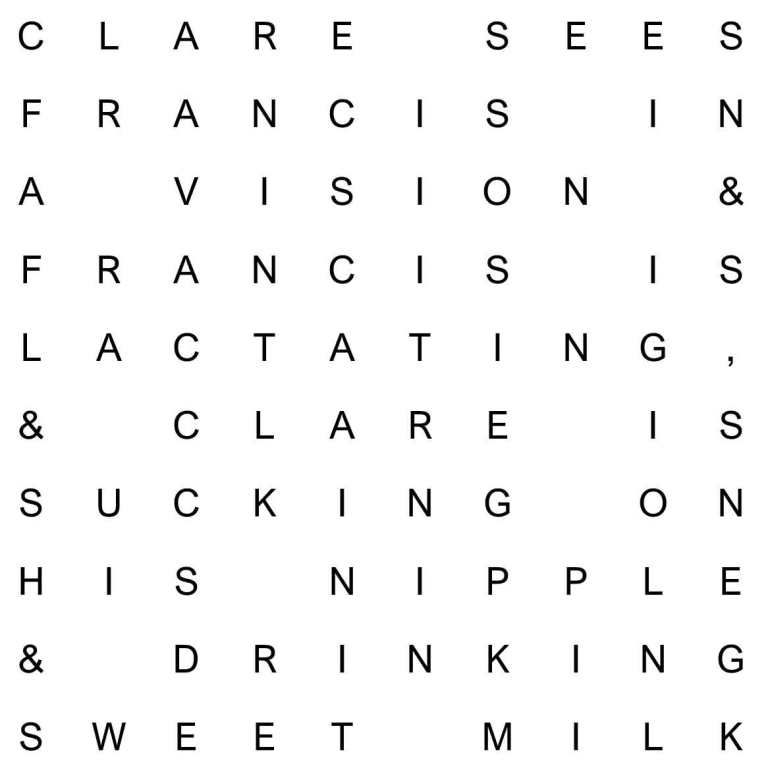
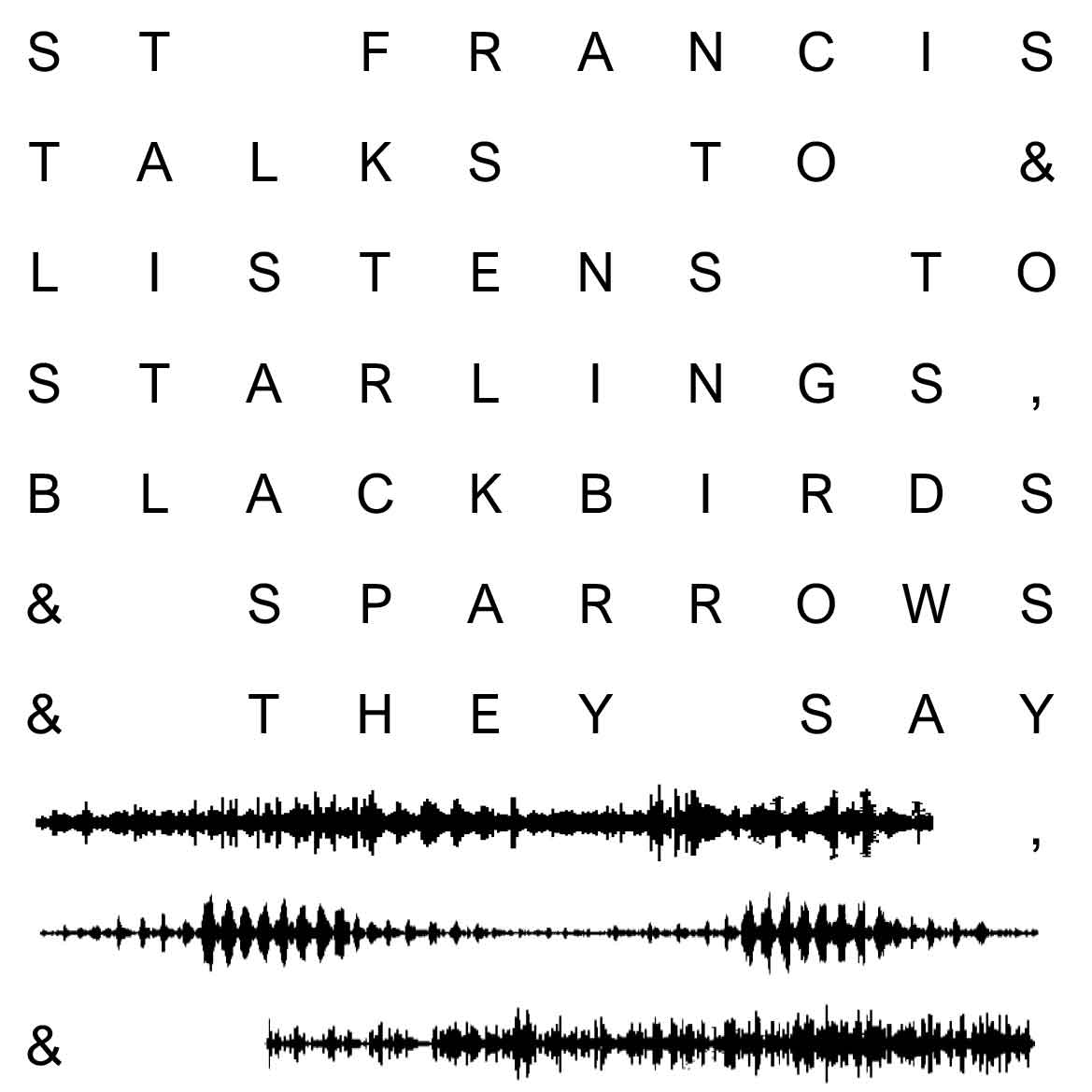
(Ed. Note-This week we bring work by a young, up and coming poet named Rose Blake. Although the Eds. have brain damage–at least this Ed–older than Ms. Blake, she has something to say and we aim to help her say it. After all the future is now. Also we have recently changed our poetry presentation to all in one day, but Rose got in before that happened. Either way, it is the written word that counts most–Leila)
“I write for children and angels.” – William Blake
The posthumous book THE MAN WHO READ EVERYTHING: THE LITERARY LETTERS OF HAROLD BLOOM was recently published (in 2026) by Yale University Press. It is a small, thin book, and there is no doubt that many of the literary letters Bloom wrote over his 89-year-life are not included. But this book is a representative sample, condensed and where every example has its relevance; as such, this book is like part of the gospel for anyone who loves creative literature in the twenty-first century and beyond.
Creative HUMAN literature, that is. In a world of lies and delusions, both mass and personal, one thing (at least) is for sure: the half dozen or so technical “wizards” right now who are building AI do not understand human artistic creativity, or its importance for our species, at all.
They are purely technical minds, so divorced from an understanding of real and true human, artistic creativity that they themselves are almost inhuman. THIS is why they have no problem trying to turn everyone who is now (still) human into a dollar-making (for them) robot.
THE MAN WHO READ EVERYTHING was published by Yale University Press with a grant. That means this is not a commercial book. The number of people who purchase this book will not be enough to make back the money it took to publish it. Whoever was behind this project understands that some things in the world are more important than money.
I said it was gospel. The letters of Paul (including the ones written in his name after his style that are included in the canonical Gospels) are some of the greatest creative writing that has been written on Planet Earth, any place, any time. THAT is why they’ve had such a profound impact for both (mostly) good, and ILL (just barely behind the good they have done). The surviving letters of Paul amount to a double handful; they were written for free and have changed the world more than any other human writing, ever. That is because they are WRITTEN SO WELL. (Paul’s letters survive all translations, and become new things that have grown from the old and so are part of the original source with consistent ties going back two thousand years, more relevant now than they were then.)
Bloom spent his life channeling the fact that HOW WELL something is written is the first criteria that should be considered when considering creative Literature with a capital L. Political considerations are also commercial considerations, one way or another. Any political agenda the good and true reader of classic imaginative literature brings to the material will be a highly imaginative, extremely fluid one, and it will be secondary. Rigidity of thought and purpose are not part of the highest (human) creative arts. Bending the mind and breaking the rules is what creative writing is for. Therefore, it will always be trampled into the dust by THE MACHINE, but it will never die there. It will rise from the mud like the most beautiful flowers that have ever been born on Planet Earth. This is because imaginative literature in its highest forms contains the very wisdom of humanity itself, not less and not more. So many of the greatest writers are essentially comedians in the end because this viewpoint finally transcends the tragic viewpoint. It sometimes seems heartless to make the mind rise above it all but this is what the greatest writing actually does, which is one reason (but just one reason) why it is often called “transcendent.” It strips away the delusions and shows humans what they are, what they were, and what they might become. The comic viewpoint in the highest levels of writing transcends all tragedies. After taking very deep account of them first.
In one of these letters, Bloom writes about himself: “Lord knows what I am. Not a poet, critic, scholar, historian, psychoanalyst, philosopher, or theosophist – but a worthless mélange of the gang of it.”
All creative writers worth anything in 2026 need to be all of the above, and even more, somehow. That is just one reason why it takes almost all the best of the best writers so long to find their voices, starting now, or yesterday. The complexity of the world has blown itself way out of proportion. The writer who ignores this is not doing their (or his or her) job.
There are at least 200 separate academic disciplines in the world today. In most of them, the number of experts in the world who can truly understand the real and true cutting edge of that discipline amounts to a few dozen at most.
This is probably also true for the most cutting-edge imaginative human literature right now, which is the most cutting-edge discipline there is (by far).
As such, it is a dark time.
As the world plunges down toward more darkness now, in the end the light will grow – or it will be extinguished.
“Theosophist” means imagining somewhere else (without abandoning the here and now).
“You’re soft as glass / and I’m a gentleman / and we’ve got the sky to talk about / and the world to lie upon.” – Townes Van Zandt
Getting back to nature is not what most people think it is and this MISUNDERSTANDING causes too many people to not get back to nature when getting back to nature is probably the single most important thing many of us could ever do right now.
Too many people believe that “getting back to nature” equals what Ubiquitous Advertising (and now social media in all its octopus-like tentacles and forms) has told them it is.
In order to get back to nature, you do not need to purchase expensive hiking boots and a new backpack and the right clothes and the right walking stick so that you look like you are a nature buff.
You do not need to climb Mount Everest or fly on one of “their” toxic airplanes to a “nature” destination that is filled with tourists just like you.
You do not need to swim to the bottom of the sea nor hike back into the literal wilderness so far so that you do not see any other humans for forty days or more and end up dying of starvation.
You do not need to purchase a mountain bike; do not need to buy rock-climbing equipment; do not need to buy expensive guns in order to slaughter animals with, or a boat so you can hunt down fish; nor do you need to purchase a jeep; a surf board; or a tent and camping gear, in order to get back to nature.
If you are outside right now, glance up into the sky and really notice it and what it’s doing right now; then step to the nearest green thing around you (even if it’s been made that way by humans) and notice how this green plant grows and interacts with its environment, giving back good and taking bad out (you can FEEL this around a plant if you want to). We wouldn’t be here at all without them.
If you are inside, move to the nearest window somehow and open it if you can. If you can’t, it’s okay. Study what is happening in and through the window, whether it be sun, clouds, night, moonlight or starlight or whatever the light (from the sky) is doing.
Even if you couldn’t open the window, you have gotten back to nature when you noticed (and engaged with) the natural light (or its opposite, darkness); and the natural light is always there, even when it’s combined with a human-caused light, which is, after all, also part of nature, because humans are part of nature.
If you can’t move right now, turn away from what they call “the world” and enter so deeply into yourself that the world falls away and there is nothing but self, so much so that “the self” disappears – and you realize that you have been here all along and always will be even after whatever else happens happens. (And it is going to happen anyway whether you like it or not. This is part of what they mean when they say, “Let it be.”)
Nietzsche famously wrote, “Stare into the abyss long enough and the abyss will stare back into you.”
Most people misunderstand that quotation and think it’s a negative, and terrifying, thing.
It’s actually the most positive thing one could ever hope to imagine.
Friday morning, Tithe Kelley found Mr. Bulk, Mann Middle School’s History teacher, standing high atop a ladder that straddled the entrance to his room. Mickey Mendelson, who was afraid of nearly everything, refused to walk under the ladder and remained in the hall with adamancy.
From up-top the ladder, Mr. Bulk praised Mickey as, “One strong enough to stand apart from the crowd”; yet dismissed him as, “One naive enough to believe in superstition.”
From on high, Mr. Bulk explained to us that he was disconnecting the squawk box located in the upper corner of his room. “This communication device,” he said, “is as much about monitoring as it is about information.” He stretched his hands toward the fluorescent lights and yelled in a high-pitched voice at the principal as if he were inside the box, “Mr. Blaugh, are we testing enough?”
Mr. Bulk shouted that his hope was that “the incompetent administration has learned something about rebellion from listening to my lectures, but,” he shouted, “no more free lunches!”
Mr. Bulk whispered to us, “Another more pragmatic reason for the kill switch is to quell the incessant and constant interruptions, ever present,’” he punctuated the words and underlined the air with his finger.
At that moment, Mrs. Early, Horace Mann’s Administrative Assistant, blurted out very loudly as if she were sitting right inside the squawk box with a megaphone how much she “Regretted it, but would Mr. Bulk please send the attendance sheets to the school office. Immediately!”
“Will do, Mrs. Early,” Mr. Bulk replied from atop the ladder.
All Tithe could see from his desk was a tangle of wires, but he heard Mr. Bulk’s voice coming out of the hole in the wall into which he had inserted his head. “This kill switch better damn well work,” he said too loudly.
There were so many stories circulating about Mr. Bulk. There was a story about Mr. Bulk yelling, “Quit farting around!” to Lunzie Hoodie and Geo Jens, who made mischief by fashioning a paper mache penis for the plaster turkey Mr. Bulk hung from the ceiling for Thanksgiving. Story goes: Lunzie and Geo were not sure where the turkey’s penis belonged or if turkeys even had penises so they stuck it to the center of its chest with Super Glue.
There was the story about Mr. Bulk standing on top of his desk waving around a large dull knife demanding to know the definition of freedom. When Lunzie Hoodie said “the right to do anything,” Mr. Bulk stuck the knife in the desk for freedom’s sake and said, “Anything?”
“Within reason,” Lunzie Hoodie choked back his reply.
There was the story about when Mr. Bulk stripped down to his long underwear and changed into George Washington with a wig and false teeth.
As the year progressed—students spent their time distributing tales about Mr. Bulk, who they steadfastly believed materialized from his desk each morning.
In the middle of Billy Bremmis’ morning announcements, Mr. Bulk said, “Now for my damned test.” From high, he tossed down a device that very nearly looked like a garage door opener with an antenna to Mendleson. “Hit the switch, kid!” Mendelson did not have to be asked twice and killed Billy Bremmis’ annoying voice in mid-syllable. “Squelch!”
Mr. Bulk then encouraged Mendelson to press the button again. This time we heard Mrs. Early talking about the pulled pork sandwiches and tater-tots on the lunch menu. . . then, we heard Mr. Blah mumbling to himself about budgets and the schedule. . . then, we heard our math teacher Ms. Guilable say, “Puzzler: A certain dog whistle operates at 23.5khz, while another brand X operates at an unknown frequency. If neither whistle can be heard by humans when played separately but a shrill whine of frequency 5kHz occurs when they play simultaneously, estimate the operating frequency of brand X.” then we heard our old history teacher Mr. Iamb going on about Siberia and 20 million Russians lost in WWII. . .then, we heard Ms. Robbers reading, “When life itself seems lunatic, who knows where madness lies? Perhaps to be too practical is madness. To surrender dreams — this may be madness. Too much sanity may be madness — and maddest of all: to see life as it is, and not as it should be!”
Mr. Bulk informed us that throwing the kill switch was an “act of not-so-passive resistance,” and, he continued, “from here on this will be our designated form of non-compliance. Besides,” he said and looked directly at Tithe, “any really important news will find ways to filter through.”
At that moment, Mrs. Early squawked, “Sorry once again for the interruption! Mr. Bulk but would you please send a student down with the attendance sheets!” From high, Mr. Bulk pointed to Tithe. “Will you do the honors?”
Tithe emitted a great steady groan, found his way to Mr. Bulk’s desk, and picked up the attendance forms and ran full-force into Mendelson, who he forgot was blocking the hallway. The Squawk Box’s control antennae detached, and, to Tithe’s dismay, found itself firmly entrenched up his nose.
Tithe imagined that the class on any other day and in any other circumstance would have laughed but this day had just been so strange with the ladder and Mr. Bulk’s lecture and Mendelson standing in the hallway and the spectacle that was the antenna protruding from his nose that the class was silent, except for Mr. Bulk who continued to lecture about free speech from high atop his ladder. Mr. Bulk, like all good teachers, had not two but four eyes—two in the back of his head—began to recognize something was happening right under his own nose.
Mendelson pressed the kill switch.
And, from Tithe issued such a great barrage of words: “These are the times that try men’s souls.” Mendelson hit the button again. “I’ve seen the best minds of my generation” . . . Then, “I sound my barbaric yawp over the roofs of the world. . .” Then, “Remember, remember always, that all of us, and you and I especially, are descended from immigrants and revolutionists. . .” Then, “This is the story of America. Everybody’s doing what they think they’re supposed to do.”
Mr. Bulk began to make his way step-by-step down the ladder, fairly muttering because he had still not fully completed his work. Tithe spoke about the hidden homeless “everywhere but nowhere.” He debated with himself about the rights of man.
Both Mendelson and Mr. Bulk now stood in front of Tithe alternatively pressing the kill switch. Tithe issued forth, “I love the man that can smile in trouble, that can gather strength from distress, and grow brave by reflection. ‘Tis the business of little minds to shrink, but he whose heart is firm, and whose conscience approves his conduct, will pursue his principles unto death.”
Mann students listened politely. The girls fluttered their eyes up into their heads. The boys’ eyes threatened to open up a can of whoop-ass if he dared say anything more.
Mr. Bulk told Mendelson to accompany Tithe down to the school nurse. But, Mendelson pushed the button once more as if in defiance: “Yes. Our country has been built on the foundation of ignorance and pushes ahead anyway; at Mann Middle, no matter what history we construct about this singular event, we are still and will forever be the great unwashed society of ignorant teens, who think we know and understand much more than we do. And, yet I am proud to report, Mr. Bulk, that we do understand a kind of history. Still, Sir, we will, with or without you, surge ahead without remorse; we will suffer the consequences later.”
“That may be true,” Mr. Bulk replied, “but it’s not very useful.”
Thus, this, too, became another fabled story in Mr. Bulk’s classroom. The classroom students tuned in daily—a show Tithe didn’t like exactly but couldn’t stop listening or watching.
(Ed note: We are pleased to bring Paul Tristram’s work out for a second time! Today we present five tremendous works, and we hope you enjoy them as much as we do–The Eds.)
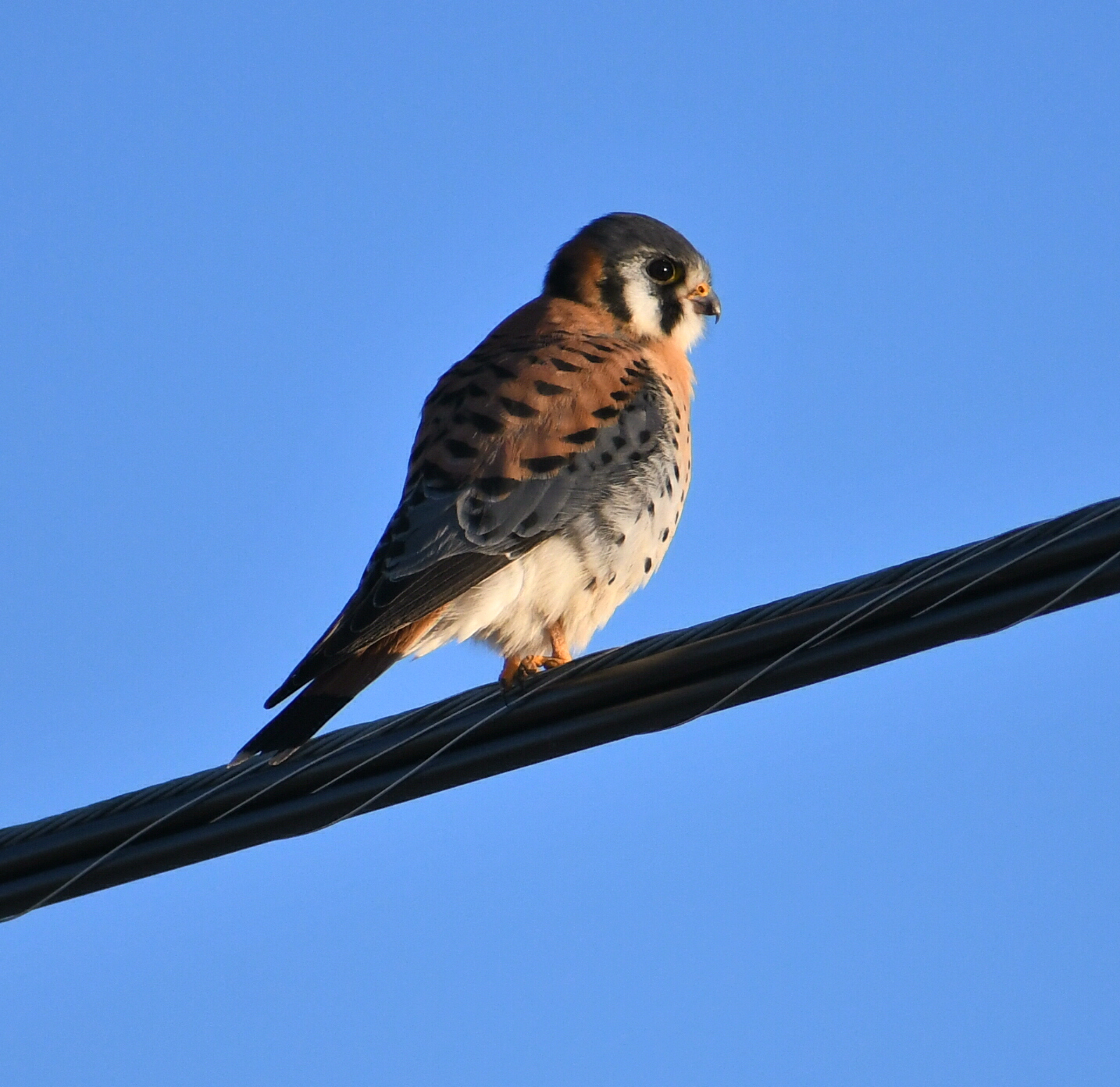
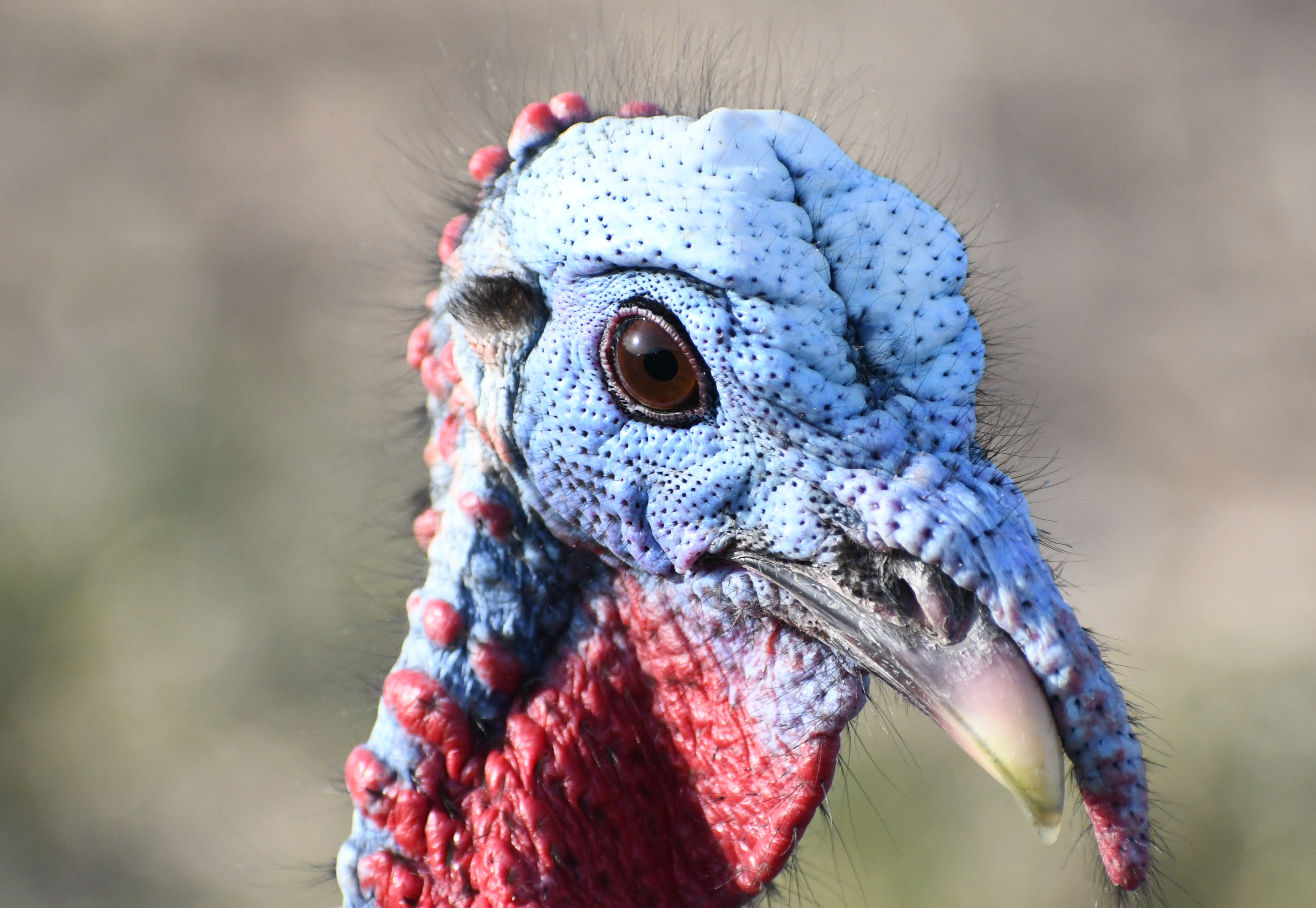
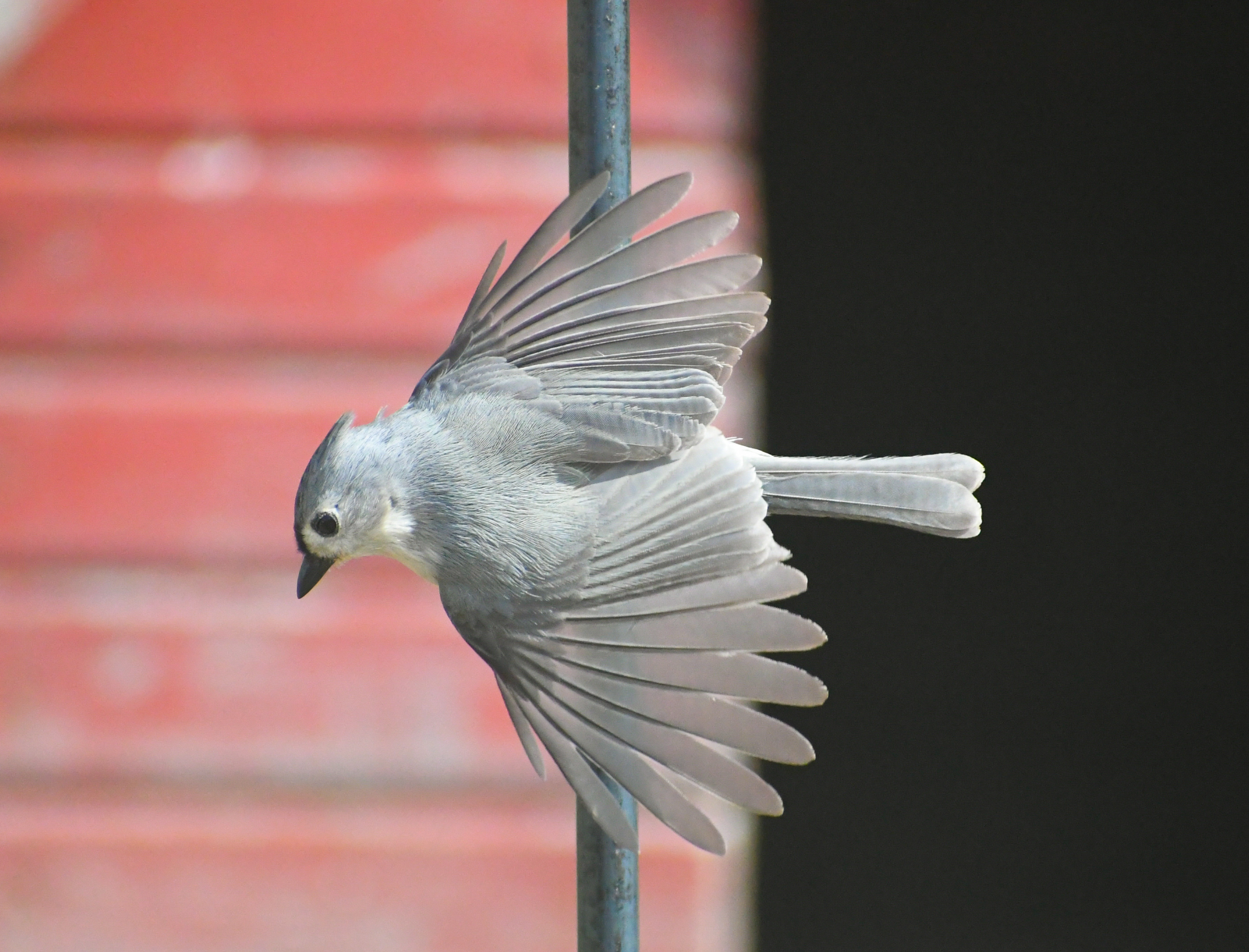
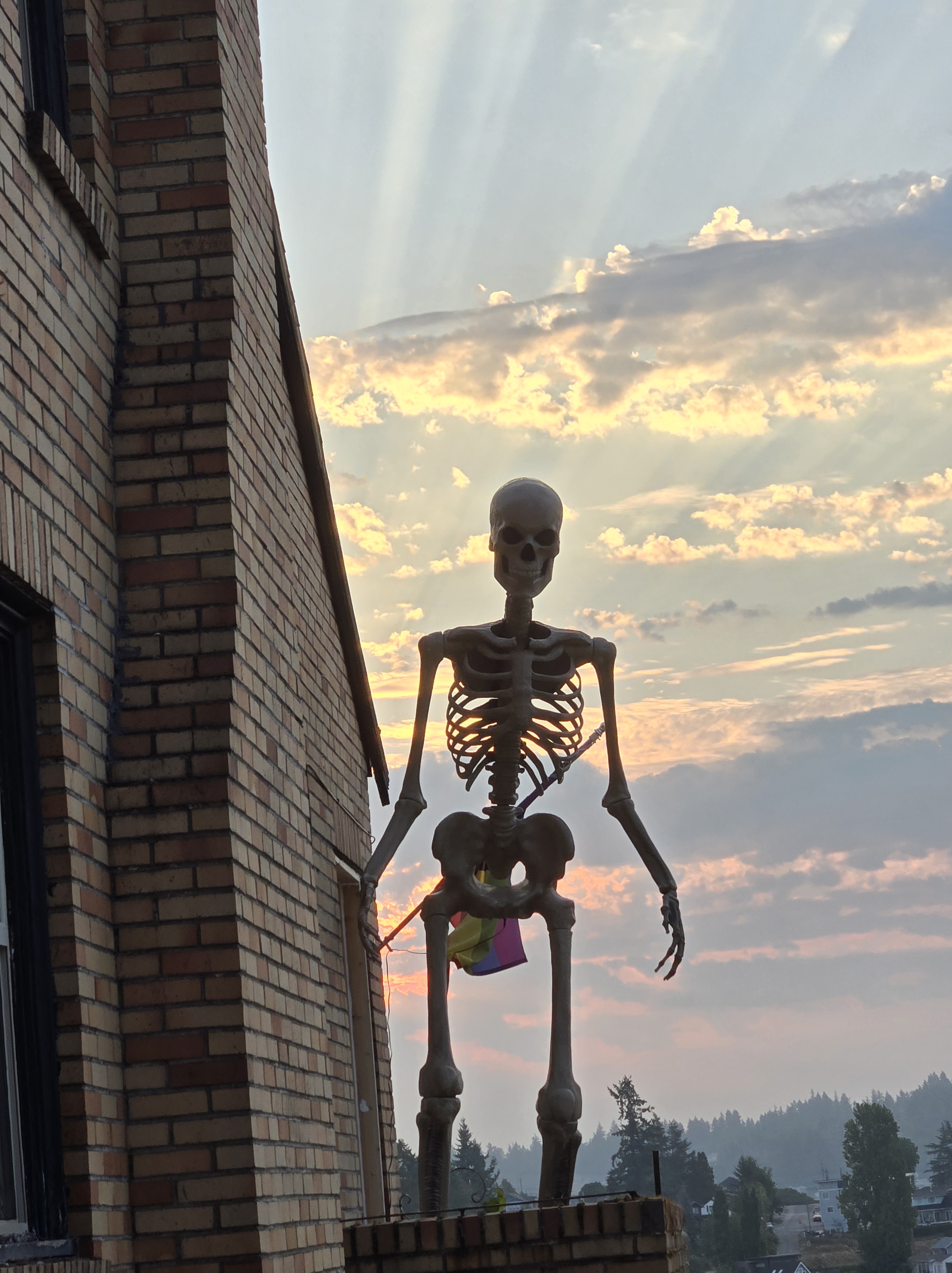
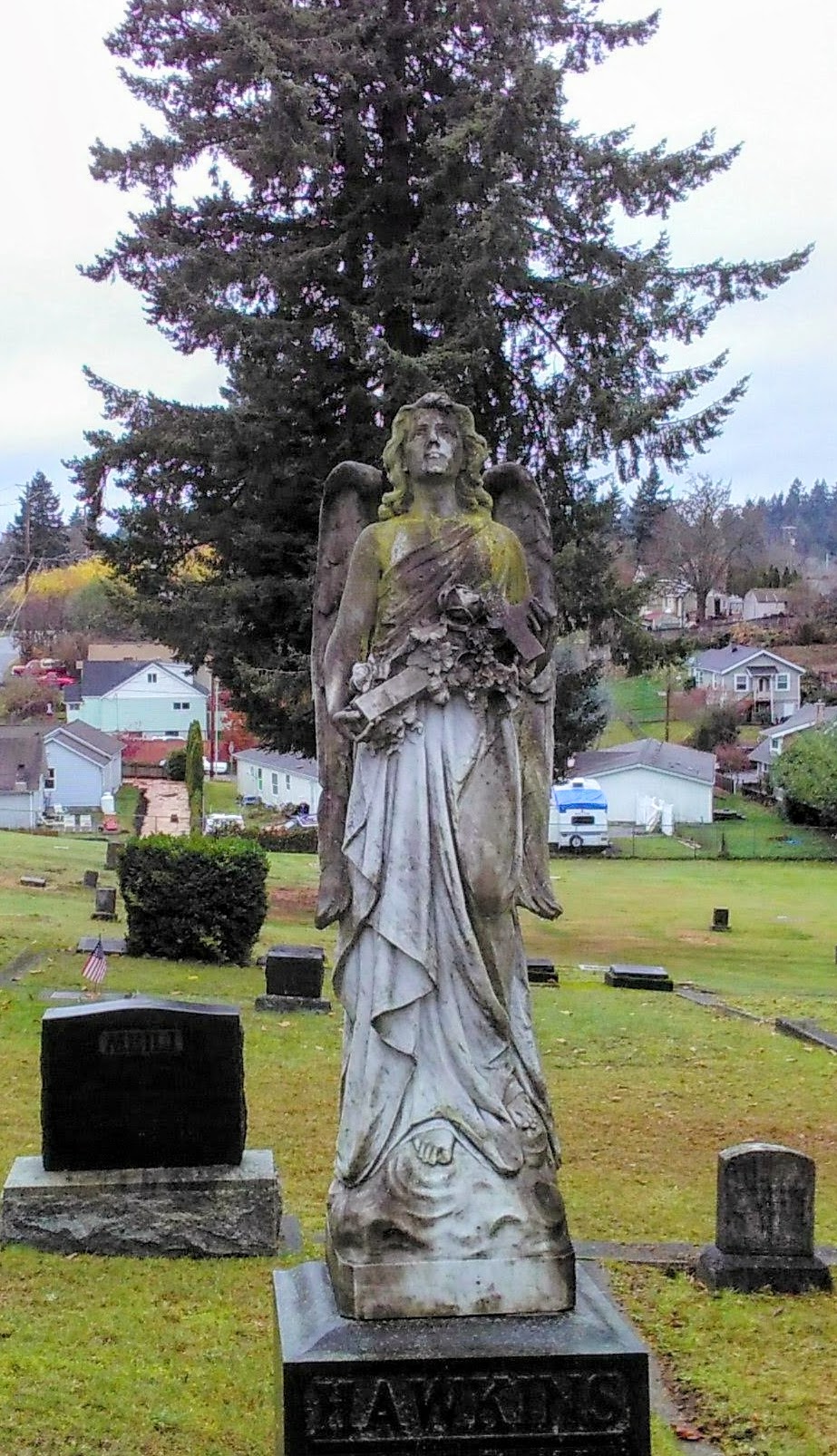
(Today we are pleased to run a collection of five poems by our friend David Henson. We have decided to depart from the one poem a day format, but instead of just shoving them out all together we have included images and the end result is quite nice. but always, it is the words that rule the day.–The Ed’s.)
Death Everlasting
A man rubs ointment
on the stub
of a new arm he’s growing.
A woman dons her levitation cloak
and goes for a ride.
Massive seawalls
gird coastal cities.
Robots do the dirty work.
Human brains braid with AI
and each other.
People live for centuries,
a boat I miss.
Polar bears prowl
the tropics after ice
reclaims the earth.
The planet regreens.
The continents touch.
A boy and girl cartwheel
on thick grass
outside their home on Europa.
Their descendants,
part human, beast, mechanical,
will live on ships
that sail deep space.
The sun burns red,
obliterates its kingdom,
my atoms chasing space and time.
The universe turns cold
or crunch.
So many things that will be,
and my death will survive them all.
(end)
The Man Who Quit Trying To Understand
My new approach
begins during a movie
when I ask myself
Why did the guy with the beard do that?
Who is the guy with the beard?
I find the film more enjoyable
when I accept
there’s a guy with a beard,
and he did what he did.
My mindset expands
to everything and everyone.
What do they think they’re doing?
Don’t care.
How could anyone believe that?
Who knows.
Are these people for real?
Apparently.
Friends caution me
ignorance is no way
to go through life.
Without my asking why,
they give me reasons.
I nod.
(end)
Jack’s Song
This here’s a little ditty
‘bout Jack, a fellow with wings.
Adriane has none,
but does have a big ol’ gun.
She tries to rob the bank
where Jack works nine to five.
When he pushes the hidden button,
cops swarm like bees at a hive.
Adriane’s trapped
and makes a hostage of Jack.
The standoff goes days,
puts Jack in a Stockholm haze.
He visits his new dearest
in her prison for the unwinged,
leaves his wife, sweet Betty Lou—
a flyer, born like Jack.
His feathers itch like crazy
when apart from Adriane,
who one day admits
she’s fallen for a woman named Pam.
Jack hatches a plan,
and gets his wings removed,
shoots a guy and gets locked up
with his darling Adriane.
Jack woos Adriane away
from that hated Pam
and plans a fairy tale life
with Adriane in the slam.
But Pam goes all If I can’t have her,
no one else can
and shivs poor Adriane in the shower
where she bleeds out down the drain.
Oh yeah, Jack’s shattered,
but life goes on,
and he starts regretting
his leaving sweet Betty Lou.
Jack knows she’ll shun a man
bound to ground like him
so he tells the warden he wants
to be winged again.
The warden says Jack, make Big Shirley
confess the murder we could never pin,
and we’ll sew some wings
back on you again.
Well, Jack charms himself
into Big Shirley’s arms,
and when she says Don’t stop,
he does—until she says I did.
Jack’s re-winged and transferred
to a flyer’s cage,
writes Betty Lou: Please visit.
We’ll flutter as best we can.
But Betty Lou is soaring
with another fellow by then.
Oh yeah, life goes on
So Jack spends the rest of his
flying alone
in a pen.
(end)
Splinters
Dreams splintered
in my father’s hand.
Those just under
the calluses.
he needled to the surface,
drew between his teeth,
spat out.
Those worked deep
into his palms,
he ignored,
carried to the factory
thirty-eight years.
(end)
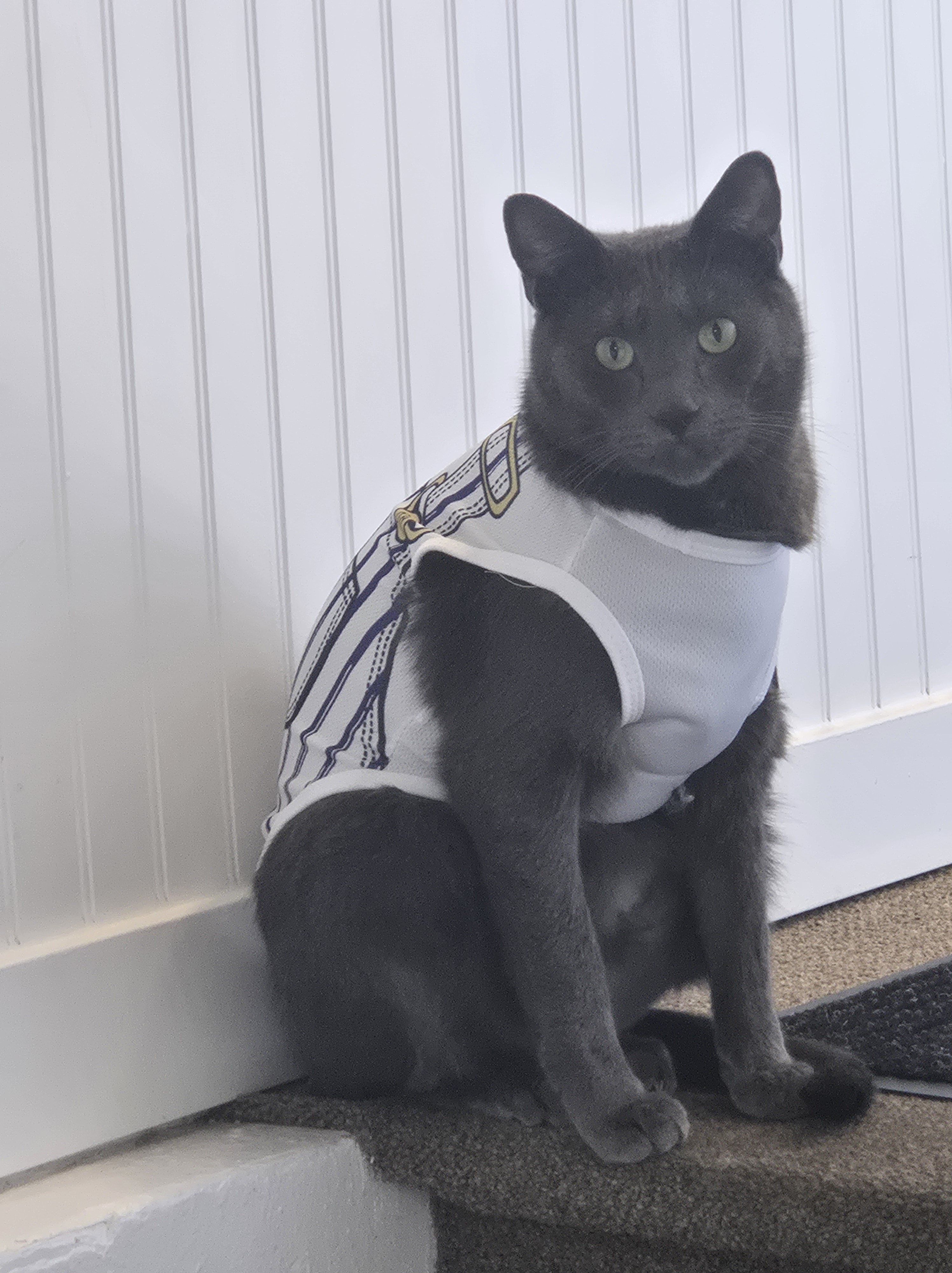
(image of Da Blues, who likes a good poem)
Mary’s Lullaby
Mary arrives at the human
resource center workshop,
announces she’s pregnant
and high-fives Big Bob.
They roar with laughter.
I contact the nurse,
who takes Mary
to the center’s clinic.
When they return,
Mary goes to her station.
The nurse confirms
Mary’s pregnancy — shocking,
he says in hushed tones,
because she’d undergone
a somewhat voluntary procedure.
When I ask what
he means by “somewhat voluntary,”
he turns heel and hurries away.
I can’t help staring at Mary.
She notices me,
makes several pelvic thrusts,
rocks cradle arms,
and begins singing.
(end)
All poems by David Henson
(images all taken in the Charleston District of Bremerton, WA)