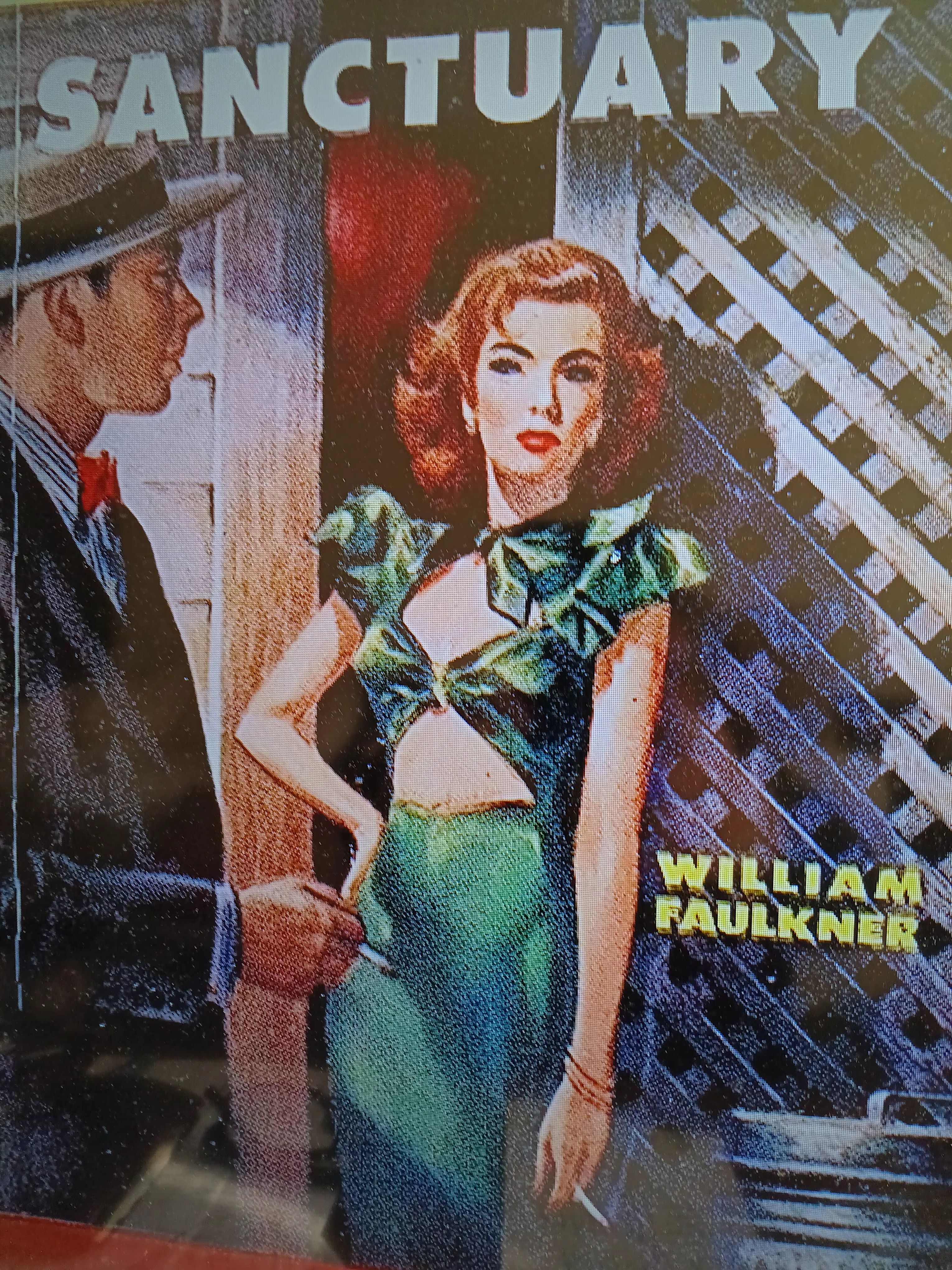
Silence, Exile, and Cunning: a Credo, a Screed, a Missive, a Memoir by Dr. Dale Williams Barrigar

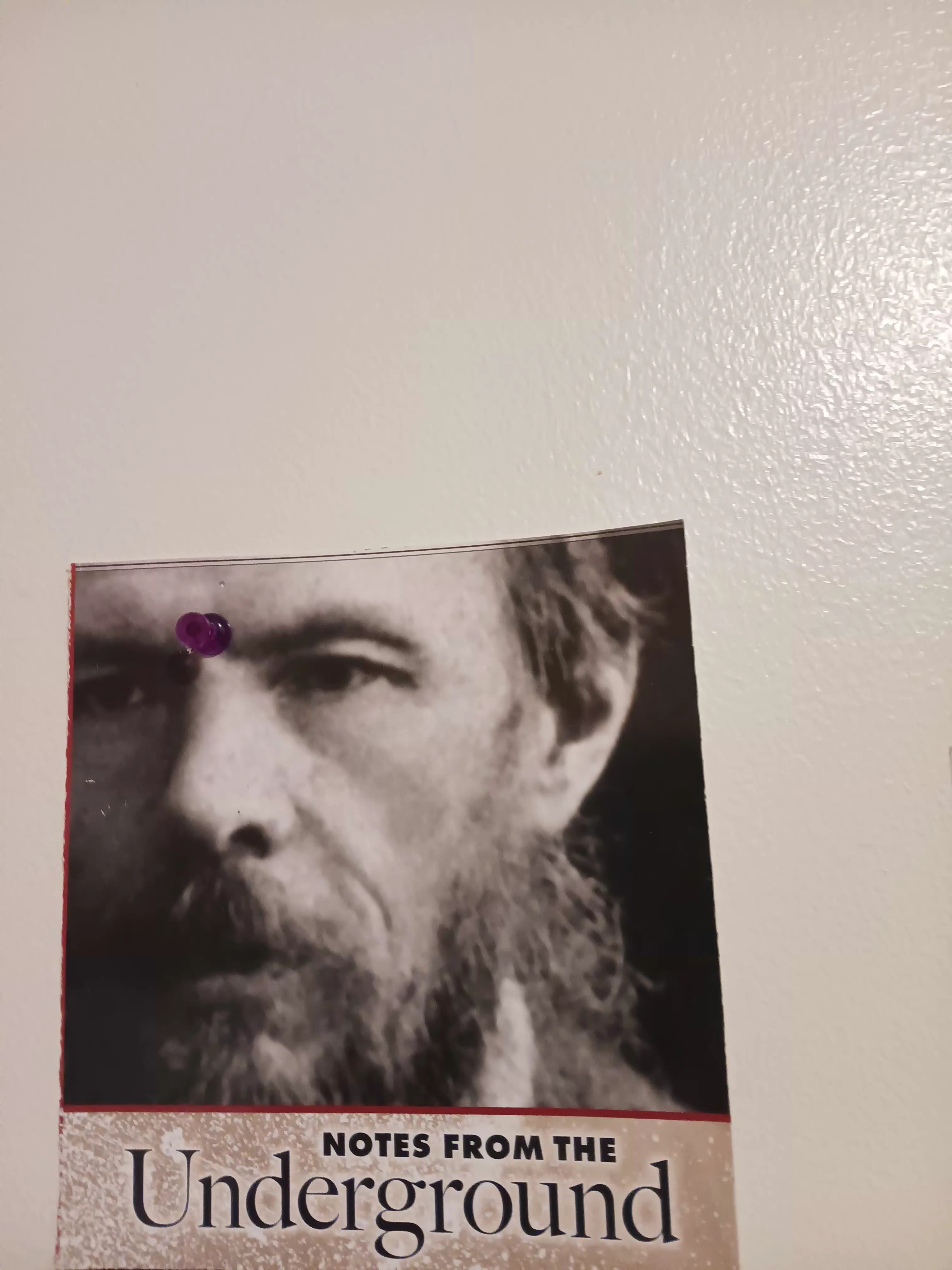
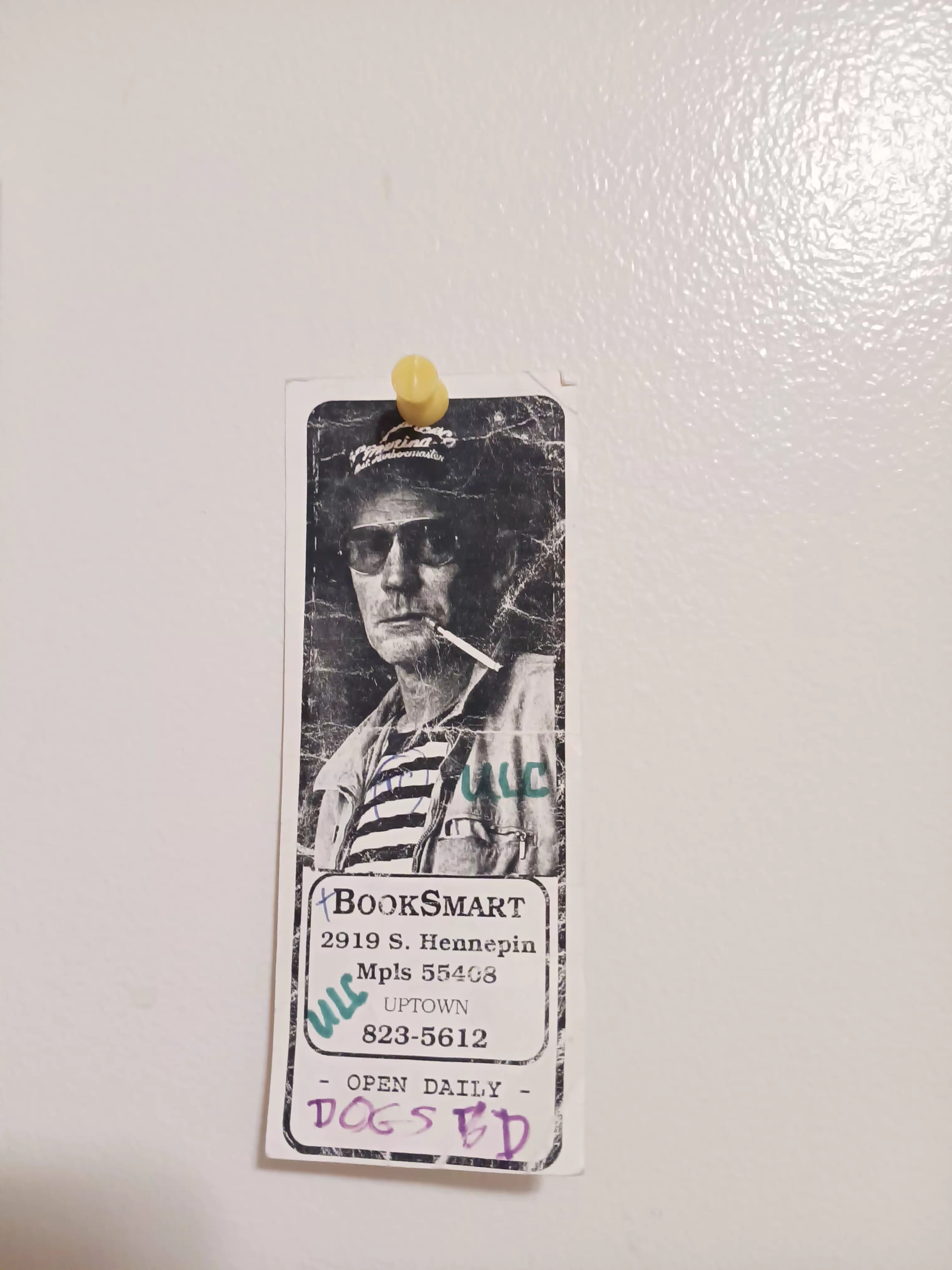
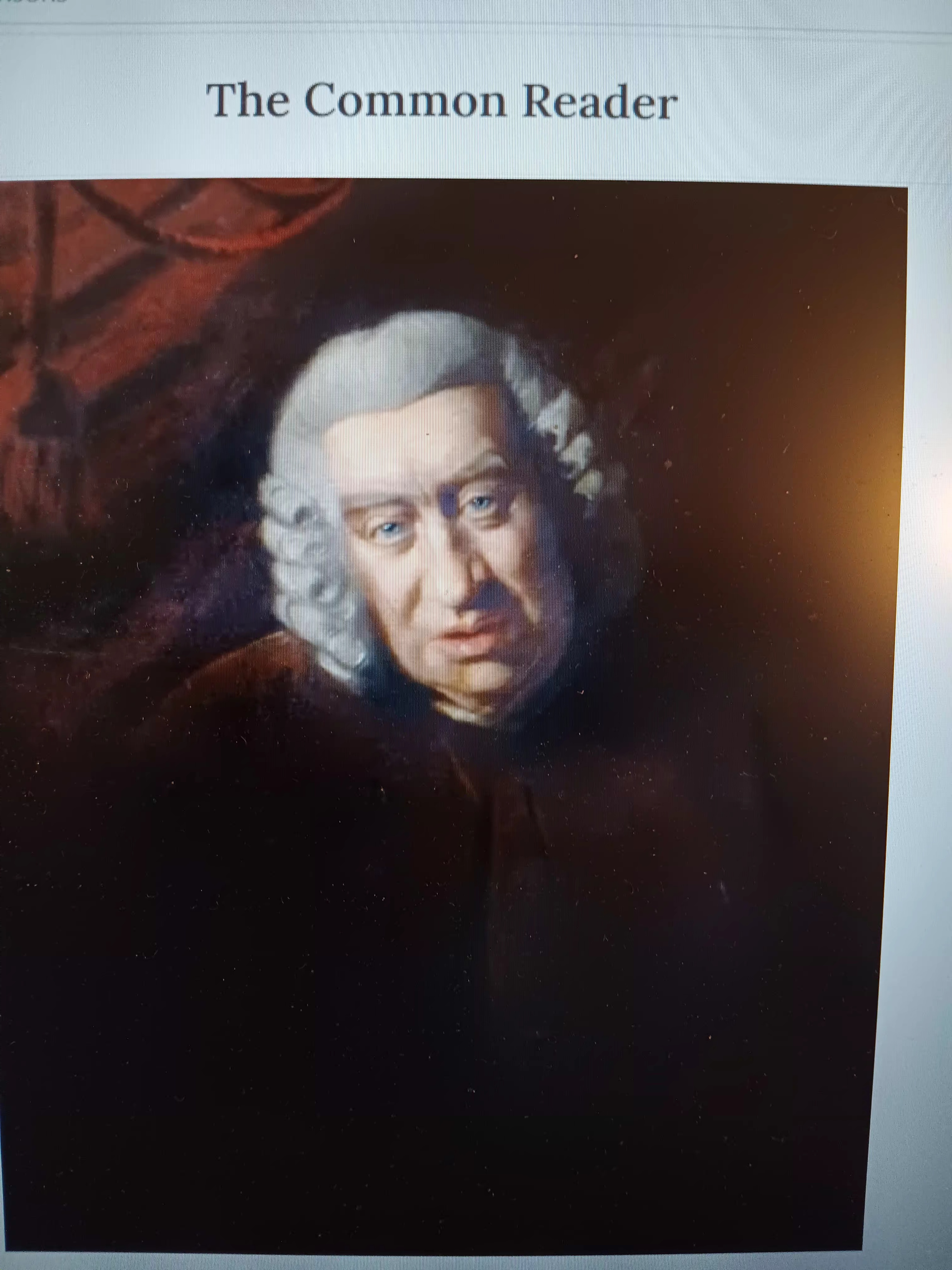
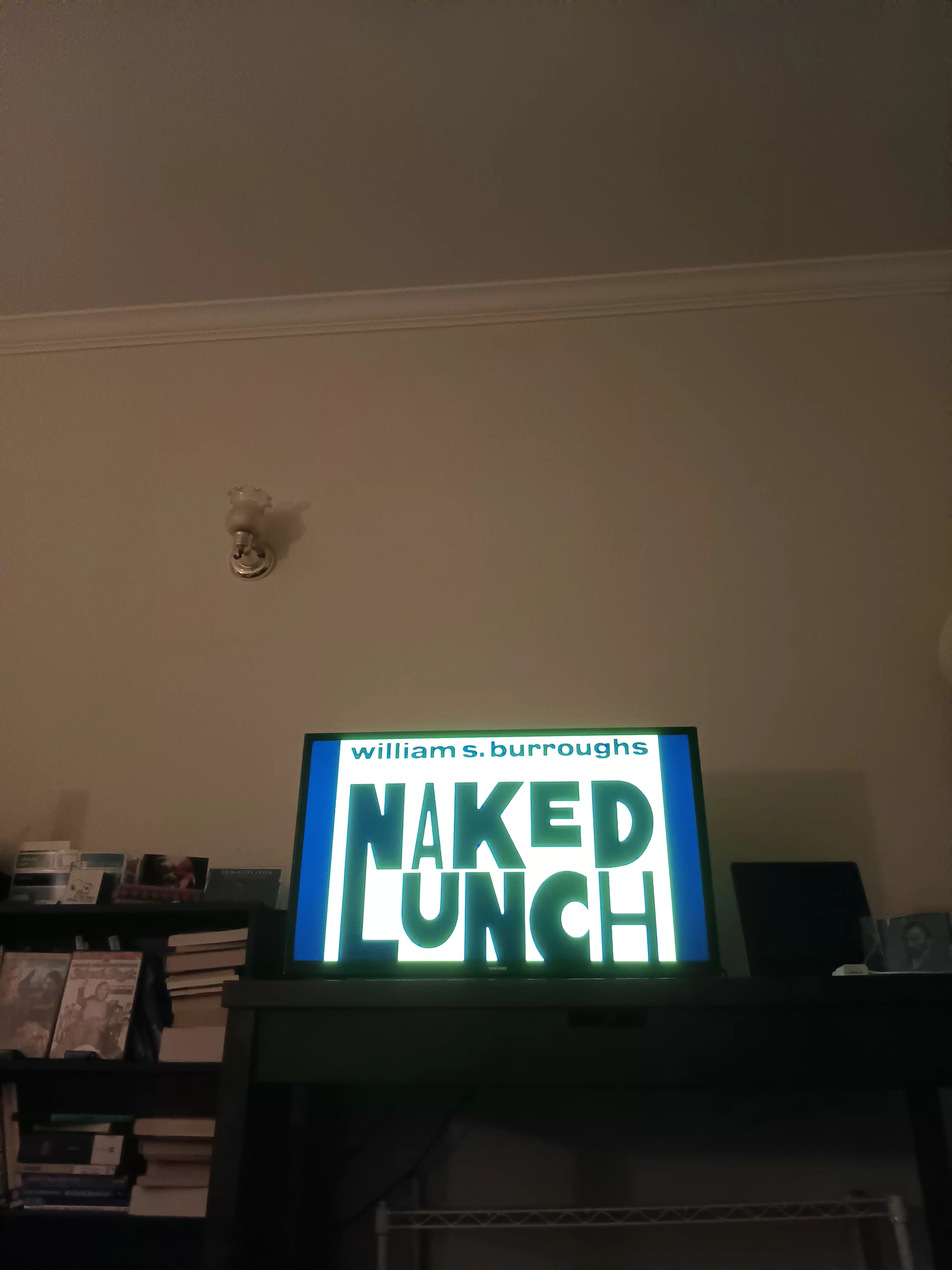
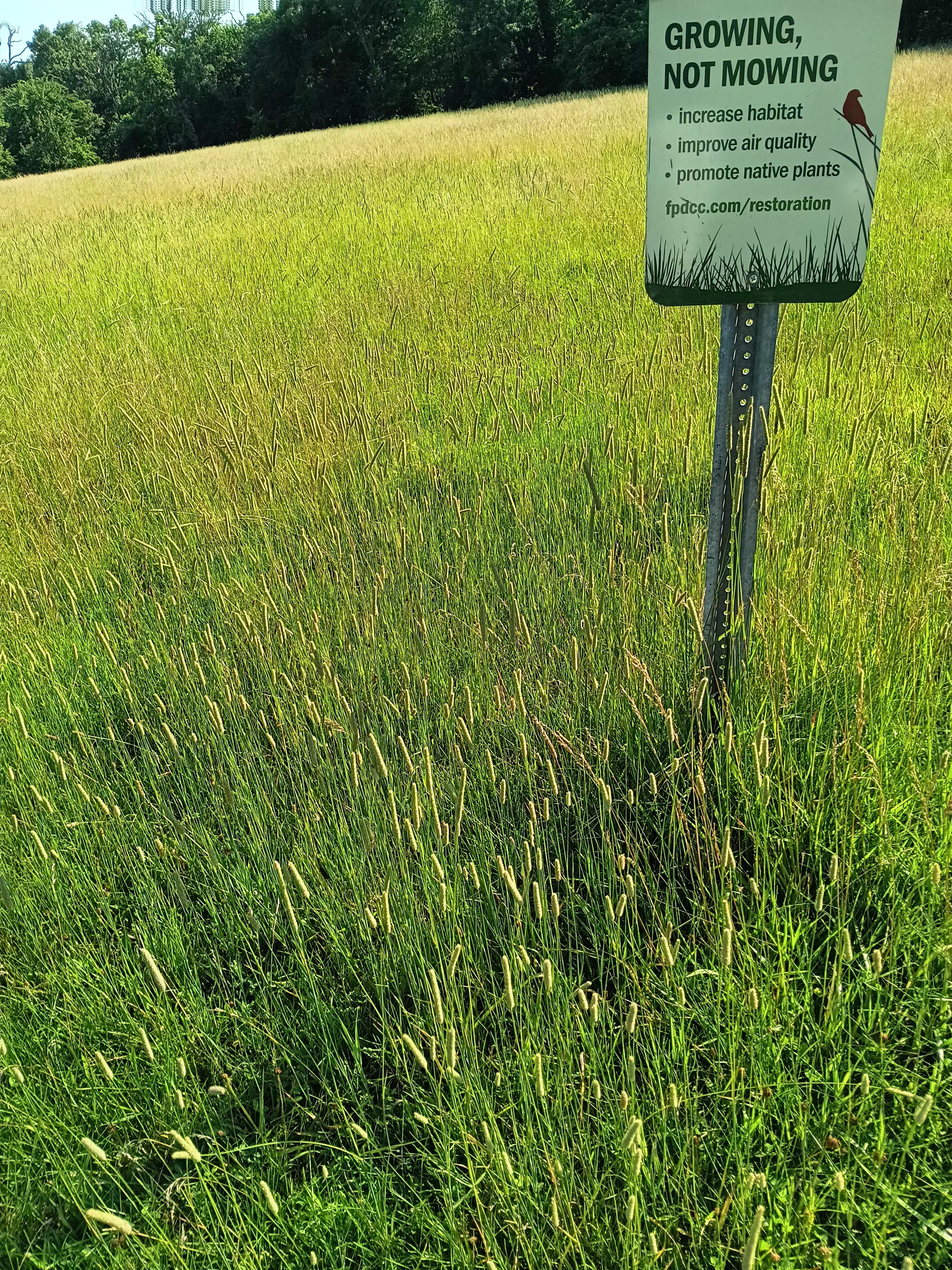
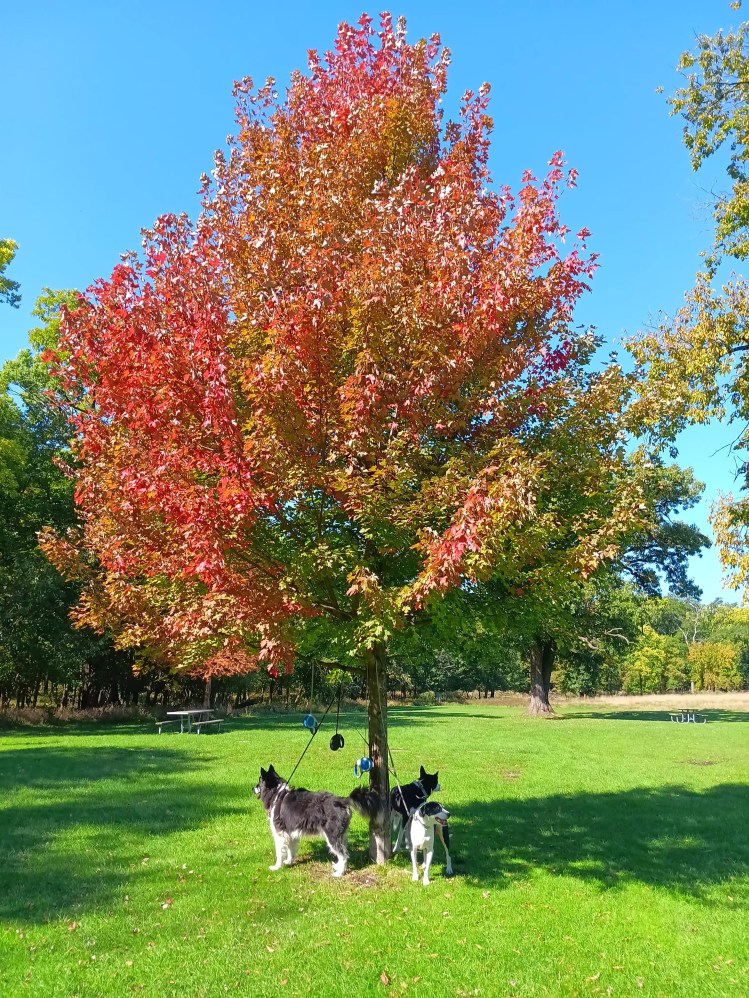
(Images provided by the Good Doctor DWB)

“Let my country die for me.” – James Joyce

“The supreme question about a work of art is out of how deep a life does it spring.” – James Joyce

“Shut your eyes and see.” – James Joyce

(Note: We conclude another fine week by our Editor DWB. And for the time being he will be appearing in months to come with full weeks. The offer is open to many of our friends who have published previously with us. So, something to consider–Leila)

This un-mundane but minuscule screed possesses a very specific target audience. It is aimed directly at anyone who has ever lived, is now living, or will ever live who has even the tiniest bit of interest in the Irish author James Joyce, or in creative writing itself as purely an art form.

The greater your interest in HIM (and he is his work) or the greater your interest in creative writing as art, the greater your interest in this missive will be. There is much so-called “creative writing” that is much closer to formulaic hack writing than it is to what we (I) mean when we say “art.” This kind of commercialized-hack-writing-as-creative-writing tends to win things like the Pulitzer Prize, the Booker Prize and even the Nobel Prize – to prove this all you need to do is look backward at the list/s of writers and works which have historically won these so-called prizes; Joyce himself, the greatest fiction writer in English of the twentieth century (by far), never won any major prizes and was never even nominated for the Nobel Prize in Literature. Joyce is the greatest fiction writer in English of the twentieth century, which bears repeating. More than this, forced to make a list of the top half-dozen writers of the English language so far in any genre, that list would be: William Shakespeare; Geoffrey Chaucer; John Milton; William Wordsworth; James Joyce; and Jonathan Swift; in that order. Maybe Emily Dickinson, Emily Bronte, Edgar Allan Poe (just ask them in France), Walt Whitman, John Keats, John Donne or William Blake could replace someone in this list. (All such lists are really just a speculative game, of course, except for the first four, which are really a historical fact.)

Spiritual events are the biggest events in our lives. In many ways, somehow unrequited romantic love (including but not limited to the death of the loved one as in Poe) is an unbeatable spiritual event – and by that I especially mean small cap’s romantic love when it is propelled by capital R-and-L Romantic Love, i.e. the kind of love that was also preached and practiced by the British Romantics such as Blake, Wordsworth, Coleridge, Keats, Byron, and the Shelleys, all of whom had their profound influences on James Joyce (he once dubbed himself a modern-day synthesis of Daniel Defoe of Robinson Crusoe fame, and William Blake).

Joyce has been and is one of the biggest spiritual events in my own life so far on a personal level. As such, this screed that is also a missive is also a memoir of a little over 1,300 words, which is around the average length of one of Paul’s letters or many of Hemingway’s best stories.

I started reading Joyce when I was around fifteen years old in the American Midwest. In many ways, I was finished reading Joyce by the time I was around twenty or so, even though I’ve continued to reread him to a greater or lesser extent in every year of the last thirty-nine years. So I absorbed, and even memorized, much of Joyce still during the time/s when my youth made me very, very impressionable.

All young people who have the gift or the penchant for reading or who have a questing soul at all should read and reread some of James Joyce when they are young if they are lucky, specifically the first four stories in his collection Dubliners, which blow The Catcher in the Rye out of the water but are in the same vein and should be read first or beside it, along with Hemingway’s Nick Adams stories. If these four Joyce pieces accidentally missed you when you were “young,” but you are still young inside, go to these stories now and your haunting youth will be magically returned to you in all its best, and worst, aspects. The complete realism of these brief yet all-encompassing tales is comforting even as their idealism inspires, or makes the breath quicken.

The rest of this writing will present in brief yet pungent and cogent form what are my own personal favorite things in James Joyce as of right now. His work is endless to meditation so some items shall be, I am sure, accidentally omitted but what is presented here can also be seen as an outline of his most important work from the heart and soul of one loving reader’s perspective.

DUBLINERS.

The first four stories: “The Sisters,” “An Encounter,” “Araby,” and “Eveline.”

“The Boarding House” from the middle of the collection and “The Dead” from the end, and especially the end of “The Dead,” and especially the very last paragraph of this long story or short novella.

“The Dead”: the dramatic, life-altering moments between the MC and his wife in their hotel room around Christmastime will never leave you. The last paragraph of “The Dead” is, hands down, one of the greatest paragraphs ever written in the English language, a fact that has been acknowledged by many long before me and will continue to be acknowledged by many long after “yours truly” has departed this mortal sphere (praise God may it not be for a while, thy will be done). I personally have read this paragraph not hundreds but thousands of times. It is like a sad song I replay over and over when alone in the car, but better.

A PORTRAIT OF THE ARTIST AS A YOUNG MAN.

The title of this book alone has had a massive impact on my entire life at every level I can possibly imagine, an impact so vast it feels beyond Jungian in its depth, oldness, oddness, and neverendingness.

The sea girl on the seaside like a sea bird and Stephen’s limerence-like fascination with the girl, the bird, and the sea. The beautiful longing of it all.

The experimental and experiential opening of this novel which actually captures all of infancy, babyhood, and toddlerhood in less than one page from the kid’s perspective.

The friend with friend notations and conversations that end the book.

The phrase “silence, exile, and cunning” which became one of my own personal credos when I was a teenager and remains so until today, and will be tomorrow and tomorrow and tomorrow after that, too. Among other things, the rebellious spirit of the original rock and roll is contained within this phrase. One of the greatest influences on Bob Dylan ever is and was James Joyce, by Dylan’s own admission.

There is SO MUCH in these literal and metaphorical four words when put together like this that you can literally build an entire life on and around it.

It is more than an impenetrable fence but it is also an impenetrable fence, the only kind that can allow for true growth of the spirit and the personality, the only real possession we can ever possess here on Planet Earth.

ULYSSES.

The title itself, alone, along with all it implies.

The “friends” episode in the sea tower at the beginning of the book.

Leopold Bloom’s eternal peregrinations.

Stephen and Bloom drunk together in the whorehouse and elsewhere, wandering around.

MOLLY BLOOM, especially her end (“Yes”) in more ways than one.

Marilyn Monroe wanted to make a movie where she played Molly.

FINNEGANS WAKE.

The title itself.

Finnegans – plural. Wake – verb.

Resurrection, reincarnation, and/or all of the above.

The Irish drinking song where the title comes from: a drunk guy in Chicago falls off a ladder, dies, then springs to life again at his own funeral, leaping out of his own casket and SMILING at all his friends and enemies.

Her name: Anna Livia Plurabelle. And the rivers of life.

His name: H.C.E. (Here Comes Everybody.)

Shem the Penman.

The alpha and the omega: the beginning and the end.

James Joyce Quotation Collage by Dale Williams Barrigar

Greetings!

This is, above all, NOT some random collection of quotations randomly tossed together by some enigmatic and bored outsider from the American Midwest who’s (once again) too high on microdoses of magic mushrooms, edible marijuana, and too much green tea and Gabapentin. Instead, this is a very, very, very, very, very, very, very carefully curated, selected, shaped, arranged, and FORMED collage of quotations that can stand as its own separate work of art on many many many many levels, just as the collages of Picasso and Braque could do the same. I do not limit nor count my borrowings, said Montaigne, I weigh them.

As such, this tissue of words can be utilized primarily in one of two ways, or (preferably) in both-at-once ways. If you, the Reader, can think of other ways to use these (this), please feel free to freely do so at whatever levels or in whatever ways your mind or nerves can handle.

A: It can be used as an exceedingly useful summary of the entire life’s work of the Irish author James Joyce (and James Joyce himself WAS his work at a level that perhaps surpasses (almost) anyone else).

B: It can be used as a piece of twenty-first century wisdom writing (like an advice column for seekers) all in its own right.

James Joyce is one of the funniest writers who ever lived which is to say he’s one of the greatest comic writers who ever inhabited Planet Earth, as the brilliant genius Anthony Burgess never tired of pointing out to anyone who’d listen to him (and it was usually far fewer than you might imagine, even after a certain novel of his was made into an exceedingly famous motion picture which had almost nothing to do with the original novel at all).

Joyce also possessed (as do so many true comedians) incredible wisdom about life.

Read on 2 find out.

(FYI: this is also a companion piece to my forthcoming written work “Silence, Exile, and Cunning: a Credo, a Screed, a Missive, a Memoir.” I call it a “written work” because it doesn’t have a genre except perhaps for the ones enumerated in the title. It shall come forth tomorrow.)

“Shut your eyes and see.”

“Let my country die for me.”

“Love loves to love love.”

“First we feel. Then we fall.”

“As I walked along in the sun I remembered old Cotter’s words and tried to remember what had happened afterwards in the dream.”

“We walked along the North Strand Road till we came to the Vitriol Works and then turned to the right along the Wharf Road.”

“Meeting her a third time by accident he found courage to make an appointment. She came.”

“The sad quiet greyblue glow of the dying day came through the window and the open door, covering over and allaying quietly a sudden instinct of remorse in Stephen’s heart.”

“Think you’re escaping and run into yourself. Longest way round is the shortest way home.”

“The object of the artist is the creation of the beautiful. What the beautiful is is another question.”

“The heaventree of stars hung with humid nightblue fruit.”

“It is as painful perhaps to be awakened from a vision as to be born.”

“You can still die when the sun is shining.”

“I will not serve that in which I no longer believe and I will try to express myself in some mode of life or art as freely as I can.”

“The whole face is of an ascetic, inspired, whole souled, wonderfully passionate man. It is Christ, as the Man of Sorrows, his raiment red as of them that tread in the winepress. It is literally Behold the Man.”

“Old father, old artificer, stand me now and ever in good stead.”

Dale Williams Barrigar

(Image provided by DWB)

How It Ends: An Attempt by Dr. Dale Williams Barrigar

“The thrill is gone away from me.” – B.B. King

If it lasts long enough, every “relationship” (as in romantic relationship) comes to the point where Ignored or Insulted (or both) become the primary mode/s.

One of the parties feels let down. This disappointment leads to feelings of resentment all ‘round. What was once adorable is now monstrous to both sides. The mind turns to revenge fantasies, the love fades like a coal. It is what B.B. meant when he said, “The thrill is gone.” And he did not say it in a happy or half-hearted way.

It is impossible for any one person on this Planet to fulfill the expectations of any other person on this Planet in any lastingly fulfilling way. Such is a childish dream. A radical compromise is reached with one dominating or the whole thing explodes into bits rather quickly. As surely as that evening sun goes down.

The happiest people are ALWAYS the ones who spend the most time alone, even if someone else is in the next room. These are also the unhappiest people. It means they are the most alive.

Contrary to popular opinion, it can be exceedingly easy to be alone in a crowd.

Dr. Dale Williams Barrigar

(Image by DWB)

Going Back to the Red House (Grunge) by Dale Williams Barrigar

The garden has grown

over and become

a sanctuary-of-sorts for all kinds

of stray cats, birds, possums, and other

explosions of indigenous life and

the porch is broken

the shutters just fall

and no more time is to be had

for trifles like these, at all

but there’s a recyclable paper bag

containing donuts once

snagged in a weed tree.

And upon it

Someone” you will

never forget

has written in

(before trailing off

and going away)

magic marker

calligraphy:

“Dear Sir,

you kissed my feet the last time

I saw you and it made

your hair

fall

around my walking

for a very long time.

But I am OK

this way

out and about again

on my own

yet I thought I

just wanted you

to know

and oh

my hand is steadier now –

and

I used to want you,

I really did, you know”

Dale Barrigar Williams

Season Dream(s) by Dale Barrigar Williams

(This week we are pleased to present work by one of America’s under-appreciated writers and academics, Dale Williams Barrigar, who is also the Co-Editor of this site. He has wonderful twin daughters and a damn fine pack of Dogs, too.)

(Image provided by DWB)

Cabin blizzard on Halloween

visiting Alaska

in the evening

every single flake

that falls

memory of you

as

October branches

scratch

at cabin window

sleeping gone

grizzly bears somewhere

near here

but I’m not fearful

Mr. Sasquatch

but what am I trying so hard

swooning

for

as

the last stripe

of red sunlight

now falls down

around old autumn

apple tree

shadows

crooked trunk

tree branches

turbulent truculent

dreams of another world

in only half sleep

all night long

next morning

November

One

there is an

alone woodpecker

in sudden sunlight red and gray

and his feathers too

are red and gray

as his drummings

on the tree they

sound

like rock and roll…

Dale Williams Barrigar
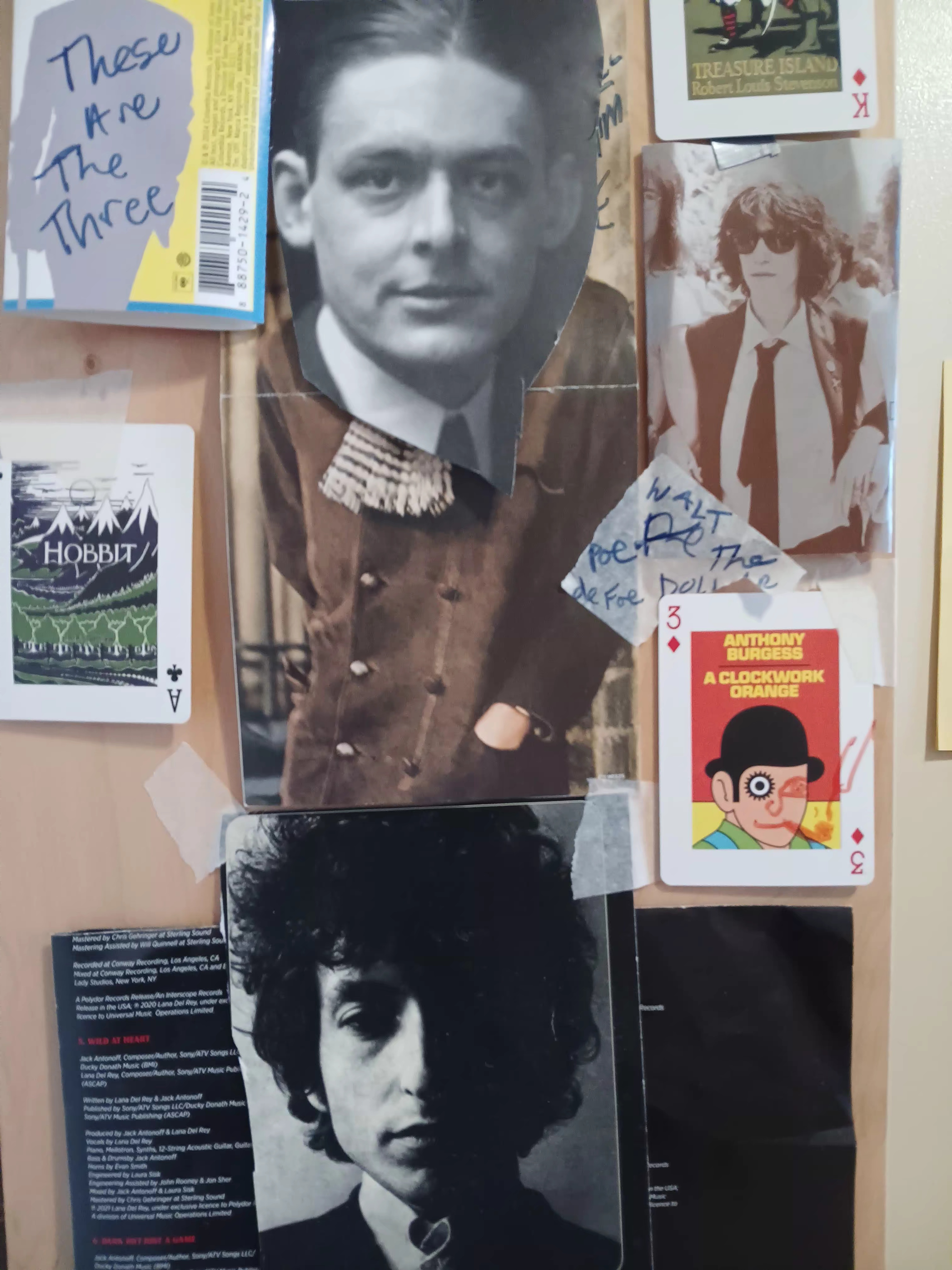
Penned in Blood: A Valentine by Dale Williams Barrigar

William Carlos Williams, famous

local doctor, spark plug

of his landscape, set of wheels

for his community, delivering

babies among sexy

poor people who couldn’t,

or wouldn’t,

always pay, and some of them

I loved a little too well, and one of them

I loved,

much too well.

Herman Melville, harpooneer

of Moby Dick, became an Inspector of Things

with no visible promotions

for nineteen years.

But I was working

by the seashore, near the sailor

who broke my heart, which usually

made me feel better, because,

by now, I was

the mystical mariner, and the sea

was in my eyes

wherever I was.

Miguel de Cervantes, who wrote

and was windmill-tilting

Don Quixote, Sancho Panza, Dapple, Rocinante, and

Dulcinea, gorgeous, beautiful Dulcinea,

the most perfect love,

romantic angel,

with such a long pen,

was a tax collector on horseback

for too many years.

People would throw things at

us.

And I wondered

how I had become

this.

I said to myself,

“How have I become

this

weary, sad-eyed, wine-soaked,

broken-hearted old soldier

with a bad hand from that long-forgotten

sea battle no one seems to remember

but me.

Next, I was a slave,

captured by pirates.

Later writing many

chapters of my only, endless

book while locked up

in their jail.

For something I probably didn’t do

and don’t remember

if I did do it.

Because someone stuck up

was down

on my energy.

As a noble Roman said somewhere, in jail

being where

more than one good book has been

penned.

For love.

In blood.”

Troubadours By Dale Williams Barrigar

Two teens talking

around the turn table

in 1983

A.D.:

“Maybe they were just unseen,

trouble-making vehicles

for bringing new, pure and cool,

lasting, low, good, flute-like hill tunes of old

to the people’s plains.”

“The trenchant word that well stings the eyes

of the soft heart from the eternal, hidden streams

at earth’s core.”

“Sometimes…”

“So soothing to a needy few…”

“Law man, doctor, debtor or fake, banker,

horse-back tax collector or user nurse, draftsman

or driver, musician, druggist, jailed, and jailor,

sailor, librarian, book thief, art thief, drunkard

delivery dude, public urinator…”

“Traveling teachers of all kinds blood humming

the Underground Railroad songs of another America

across a Missouri of the modern musical mind…”

“All the black and white rappers, sax, trumpet,

Charlie Parker, guitar player,

and she, she, she.”

“Was a Wichita piano player who landed in East St. Louis

on the dime

and somehow she died

on the morphine line.”

“My Christian Science

Fiction

Kiowa

Cowgirl who always pushed it

just a little too far!”

“On purpose!”

“Rise from the provinces, be normal enough

most of the time but always

further along.”

“And she seemed too young.”

“And that was the end of her one,

good song.”

Crime Fiction By Dale Williams Barrigar
Even if you

tell yourself you

don’t want to become a writer,

the truth is

you will have to become a hardboiled romance writer

of a different kind.

(There is more than one kind

of everything).

And what you will have to write

is your own life

(if you want to save

your own soul).

Or think of writing your life

as your own endless film trip

(not strip)

you are making, tragicomic.

Where work is play

and the play is your work

and you are usually more

of an antihero.

And you get to take all the things

you have been handed

by Life.

And create the script, and fall

in love.

And so you nurture it, love it, write it down.

Hide it under your bed

(when you have one), fix it when it

needs fixing.

Know it’s good at heart, in its heart, and keep it

that way.

Let it go.

But don’t ever let the it of it go.

Send it and get it sent

straight back at you

by the greatest editor

ever known

demanding ever more

difficult

and life-enhancing

corrections.

Life of an American Word Scholar: For the Incarcerated Writer, Future, Past and Present By Dale Williams Barrigar

“And I may dine at journey’s end

With Landor and with Donne.”

– William Butler Yeats

1: Now at the end and you know it.

2: Then, you find the stub of old pencil in a pants pocket.

3: And because you looked like a worn-out poet in some lights to a certain lonely soldier, she came on delicate tip-toes and gave you toilet paper, through the bars, with her long, deadly fingers, wearing nothing at all.

4: So now you blow her another kiss and wave her fondly away so you can begin to scrawl with your long, strong, starving hand.

5: Like the black, reaching, screeching, raven-filled tree branches at the shuddering culmination of earth’s last winter’s tale in the occupied village above your mind.

6: “…Not the end,” you write.

7: And you write it again and again.