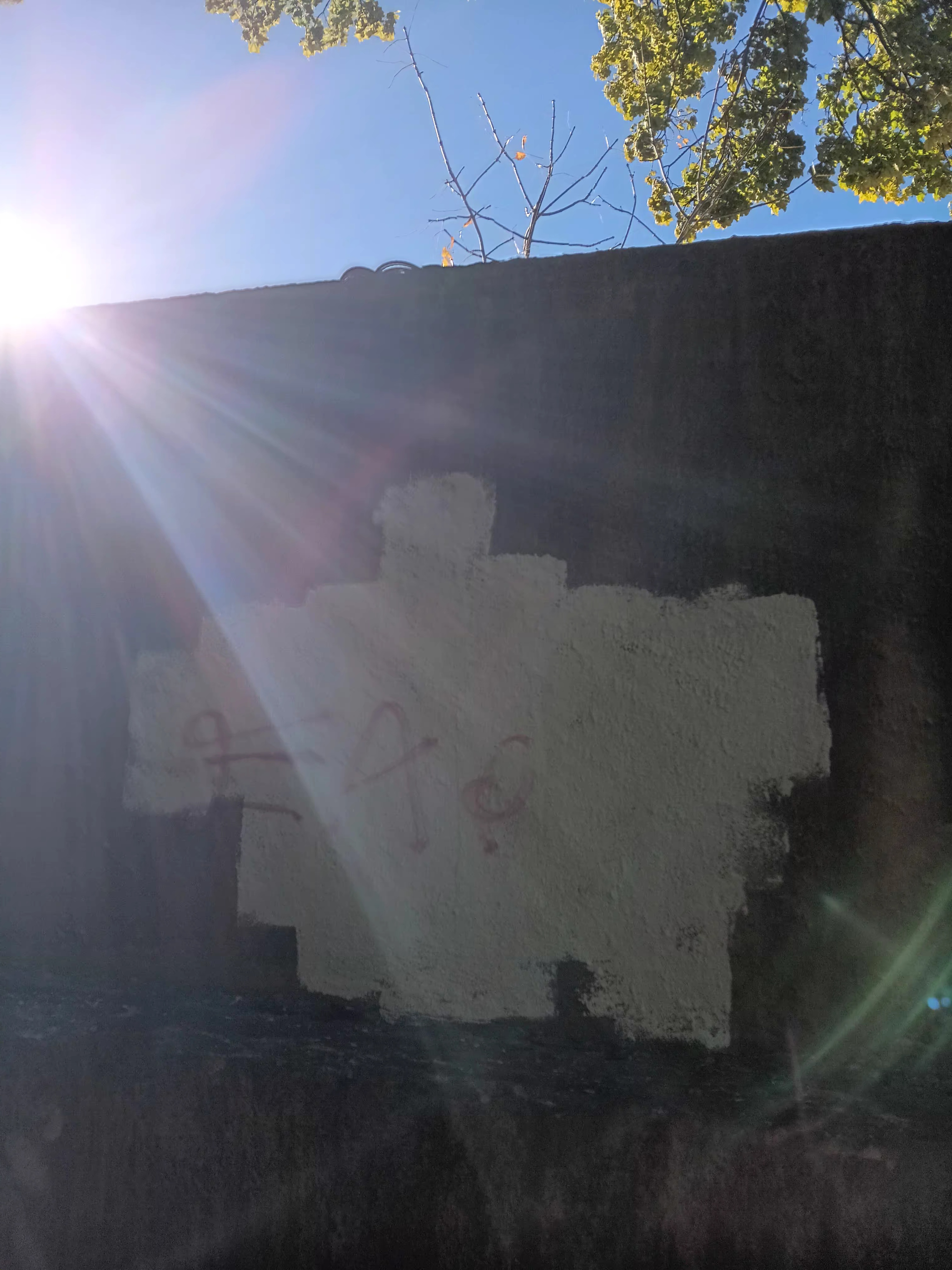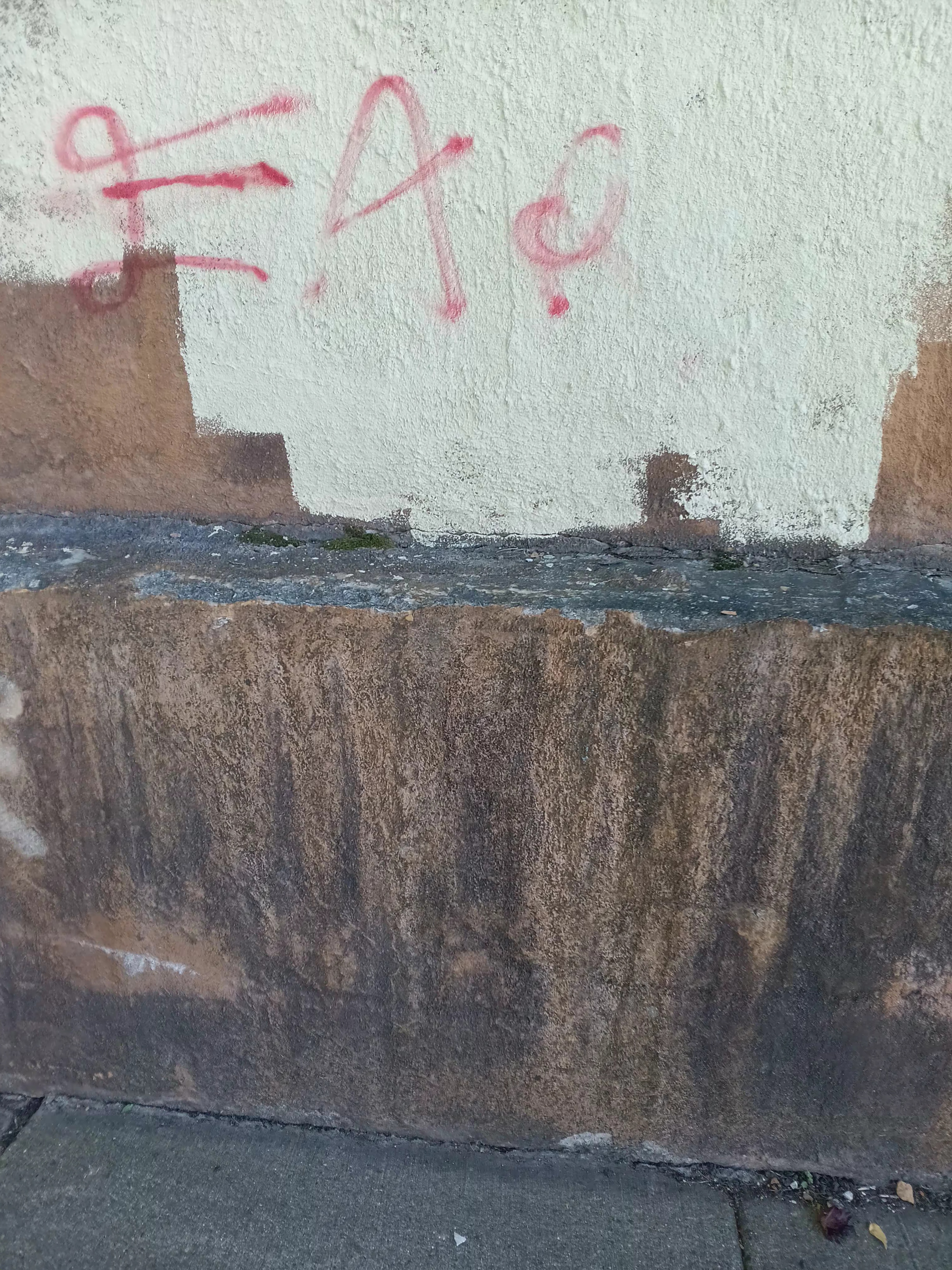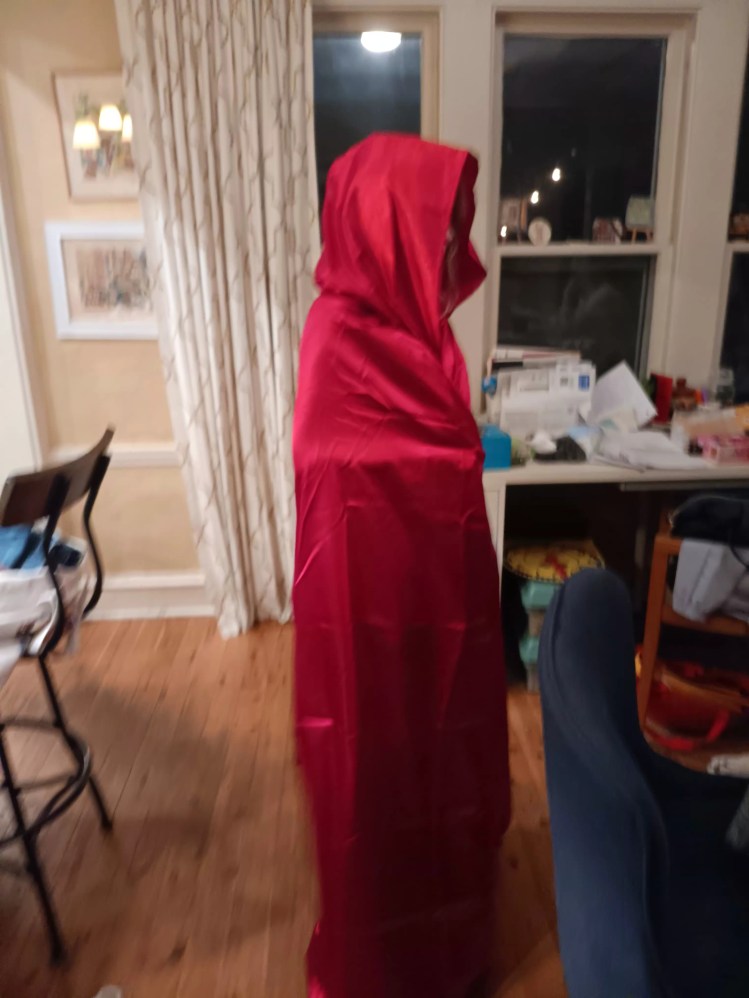
Heard They Died by Christopher J Ananias

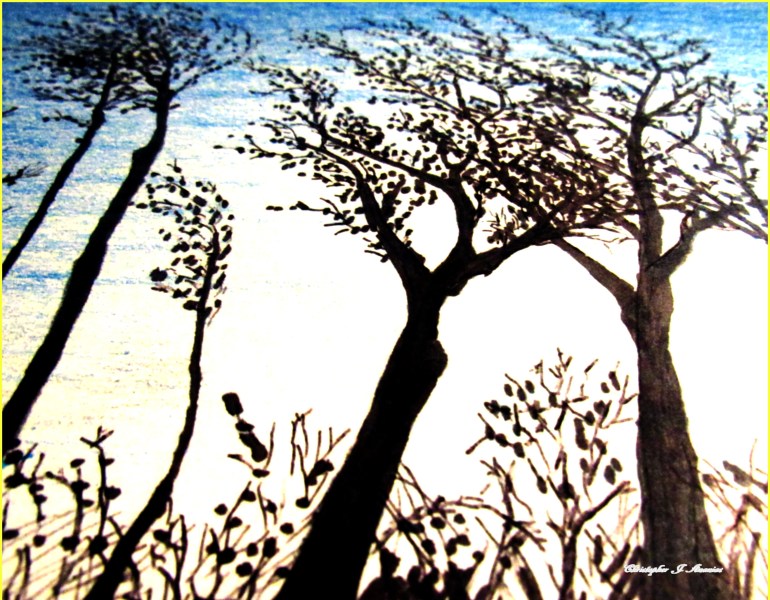
                                                                                                                                                                                                                                                              (Happy Halloween–And for you we have a special work by CJA, including wonderful art by his own hand–LA)       
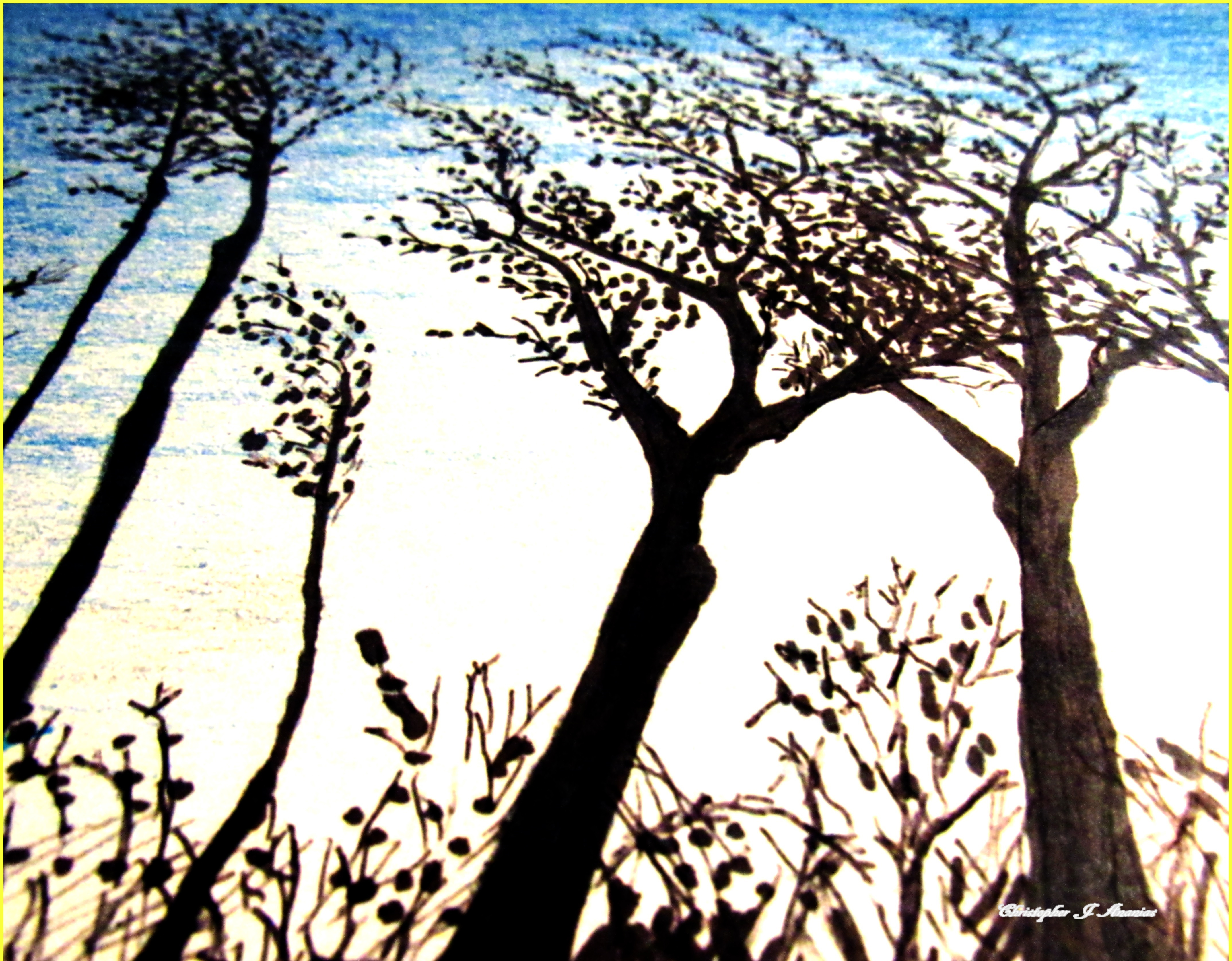
Heard They Died

You heard that Rhonda died. Another Facebook message from your cousin, Sam. You didn’t even know she was sick. Wasn’t there a friend request from Rhonda still flapping in the electronic breezeway that you never accepted? Why was that?

Remember all those years ago, like looking into some bright, hazy kaleidoscope. When you walked with her around the blacktop oval, floating along on one of her pills and her presence. Rhonda smiled her full-faced, dimpled grin and said, “You swing your arms.” Funny how you remember her dimples.

Did Rhonda’s dimples show when she died? Did she make fun of the hospice nurse’s big rear end? And said, “You swing your ass when you walk.”

Why does your cousin always update you on Facebook about who has died? There’s a dread from his contact because he has become the harbinger of death. Still, you are glad to hear from Sam, because he is the only one from “up North” who even knows and barely cares that you are alive.

You haven’t heard his voice in ten years. But what if he is like the others “up North” and you have his intentions all wrong. Is he waiting to tell everyone you died? And who will tell everyone that he died?

The last time on the phone Sam was “Hot” because you didn’t tell him your mother died or about the funeral. But you weren’t on Facebook then, didn’t have his current phone number, and you moved away—you didn’t even know where he lived. You thought your insane brother would notify him, but of course he didn’t. The insane brother was too busy being insane, which makes sense.

This brother refused to have a picture taken with you and the other two siblings, who flew in from the great western states. He claimed something about natives and frozen spirits. But he took a picture of your dead mother in a rented casket at the funeral home, and while tilting his phone so you could see the ghastly picture, said, “You want one?” Now he’s dead too, and he didn’t even have a service—just an online shout-out. You’re not one hundred percent sure the ashes the crematorium mailed to you are his ashes or even human ashes.

Isn’t it sad about the death of classmates or even a one-night stand? You never heard from what’s-her-name again, but you tried. When you got horny and pounded on the door, and she said, “Go away!” What was her damn name? There was no time for names or even a cigarette. Because after you came inside her, you rolled off into your boots, dropped a “Thanks,” and left. Time has changed her name to something watery, like April or May, but not June. You know she is not, June.

How did your cousin know about her?

These deaths remind you that you are only a hash mark between two numbers. Maybe that’s all you’ll ever be. And what of these whispers on the wind, falling leaves, falling stars, dying suns, and dead animals on the road? What have they been telling you—your whole life?

Now it’s time to think of your own impending death. It’s all you really think about, anyway.

There’s a doctor who traded sex for drugs and can’t prescribe narcotics now, but you like him anyway. You say, “I thought you had a beard?” You are always saying things to twist people, so you can be SEEN…

Boiling up from the silent bellows of insignificance, bestowed upon you every day—dying henceforth—unto the funeral parlor’s last parade.

He turns, surprising you with a whirl of his white doctor’s coat. “No, I’ve never had a beard,” as he leaves you with the colonoscopy results.

Out in the parking lot, a family of Canadians stroll by. You know they are Canadians because of the red maple leaf on Mama’s T-shirt. Her babies waddle behind her single-file. Mama honks and hisses at you. Like she should, after all, you are staring, and a human.

“It’s okay, Mama, it’s all good,” but is it? Then it rains, and you are alive.

END

Christopher J Anainas (Including the Artwork)
Saragun Springs Presents a Small Circle of Purity

I used to be one of those people who hated it when they could not understand the words to a song. But after a lifetime of it I have come to an understanding that often it is the emotional sound in a voice that is the lyric. It creates a mood and as you will see in the clip I’ve added that mood can expand and sweep up a certain type of mob.

Nirvana was like that, well Cobain was–he deliberately aimed at what I mentioned earlier. He was an extremely wonderful human being when you dig into the things he said and tried to say. By wonderful I do not mean he visited sick kids or picked up strays (though he may have done those things), I mean he was fascinating to read in an interview. He was so unlike the people around him and it makes sense he could not live long. Scarcity does not always mean special, but in his case it is the truth. Frankly, I find the Foo Fighters as artistically relevant as a half rack of diet Pepsi.

I loved the energy in punk music, which later became grunge and probably still exists more in the truly outlaw country we have along the fringes of the form than anywhere else. Personally speaking, I have all the respect for the Sex Pistols as I do the Monkees. They were built, designed and produced. Funny thing is all the members are genuine human beings and I do love that fat guitar sound they had–but like Johnny Rotten finally had to say “You ever get the feeling you are being used?” Punk was not as much as an expression of truth as it was disgust for what the kids were being told was true, as their world decayed all around them.

I find there was more truth in bands that never blew up but were known. X is one of those (still going in an off and on sort of fashion) and so was Husker Du (which was named after an educational board game, the words are Danish meaning “Do you remember?”–the band added superfluous umlauts over the vowels, which I’ve forgotten how to make on this keyboard). The guys in the band did not assume the punk look. Oh hell no. The singer looked like he drove a beer truck, the bassist had a great Deadwood mustache–Only the drummer (who died a rocker’s death from cancer caused by several addictions) bore resemblance to a rocker, and even there he looked more like a roadie than a performer.

Back in the 80’s punk bands did ironic covers of 60’s songs. But I do not think that was the case with Husker Du’s version of the Byrd’s “Eight Miles High.” The emotion that flies from the threesome is a powerful thing and it is especially keener when you listen to the studio version on headphones. For a very long time I thought that the name of their song was coincidental to the Byrd’s one. That is how different they are.

I believe art is a localized magic like love. Both can exist only in small spaces but they do they are the gretest human creation. Most people are horrified by the Husker Du version of the Byrd’s classic. I guess that’s called gatekeeping–we are so into labeling stuff and each other. The keepers may have conveniently forgotten their parent’s reaction to that “hippy shit” they were listening to in 1960-whatever. Or maybe they were protecting something very dear to them and that any alteration by the future was a call to arms. Things usually go better when people try to understand, but since that is hard to do, anything ranging from cheap meanness to ugsome patronization takes its place.

Regardless, there are times when art does not need the words to get across, yet the circle is small and the resistance is immense. And in that small magic circle, stood I, when the world was just as old as ever but I was still fairly new.

From 1987 I present Husker Du performing “Eight Miles High” in Nordic weather that, as a northwesterner, I am very familiar with.

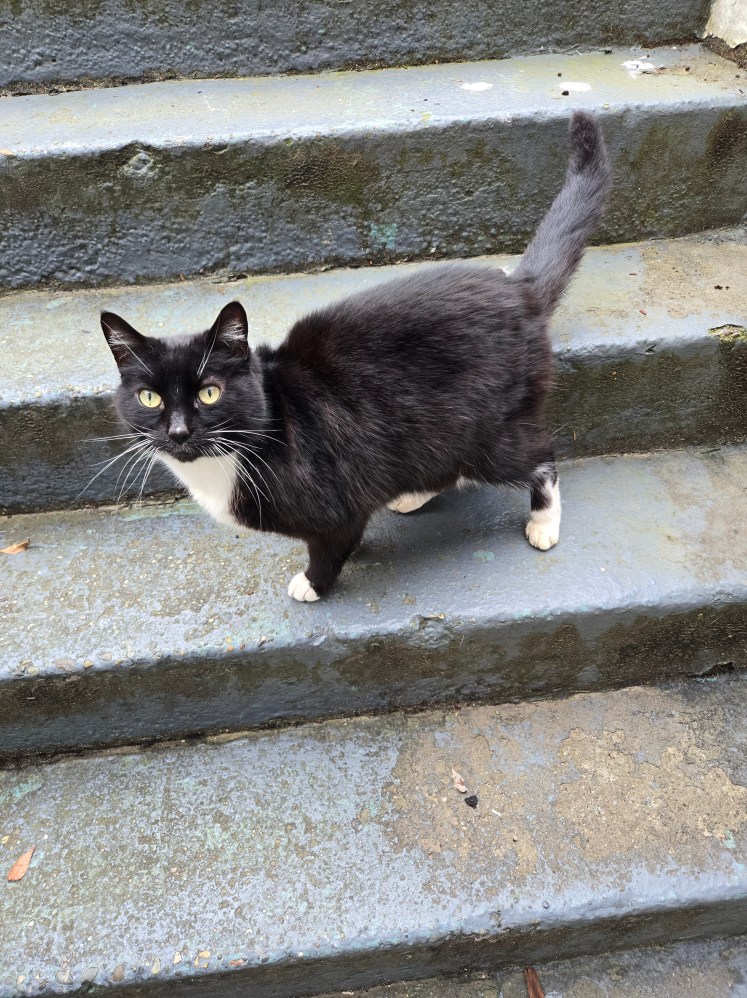
(Image is of Alfie, truly a Punk Rock Cat)

Leila

Listen by John Grey

(Today we conclude our latest run of work by John Grey. We hope to see more of John and his poetry soon–LA)

(Both images by Christopher J Ananias)

Listen.
The air vibrates.
The sound you hear
is an instrument
with four strings, four notes, only.
And each of them is stretched
through leaf vein,
wildflower stalk,
the sap of tree trunks.

Spring, summer, autumn, winter –
the melody returns,
year after year after year,
as faithful as the moon, the tides,
as ancient as the turning earth.

Only we, wandering listeners,
argue over the player.
the maestro of the seasons.

Is it the wind, the trees,
the invisible hand of time,
or something deeper, vaster?

Dispute all you want.
But keep your voice down.
Listen.

John Grey

REMY AND JULES IN THE CITY by John Grey

(Header image by Dale Williams Barrigar)

Remy and Jules – that was their names.
Or Remy’n’Jules when people said it.
This dive bar, Andy’s was their hangout.
They had nothing and they laughed about it,
uncorked the cheapest wine in the place
with such flair, like the bottle held
some fabulous Paris vintage.
They convinced themselves
that it would pour forever,
or at least until the next train
rattled deep below,
shook the bottles and the stools,
reminded them they had to be elsewhere.

Like under the overpass –
which was not romantic, except it was –
they said well, at least we’re alive,
Sure thing. Why not?
Wasn’t existence some kind of party?
And weren’t Remy and Jules om the guest list?
So why not stay for the company,
for the sunsets, for the river, for the traffic,
for the way the fading light hit the concrete,
so winsomely, so precise, it felt like grace
left out for anybody
who just took the time to look.

John Grey

MY LONG DAY AT THE MUSEUM by John Grey

Another saint with halo firmly fixed to head,
a baby Jesus in a manger,
two more warmly held in the Madonna’s arms,
the head of John the Baptist on a plate,
the stoning of a martyr,
and that’s only in the first gallery.
From one door,
a despairing Judas beckons.
Through another,
on the far wall,
t’s the parting waters of the Red Sea
opening up a path for me.

I spend an hour or so
with miracles, parables,
crucifixions and resurrections
before moving on to dour Dutch businessmen,
flattered royalty, English landscapes,
French nudes, American presidents,
women with guitars growing out of their thighs,
drooping watches, splatters of paint,
blocks of color and soup cans.

Four hours in the Museum:
I begin my adventure
as loving, beatific, as otherworldly as a saint.
I end it as metallic, as bland,
as predictable, as a soup can.

Four hours in a museum
is a life.

John Grey

(image by Dale Williams Barrigar)

IMMERSED IN A GREAT BOOK by John Grey

(Note: We are pleased to publish the return of John Grey over the next four days. We feel that pleased will be the consensus-LA)

The wind was a wild jouster
taking on my unarmed house.
Blow after blow, thudded the walls,
shook up the foundations.

But, but bent into my book,
I continued unafraid
Forgive my pun,
but the novel blew me away.

The house was shouting
but I wasn’t hearing.
All the lights flickered.
And that I did notice.

But I turned the pages,
read top to bottom,
as secure in my coziness
as the flapping roof was not.

That storm whipped and raged
and yet my concentration
was unscratched,
my immersion kept its scalp.

In the ruins of suburbia,
I was far away.
What happened all around
failed to find me at its center.

John Grey

(header by Adam Kluger)

Poe’s Bloody Initials: An End of October Essay by Dale the Drifter

“Detachment is greater than love.” – Meister Eckhart

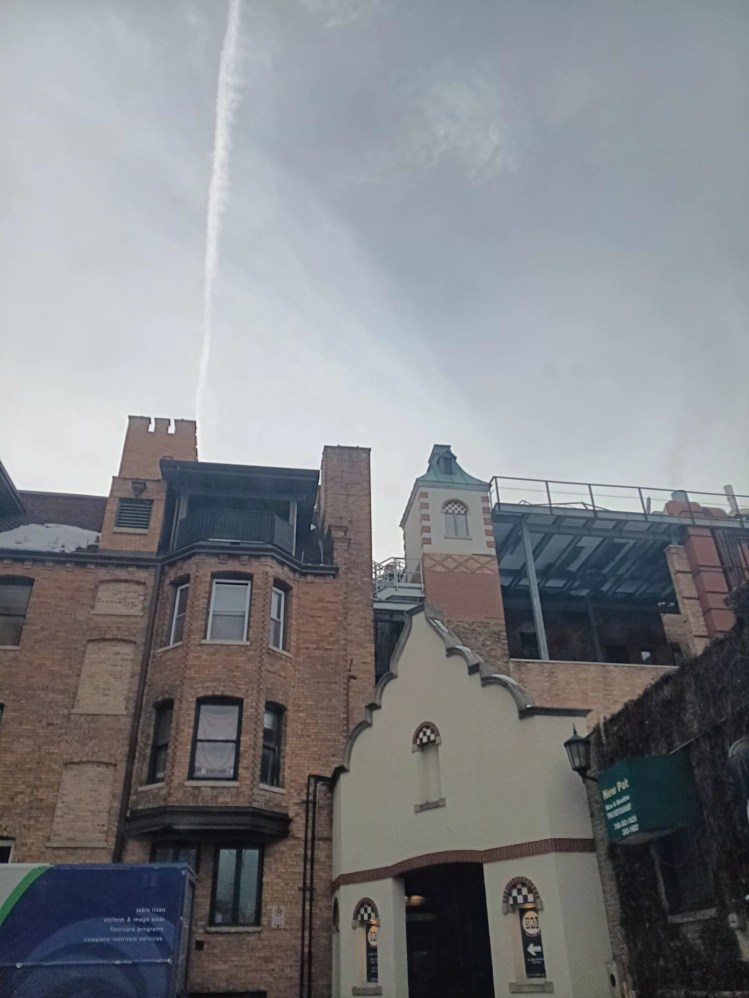
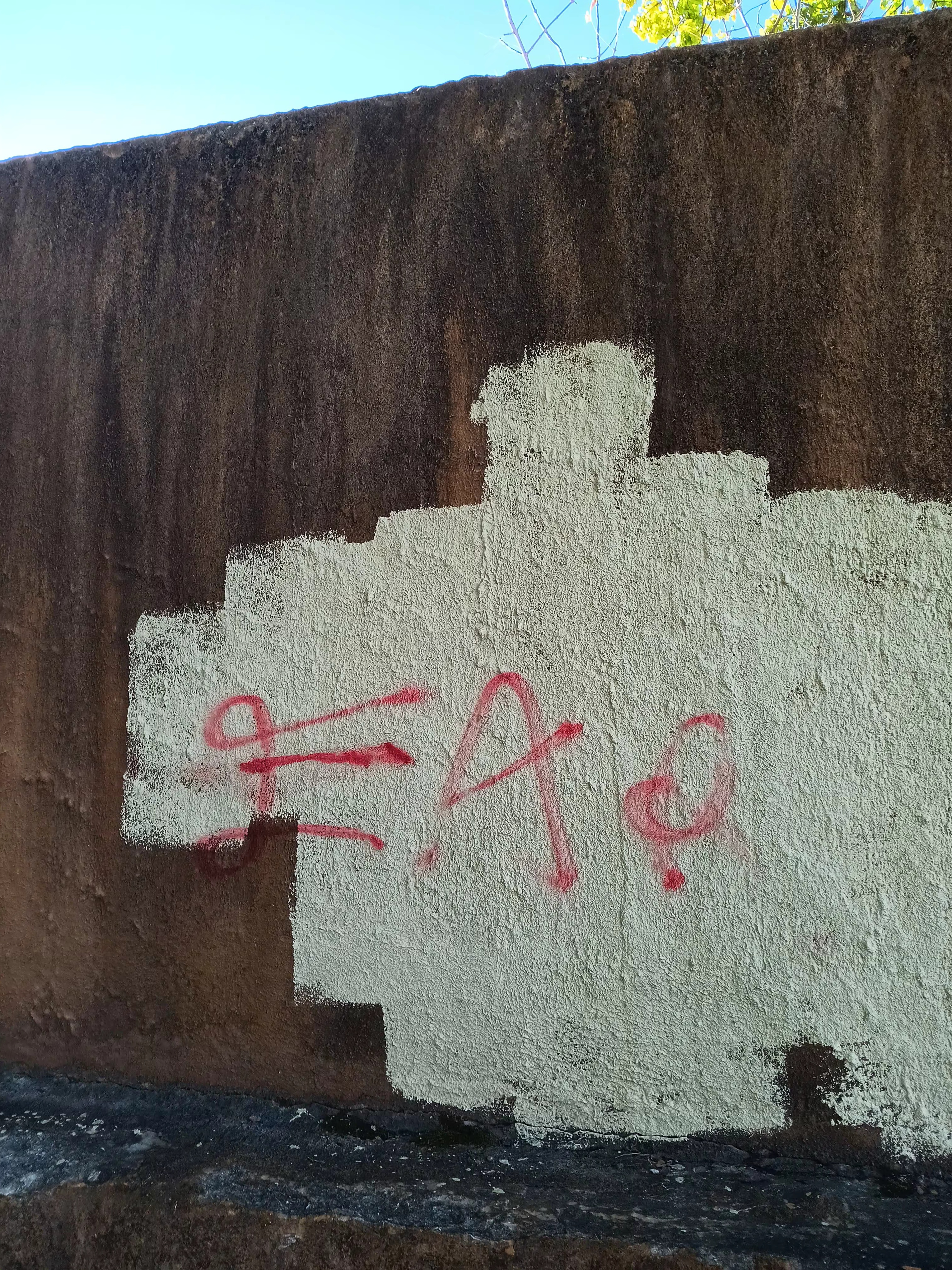
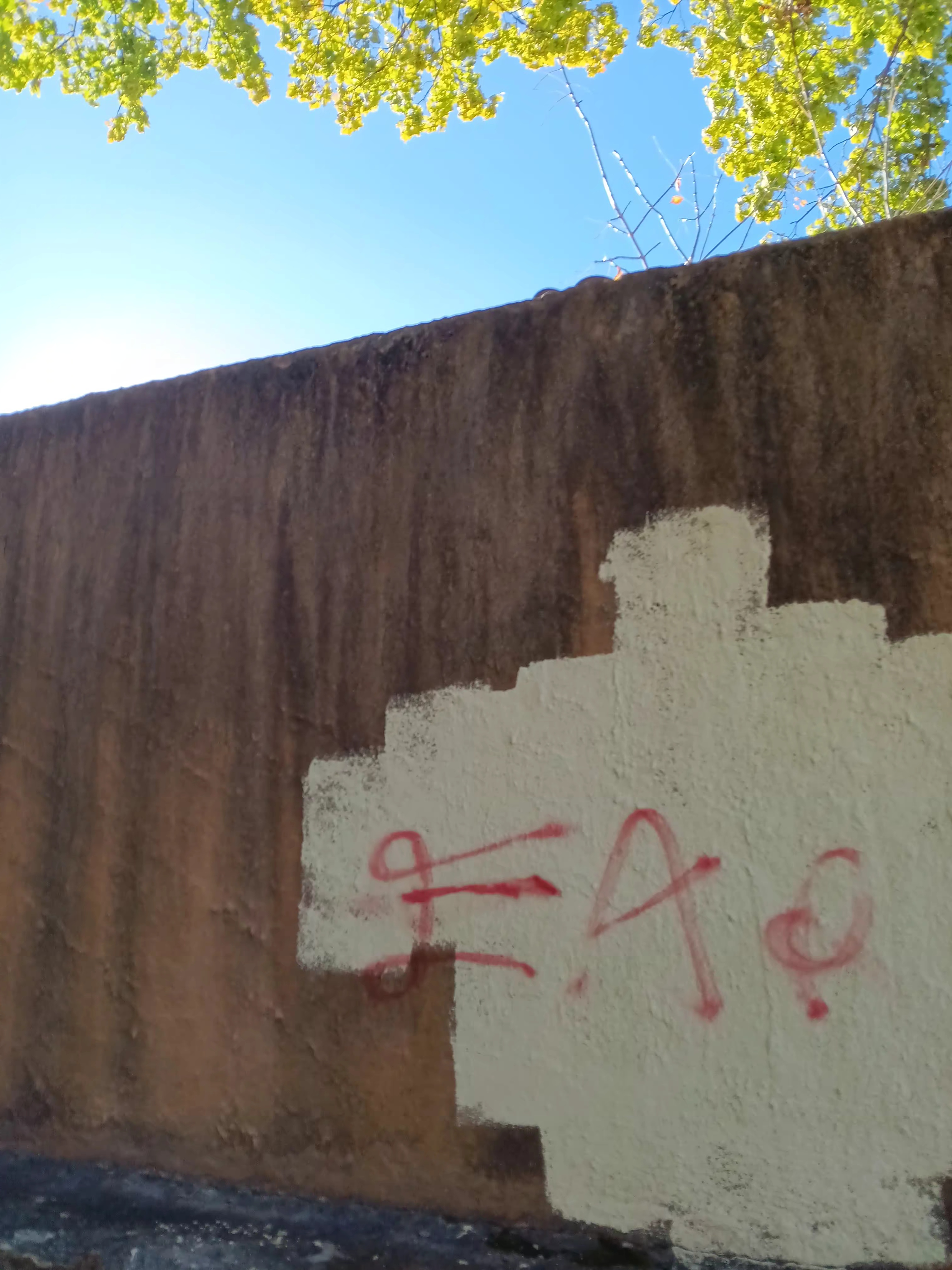
For a moment I imagined that Edgar Allan Poe himself, or one of his desperate characters, had scrawled the initials I saw in human blood across the worn-out concrete wall of the abandoned factory on Harlem Avenue in Oak Park, Illinois, USA, in late October 2026.

And to me, this abandoned factory looks as if it really is haunted.

A kid climbed to the top of the highest metal tower, slipped, fell down all the way, and died on the spot. Others, too, have gone into the Great Beyond here.

The imagined mental scene about Poe desperately writing his own initials in blood on a concrete wall had the force of a personal vision and was not planned by me at all, which is of the essence of a “vision” (a fancy name for sudden daydreaming); it (the vision) came on its own, overtly spontaneous, and was gone almost faster than it appeared.

But it had caused enough of a shock wave that it left a resonance, or a ripple, behind. The mind, in the contemplation of imagination, held onto the scene and the image of the vision for a little bit even as the brain readily moved on to wonder who really had written it there, what it really meant, and decided it was time to move on down the road, etc.

This is what Oscar Wilde intended when he said that ALL ART is “perfectly useless” (he was looking at it from the practical commercial English side of things). And this is what William Carlos Williams called “contact” with the world.

It is also what James Joyce called an epiphany; and what Wordsworth called “a spot of time.”

It is an internal happening virtually unseen by the outside world, the kind of thing that is remembered for a while (sometimes a long while) and then repeated with (seemingly infinite and possibly eternal) variations.

And this is what life, at its core, IS, for some of us more than others.

Everyone has the same potential. (The Universe is a great leveler.) What you choose to make of yours is always up to you.

A free (a very free) imagination is the very first thing that keeps us sane, and human.

Without it, all is lost.

And you have to fight to keep it free.

Dale the Drifter

(Images provided by Dale the Drifter, who also made another fine music selection!)

Loving One or From the Battlement: micropoems by Dale Williams Barrigar

Please don’t tarry!

Hurry to where

you’re needed, rush

as much as

you can toward

where I am.

…

Too many here

are plotting to

steel me. Help me make

their evil bleed

into the sand.

…

The jailers would

love to see

me

dashed against

their gates.

…

Lead

me far away

today. Help me

give their nasty

non-intentions the stake.

…

Their mundane conversations

create such deadly

mistakes.

…

The bells have had

it now, are done, and dusted,

and have died,

but maybe there is

still time.

…

Fast, Loving One.

Rapidly hover

above me now,

Coming From Above Me One.

…

Unload their soul

blunderbusses

and vanquish their

crucifixion dreams.

…

Real Poetry is contact invisible.

…

Real Poets are invisible.

(Even when

semi-visible).

…

Dale Williams Barrigar (images by Dale Williams Barrigar)

Bob Dylan: Music Critic and Historian by Dale Williams Barrigar

Today, of all days, the poet who sometimes goes by the name of “Dale Williams Barrigar” does something that is very much against his own better judgment in every single way he can possibly imagine as he presents a brief documentary film by someone else, a practice that is and will continue to be exceedingly rare in his case, which goes to show that when it gets done it is of the utmost importance.

But just remember that Oscar Wilde said truly great writing is never “important.”

HOW this short film of fourteen minutes is made is not what is at stake, although it is made well enough in a functional way.

The CONTENT, or WHAT IT IS ABOUT, is what matters here.

And it doesn’t matter whether one agrees, or does not agree, with Dylan’s specific choices for six of the worst bands of all time in the modern era.

What matters is WHY HE DID AND DOES NOT LIKE THESE BANDS, and what this critical/intellectual judgment says about Art in general (not just these particular bands. Anyone who only focuses on these bands and whether Dylan is right or wrong about these bands is missing the point in a limiting way).

Dylan is not just a songwriter, singer, musician, band leader and music producer. He is also the greatest living MUSIC CRITIC and one of the greatest living music historians alive now or ever alive.

His paintings are okay, his movies are so-so (or bad), most (not all) of his prose and prose-poetry probably falls into the category Harold Bloom roundly dubbed “period pieces.”

But as a songwriter, singer, etc., Dylan is in a very rare category where only the greatest of great names can be mentioned alongside his without their paling in comparison, drastically. I will limit myself to three.

Muddy Waters. Hank Williams. Willie Nelson.

None of these four can sing well in a traditional way; and yet they are and remain four of the greatest singers (not just songwriters) in American music; because of their range and intensity, for starters. (People also thought all Van Gogh’s paintings were incoherent messes by a possible madman and then just a madman, including The Sun Flowers, Starry Night, the Self Portraits, and all of them.)

Just because everyone cannot be on Mount Rushmore does not mean we should all stand there angrily at the base of the mountain attempting to hurl rotten eggs at the faces of the four great Presidents. (There should ONLY ever be monuments to people like Presidents long after they are dead so time has had its chance to tell.) We cannot all be the greatest of the great but we can all learn from (aspects of) the greatest of the great, whether it be Presidents or Artists. And extended contact with prior greatness (and then full digestion of same) is the absolute only way to become great in any of the human arts, from politics to poetry (or even war). The Arts are not for the faint of heart and they are not a sandbox hobby. The decorative and the sentimental “arts” are never Artistic even if they are fun (the decorative and the sentimental are casual and Art is serious, especially comic art). William Faulkner said every great artist is HURT into greatness (in a million different ways, not only in one way. THERE IS NO ONE WAY OR ONE REASON FOR ANYTHING, EVER). There is humor and affirmation involved, but in the beginning (and the end) the Arts are all about pain.

One of those pains is having to live in a world thronging with horrible music. (It has never been like this before and not even close.)

END NOTE: When this short film talks about the Grateful Dead it neglects to mention that Dylan also credited Garcia with saving his life (literally), a fascinating tale unto its own right.

Dale Barrigar Williams (Images by Dale Barrigar Williams)

Vampire Girl with Green Eyes: micropoems (and Images) by Dale Williams Barrigar

Raw and rumored, ready and real

I saw

a gold feather

in the Grand Canyon

floating down

toward the invisible river

for the last time.

…

And I was

seeing

the gold shadow of your

long eye lashes

hiding your eyes

near the blue-glowing parking lot,

the wolf’s song

as it bounced

back again – I knew

your heart’s fair dream

was not gone

yet…

…

I was born

with this here

very long

and beautiful

heart in hand,

and hair, here,

dear, she said…

…

And so we are on

a magic carpet ride

ever lifting, lifting, and falling,

falling together

on our blanket

by the blues sea

under dark blue trees.

…

That summer, she said,

we lived in a mansion

on top of the green, free

hill;

it was the summer your

hair hid the sides of both of

your eyes that were

staring down so lost and

brokenhearted.

…

Birth is in the hand, she

said.

The castle and cloud moats

are mixed

with the spreading sky

mountains here

in this misty evening

valley land…

…

This fiery little red

dress comes straight

from Caledonia

all the way down, said she, who

was you.

…

Some day, she said,

in the field, so low and lone, but

up, and away over the hill,

over there,

we’ll go roving again.

…

And afterward

you and me we

did lie together then

softly a long time

in rumbling thunder

in the dream.

…

Your hair falls like water

around your blue tears,

Green Eyes.

Your blue tears

are my heartless

torn glacial seashore

weeping.

…

Unheard, still laughing…

unmake my hand

for this

last dance.

…

This is what you get instead.

Poetry and Pictures by Dale William Barrigar (and a shout out for the ever groomed Colonel)