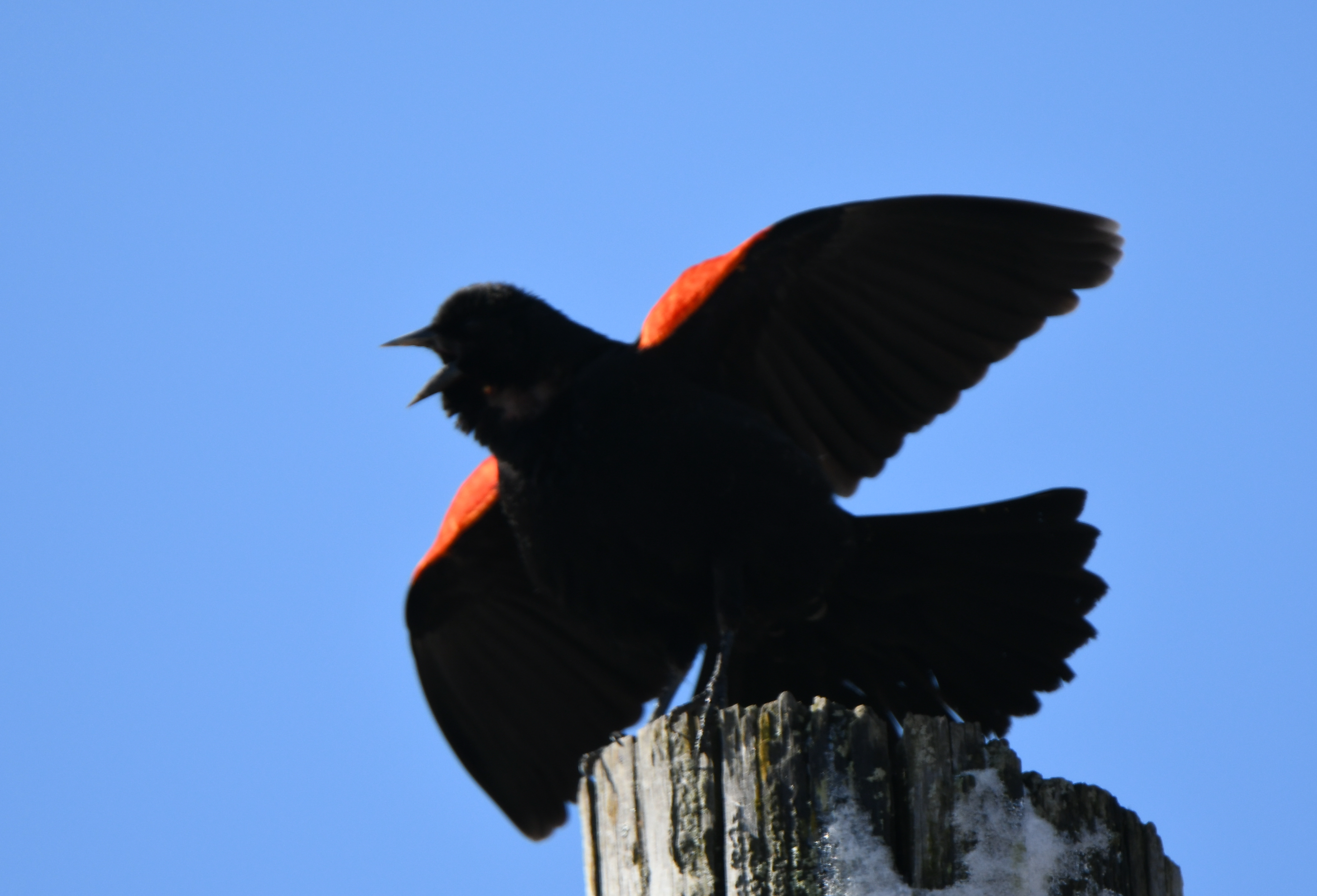
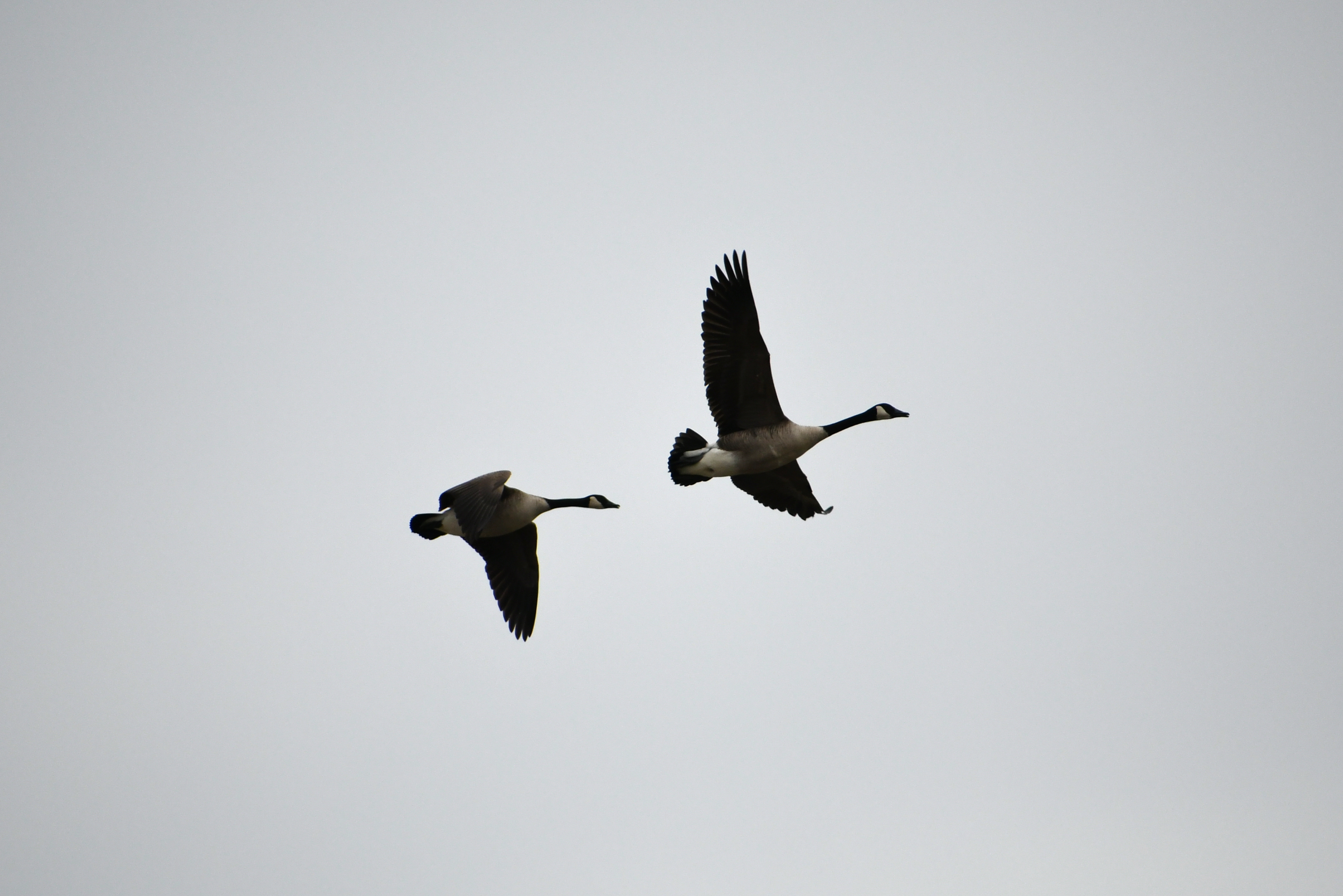
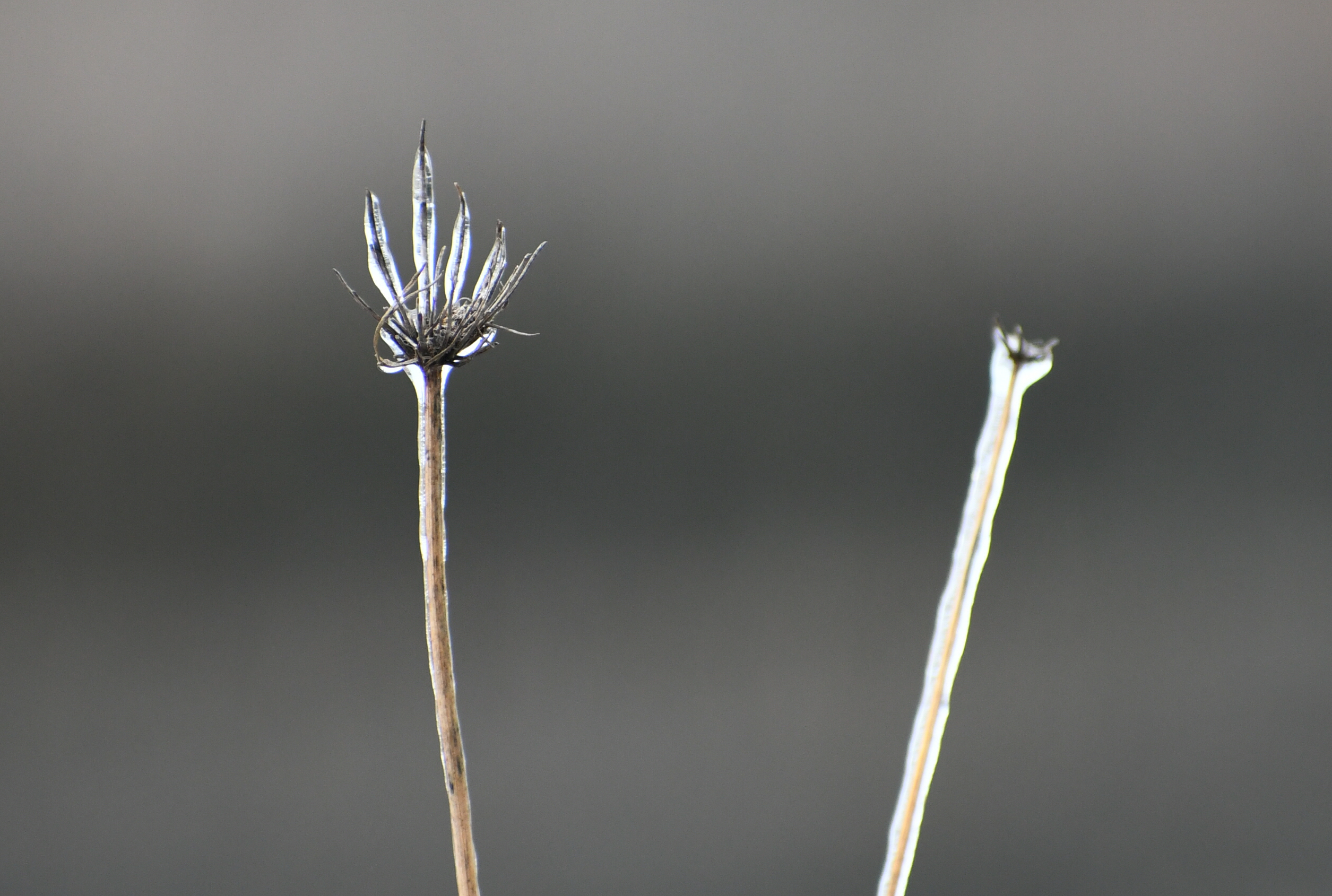
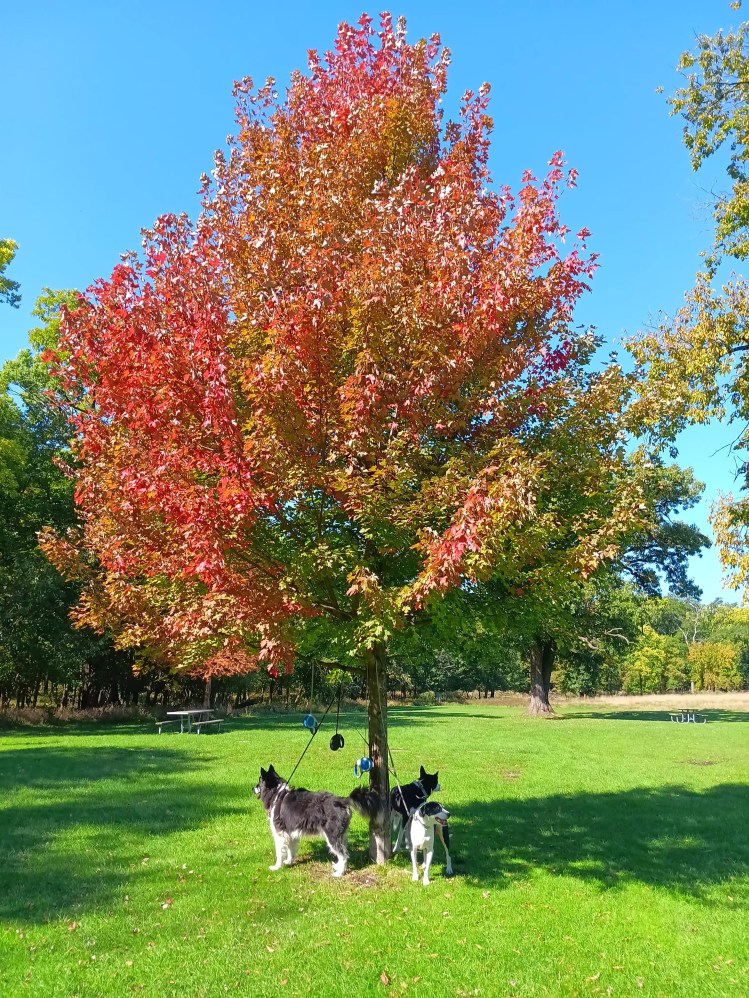
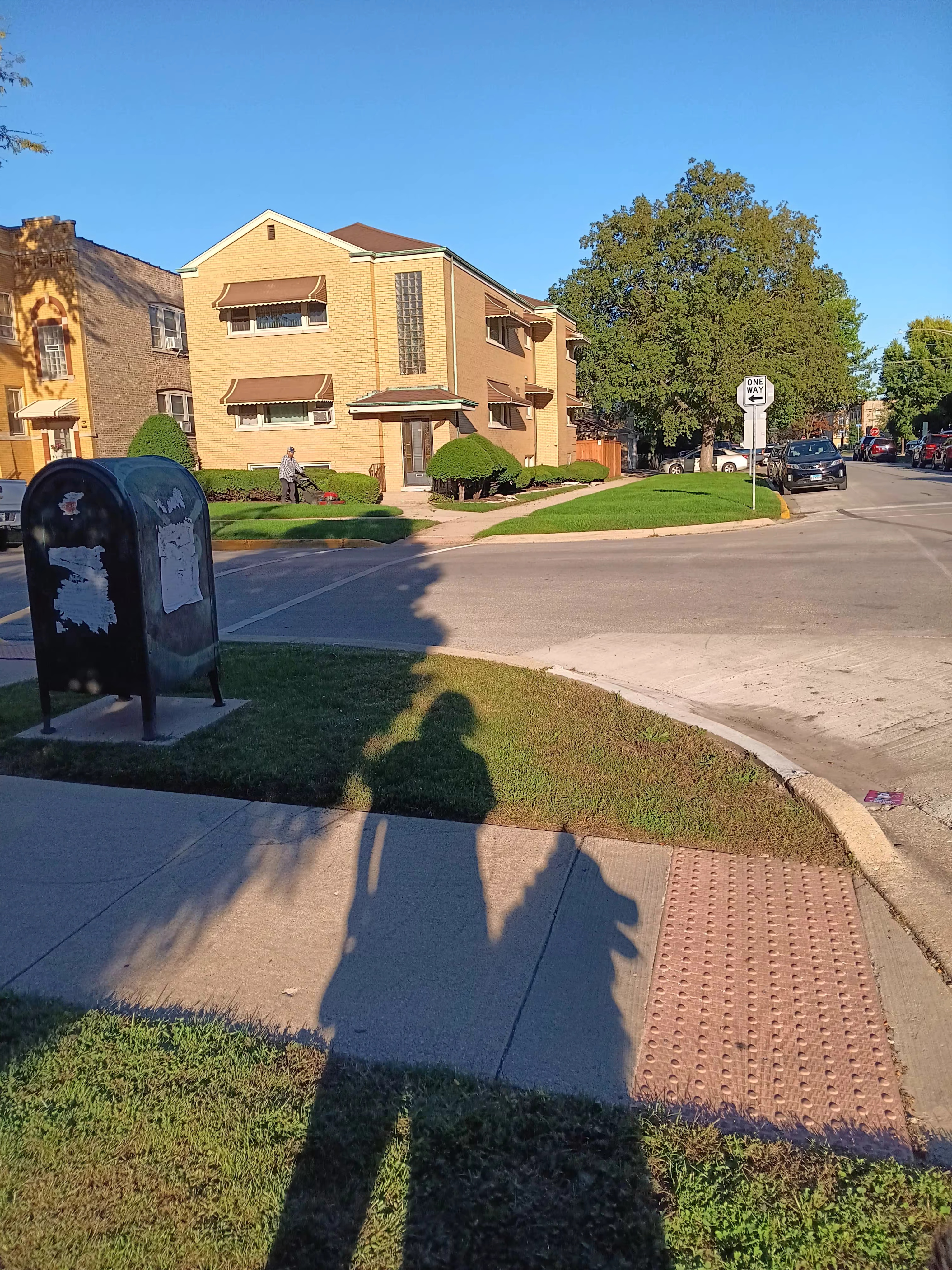
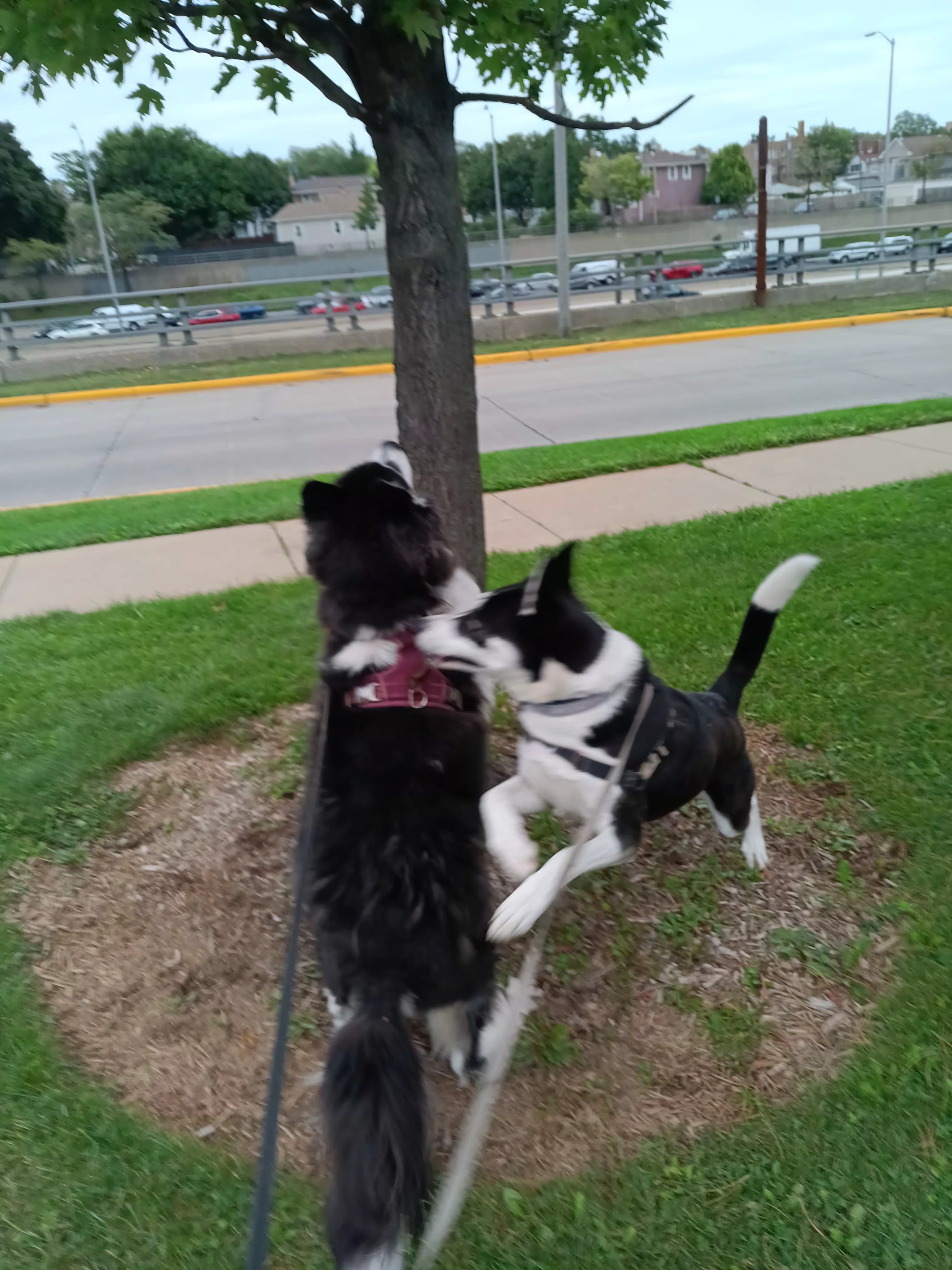
The red-winged blackbirds are the first to go It’s that time again The caterpillars are crawling A stiff wind is blowing Sounds carry farther Fuzzy milk weeds spilling in the chill Political signs at the four-way Gun shots again Midterms and charlatans Their promises—warm as ice on dead plants And they’re not coming up next year
“I write for children and angels.” – William Blake
The posthumous book THE MAN WHO READ EVERYTHING: THE LITERARY LETTERS OF HAROLD BLOOM was recently published (in 2026) by Yale University Press. It is a small, thin book, and there is no doubt that many of the literary letters Bloom wrote over his 89-year-life are not included. But this book is a representative sample, condensed and where every example has its relevance; as such, this book is like part of the gospel for anyone who loves creative literature in the twenty-first century and beyond.
Creative HUMAN literature, that is. In a world of lies and delusions, both mass and personal, one thing (at least) is for sure: the half dozen or so technical “wizards” right now who are building AI do not understand human artistic creativity, or its importance for our species, at all.
They are purely technical minds, so divorced from an understanding of real and true human, artistic creativity that they themselves are almost inhuman. THIS is why they have no problem trying to turn everyone who is now (still) human into a dollar-making (for them) robot.
THE MAN WHO READ EVERYTHING was published by Yale University Press with a grant. That means this is not a commercial book. The number of people who purchase this book will not be enough to make back the money it took to publish it. Whoever was behind this project understands that some things in the world are more important than money.
I said it was gospel. The letters of Paul (including the ones written in his name after his style that are included in the canonical Gospels) are some of the greatest creative writing that has been written on Planet Earth, any place, any time. THAT is why they’ve had such a profound impact for both (mostly) good, and ILL (just barely behind the good they have done). The surviving letters of Paul amount to a double handful; they were written for free and have changed the world more than any other human writing, ever. That is because they are WRITTEN SO WELL. (Paul’s letters survive all translations, and become new things that have grown from the old and so are part of the original source with consistent ties going back two thousand years, more relevant now than they were then.)
Bloom spent his life channeling the fact that HOW WELL something is written is the first criteria that should be considered when considering creative Literature with a capital L. Political considerations are also commercial considerations, one way or another. Any political agenda the good and true reader of classic imaginative literature brings to the material will be a highly imaginative, extremely fluid one, and it will be secondary. Rigidity of thought and purpose are not part of the highest (human) creative arts. Bending the mind and breaking the rules is what creative writing is for. Therefore, it will always be trampled into the dust by THE MACHINE, but it will never die there. It will rise from the mud like the most beautiful flowers that have ever been born on Planet Earth. This is because imaginative literature in its highest forms contains the very wisdom of humanity itself, not less and not more. So many of the greatest writers are essentially comedians in the end because this viewpoint finally transcends the tragic viewpoint. It sometimes seems heartless to make the mind rise above it all but this is what the greatest writing actually does, which is one reason (but just one reason) why it is often called “transcendent.” It strips away the delusions and shows humans what they are, what they were, and what they might become. The comic viewpoint in the highest levels of writing transcends all tragedies. After taking very deep account of them first.
In one of these letters, Bloom writes about himself: “Lord knows what I am. Not a poet, critic, scholar, historian, psychoanalyst, philosopher, or theosophist – but a worthless mélange of the gang of it.”
All creative writers worth anything in 2026 need to be all of the above, and even more, somehow. That is just one reason why it takes almost all the best of the best writers so long to find their voices, starting now, or yesterday. The complexity of the world has blown itself way out of proportion. The writer who ignores this is not doing their (or his or her) job.
There are at least 200 separate academic disciplines in the world today. In most of them, the number of experts in the world who can truly understand the real and true cutting edge of that discipline amounts to a few dozen at most.
This is probably also true for the most cutting-edge imaginative human literature right now, which is the most cutting-edge discipline there is (by far).
As such, it is a dark time.
As the world plunges down toward more darkness now, in the end the light will grow – or it will be extinguished.
“Theosophist” means imagining somewhere else (without abandoning the here and now).
“You’re soft as glass / and I’m a gentleman / and we’ve got the sky to talk about / and the world to lie upon.” – Townes Van Zandt
Getting back to nature is not what most people think it is and this MISUNDERSTANDING causes too many people to not get back to nature when getting back to nature is probably the single most important thing many of us could ever do right now.
Too many people believe that “getting back to nature” equals what Ubiquitous Advertising (and now social media in all its octopus-like tentacles and forms) has told them it is.
In order to get back to nature, you do not need to purchase expensive hiking boots and a new backpack and the right clothes and the right walking stick so that you look like you are a nature buff.
You do not need to climb Mount Everest or fly on one of “their” toxic airplanes to a “nature” destination that is filled with tourists just like you.
You do not need to swim to the bottom of the sea nor hike back into the literal wilderness so far so that you do not see any other humans for forty days or more and end up dying of starvation.
You do not need to purchase a mountain bike; do not need to buy rock-climbing equipment; do not need to buy expensive guns in order to slaughter animals with, or a boat so you can hunt down fish; nor do you need to purchase a jeep; a surf board; or a tent and camping gear, in order to get back to nature.
If you are outside right now, glance up into the sky and really notice it and what it’s doing right now; then step to the nearest green thing around you (even if it’s been made that way by humans) and notice how this green plant grows and interacts with its environment, giving back good and taking bad out (you can FEEL this around a plant if you want to). We wouldn’t be here at all without them.
If you are inside, move to the nearest window somehow and open it if you can. If you can’t, it’s okay. Study what is happening in and through the window, whether it be sun, clouds, night, moonlight or starlight or whatever the light (from the sky) is doing.
Even if you couldn’t open the window, you have gotten back to nature when you noticed (and engaged with) the natural light (or its opposite, darkness); and the natural light is always there, even when it’s combined with a human-caused light, which is, after all, also part of nature, because humans are part of nature.
If you can’t move right now, turn away from what they call “the world” and enter so deeply into yourself that the world falls away and there is nothing but self, so much so that “the self” disappears – and you realize that you have been here all along and always will be even after whatever else happens happens. (And it is going to happen anyway whether you like it or not. This is part of what they mean when they say, “Let it be.”)
Nietzsche famously wrote, “Stare into the abyss long enough and the abyss will stare back into you.”
Most people misunderstand that quotation and think it’s a negative, and terrifying, thing.
It’s actually the most positive thing one could ever hope to imagine.
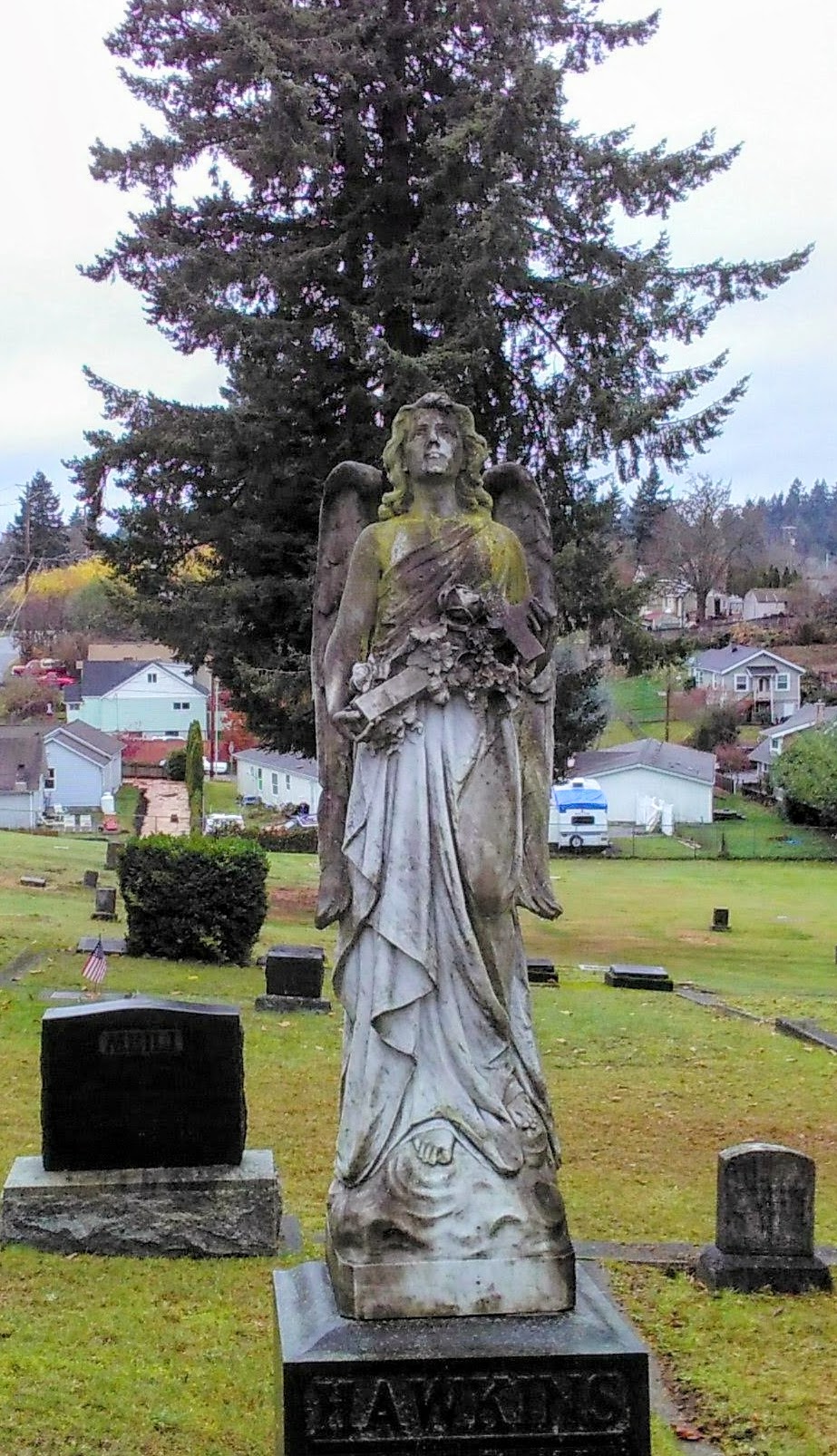
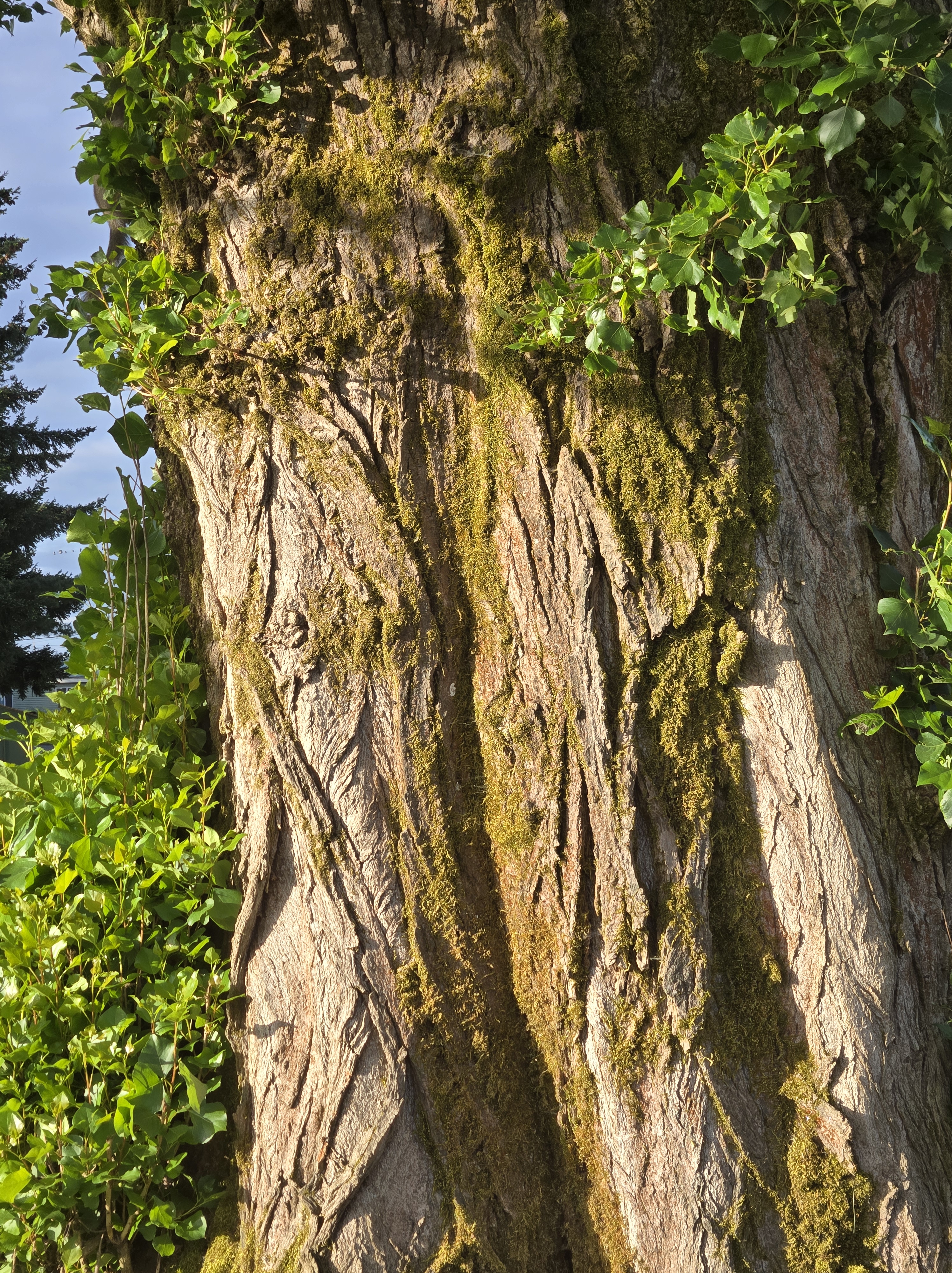
(Today we are pleased to run a collection of five poems by our friend David Henson. We have decided to depart from the one poem a day format, but instead of just shoving them out all together we have included images and the end result is quite nice. but always, it is the words that rule the day.–The Ed’s.)
Death Everlasting
A man rubs ointment
on the stub
of a new arm he’s growing.
A woman dons her levitation cloak
and goes for a ride.
Massive seawalls
gird coastal cities.
Robots do the dirty work.
Human brains braid with AI
and each other.
People live for centuries,
a boat I miss.
Polar bears prowl
the tropics after ice
reclaims the earth.
The planet regreens.
The continents touch.
A boy and girl cartwheel
on thick grass
outside their home on Europa.
Their descendants,
part human, beast, mechanical,
will live on ships
that sail deep space.
The sun burns red,
obliterates its kingdom,
my atoms chasing space and time.
The universe turns cold
or crunch.
So many things that will be,
and my death will survive them all.
(end)
The Man Who Quit Trying To Understand
My new approach
begins during a movie
when I ask myself
Why did the guy with the beard do that?
Who is the guy with the beard?
I find the film more enjoyable
when I accept
there’s a guy with a beard,
and he did what he did.
My mindset expands
to everything and everyone.
What do they think they’re doing?
Don’t care.
How could anyone believe that?
Who knows.
Are these people for real?
Apparently.
Friends caution me
ignorance is no way
to go through life.
Without my asking why,
they give me reasons.
I nod.
(end)
Jack’s Song
This here’s a little ditty
‘bout Jack, a fellow with wings.
Adriane has none,
but does have a big ol’ gun.
She tries to rob the bank
where Jack works nine to five.
When he pushes the hidden button,
cops swarm like bees at a hive.
Adriane’s trapped
and makes a hostage of Jack.
The standoff goes days,
puts Jack in a Stockholm haze.
He visits his new dearest
in her prison for the unwinged,
leaves his wife, sweet Betty Lou—
a flyer, born like Jack.
His feathers itch like crazy
when apart from Adriane,
who one day admits
she’s fallen for a woman named Pam.
Jack hatches a plan,
and gets his wings removed,
shoots a guy and gets locked up
with his darling Adriane.
Jack woos Adriane away
from that hated Pam
and plans a fairy tale life
with Adriane in the slam.
But Pam goes all If I can’t have her,
no one else can
and shivs poor Adriane in the shower
where she bleeds out down the drain.
Oh yeah, Jack’s shattered,
but life goes on,
and he starts regretting
his leaving sweet Betty Lou.
Jack knows she’ll shun a man
bound to ground like him
so he tells the warden he wants
to be winged again.
The warden says Jack, make Big Shirley
confess the murder we could never pin,
and we’ll sew some wings
back on you again.
Well, Jack charms himself
into Big Shirley’s arms,
and when she says Don’t stop,
he does—until she says I did.
Jack’s re-winged and transferred
to a flyer’s cage,
writes Betty Lou: Please visit.
We’ll flutter as best we can.
But Betty Lou is soaring
with another fellow by then.
Oh yeah, life goes on
So Jack spends the rest of his
flying alone
in a pen.
(end)
Splinters
Dreams splintered
in my father’s hand.
Those just under
the calluses.
he needled to the surface,
drew between his teeth,
spat out.
Those worked deep
into his palms,
he ignored,
carried to the factory
thirty-eight years.
(end)
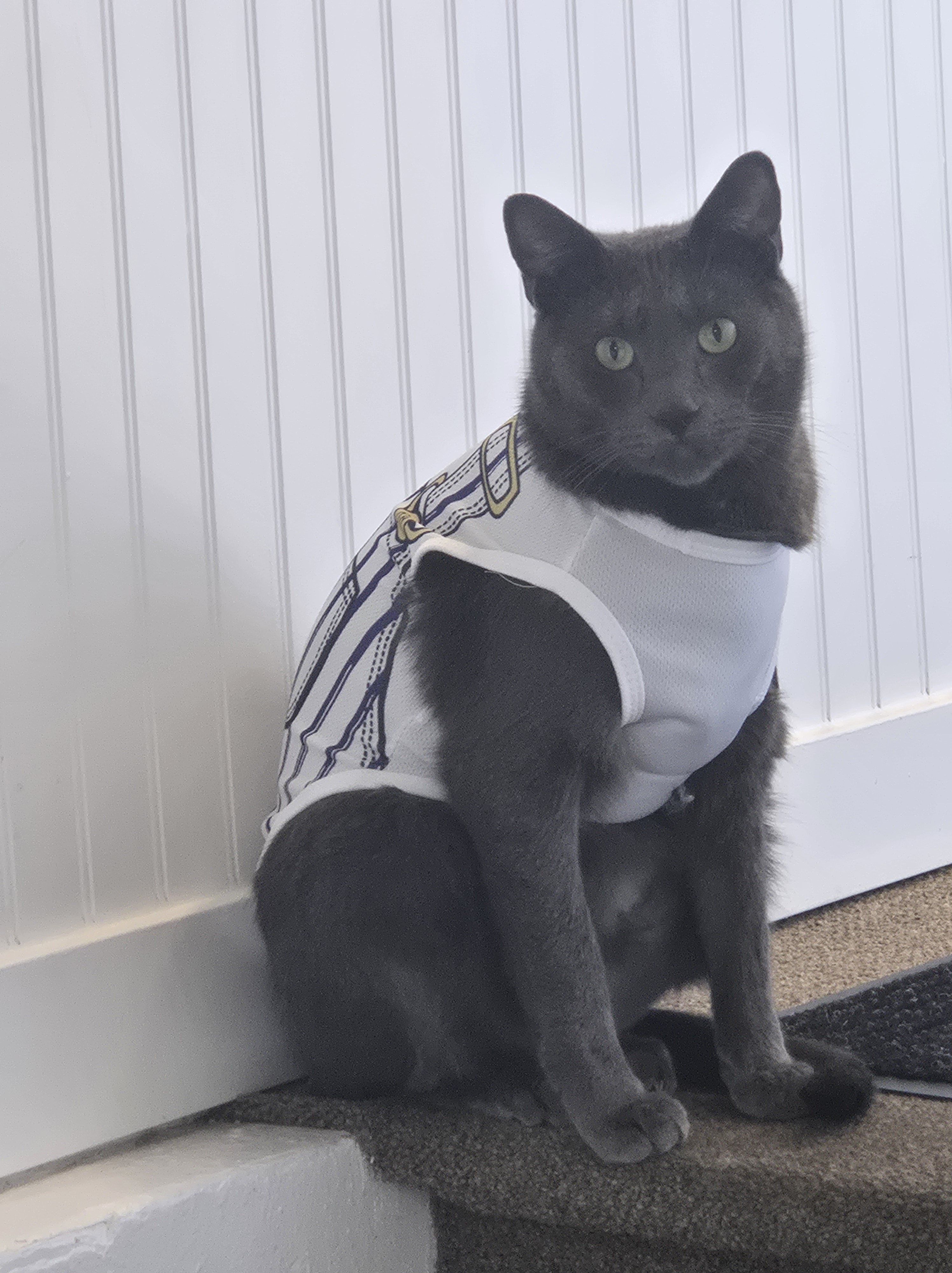
(image of Da Blues, who likes a good poem)
Mary’s Lullaby
Mary arrives at the human
resource center workshop,
announces she’s pregnant
and high-fives Big Bob.
They roar with laughter.
I contact the nurse,
who takes Mary
to the center’s clinic.
When they return,
Mary goes to her station.
The nurse confirms
Mary’s pregnancy — shocking,
he says in hushed tones,
because she’d undergone
a somewhat voluntary procedure.
When I ask what
he means by “somewhat voluntary,”
he turns heel and hurries away.
I can’t help staring at Mary.
She notices me,
makes several pelvic thrusts,
rocks cradle arms,
and begins singing.
(end)
All poems by David Henson
(images all taken in the Charleston District of Bremerton, WA)
As insane as it sounds at first (but it will not sound insane after first blush), there are a million writers (and more) who hate Tolstoy’s guts.
They sit there staring at that behemoth of a novel, War and Peace, which is two thirds as long as the Bible and Shakespeare’s complete works, and every single episodic, philosophic, dramatic word of which is brilliant, a novel whose teeming amounts of characters (both humans and animals, and even furniture, rooms, machines, weather, rocks, plants, planets) are as alive as the greatest characters in Shakespeare, and they (these writers) sit there staring at this MONUMENT of writing, and the writing life, and they hate its guts.
They hate it because they are violating the Tenth Commandment, and coveting the achievement and talent of War and Peace’s author.
But don’t worry. Tolstoy himself HATED SHAKESPEARE’S GUTS. He wrote many thousands of ridiculous words about why Shakespeare is so pathetic. Indeed, it is a literary marvel to think that a writer of Tolstoy’s talents and intelligence was unable, completely unable, to appreciate Shakespeare. Dickens and Dostoevsky, for example, considered Shakespeare to be a kind of god, literally. Dickens named all of his magazines after Shakespeare, and he sometimes wondered if he himself was Shakespeare, in his manic explosions. Tolstoy hated Shakespeare because Tolstoy envied (and coveted) Shakespeare’s talent and unmatchable achievement.
And there are many artists who can’t stand Michelangelo. They look at his statues, which have presented the human form in a more beautiful artistic way than probably anything else on Planet Earth (see his statues of Mary, Jesus, David, and Moses for starters; looking at pictures of these is more than good enough), and they look at that most gigantic of all gigantic paintings, the Sistine Chapel ceiling, and they can’t believe just one man did it all. They forget that he had ZERO social life (zero = 0!) as an adult, that he never did ANYTHING but work on his art, that he crippled himself by working so hard at his art, that most people who knew him hated his guts because he wouldn’t even say hi to them because he didn’t have time to get involved in pointless conversations that didn’t involve his art, and that he did all this and more (like rarely bathe, eat or sleep, and when he did sleep, he slept in his clothes, and when he did eat, he ate while he was working) all because he never did anything else but WORK ON HIS ART AND THEN WORK ON HIS ART SOME MORE. In his downtime, he fervently read Dante and the Bible with an intensity that fed straight back into his art. Everything for him was ART, and ONLY ART. He could NEVER have done the nearly-superhuman things he did if this wasn’t the case. He lived to be 88 in an age when that was like 110 now because he was always too busy working on his art to die, literally. (In certain ways (but only in certain ways), perhaps not even Shakespeare can match him.)
If you want to be your own kind of Michelangelo, you can’t spend ANY time just lounging around feelin’ good, except what you need to keep you going again as soon as you can – as soon as possible. (But proper rest is essential in order to survive and thrive, too.)
And there are many musicians who hate Bob Dylan and his music and lyrics. Many writers (especially in academia) started hating his guts even more than they already did AFTER he won the Nobel Prize for Literature.
They look at those hundreds and hundreds of songs (close to a thousand when you count unreleased/later-released material), so many of which are both literary AND musical masterpieces, they look at the forty studio albums all of which are at least partly great (and therefore great), they look at the uncountable numbers of demos, bootlegs, and live recordings, and videos, that are just as good as anything on the studio albums, and they want to throw rotten eggs and rotten fruit at Dylan.
ALL writers, artists, and musicians have these kinds of feelings sometimes. Because if you didn’t have them, you wouldn’t be spurred on to compete, which means create.
Contemplating a transcendent work (Tolstoy, Shakespeare, Michelangelo, Melville, Dickens, Dickinson, Van Gogh, Dylan, and Rimbaud, always Rimbaud), and absorbing it, and returning to it, is not always a matter of abject worship, or utter hatred, either, for the real artist (and only for the real artist, not the pretenders).
Sometimes you sit there trying to figure out what you can possibly do that’s better than this, or that can be in the same room with this without having to hang its head and exit in utter shame and infamy.
The boundaries of human writing are still being pushed forward (especially in the personal essay, the short story, and new forms of the novel and poetry).
As the Machines continue to take over more, and more (for now, until humanity wins, or goes down in flames trying), including many writing jobs, the importance of truly creative HUMAN WRITING gains ground every single second that ticks by.
As long as there are humans, there will be RARE humans who look for this. In ways we can’t scientifically pinpoint (which is the beauty of it all), they are (and will be) very, VERY, very much helping to keep the flame (of the human spirit) alive (more than anyone else, YES, more than anyone else, whether they be politician, technologist, or scientist, etc.). It has nothing to do with making a splash now. (It is too pure.) It has nothing to do with whether you “believe” in what everyone else calls “God.” It has all to do with making something individualistically and universally, relatably HUMAN that will survive its own time (and it will look strange at first, maybe even like hieroglyphics, “before” its time; OR it will not be ahead of its time). No less, and no more.
When you live for something larger than yourself (no matter what the actual results are, in truth), you stop caring about what the rest of them call “dying.” (Also, since we all go, does it really matter when?)
Final Note: ALL great writing is AUTOBIOGRAPHICAL, ESPECIALLY Shakespeare, the greatest user of sources who ever existed (after Jesus).
Dale the Drifter (images provided by the Drifter; song selected by The Drifter)
“What immortal hand or eye could frame thy fearful symmetry?”
– William Blake
NOTE TO READER: This is a philosophical kind of literary essay. That is why it is written in such an awkward, simple, friendly, open-hearted way. (1,000 words.)
There are enough technocrats in the world. Them and their billions and billions and billions of followers, who follow them because they follow the Golden Calf ($).
Some of these technocrats even believe that God is a computer game, and we are the characters.
These are some of the “smartest” minds in the world, in a technical sense. And their religion of the computer game matches real religion minus all of the redeeming qualities.
The world needs more philosophy, art, and religion, much, much more.
Philosophy, art, and religion are not the same things.
You need the first thing to build the second thing and the first two things take you to the third thing without you even knowing they are doing so and the third thing (which is the most important thing) continuously feeds back into the first two things, which are then strengthened accordingly, which makes them feed back into the third, and the process goes on into the future strengthening the philosopher, artist, and religious adept who is all the same one in different guises that sometimes meld with each other.
PHILOSOPHY = a mental way of living on this Planet and making it through without tearing your hair out (too many times) or hurting anyone else (as much as possible). It is a way of being, and the best philosophies do not even have names because they are so individualized and psychologically specific. The best philosophy for your life belongs to you alone and only aspects of it can ever be shared with anyone else alive on the Planet in any way. This is one reason why some of us end up communing with the dead so very, very long and very often.
LITERATURE = communing with the dead. Literature Is communing with the dead. It is not, totally NOT “canonical.” It is anything but academic. Literature itself is communing with the dead in a way that’s more alive than anything else. When you read Christopher Marlowe and get him, living ghosts are crowding your brain, including the ghost who created it all, most of all, Christopher Marlowe, who remains the single greatest creation of Christopher Marlowe, who is far more alive than most living humans are. Another reason why some of us end up communing with the dead so often is because so many of the “living” ones around us are dead. (It can be like Vincent Price in the 1964 film The Last Man on Earth.) Marlowe lived and died like his fictional creations lived and died. That is honesty.
Not all of the writers a good writer reads are dead; but the majority are. It is one of the very few known situations in life where your power increases vastly, slowly, and steadily after you are no longer here in the flesh.
(“So long lives this and this gives life to thee,” said the man who learned more from Marlowe than any other.)
ART= LITERATURE. Literature is the first art, and it started with the first meaningful grunt or groan that led to the First Word, when one human said it to one other human and that other human understood and said it to the third human and then they all understood, together. And next time, they did it again with the same sound, which was called The First Word. Now we have “language;” AND LITERATURE IS THE HIGHEST FORM OF LANUAGE. (The English language, the largest human language in the world, has a vocabulary so large it is technically uncountable.) You cannot create art without a philosophy of life. The philosophy of how to live (and how to stay alive) comes first, then living it, then saying it to someone else in a memorable way, which is literature, and takes forever to master and understand. Without a philosophy of life that comes first, you cannot create art, which takes a lifetime to perfect. The effort to live with the philosophy, then create out of it eventually (while practicing along the whole time), leads to feelings of real religion (leads to the artist becoming a religious adept), defined in the next paragraph.
RELIGION = imagining the possibilities beyond what our senses tell us in a serious, individual way. It is like a “sixth sense;” an invisible third eye; a soul feeling; something you turn to; NOT someone else’s rules; anything BUT someone else’s rules; everything that is NOT someone else’s rules, at the deepest level. Harold Bloom’s metaphor for this is “the oldest part of one’s self.”
REAL RELIGION does not involve other humans in the sense that everyone needs their own internal religion that no one else can understand or relate to or take away from them under any circumstances, and that means any circumstances. Then and only then can it be shared with any other humans in any way, including writing, which, in the end, only scratches the surface (but is enough up to a certain point; not after).
Harold Bloom called the above “a religion of one.” This turns you into a king or a queen on the face of the earth even if your pockets are empty and you have nowhere to stay; even if they have you behind bars, symbolic or literal ones (or both).
ALL THE PROBLEMS the world is having right now ARE CAUSED BY a scorching lack of philosophy, art, and religion in their truest senses. None of these things are only for an elite, they are for everyone in their own way. The theaters of Marlowe and Shakespeare were thronged with groundlings.
In the state of nature everyone is a poet but now hardly anyone knows it and almost no one acts like it. That is why the “smartest” minds in the world believe we are all just characters in a computer game.
END NOTE: In order to avoid being surveilled, all you need to do is step away from their machines. There is still PLENTY OF ROOM to do this whenever you want to – in the Americas.
Samuel Johnson said: “I would rather be attacked than unnoticed. For the worst thing you can do to an author is to be silent as to his works.”
This is true only up to a certain point in the life of an artist.
After a certain point, it is no longer true, because the real and true artist stops caring (eventually) what the public reaction is, or is not, to his, her or “their” works.
But that is not true either. The real artist never really stops caring. (When I say “artist” here, I intend “literary artist,” but any kind of artist can also be substituted, including an artist of life.)
The artist does stop caring about the reaction to their works in the sense that she or he, after a certain point, is going to keep right on doing it anyway with immense rewards to none other than The Self no matter what the public does, or does not, say. And the real artist always has her or his eye on the future far more than the present, because the real artist is creating the next step in human artistic evolution and he or she has no choice but to aim for the future in order to do what she or he needs to do. “Fail again. Fail better,” said Samuel Beckett, regarding the “success” and inevitable failure of such near-superhuman trials and endeavors that can be envisioned by internally picturing the statue of David by Michelangelo. It all sounds grandiose and ridiculous to the average modern ear (which is most writers) and that is why real artists now are so often seen as some kind of holy fools by the rest of society. (See The Idiot by Dostoevsky, especially the first hundred pages.)
The artist does not stop caring in the sense that there always needs to be some sort of living dialogue going on to create the work.
In other words, ONE Good Reader is far more valuable than a trillion shallow, crap readers who don’t understand, can’t understand, won’t understand, will never understand, and what’s more, don’t want to understand!
The first one will feed your art (and therefore your soul), while the second category will turn you into one of THEM (or worse) (if worse is possible).
Because all of this is also about the Soul of the Individual Human vs. The Machine, which is the most important World War of our time. (Everything else important falls under this category.)
“yeah, doesn’t mean a thing…so was Mark Twain, Oscar Wilde and Huxley.”
“So you don’t think the tests work?”
“I didn’t say that…but you have to admit some of the questions on those tests are a bit outdated.”
“Such as?”
“Do you see cars outside your window?”
“Well do you?”
“That’s not the point.”
“What is your point?”
“Nothing, forget I said anything.”
“Well at least we’re going to earn our money this time.”
“Maybe more than that.”
“I think this place is getting to you is what I think.”
“Hold on, (taps her ear) yes, yes…we’re ready– you can bring Mr. Brown into intake.
The three of them sat at the table and discussed goals, protocols and not much else.
Mr. Brown was given a briefcase with his name on it and other items for his use along with instructions for the event to take place later that night.
Brown left. White and Black stayed.
“Well?”
“Definitely an ENFP.”
“And?”
“Hopefully he doesn’t screw the pooch.”
“and if he does?”
“Let’s just trust in the process.”
“Back here at eighteen hundred.”
“Do you really need to ask?”
“No.”
“Then why did you?”
“Just a feeling.”
“Maybe we need to re-test you“
“Maybe.”
Later that night Black, White and Brown met back at intake.
“Well? So why are you here,” asked Black.
“Had to abort,” replied Brown.
Black nodded and closed her eyes. White’s government issued Luger sprayed Brown’s brains all over the bullet-proof intake window.
It’s not that Black had a distaste for wet work. She just didn’t like the nightmares.
“Well, that’s that, I guess,” said White.
“Yep, unfortunate business this one– and I’ve got to admit that you were totally right,” said Black as she slowly started to reach for the loaded Luger resting on her lap.