The American poet Ted Berrigan (1934 – 1983) said (wrote), “I don’t feel / a necessity for being a mature person in this world. I mean / all the grown-ups in this world, they’re just playing house, all / poets know that.”
Among other questions this beautifully plain-spoken quotation raises, it raises the question of what, or who, a (real) poet is.
A guy who (sometimes) calls himself “The Drifter” (because he synthesized Samuel Johnson’s “The Rambler” and “The Idler”) came up with an answer for this.
He broke it down into three simple parts (or things) – or requirements.
One: a modern poet cannot be, cannot be, CANNOT BE, a cheerleader for The System, not matter what system you mean.
The modern poet MUST BE, must be, must be, an outsider; in one form or another.
Wallace Stevens was a married insurance executive with a kid (and a house) and he still managed to live as one of the most profound lone wolves North America has ever seen. And when it comes to lone wolves, America is second to none.
Secondly, the poet must have an original vision. Many poets have been literally blind, starting with the very first known and named modern poet (in the West) of all, Homer.
Their inner visions were so intense and so original that they lost their outer sight.
That is what the Homeric myth of outer blindness and inner seeing really means.
Next, the poet must be able to say what they see.
Not to a billion-plus people all at once. Once it gets to that level (or even a million) poetry has turned into propaganda. Donald Trump used to be able to give some wickedly effective “poetry” readings about immigrants being snakes. But these readings were propaganda in the form of (simplistic) poetry; they were not “real” poetry.
The poet must be able to say what they see that no one else sees.
BEING A POET HAS ABSOLUTELY NOTHING TO DO WITH USING FANCY WORDS OR “PRETTY” VOCABULARY (although almost all good poets have a wickedly large vocabulary).
Real poetry is about ELEVATED LANGUAGE and the circumstances that rightfully call for elevated language; and that does not mean elevated language is pretty.
Elevated Language is often harsh; very plainspoken; savagely angry; obscene; heartbreaking; hilarious; haunting.
Elevated Language is always intense, but very-much oftentimes, intensity comes in a whisper.
Much or most of the best poetry is AWKWARD, at least until you get used to it. (Awkward, NOT “pretty.”)
And its intensity is often calm, quiet, whispering, mumbling, clipped, pungent, brief, startling, something on the wind over the waters: memorable.
Marlon Brando mumbling on screen in some of his best roles is kind of like poetry. He can do it so well you don’t even know he’s faking it: maybe because he wasn’t (quite) faking it (he was bringing it up from a real place inside himself).
An outsider with an original vision who can communicate that vision to at least one other person in words because the right words make you think and feel more deeply, privately (not publicly): that’s what a real poet is and what real poetry (and who a real poet) is.
The Editors of Saragun Springs (L and D, Seattle and Chicago, USA) share a mutual passion for William Shakespeare. We revere him for the same reason/s that almost everyone who likes him likes him: he’s the greatest single writer in the English language and everything that has been written in English since him has been massively influenced BY HIM, even if that particular writer is not familiar at all (on a personal level) with his work/s.
I could go on and on about Good Will, but I can’t say it any better than Ralph Waldo Emerson did almost two hundred years ago. The following 305-word quote (at the end of this little essay) is NOT a cut-and-paste. This quotation was typed out by hand, from memory, by me; and I checked the text afterward because I knew there would be a few mistakes (there were quite a few mistakes, which I have since corrected).
Anyone who reads, rereads, and studies, this quotation will have their mind stretched in the right kind of way, even if they’ve never heard of Shakespeare.
I was not able to type this thing from memory because I have a photographic memory. I have it memorized because of two things: repetition and concentration (I’ve read it a lot and I always concentrate deeply when I do: it is a form of meditation, and prayer).
Shakespeare cannot compete with the world’s best-selling and most well-known book (BY FAR), the Bible, when it comes to characters: and not even close; and he himself knew this very well.
Adam and Eve, The Serpent (Satan), Yahweh, Cain and Abel, Moses, Noah, David and Goliath, Solomon, Samson, Job, Jonah, Jesus, Mary, John the Baptist, Mary Magdalen, Peter, Judas, Herod, Pontius Pilate, the Good Samaritan and the Prodigal Son are now and will always be more well-known, globally, than any of Shakespeare’s characters.
(The Bible is the world’s greatest story collection, and I am speaking here of The Bible as literature. I also believe, personally, that the individual authors of the Bible were divinely inspired, very much so, each in their own very individual, very particular, very different ways.)
Some of Shakespeare’s most famous personages are: Hamlet, Falstaff, Cleopatra, Julius Caesar, and Romeo and Juliet (he did not actually invent any of them, which is also true of most of the Bible’s main characters and their authors, just as it is true of Rabelais and Gargantua, Goethe and Faust, Lord Byron and Don Juan, etc. etc. etc….).
I once heard two little kids running around on the sidewalk talking about Romeo and Juliet in Arabic.
I believe R and J are WS’s two most famous characters.
But even they cannot even come close to competing with Jesus and Mary (as characters; I also happen to believe, personally, that each of these were also holy; but my definition of “holy” does not match “the world’s” definition of holy, unless it is the Russian definition of such).
But Shakespeare added something new to the presentation of character that every single writer who has written in English since then, has been influenced by (to say nothing of his influence in other languages as well, like German, where he is, if anything, even better known than in English).
Now that I’ve blathered on for over 600 words, I leave you with the Ralph Waldo Emerson quotation. I would say, pay close attention to the title of this little article and the way it appears in the following quotation. Emerson wrote this quotation when the world thought Shakespeare was just a cheap entertainer. Emerson was among the first to see deeper on this issue (not the first, but among the first, which amounts to the same thing; because there are no “original” ideas):
“Some able and appreciating critics think no criticism on Shakespeare valuable that does not rest purely on the dramatic merit; that he is falsely judged as poet and philosopher. I think as highly as these critics of his dramatic merit, but still think it secondary. He was a full man, who liked to talk; a brain exhaling thoughts and images, which, seeking vent, found the drama next at hand…He is like some saint whose history is to be rendered into all languages, into verse and prose, into songs and pictures, and cut up into proverbs; so that the occasion which gave the saint’s meaning the form of a conversation, or of a prayer, or of a code of laws, is immaterial compared with the universality of its application. So it fares with the wise Shakespeare and his book of life. He wrote the airs for all our modern music: he wrote the text of modern life; the text of manners: he drew the man of England and Europe; the father of the man in America; he drew the man, and described the day, and what is done in it: he read the hearts of men and women, their probity, and their second thought and wiles; the wiles of innocence, and the transitions by which virtues and vices slide into their contraries: he could divide the mother’s part from the father’s part in the face of the child, or draw the fine demarcations of freedom and of fate: he knew the laws of repression which make the police of nature; and all the sweets and all the terrors of human lot lay in his mind as truly but as softly as the landscape lies on the eye. And the importance of this wisdom of life sinks the form, as of Drama or Epic, out of notice.”
“I’m so tired because I’ve been driving for almost eleven hours straight in a row with hardly a break at all,” he told himself out loud while continuing to drive his small car down the abandoned-looking highway in the middle of nowhere in the middle of Michigan’s Upper Peninsula.
All of Michigan’s Upper Peninsula is the “middle of nowhere.” There is really nowhere, he told himself, in Michigan’s Upper Peninsula that is not the middle of nowhere. And, after all, that is why you have traveled here, Sir (for some reason he called himself Sir inside his head although it was not a term he usually applied to himself; but she (who was now gone) had sometimes used to call him Sir; sometimes tenderly; sometimes satirically; and now that he was alone and far from her he was carrying on the tradition).
You are here, Sir, because it is the middle of nowhere. That and HEMINGWAY.
“Big Two-Hearted River” is one of the greatest American short stories ever written. It is set in Michigan’s Upper Peninsula. In the story, Nick Adams, Hemingway’s alter ego, travels to Michigan’s Upper Peninsula to get away from civilization because his body, mind, heart, and soul have been damaged by his service in WW1.
Hemingway himself got blown up over there. Over two hundred pieces of shrapnel in the legs at the age of eighteen while working as an ambulance driver for the American Red Cross. Anyone who thinks Hemingway loved war is wrong. Sometimes he thought it was necessary. That is a very different thing, and a very questionable belief. But Hemingway was not a war monger. He also worshiped the animals he killed in the way Native Americans did and some still do. He once wrote, of an animal, “It is not a sin to kill him if you love him.” Crazy Horse said the same thing. Such a statement has a different weight when it’s said with utter, deadly seriousness. Everyone who eats meat is a killer even if they don’t actually do the killing themselves. Too many animals have been killed and we are in the most massive age of extinction the world has ever known (except for the dinosaurs) and all of it should stop. Should stop, not will. But Hemingway was born when McKinley was president. It was a different era…
These are the kind of thoughts he kept having as he drove down the road, chain-smoking Marlboro Light cigarettes and chain-drinking black truck stop coffee. Later he would have a small stroke and develop stage one emphysema before he was sixty because of such habits as these (and the drinking in the bars (which were so loaded and thick with second-hand (and first-hand) smoke that it was like sitting in the middle of a cloud of beautiful poison for years), and the drugs, and the depression, which he called The Triple D’s) (and tonight alone in the cheap motel outside of Sault Ste. Marie, this shit would give him a panic attack; that and not having eaten any food (almost) in two days); but right now he was thirty-three years old and strokes and emphysema were the last thing on his mind; and he would never regret a single thing, which is, after all, what badass Nietzsche really meant by the thought-experiment concept of Eternal Return…
He took a drag of his cig’ and a healthy slug of the lukewarm coffee.
He had one hand on the steering wheel and the burning cigarette was in his other hand between his cigarette-stained fingers as he slumped there, exhausted and alert, behind the wheel.
The abandoned-looking road here was literally crowded with pine trees right up to the edge of the road, making a darkness, but sun fell down, between the trees, all over the road, making the road a bright yellow ribbon (follow the yellow brick road) of possibility for a few moments at least.
He drove with his knees and lit another cigarette with the smoking butt of the last one. Then he poured more black coffee from the thermos into the cup between his legs, and in doing so, he spilled a bunch of the coffee all over his crotch and felt the warm wetness all over his shorts (it was summertime) and all over his…
He laughed and called himself “Sir” again, almost hearing her voice out loud as he did so. She had also sometimes called him “Bear,” because his last name sounded like it had the word “bear” in it (even though it was spelled differently).
So he called himself Bear, there, alone, in the car, while driving, smoking, meditating, and drinking coffee, and just as he called himself “Bear” (like she had done), he looked up to see a bear standing in the middle of the road right in front of him. And it was a WHITE BEAR!
He slowed down fast then slammed on the brakes so he didn’t hit it because it wasn’t moving, at all.
It just stood there on all four gargantuan paws in the middle of the empty road (there had been no other cars for a very long time) staring at him.
And how the fuck was there a white bear in the middle of the road in the middle of Michigan’s Upper Peninsula!?
He knew that black bears lived here. Not only did they live here, many places in Michigan’s U.P. have more bears than people in them, by far.
He’d studied polar bears in books and documentaries, and at the zoo, and he’d seen wild grizzly bears from a Jeep in Alaska (the guide had said they weren’t too close). He knew enough about bears to know that this wasn’t, surely, a polar bear, a grizzly bear, or a panda bear who had escaped from a zoo (or something). He also knew that not all black bears are black; some are brown, or cinnamon-colored, etc. etc.
But this bear was utterly WHITE, as white as freshly fallen snow, as white as Snow White, as white as Moby Dick, as white as the whitest hair on the oldest person who ever lived (there was probably someone somewhere in the world who’d once lived to be 130), as white as heaven, as white as you can think of, or imagine. (He also knew that albino creatures have pink eyes and noses, and he could clearly see that this white bear’s eyes and nose were dark – very dark.)
And within that split instant of time that stretched itself out like a pink light beam shooting out to the edge of the universe (and then beyond) he knew that this might get him killed, mauled, sent to the hospital, whatever, as he opened the door of his stopped car and stepped out into the road not too far away from the white bear who was standing there in the middle of the road, looking at him.
And he and the bear stood there and stared at each other as the sun fell down into, and upon, the brightly yellowed road between them.
Then the bear stood up, massively, on its hind legs and sniffed the air in his direction.
Then it dropped back down onto all fours, and with its head lowered, it stared, and stared, and stared, at him.
They were about forty feet away from each other and black bears can run faster than horses.
And as they stared at each other, the man (the young man) felt the power of the bear SURGE through him – marking him for life.
And then the bear swung around and ran away into the trees.
In the good old days, this street had been rowdy, ragged, loud, edgy, marginal. For at least two miles in length, one bar and liquor store and cheap restaurant after another on both sides of the street had sat beside each other inviting in any intrepid soul with a few bucks in their pocket and the desire to get partially drunk or completely drunk. The music here had been raw, Chicago blues bands or punk duos or some combination of blues and punk or imitation-grunge or garage rock moved on over from the garage into the bar. It wasn’t always the greatest music (by far), but it was usually heartfelt and it had soul.
“The good old days” in this context meant the late 1980s, the 1990s, and shading into the very early 2000s. After that a shift started to occur that happened gradually, then suddenly.
Now this street was too clean. The restaurants were too expensive. The dive bars had been replaced by workout centers, hair salons, specialty shops, and boutique stores. The music was utterly perfect and utterly soulless. The people here now were the kind of people who walk at the same pace always, never speeding up and never slowing down. Lots of them were nice enough on the surface but as a group, as a race of humans, they were miserable to be around. And “race of humans” here meant people with enough money to hang around and enjoy this atmosphere. It didn’t matter what color you were any more. All that mattered was whether you had the money.
He didn’t hang out on this street any more, and he even avoided driving down it for the most part, except when he wanted to relive old memories by taking a journey back into the past where he could imagine it the way it used to be and remember. A few of the bars still had the same names, even though they weren’t the same kind of places any more, at all.
It was the Fourth of July weekend in the Year of Our Lord 2018. He was here to visit some old friends, and he’d come over here because he’d been becoming so isolated from “the world” lately that it was starting to scare him a little bit, sometimes, perhaps (or deeply). He hadn’t seen most of these people he was about to see in fifteen or twenty years.
And he couldn’t believe, which literally meant that he could not believe, just what it was he saw.
They all looked so old! Even though they were, most of them, no older than he was!
He quickly realized it wasn’t so much in the gray (or graying) hair, the wrinkles, the extra pounds. After all, he himself had all of those things as well. No, not at all, it wasn’t in the surface details where their age sat. It was more in their eyes, in their postures, in their attitudes. People who’d once seemed like lively carefree souls to him now seemed like closed-off, uptight, unimaginative bores.
And as he sat in the bar with them (there were about seven or eight of them) trying to be social at some level, he quickly realized that these folks, who now had become truly strangers to him, were all dominated and dwarfed by a quadruple threat, which was made up of: the large screen, the small screen, the dollar bill, and the beer mug.
There were five or so men and two or three women, and they were all doing the same things in sequences and orders, almost like metronomes: staring at the baseball game on the large screens that dominated all walls of the squeaky-clean establishment, scrolling on their phones, discussing the low stakes gambling they were all involved in, women too, and slowly, steadily consuming their alcohol.
He wasn’t drinking because he was an alcoholic who couldn’t drink. After a single sip of alcohol in any form, all bets would literally have been off. He would’ve followed that up with two or three more beers in quick succession, then gone straight to the hard liquor. He would’ve drank for days and days until he passed out and later woke up not knowing where he was and with the most frightening hangover that it literally would’ve made him consider putting a bullet in his brain just to end the pain, not because he really wanted to leave here. He’d quit drinking because of the suicidal tendencies it had started to create in him; and other reasons. His brain chemistry had been so warped by the constant alcohol at that point that he couldn’t even write any more. He hadn’t had a drink in seventeen years.
So he wasn’t drinking. And he realized now how drugged they all were. It wasn’t even difficult to be in their presence and not socialize with them, since they were all so obsessed with the double screens, the baseball betting, and the slow, steady consumption of their soul-killing alcohol that you could sit there in their midst and quite easily not even be noticed (almost).
He was just about to bail out, call it good, shake off the depression this had all caused, say, “See you in another twenty years!” (once he’d gotten away from them, that is) and go do something else when he saw HER.
He didn’t know who she was and he knew he’d never met her before because he would’ve remembered for sure.
She didn’t look old like the rest of them.
She had the same wrinkles and the same extra pounds (except quite a bit less so of both perhaps).
She was a blonde, what used to be called a bleach blonde. She looked, almost, like Marilyn M. if Marilyn M. had grown up to be fifty or so years old. She smiled like M.M.
She had a lively walk like M.M.
Her eyes were ALIVE like M.M.’s.
They sparkled with HUMOR like M.M.’s.
She looked around her like she knew what was going on but also didn’t care – like M.M. She had a rebel soul like M.M. (or so he imagined).
And she was lost and vulnerable like M.M., too (again, or so he was imagining).
And she walked right up to him, asked him what his name was, and sat down right next to him! And when he found out that her name was Marilee, his belief that there are no coincidences was reinforced again for the trillionth time (he was a trillionaire in his belief that there are no coincidences).
It turned out that she was the cousin of one of the beer-guzzling sports drones.
And he discovered rather quickly that it was difficult to strike up an interesting conversation with a stranger in this stultifying atmosphere: this clean, safe, comforting (to them), conforming atmosphere. (He realized that these were the kind of peeps who would’ve been hanging out in the Roman Colosseum back in the day.)
But she kept glancing at him from the corners of her long, lovely, long-lashed, sleepy-wide-awake, dark green eyes with blue eye shadow on.
She smelled like a beautiful dream and looked like a beauty queen.
He hadn’t “been with anyone” in years, both on purpose and not on purpose.
Just sitting next to her basically lifted him up into the clouds – in a very good way.
It made him not care at all about the lives of all these soulless bores. Let them rot in their own open coffins for all he cared. What did he care? He didn’t care!
There was still someone like this, like her, in the world!
He looked at her again.
She was already looking straight back at him.
…
But there were some things he needed to go take care of. He was, after all, the kind of person who frequently had “things he needed to go take care of.” Even the few people who knew him best didn’t know what those things were most of the time. They laughed at him a lot, and thought he was an enigma even more so. He frequently said to them, “I have some things I need to go take care of.”
“What things do you need to go take care of!?” they would shout at him.
But he didn’t like explaining himself.
He understood why Leonardo da Vinci wrote backwards so no one could read his writings; and why Vincent Van Gogh ended up spending most of his time alone in the fields, sometimes even sleeping there. (VVG was a much happier man than they portray him as in all the movies; although he definitely had his down days as well.)
And today, alas, he really did have some things he needed to go take care of.
The first thing was his sixteen-year-old twin daughters, who’d suddenly phoned him out of the blue with a minor emergency while he was sitting there next to his new Marilyn Monroe friend wondering how to strike up a conversation with her in this stultifying environment.
His kids’ friends’ baby was sick (both of the parents were eighteen) and nobody had any money and they needed him to give them a ride to Urgent Care.
He’d also decided that he couldn’t go through this totally “sober.” It turned out that she was drinking quite a bit faster and quite a bit more than the rest of the party, not to mention stepping outside to have a quick ciggie pretty frequently. She wasn’t drinking like a full-blown alkie (like him), at least so far, but definitely like an expert boozer. He would need some “medications” if he were going to pull this off right.
That fact meant that he needed to make a little trip to go see a friend he had.
He’d already heard them all saying that they would be here for a while, that they would maybe move to another bar, but they were definitely planning on staying on this street tonight for the duration, because it was a holiday weekend, because it was summer, and because some of them hadn’t seen each other in a while, etc.
He even asked her if she was planning on hanging out for a while.
He told her that he had a couple of things he needed to go take care of.
She stared at him with her bright, lively, intelligent, knowing, a-little-buzzed, green eyes and he could tell she was almost about to ask him what things he needed to go take care of. Next, he could also tell that she wouldn’t ask him, since they’d just met. A good sign!
He figured he could go take care of both the things he needed to take care of within ninety minutes or so and get right back here.
And he told her so.
She looked straight at him and said, “Never fear. I’ll be here when you get back, sir.”
…
He was not a person who always walked at the exact same pace, never slowing down, and never speeding up. Instead, he was a person who changed his pace all the time, sometimes walking super-slowly and stopping to smell every single figurative rose he happened upon, other times walking so fast he looked like he was in a joyful hurry to get somewhere even though he wasn’t going anywhere special, he was just going.
He walked super-fast to his small car, unlocked her, hopped in, called his friend with the “medications” to make sure he’d be there in about an hour, and took off to pick up his kids, their friends, and the baby.
Just as he was rounding his first corner off the street that he had hated before and was now planning on returning to soon (as soon as he finished the two crucial missions he was on) because maybe after all it wasn’t so bad if she was here, a woman who was doing something on her phone pulled her car out in front of a woman who was driving her car down the street like a maniac. The maniac driver slammed on the brakes, and leapt out of her car with her purse, as the woman who’d pulled out in front of her stuck her hand out the window and gave her antagonist the middle finger. The woman flipping the bird was unable to move her car forward because of the traffic, and the woman with the purse now pulled a pistol out of the purse, ran up to the other woman’s car window, and stuck the pistol in her face. The terrified driver turned her face away then ducked down into the car, and the woman with the pistol screamed, “Stay out of my way you stupid fucking Mexican bitch!” Then she hit the top of the car with her pistol butt and got back into her own vehicle, traffic started moving again and everybody drove away.
The incident would come back on him later in a nightmare, but right now he was in too much of a hurry to sit for long with the witnessing of this minor trauma. His two kids and their two friends and their baby were waiting for him. The parents of the baby were also sick and within three or four days both himself and his two kids would all come down with the same brutal, wicked, nasty, ten-or-eleven-day-long summertime cold, but for now he drove the kids to Urgent Care, made sure everything was OK as they signed in at the clinic, made sure a nurse looked at the baby before he left to make sure nothing was an emergency, handed the kids half the money he had in his pocket, and darted out the door back into his car.
As he was driving across town to go meet the man he planned on getting the “medications” from, he played the song “Soul” by Van Morrison over and over again, from Van’s great album Keep It Simple (Van’s thirty-third album released in 2008), and he (the main character of this story), quite literally, calmly wept behind his sunglasses as he was driving. He wept because the song was so beautiful and for no other reason. He played the song LOUD over and over before he switched to the title track and calmly wept along with that too, behind his dark glasses. It was a happy weeping, a cathartic weeping, a joyful weeping, a crying for beauty, and a tear-stained face because beauty still existed, very much so, in the world, in this world.
Himself and his brother called the man he was going to meet Alley Man behind his back because the alley was where the man hung out, and they called him the name he called himself to his face, even though they knew his real name was Mohammed.
As the main character of this story approached Alley Man who was standing there in the alley he instantly knew something was wrong because he, Alley Man, had lost about fifty pounds since the last time the main character had seen him, which hadn’t been that long ago.
The two of them stepped into Alley Man’s garage to make the transaction and then the main character of this very true tale asked Alley Man how he was doing.
Alley Man, who was about the same age as the main character, raised his shirt and showed the main character a huge, massive, red, bulging, sore-looking, worm-like-looking bright scar across the middle of his chest in the shape of a cross.
After a heart attack recently, Alley Man had had triple bypass surgery to save his life, and while they were in there, they discovered the malignant tumor on his lung, which they also removed while they were in there (taking half a lung with it), so that the surgery lasted all day and on into the evening.
Alley Man removed the lit cigarette from his mouth and said nothing could kill him, praise God.
They high-fived and fist-bumped each other and the main character told Alley Man to take care of himself.
As he was almost about to get back into his car, the main character ran into Alley Man’s brother-in-law, who was a man who was four and a half feet tall and had one eye.
This man’s wife was always hiding his shoes so he wouldn’t go roaming around the alleys all day and all night, but it never stopped him.
The man with one eye was wearing ragged pants, a ragged shirt, and nothing but ragged socks on his feet because his wife had hidden his shoes again. He came up to the main character, holding a beer can in one hand and an unlit cigarette stub in the other. He had another cig’ behind his ear.
He asked the main character if he had any spare change. The main character handed him a dollar. The man with one eye asked him did he have any more, brother. The main character shook his head no, gently, and told the man whose name he didn’t remember to take care of himself. The one-eyed man looked at him closely, looked at him some more, then wandered away in his ragged socks sipping from his beer can.
Alley Man had said they often found his brother-in-law sleeping in the alley. He was a street person with a place to lay his head if he wanted to, but he didn’t want to (except sometimes). God knows what had made him that way and maybe it was God himself; or herself; or itself.
In the car, the main character took about a third of the “medications” he’d purchased from Alley Man. As he sat there in a traffic jam listening to Van Morrison (the song “Behind the Ritual,” from Keep It Simple, over and over again) he felt the warm, mild, steady, liquid, consoling, BUZZING, humming, reassuring glow from the medicine seeping into his brain, his heart, and his whole system, changing everything for the better, at least for now.
He knew the “medications” would last for at least a few hours and he knew the afterglow from the “medications” would last for at least a few hours more beyond that and he knew he had more when that ran out. It was good enough for now, and now, he reminded himself, is what matters.
But the traffic jam was a bad one and it held him up for a long, long time. By the time he returned to the street that gives its generic name to the title of this story, all the beer-screen-sports-and-dollar drones were still in their usual positions, exactly as if they hadn’t moved one iota in all that time. But SHE (Marilee) was gone.
Instead of ninety minutes his little trip had taken him two and a half hours, probably even closer to three, because of weekend holiday traffic and because he’d pulled over at one point to sit and enjoy the buzz of the “medications” while meditating a little bit.
He asked some folks from the group if they knew where she’d gone and they told him she was still somewhere on this street probably – most likely somewhere in another bar. Then they quickly turned away, back to their screens and beer mugs, offering no more information.
He looked for her all up and down the street, peering into all the establishments, entering some, just glancing into others.
Just as he was about to give up and was thinking about going back to ask someone in the herd whether he could get her phone number perhaps (and he was stressing very much about that because of his intense social anxiety), he looked up and she was standing there on the formerly attractively ragged and now too-clean street corner staring at him.
She ran to him and almost collapsed into his arms.
By now, the sun was going down, and it threw a warm, beautiful, sunset glow over the whole summertime street. She smelled better than anything ever and her warm, soft, collapsing body (along with the “medications” he was on) literally transported him immediately unto another world – a better one.
She asked him if he had a car and they went to his car and she got into the back seat so he got into the back seat beside her, after rolling the windows down so they could feel the wonderful summer eve coming in.
She verbally unloaded on him then, as if they’d known each other since childhood.
She told him all about her accident last year when she’d shattered her ankle in a bicycle-riding accident, how long it had taken to heal, how she hadn’t been able to work during that time, etc. etc. etc.
She told him about her new life in Florida (his heart had sunk more than a little when she’d told him she lived in Orlando, 1,200 miles away from where they were right now in Chicago, but he filed that info away to deal with later and kept on listening) and how hard it had been, how things had not exactly gone as planned down there so far, and that was an understatement, etc. etc. etc.
She told him about her son, who was in his twenties and was addicted to opioids (no comment).
Her son lived in an apartment above a bar on “the street” and that was where she was staying while she was in town.
Then they started making out, out of the blue, there in the back seat of the car with the windows open.
They held hands, and kissed, and hugged (nothing else) in the back seat of the car as if they were teenagers. It was dreamy, beautiful, wonderful, warm, close, intimate, intimidating, great, awesome, amazing, totally unbelievably personal and proof that life was still okay despite the fact that this society itself had landed in the toilet a long time ago and would soon be flushing itself away into who knew what, for sure.
She said she had to go now and asked if he’d walk her over to her son’s apartment and asked if he’d meet for lunch tomorrow at one PM at a restaurant on the street. Yes! to both.
As he was walking alone back to his car after dropping her off, a guy from the sports-drone crowd called his name and hustled over to him on the sidewalk. He asked the main character to hold out his hand and when the main character did so to humor the man, the man placed a wad of cash in his palm. And he told the main character, grinning, that it was three hundred dollars. Someone had placed a bet in his name, and they were all honest after all, so congratulations!
He thanked the fellow heartily (the main character was on a very un-fixed income for a wide variety of reasons that shan’t be gone into now), drove over to where his kids lived with their mother, and gave them the money.
The next day, she didn’t show up at the restaurant for lunch.
He waited at the restaurant, and in the vicinity of the restaurant on the street, for at least three hours (and probably more). While waiting, he texted her exactly three times (they’d exchanged phone numbers the night before).
SILENCIO.
He texted her (very briefly) exactly once a day for the next three days in a row, then quit.
A week or so later, he couldn’t help himself, and he looked her up on the internet, just to make sure she wasn’t dead.
She’d very recently (within the last twenty-four hours) posted a picture of herself sitting on Daytona Beach snuggling arm-in-arm with another guy. They were both in their bathing suits and they both had huge, frozen smiles on their faces (almost like grimaces) and were showing plenty of perfectly whitened teeth for the camera.
He popped a few more pills (cold medications and Alley Man refills) and put on the Van Morrison song “And the Healing Has Begun” from the album Into the Music (1979); and turned it up LOUD:
She was “just a friend” but she was a very good friend and he’d made this commitment to help so he wasn’t going to back out of it now, even though if he’d been able to find a way he would’ve backed out of it now if at all possible.
But she had to be out of her old apartment by tomorrow morning latest and right now it was already nine or so PM of a mid-summer’s eve in the Year of Our Lord 2000 in the city of Chicago, Illinois, USA.
Her boyfriend was in Thailand for three months and the main character of this story was also taking care of the boyfriend’s apartment for the summer.
The main thing that duty entailed was being the caretaker for a seven and a half foot long, yellow python named Snake Eyes.
Yes, the snake was literally seven and a half feet long. He lived in a huge plywood cage the front of which was covered with chicken wire so you could sit there and look in at the snake and the snake could look out, which is what the main character and the snake were both doing right now.
The main character had initially planned on staying at his friend’s (her boyfriend’s) apartment for the summer while taking care of the snake, until he realized how small the apartment was and how large the snake was.
The apartment was a dumpy run-down studio on the third floor in an especially ragged corner of the Wicker Park neighborhood (before Wicker Park was gentrified) and so, when one slept here on the futon, one was actually sleeping in the exact same room as a seven and a half foot long and yellow constrictor snake whose cage was locked but whom the hero of the story kept dreaming about as he slept on the futon in the tiny rundown studio apartment.
For example, he dreamed that the snake grew hands which were tiny enough to reach through the chicken wire and unlock the cage. Next, the seven and a half foot long and yellow snake opened the cage without a single sound and quietly slithered over to where the main character was peacefully sleeping on the futon. Next, the giant constrictor pounced on the main character’s chest just to wake him up to see the terror in his eyes right before he pressed the main character down and wrapped all of his impossible-to-resist, supernatural power around the main character’s throat and began to squeeze…
Such dreams had haunted the main character every single time he’d tried to sleep in this dumpy apartment with Snake Eyes in the same room.
So he’d had to patch together other sleeping arrangements for the summer, which ended up being a combination of staying part-time with his aging parents, part-time with his brother, part-time with his estranged wife (but not so estranged that she wouldn’t let him stay at her place some of the time), and part-time with his friend who is the other main character (other than Snake Eyes) of this story, who he was supposed to be helping move right now.
She was over there in the Pilsen neighborhood (before it got gentrified) waiting for him right now.
There wouldn’t be much furniture but there would be a lot of boxes and the main character had a very small car.
He felt sorry, very, very sorry, for Snake Eyes who had to stay in his cage for three months.
When Snake Eyes’ owner was in town, he took the snake out of the cage every day or two at the very least and he even wrapped the snake around his shoulders and body and went wandering around the scruffy neighborhood with Snake Eyes, letting neighborhood kids come up and visit the snake and letting the snake get fresh air and see the world a little bit.
The main character wasn’t sure if snakes liked to be visited or not but he was pretty sure the snake must’ve at least appreciated being taken out of the cage and taken for a ride around the neighborhood on the shoulders of his owner.
But this was Chicago so in the wintertime the owner of Snake Eyes just let Snake Eyes out to explore the tiny apartment every day or two.
The owner of Snake Eyes fed Snake Eyes live mice for breakfast, lunch, and dinner (which didn’t happen every day) as well as frozen chicken legs.
The main character of this story was too sensitive to the plight of the mouse to feed Snake Eyes live mice, but he knew the snake enjoyed toying with the mouse before he ate it so he did feel sorry that all the snake was getting for three months were frozen chicken legs.
…
The phone rang again and he got up from where he was sitting on the floor in front of the snake’s cage, looking at the snake, feeling sorry for it and drinking another beer. Just as the main character wasn’t sure whether the snake actually enjoyed being visited by neighborhood kids, so he wasn’t sure whether the snake actually enjoyed it when he sat there communing with the snake, looking into its eyes and talking to it a little bit, saying things like, “I’m sure you’d rather be in the jungle than here but we are all stronger at the broken places if we only know it.” It was a lame attempt to console the snake even though he didn’t know how much the snake actually cared, but the snake’s owner had told him he could take the snake out of the cage if he wanted to and didn’t have to if he did not want to. He’d said the cage was large enough for the snake to be okay for three months as long as he was fed properly. “Just make sure he gets fed properly and he’ll be okay until I get back – but feel free to take him out whenever you want to.” He smiled.
The main character walked over to where the phone was still ringing, and he set his beer down next to the window, lit a cigarette, and picked up the phone.
It was another friend of his who lived in Florida. They’d almost gotten married at one point except that he already was (even though he didn’t live with his wife full time), but now she was down in Florida with another guy so why is she calling me? But there wasn’t a reason, except that her boyfriend was out right now and she missed him, i.e. the main character of this story. He sat down to have a brief conversation with her before heading out the door to go help his other friend move all of her precious stuff to the new apartment.
But the conversation turned out to be a longer one than he had initially planned on. Talking on the phone with anyone, anyone at all, made him nervous, so he began to drink and smoke even faster than he already had been. She was going on and on now about how she missed him and couldn’t stand her Florida boyfriend and at some point, without his even realizing it was doing so, the conversation took a fresh turn. It took a fresh turn into a new territory that can only be described as a kind of phone sex where, again, she did almost all the talking and he played along in other ways. This part of the phone conversation was not something he’d planned on, even more so than the conversation itself, and by the time it was all over he looked up with a startled surprise to see that at least another hour, and maybe more, had passed by.
As soon as the conversation was over he hung up the phone then picked it up again and dialed the number of his other friend, the one who was waiting for him to help her move her stuff because she had to be out of her old apartment tonight and her boyfriend was in Thailand. The main character thought to himself: if he were here there would be three of us moving her crap instead of just two but that a’hole has a way of leaving me holding the bag, doesn’t he. He glanced at Snake Eyes, who right at that moment struck the chicken wire of the cage with his yellow-and-white, hard-as-a-rock head with such force that the chicken wire bulged out a little. It was a habit he had. This snake could be as scary as a great white shark almost. The difference was that he wasn’t always that scary.
She was not happy about having to sit around waiting while she was so stressed about getting all her stuff out of her old apartment. The landlord had made threats earlier in the week and she didn’t have a car so there was nothing she could do on her own, since the new apartment was three miles down the road from the old one and all the boxes were heavy. It took him about ten minutes on the phone to get her calmed down but she finally did calm down.
He finished his beer, grabbed a fresh pack of cig’s from the carton, reached into the freezer for the flask of vodka, popped it into his back pocket, made sure he had his wallet and keys, said goodbye to Snake Eyes (“I’ll be back to see you later”), locked the locks on the door, and ran down the three flights of stairs, so fast that he almost felt like he was flying.
Then he burst out into one of the most beautiful mid-summer eves he’d ever been in, or that was what it felt like. He was a moody individual and often, very often, the moods were made up almost entirely of profound JOY for a reason, or reasons, that he himself didn’t even understand.
He walked so fast to his car that it was much faster than some people can run. She (the car) started up right away without any problems and as he turned the radio on he heard to his utter JOY that the radio station the radio was already on was playing “Let It Bleed” by the Rolling Stones, Chicago’s favorite band.
He turned the volume up LOUD and headed across town.
…
His joy, which had already cooled off a little as he approached her place, cooled off even more when he saw her sitting there in the summer’s late evening on the steps of her ex-apartment building smoking a cigarette, because he could already tell from here how upset she was. As he approached her on foot on the sidewalk she looked over at him and he gave her a big smile trying to somehow wordlessly apologize for his after-all-not-that-unusual lateness, and she turned her head away from him toward the other direction down the sidewalk and took a hard drag of her cigarette. As it turned out, she was in a foul mood because, while she was waiting for him, she’d gone to the drugstore for a pack of cigarettes. As she waited in line to buy the cig’s, a huge, naked man had entered the store dripping with sweat and holding a pistol in his hand. Without further ado, the man had jumped up onto the counter next to the cash register wearing nothing but tennis shoes, waved the pistol around at the half dozen people there in the front of the store and informed them all that they were about to die now. As it turned out, when another man in the store came around the corner of the aisle and yelled at the man to shut the hell up, get down off the counter and put the pistol down, the man did exactly as he was told to. The main character of this story’s friend had heard the man telling them all that he was sorry, he was just high and had lost his head for a moment, as she hightailed it out of the store without a new pack of cigarettes.
The main character of this story couldn’t believe, and by that I mean that he literally could not believe, how many boxes she had all packed up and ranged up and down the stairs behind her when she unlocked the triple locks of her soon-to-be-ex-apartment and showed him.
It was only the main character’s desire to get to the bar before the sun came up that made the work go so fast. They knew of several bars both in the city and outside it which stayed open 24-7 but he’d recently realized that when he stayed up all night drinking and swapping yarns on into the morning hour, as the sun rose his spirits sank so very low that nearly suicidal depressions were starting to descend upon him at that time, a thing that had never happened before until recently, when he was in his early thirties. As a younger man, he’d stayed up well past the dawn on many and many an occasion with no ill effects, but such was the case no longer. Last year, a good friend had put a loaded pistol to his head when the cocaine ran out at sunrise and pulled the trigger in another town. Somehow he didn’t die, but he would never walk or talk again most likely. When the main character visited him, his friend had scrawled on a piece of paper that he didn’t mind, at all, not talking or being a member of the rat race any more; and the main character had (almost) understood that very well.
So the work of moving a million boxes off the stairs and three miles across town in his small car went off rather quickly in the scheme of things because of his desire to get to the bar before that lucky ol’ sun started rising. Using all of the car’s trunk and back seat and moving fast like a maniac in between swigs of vodka is what did the trick. They were only pulled over by the cops once and the main character was able to instantly sober up and talk his way out of it just as he’d been able to do every single time he’d ever been pulled over while intoxicated, sometimes he himself didn’t even know why or how. As he placed the last box on the top of the last pile of boxes in her brand-new one-room studio apartment, she stepped over and gave him a huge kiss on the cheek. Wow and whoa, that had never happened before.
They made it to the bar by perhaps two in the morning which, for this bar, was not really all that late at all. The bar was filled with men dressed as women and women dressed as men and other so-called “hipster”-like figures who all looked around themselves out of their cool eyes as if they were snakes trapped in a cage that they loved. The main character and his great, beautiful friend found themselves a spot at the bar and ordered tequila. At some point he noticed that she now was wearing a bright red, silky scarf drawn tightly around her beautiful throat. He realized then, again, for the millionth time just how beautiful she was, with her long, thick, flowing, black-as-night hair and her gigantic, long-lashed, oval-shaped dark eyes that sometimes seemed to see everything and the very, very, very short polka-dotted skirt she was wearing. To this day he doesn’t know how it happened but suddenly he realized that she and he were holding hands underneath the bar, and then on top of the bar. Her boyfriend, who was in Thailand for the summer, had several friends who were in this bar right now.
Somehow, without either of them knowing quite how exactly, they very soon found themselves back in her new apartment rolling around on the floor amongst the boxes, pressing each other, devouring each other’s mouths with kisses, hugging, holding, feeling, touching in all the privates places you can possibly imagine – almost. It wasn’t full-on sex exactly but it was enough to qualify as “cheating” almost certainly, at least in the minds of some people, like the guy in Thailand who was, after all anyway, probably returning the favor over there in Thailand right now.
She fell asleep right in the middle of another kiss and that was when the main character looked up at the windows to see the gray light of dawn starting to peek in.
He hurried away, and as he stepped out into the street that just kept on growing lighter he realized that there was something he still needed to do, that if he didn’t do this thing, he would somehow not be fulfilling his duty to the Universe.
So now he was back in the other apartment, sitting on the floor with a fresh beer beside him, staring at Snake Eyes right in the eyes as the seven and a half foot long yellow python stared straight back at him.
The main character undid the lock of the cage and raised the chicken wire.
He gently leaned the whole top half of his body into the dark cage toward the snake who just turned his head away.
He had held the snake once before when his friend was in town, but right now he simply could not believe how heavy Snake Eyes was as he pulled the snake from the cage and somehow, with the snake’s help, got it up and wrapped it around his shoulders – and around his neck.
He felt the snake’s massive body tighten a little around his neck.
But only a little.
And he took the snake for a long, long walk around the block and out into the park and back so he could breathe the fresh air and feel the warmth of the morning summer sun in all its beauty.
As he did so, he was absolutely positive that Snake Eyes was enjoying himself.
They made it back to the apartment and the main character of this story passed out drunk on his friend’s futon with Snake Eyes curled up right next to him, believe it or not.
And he had a dream.
In the dream, he dreamed that Snake Eyes and he were in the Garden of Eden rolling dice with the Devil, and they had rolled double sixes, and they had won the pot. The Devil disappeared – that is, he vanished in front of their eyes – permanently.
No more failure, no more humiliation, no more confusion, no more self-hatred, no more temptation, no more being put down – no more coming out on the losing end. In a town full of losers, they were pulling out of there to win.
“I’ve been in trouble ever since I set my suitcase down.” – Bob Dylan
They were sitting on the steps of William Faulkner’s grand old mansion, just the two of them. No one else was around.
William Faulkner himself definitely wasn’t around, at least not in the flesh, since he’d passed out of this mortal coil about twenty-eight years earlier. The mansion, Rowan Oak, was now owned and operated by the University of Mississippi, not too far away.
If you don’t know who William Faulkner is, it’s okay. For the purposes of this story, all one needs to know is that he lived in and wrote about the U.S. South across the first half of the twentieth century and beyond, and he won the Nobel Prize in Literature in 1949/’50 for doing so, AND HE RICHLY DESERVED that prize and any other prizes you can think of.
Local wags who knew Faulkner in Faulkner’s own day had dubbed him Count No ’Count. It meant Count No-Account and it was intended as a slur against Faulkner because he generally ignored everyone else in the town both before, and after, he became “famous.”
There were some people in the town that he liked.
But he was a sensitive soul (you would have to be in order to produce all the great writing which he produced, up to and including getting yourself awarded the Nobel Prize in Literature four years before Hemingway himself did, which really pissed off Hemmie even though he rarely admitted it, although he did admit it sometimes, especially when he was in his cups).
Faulkner was a sensitive soul, and he had discovered that most people, one way or another, insulted his writing, even when they were trying to compliment it.
And that is a hard fate to bear. Even for the guy who wrote “The Bear,” one of the greatest novellas in English of all time.
In France right now, William Faulkner is as popular as France’s own Marcel Proust and as Edgar Allan Poe is. Even in the South, on his own home turf, Faulkner’s fame cannot come anywhere near to touching what he has achieved in a separate nation far across the seas.
Although I’ve never been there in person and never will be there in person, most likely, I still say (because of Faulkner, and Poe) long live France! (Sometimes I feel like I must’ve lived there in a former life, and now I’m just an exile; both of my grandfathers were French Canadians recently transplanted to the USA.)
…
The main character in this story was twenty-two years old at the time this story takes place; and the other main character was twenty-three.
It, or they, were a he and a she, or a her and a him, and though they both thought they were completely “grown up” at the time (of course), neither one of them had any idea how young they still were.
The year was 1990. No one on the Planet, and by that I mean no one on the Planet at all, had any idea how much the world was about to change in the next few decades.
But only young people of any era would’ve ever done what these two did next.
They went around to the back side of Faulkner’s house, broke in through a window, and climbed into the old mansion that still had most of the original furnishings in it from decades and decades ago when Faulkner and his family had lived here together.
The act of breaking into a decaying plantation mansion that had once been an utter ruin which Faulkner purchased for five hundred bucks in the 1920s and then refurbished, over decades, all by himself, did something to the young man and the young woman who are this story’s heroes.
Before they knew what was what they were rolling around all over the floor in Faulkner’s former dining room and then they rolled under the dining room table together, there on the thick carpet, luxuriously glued to one another, making out.
Back then they still loved “making out,” which meant kissing, hugging, holding, and exploring each other for hours on end without even going “all the way” sometimes.
When they burst forth from Faulkner’s house again a few hours later, both of them were so full of health and life and youth and happiness that they literally were glowing (people had told them more than once in the bars that they literally had a visible aura) with strength, joy, confidence, fearlessness, and a full-on open-hearted appetite for whatever the world had in store for them.
…
Which is not to say that they were always perfectly happy with one another, at all.
For instance, she had been far from perfectly happy with him a few days ago when he almost drove the car straight off a dock into the ocean and killed both of them. Accidentally.
They had driven all the way down to Mississippi from Chicago because they wanted to see William Faulkner’s famous haunted mansion. But once they got to Oxford, Mississippi, they realized that the ocean itself was only a few hundred more miles away, after all.
So without discussing it for more than five minutes, they made the impulsive decision to skip over Faulkner’s famous haunted mansion for now, drive down to the ocean and check it out, then swing around and head back to the mansion tomorrow or whenever.
In 1990, everything they needed for this road trip was inexpensive and affordable, including gasoline for the small, fuel-efficient car they were driving, diner food, cheap motels, cigarettes, music tapes purchased at truck stops for the cassette player and, of course, alcohol.
But he’d been driving too much at this point. She had helped out with the driving periodically, but he did ninety percent of it. And he had been driving for so many hours now without a real break, that he suddenly realized he couldn’t even figure out how many hours it had been. She was sleeping in the passenger seat. He rubbed his bleary eyes and lit another cigarette and continued to drive. He took a swig of the cold, stale coffee he had at his side and stubbed the cig’ out in the ashtray, accidentally burning his index finger. As he was doing so, he looked up to notice that THE OCEAN WAS RIGHT THERE IN FRONT OF THEM AND THEY WERE ABOUT TO DRIVE OFF AN INDUSTRIAL DOCK STRAIGHT INTO IT, meaning the dark, pounding waves of the ocean. He had been circling around trying to find a better road and he’d known they were in the ocean’s vicinity because he could smell it but there were no towns around and it was blackest-night cloud-dark and he was a Northerner who’d never even been to Mississippi or any other Deep South state except Georgia and Florida for that matter.
He SLAMMED on the brakes and the car stopped with its nose right over a thirty-foot drop straight down into the black ocean water, the salt waves nailing the sides of the drop and spraying up over the hood of the car.
She was jerked forward and stopped by both the seatbelt but first his arm which flung out rightward to protect her. Yes: his arm was faster than the seatbelt.
After she almost murdered him about seventy different ways, she finally snuggled into his shoulder and let him continue driving on into the night in the other direction.
…
On the way back north to Faulkner’s haunted mansion the next day, they took another detour and went through the Delta so they could see the place where Muddy Waters and all the other Delta blues greats like Mississippi John Hurt and hundreds or thousands of others are from. And they saw that the Delta now looks much like the Delta did then, and that every time two roads cross one really does think of Robert Johnson who made a deal with the devil at the crossroads so he could play so good. Homeric Mississippi is, by far, the poorest state in the Union and it is also, far and away, the place (if you had to choose one place) which has produced American music itself. Not only Muddy Waters but also Elvis Presley are from Mississippi. Without Muddy and Elvis, no rock and roll as we know it, without rock and roll as we know it no Beatles, without the Beatles no ’60s, without the ’60s no world as we know it now. Mississippi is the underdog, the lowliest one, the slave state of slave states, the most insulted and injured of all the states, the one place that looks more like Africa than any other state, too. And from here has come the one and only art form America ever truly invented other than the cinema and the short story (Poe again), rock and roll, of which rap and hip hop are only developments, extensions. As so often in life, it turns out the lowliest one is in many ways the greatest one of all, by far.
They rolled out of the Delta and back into Oxford, Mississippi, just as the sun was going down. Their mission now was to locate another cheap motel but first they spent a few hours that turned into a few more hours drinking, smoking, and telling tales to each other and others in the bars with the jukebox always being fed.
All the cheap motels seemed to have NO VACANCY signs a-glowing as they went out looking for a place to bed down for the night. It was past midnight by now, and she was worried he’d do something stupid like almost drive off the edge of the world into the abyss of night and chaos again. As they drove out toward the edge of town, both of them noticed a large, bright, white hotel lit up like something out of The Great Gatsby and with the bright-red VACANCY sign on.
They both walked into the lobby and literally were blown back in their tracks, stunned and terrified, when they saw what it was they saw, standing there in the lobby.
The four things they saw standing there in the lobby at first seemed like four creatures straight out of the Book of Revelation come to life out of nowhere. They almost looked like they could move, and like they were about to move, to pounce, that is.
It was four African lions, two males and two females, stuffed and kept in huge, massive, glinting glass cases.
The lions’ unexpected presence here made them so uncanny that both the main characters in this story suddenly felt like they’d entered Neverland and Wonderland simultaneously with their spirits jerked around into the sixth dimension.
Their paws were beyond massive. Their legs were so powerful it chilled your soul. Their bodies were so lean, huge and muscular that it was unbelievable. Their incredibly long tails stuck straight out behind them. The manes of the men were more impressive than anything humans have ever built and the faces of the ladies were so serious and serene that it was like being doused in holy water thrown in your face and eyes just looking at them.
The young man and the young woman who are the main characters of this story were crushed by the utter horror of the tragedy of these four lions killed and stuffed and stuck in glittering cases in the lobby of this Mississippi-Gatsby hotel. At the same time, the beauty of these creatures, even in death, even in this condition, was so profound that it was like entering a green primeval forest filled with sunlight to be in their presence, maybe even the Garden of Eden. And then they realized that the lions were in heaven. And then they knew that the four lions were angels.
The boy and girl, because they both had been transformed back into their even more youthful selves right now, both went around and around and around the four lions, again and again and again: studying the lions, talking to the lions, being terrified of the lions, being in awe of the lions, consoling the lions, asking forgiveness of the lions, reaching out as if to pet the lions, laughing with them, thanking them, praising them, then standing there silently holding hands and staring at the four lions. The sleepy desk clerk had disappeared somewhere when he realized these two were in their own little world and he didn’t care.
But then the desk clerk re-emerged and the two of them grew up again and were twenty-two and twenty-three again as they got a room, floated up three flights of stairs, floated down the hallway, found their white room, unlocked the white door, floated into the white room, and peacefully attacked each other. She fell down onto the gigantic bed with all the pillows behind her head while stripping off her shirt and he fell down gently into her arms after peeling off his own shirt and the waves came and the private magic started all over again, a private magic that cannot be described and will not be described and could never be described and shall never, ever be described and that would result in the birth of healthy, glowing twins when she was thirty-nine years old sixteen years later at which time the private magic, that kind of magic anyway, disappeared from the earth forever, gradually and then suddenly.
Let me repeat that: it disappeared from the earth (from their world) forever. Amor fati, Nietzsche’s great concept, means (in English) love of fate and one real thing it means is that we must love it when good things go away from us as much as we loved it when good things arrived, whether we like it or not. All goes onward and outward, nothing collapses, and to die is different from what anyone supposed, said Walt Whitman. And luckier.
There are very many kinds of death in this world and one of those kinds is the death of your former self, and former selves, uncountable; but the ghosts of the past still live on in Mississippi.
“Now the flames they followed Joan of Arc.” – Leonard Cohen
Intro Note: The Reader does not need to know anything beforehand about the historical personages discussed in this text. Everything the Reader needs to know (for the purposes of this) is explained within the text.
When I die, if I ever do, I would like it to be, somewhat at least, in the manner of Susy Clemens and Jack Donne. I shall explain who I mean and what I mean in a moment.
First I want to say, for the record, that perhaps I would rather go more like Arthur Schopenhauer, the great German hermit philosopher, at least as I imagine it (based on the facts).
He sat down for breakfast in his mid-70s, which back then would’ve been like late 80s, at least, today. When his housekeeper came back in with his coffee (he lived alone, except for his housekeeper and poodle) s/he saw the great philosopher sitting there calmly in his chair, at the breakfast table, eyes closed, a smile upon his lips. The philosopher loved his coffee and the aroma of it always perked him up. The caretaker knew that the lonely, solitary and proud Schopenhauer had passed on when he didn’t reach for his coffee. “They” now call him the most pessimistic philosopher who ever lived. In truth, despite all his solitude and struggles, or because of them, the man had at some point turned into one of the happiest people who ever walked the planet, even though he was blatantly rejected by his own mother in front of Johann Wolfgang Von Goethe himself. Schopenhauer could even compete with Buddha and Lao Tzu in that way. You can tell it from his late writings.
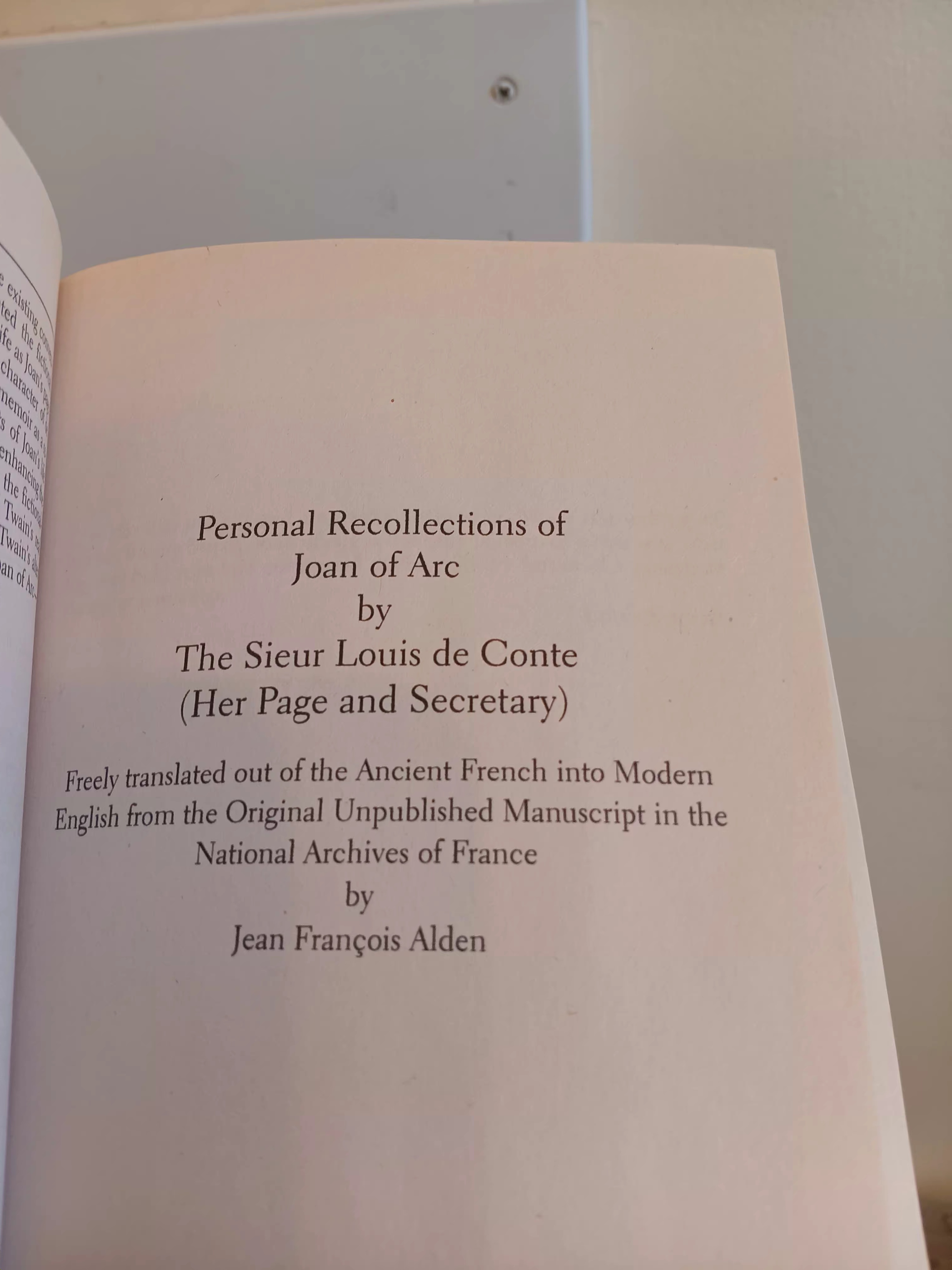
Suzy Clemens was Mark Twain’s oldest daughter. She was the one “most like him,” and the one he consequently fought with the most. She wrote a biography of her father when she was in her teens. She inspired some of his most memorable literary creations, if not some of his best work, such as his novel about Joan of Arc. He often compared Suzy to Joan and he almost felt like she was Joan reincarnated, and sometimes he even believed that literally (almost) she really was Joan, reincarnated. And she acted as a literary critic and editor for her father’s and for other’s works. She also wanted to be, and studied to be, an opera singer, which was like wanting to be a rock, pop, or rap singer today. She was often highly competitive with her father, believing that he could be (and often was) a windbag who took up too much air and too much space in the room. While everyone else was in awe of his overwhelming presence, she thought he was acting like a jackass at least half the time.
When the family left for Europe in 1896 (dad was big-time broke again and needed to make $ on a lecture tour), Suzy-Joan stayed behind, at the age of twenty-four. She contracted spinal meningitis. She spent her last days in a literal writing fever, creating a 46-page prose poem by hand that is terrifying, brilliant, and prophetic, by turns, and, with its stream-of-consciousness form, sometimes sounds like an early version of T.S. Eliot’s The Wasteland, which wouldn’t even be written for another two decades. She wrote so hard and so fiercely during her final days here on Planet Earth that her caretaker (even lots of poor people had “caretakers” back then) did not think Suzy was even aware of how sick she was. She wandered around the rooms of her parents’ mansion and she hung out in their gigantic bed, the bed posts of which were angels. She remembered playing in this bed with her younger siblings when they were kids. She wrote, and wrote, and wrote some more, until her feverish fingers were worn out, the disease she was suffering from literally driving her on. She was possessed, driven, totally focused, a laser beam of the heightened writing mind, lost in her own written world. Eventually, after a few days, she collapsed into a stupor, then into a coma. She passed out of this mortal coil while sleeping. She was gone before her family was able to return to her across the Atlantic. Mark Twain had many good times from then on until he himself passed away in 1910. But he was never the same. No: he was never the same.
It was often said at the time (and has often been said in the centuries since) that there were two John Donnes. The first one was Jack Donne, the young rebel, satirist, lover, partier, drinker, soldier, practical joker, scholar, wanderer, sometimes ragged “man-about-town,” and poet. The second was Dr. Donne, the Dean of St. Paul’s Cathedral, a center of London, great metropolis, largest city in the world at that time. Jack Donne did not want to become Dr. Donne, the Dean of St. Paul’s. But back then, when the King wanted you to do something, you did not say no. You could resist, if the King was fond of you, as this King was fond of John Donne. But in the end, you gave in to the wishes of the King or you had your head on a pike eventually instead. Donne was a survivalist, and he gave in to the King’s wishes eventually (after plenty of resistance). He didn’t want to end up like Sir Walter Raleigh or Christopher Marlowe, i.e. head removed or stabbed in the brain through the eye.
Later Donne realized that the King had been right about himself, and he himself had been wrong (about himself). Sometimes other people know us better than we know ourselves, even the King in some cases. Because Dr. Donne became famous in his own day as one of the greatest preachers not just England but all of Europe had ever produced. His sermons were hours-long, dramatic, driven, riveting affairs. Many men and some women gave hours-long, dramatic, driven sermons back then, but few were riveting like Donne’s were. He had attended the original productions of Shakespeare’s plays on a regular basis when Shakespeare still lived. Let me repeat that: Donne regularly attended the original productions of Shakespeare’s plays (such info as that requires pausing and brooding and marveling over, not glancing at it once, nodding the head, and back to scrolling the phone). Donne had learned the value and the techniques of the dramatic monologue and the now-famous soliloquy. His sermons became modern-day religious soliloquys that grappled with God as if God were not in the next room, but right there in front of him and everyone.
And everyone could tell, and knew, that Dr. Donne was dying as he climbed into the pulpit for the last time to deliver his final sermon. The fact that he was paler than a ghost, emaciated, and with hands trembling were just a few things that gave it away. This was also a man who’d recently posed for his own effigy, a statue that later disappeared into the basement of St. Paul’s before being returned to its pride of place a couple of centuries later. That is a cautionary tale about the reputations of great writers.
His last sermon was called “Death’s Duel.” In it, he ultimately extolled the figure of Jesus Christ, and said that if Christ could show us how to die, then the least we could do was die like he did, which meant (for Donne) bravely, fearlessly, or staring down the fear, conquering it. In certain gnostic texts, Jesus says, “It wasn’t ‘the real me myself’ who was crucified.” By this, he meant that there was something more in his spirit that rose above the mere body, far, far above the body. Socrates and Plato also believed the same thing.
Suzy Clemens and Dr. Donne both believed their illnesses were visitations from the Supreme Creator. Neither of them wanted to die, and they both struggled against it until their last breaths.
But also, for them, to them, and within them (this was what they believed), HE had finally arrived to take them home.
HER POEM: Suzy Clemens’ final, long, modernistic (before modernism existed) prose poem was partly addressed to a famous Spanish opera singer of the day, Maria Malibran, a figure who was very much akin to Lady Gaga, the best of Taylor Swift, and/or Amy Winehouse in our own day.
Here are seven sentences from Suzy’s (quite literally) death poem, a death poem that is riveting and even liberating, but not depressing. She wrote herself straight into the next life (or the eternal silence, whichever one prefers), literally; the lethal illness had been like an inspiriting drug:
“Greatness has no need of shunning.”
“She must give ear to these things not reluctantly but gladly.”
“They will inherit the greater darkness to come for this is retribution not vengeance.”
“She is a queen of God’s light but I am a queen of his darkness.”
The following poem was composed by an old-man mystic with long white hair and a long white beard just before he disappeared into the mountains, for good:
“When the Tao prevails in the land /
The horses leisurely graze and fertilize the ground. /
When the Tao is lacking in the land /
War horses are bred outside the city. /
Natural disasters are not as bad as not knowing what is enough. /
Loss is not as bad as wanting more. //
Therefore the sufficiency that comes from knowing /
What is enough is an eternal sufficiency.”
This poem (#46 from the Tao Te Ching, see End Note re: the translator) was written 2,400 years or so ago, and it is as urgent and relevant now as the crumbling, fumbling, brutal, half-assed empire we see all around us right now in late June, 2026, when it will soon be the 250th b-day of the good ol’ United States of America. For the record, over two million people are currently incarcerated in the USA right now, the largest prison population of any nation on the Planet.
I reside in the middle of the country, which is to say the center of the nation, in more ways than one and to say I have an ambivalent relationship with Uncle Sam (personally) is the understatement of the century so far.
When it comes to the dreaded subject of politics these days, in many ways I follow one of my lifelong idols and heroes, Dr. Hunter S. Thompson, who railed against figures like Tricky Dick, Ronnie Rayguns, and the lethally boring George Bush/es from his well-known hide-out in the mountains of Colorado.
Anything but “politically correct,” Dr. Thompson was also anything but a Republican and he often saw the white man as the pure demon that is depicted in Moby Dick, Heart of Darkness, and The Great Gatsby, among other books penned by white men who were not afraid to critique and even attack (in writing) their so-called own kind.
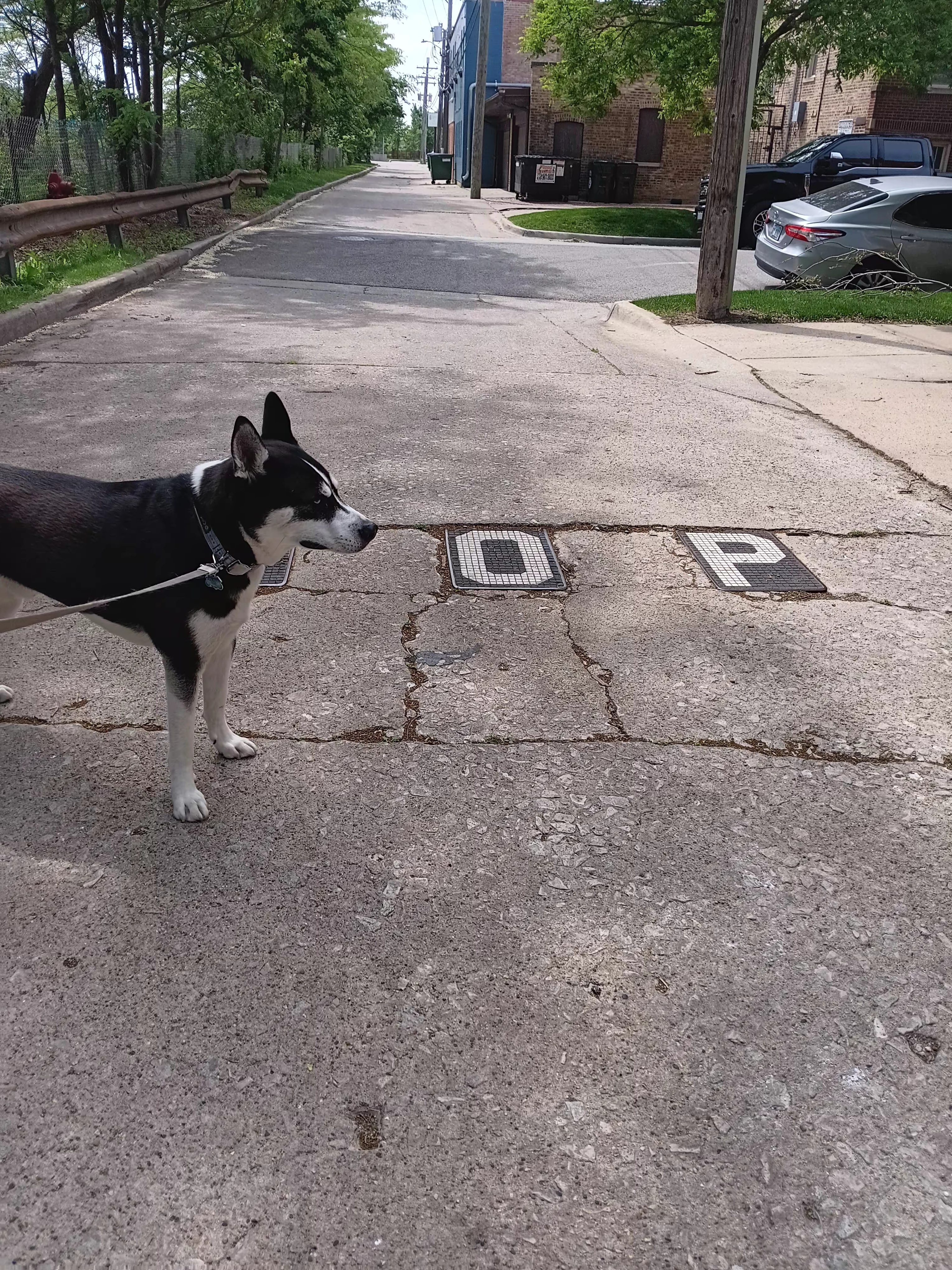
My own hide-out is in an urban adjunct of Chicago on the second floor so I can see them coming. I don’t have a gun in here but I do have a large, wolf-like dog who knows karate and his two best friends. You will have to take all four of us out at once if you’re gonna get us.
Our current president is Richard Nixon, Ronald Reagan, and the George Bush Squad all mushed together and inflated to legendary proportions and with generous helpings of Nero and Mussolini thrown in. He is all that and more and he is even bigger than that in many ways, in truth. America has built him all on its own and he is utterly gigantic, like a hulking skyscraper, or like the Incredible Hulk who has somehow turned inexplicably orange instead of green (it can’t only be the make-up). You can also visit (no joke) the (online) Trump Store, which has made many, many millions of dollars during his presidencies selling things like gold sneakers, fake Bibles, three-thousand-dollar watches that were made for three bucks in China, and other wonderful items, like a guitar with bald eagles on it – also made in China. Many presidents have been lying pieces of shit, but never before have we had the privilege of having an actual snake oil salesman in the White House, until now.
You get what you deserve, that is, what you vote for. Profound ignorance rules the day as well as a certain FUCK-THIS (and fuck-you) attitude that comes from being treated like shit for so many years. (I admire his energy even as I am made nauseous by his motives and motivations.)
All I can say right now is that giving Donnie, aka the Fat Don, all the attention is everything of what he wants and nothing of what he deserves.
That goes for those who hate his guts as well as all those who love him to pieces.
END NOTE: Thank you to Charles Muller for his wonderful translation of the Tao Te Ching, 2005.
They say Sappho may have been a kind of prostitute, at least some of the time. They say the same thing about Mary Magdalen. I can believe it, although I can’t say that I know it. If they were prostitutes, I know they did it with the same flair for originality with which they did everything else. ’Nuff said on that topic.
Because I don’t know if Sappho was a prostitute; but I do know that she said this:
“It is the Muses //
Who have caused me /
to be honored: they /
taught me their craft.”
Survival is the first art. You can’t create art when you’re dead, at least not here. Many artists have not created any real art because they have died inside. They have let the world kill them; or they have handed the world the sword it needed to do the deed. Survival is the first art, the hardest art, the longest art, and the last art of all. Without it, you simply cannot get anything done.
Learning the craft is the second art. Reading and writing must be mixed with equal parts real experience or it ain’t worth (and it won’t ever be worth) shit.
The third art is doing it. You find out that you thought you were doing it all along but you were not doing it all along, and far from it. You were doing what can be called “getting ready to do it.” Which is just as crucial, because you can’t do it eventually without the proper preparation.
Staying alive; learning how to; and doing it right when the right time arrives.
Never question The Muses, even in those moments when you know (somehow) they’re full of it. They are holy, and that’s all you need to know to keep you going, even if you enter the phase of “afterglow,” which is the fourth phase (if it ever comes) in which you can’t exactly do it any more but now you can bask in it. Many who think they are “going” are really just stuck down in the herd muck; running very successfully on the hamster wheel, as it were and is. It takes balance to stay on the hamster wheel, but it isn’t going anywhere. And that is nothing against hamsters; it is only to point out that they aren’t lionesses and lions. And it is absurd to pretend that they are. Even in a fake mane – he’s still a hamster. Even at the highest rungs. Even in the White House (or anywhere else they tell you is important, like the end of the hall where your boss resides).
END NOTE: Endless thank you/s to Mary Barnard (1909 – 2001), who made the translation of Sappho used in this commentary. Her translations possess an Emily Dickinson-like intimacy and idiosyncrasy which must also be contained, in a different way, in the fragments of Sappho.
The MOVEMENT in all sections of the poem is always to something new, from something that is fully defined. Progression, development, fulfillment, all in eighteen words.
The “dance” can be likened to what Nietzsche said about his hero Zarathustra, that his walk was a dance, that his walk was so lively that it recalled a dance and could be likened to a dance and that he danced that dance and walked that walk whether he was in town or out of it, once he had become himself, that is.
“Gentle Gaiety, Revelry, Radiance,” recalls Charles Baudelaire’s command to “Always be drunk! On wine, poetry, virtue, or what you will, but be drunk!” The wine itself isn’t important; the drunkenness is, an injunction which has inspired many august souls from Rimbaud to Dylan Thomas to William S. Burroughs and Bob Dylan. The wine itself (or the drugs, or the love) is never more than a means to an end.
And the end is THE MUSES, who are the ones with lovely hair.
Sappho and her cohorts all believed in the literal existence of “The Muses,” that is, they believed them to be gods, i.e. transcendent forces worthy of worship, eminently and ultimately worthy of worship, and therefore worthy of dying for, too, if that’s what it took.
They were only humans like us but because of what they believed and how they lived it, they may have been (among) the best of us.
END NOTE: Endless thank you/s to Mary Barnard (1909 – 2001), who made the translation of Sappho used in this commentary. Her translations possess an Emily Dickinson-like intimacy and idiosyncrasy which must also be contained, in a different way, in the fragments of Sappho.