Editor’s note: Dreck is as fine an artist ever seen. And today the subject is faces.–The Eds
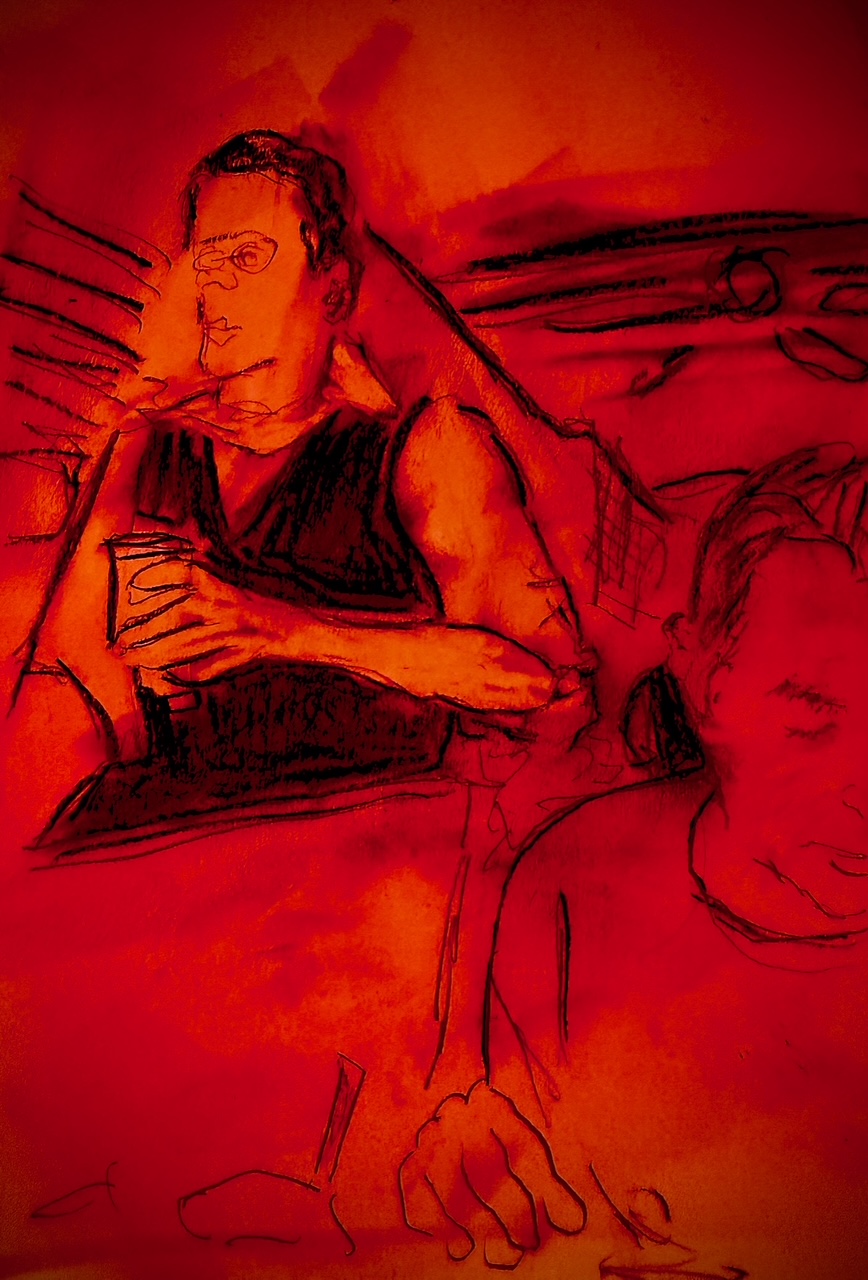
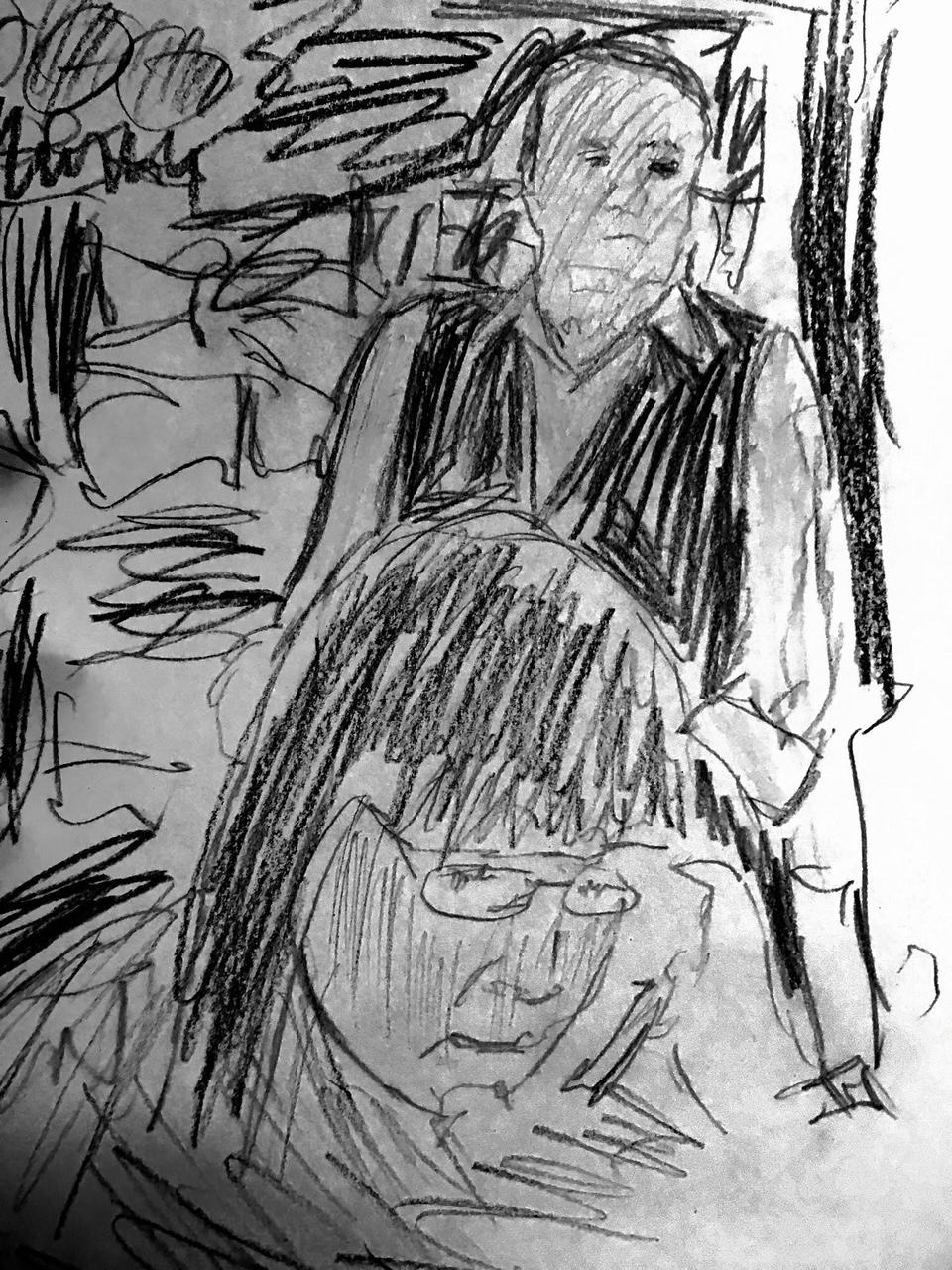
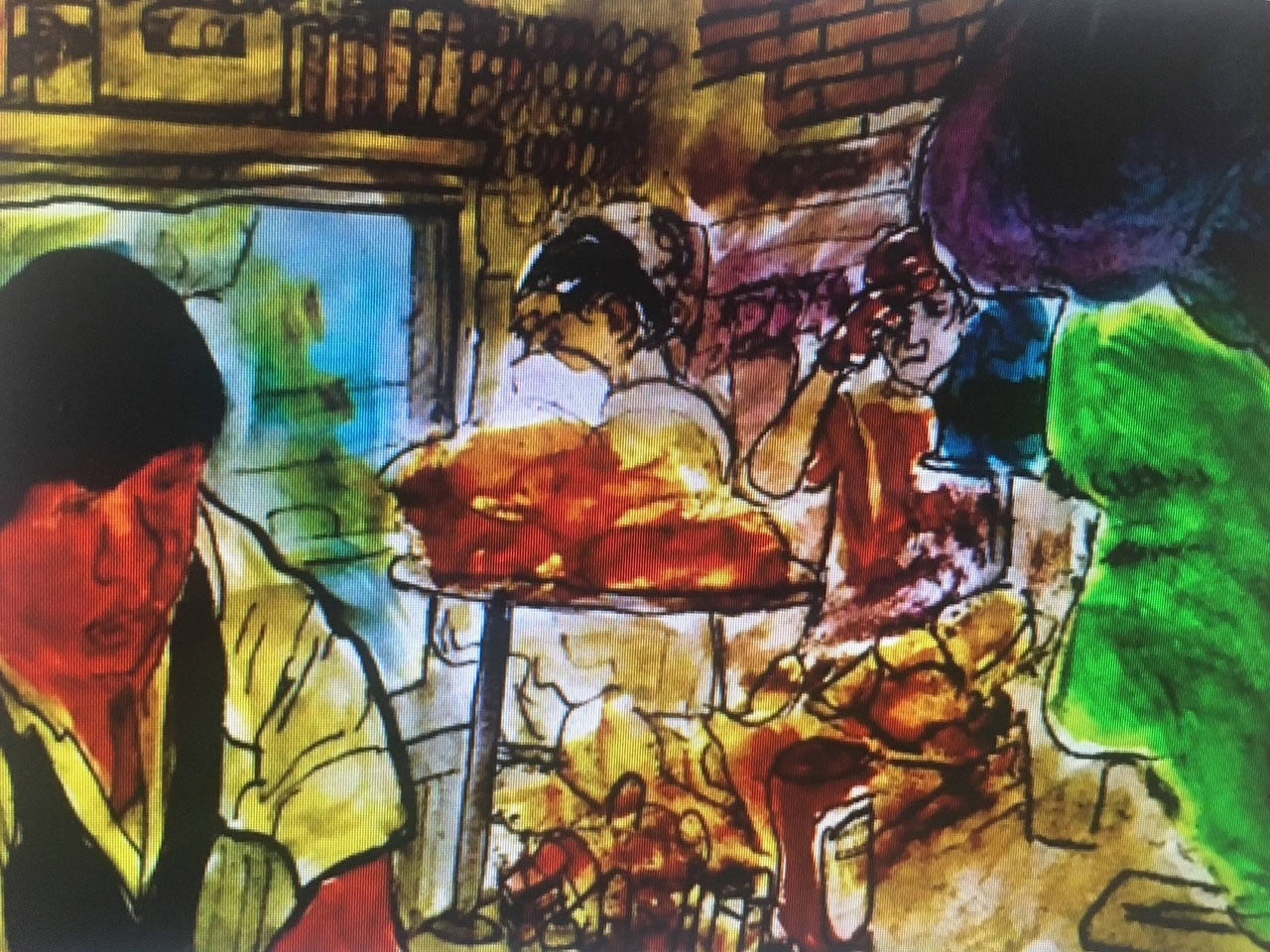
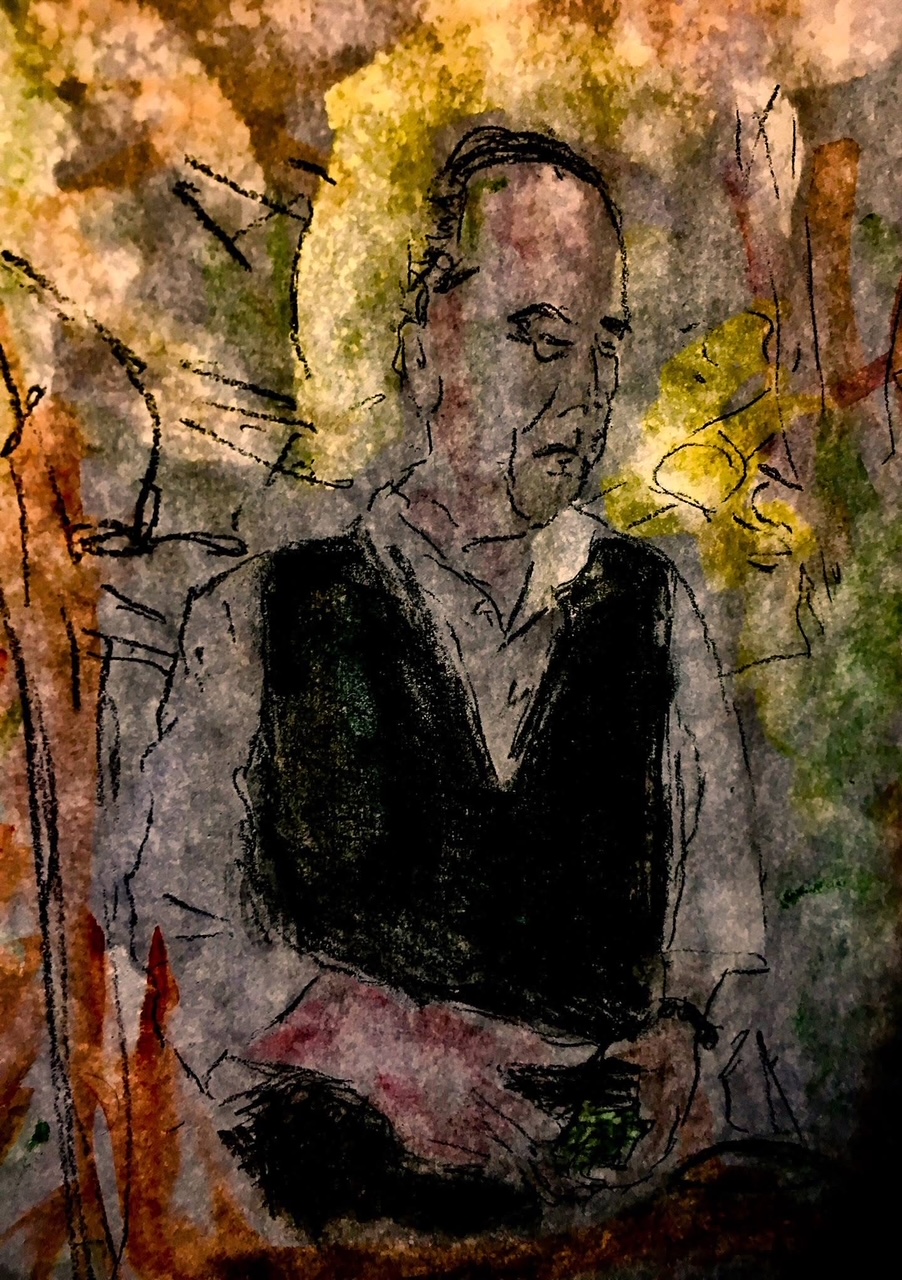
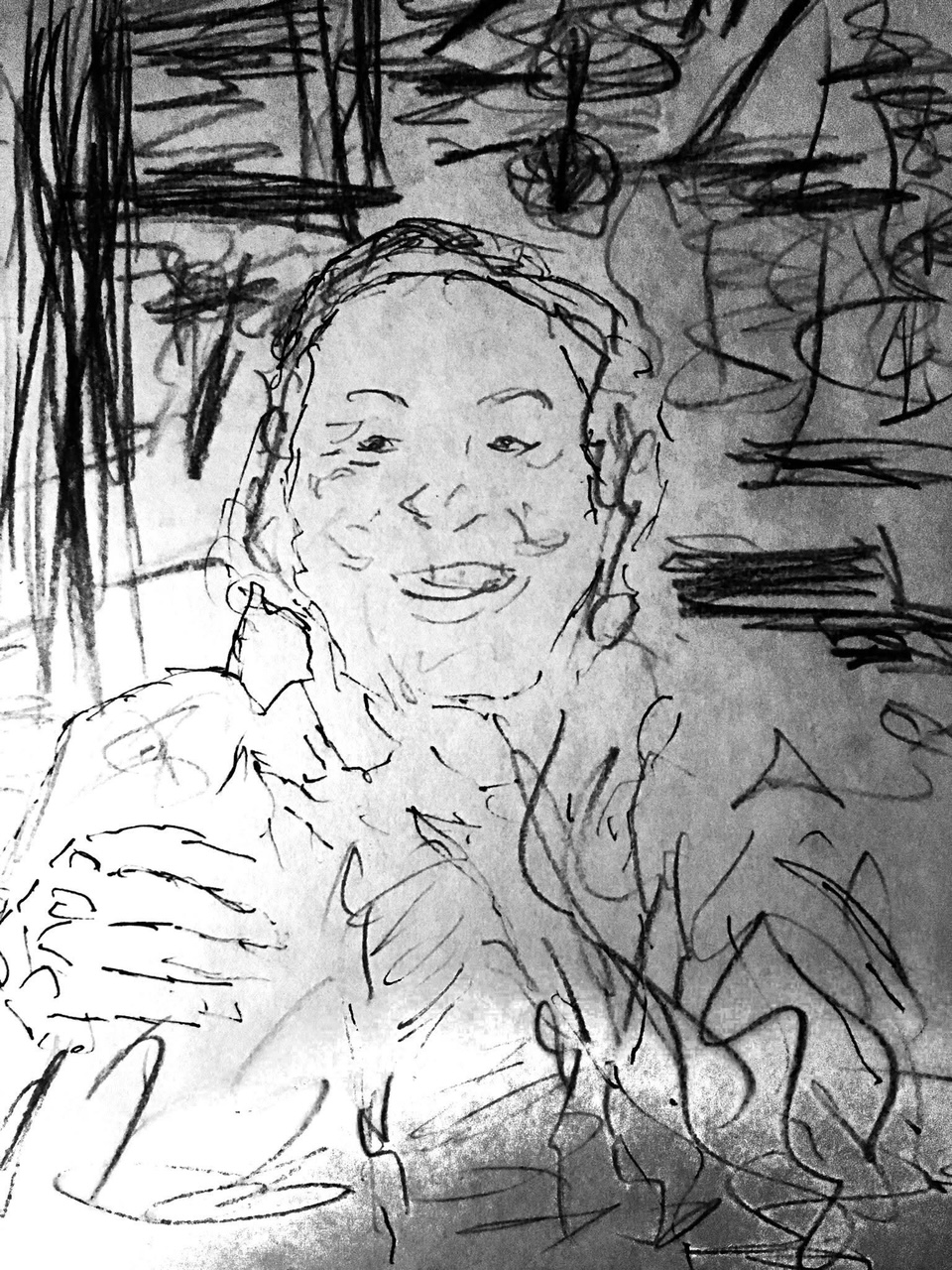
By Dreck
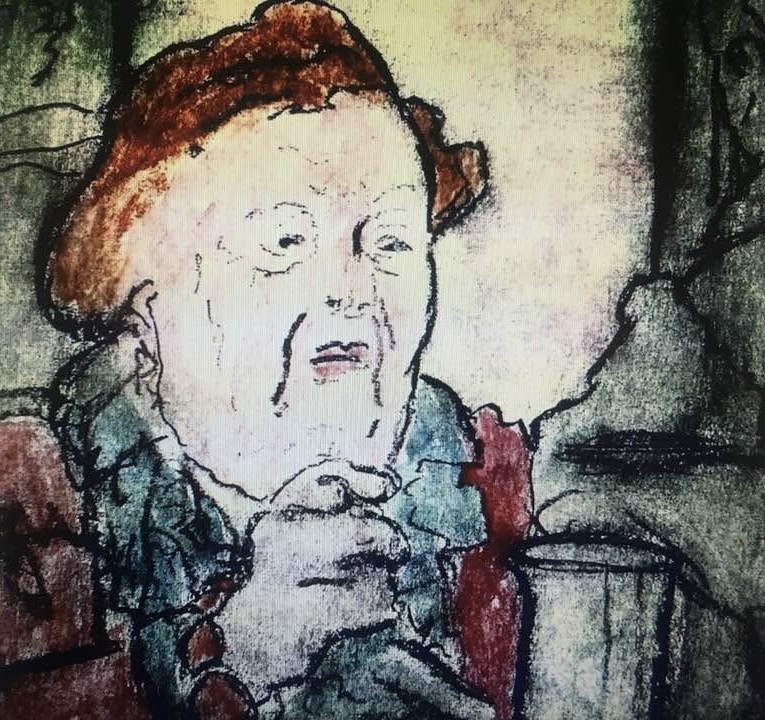
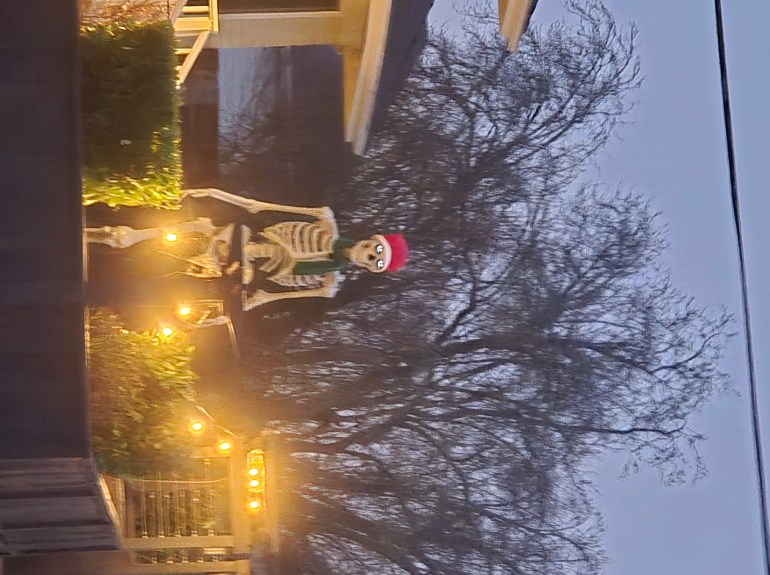
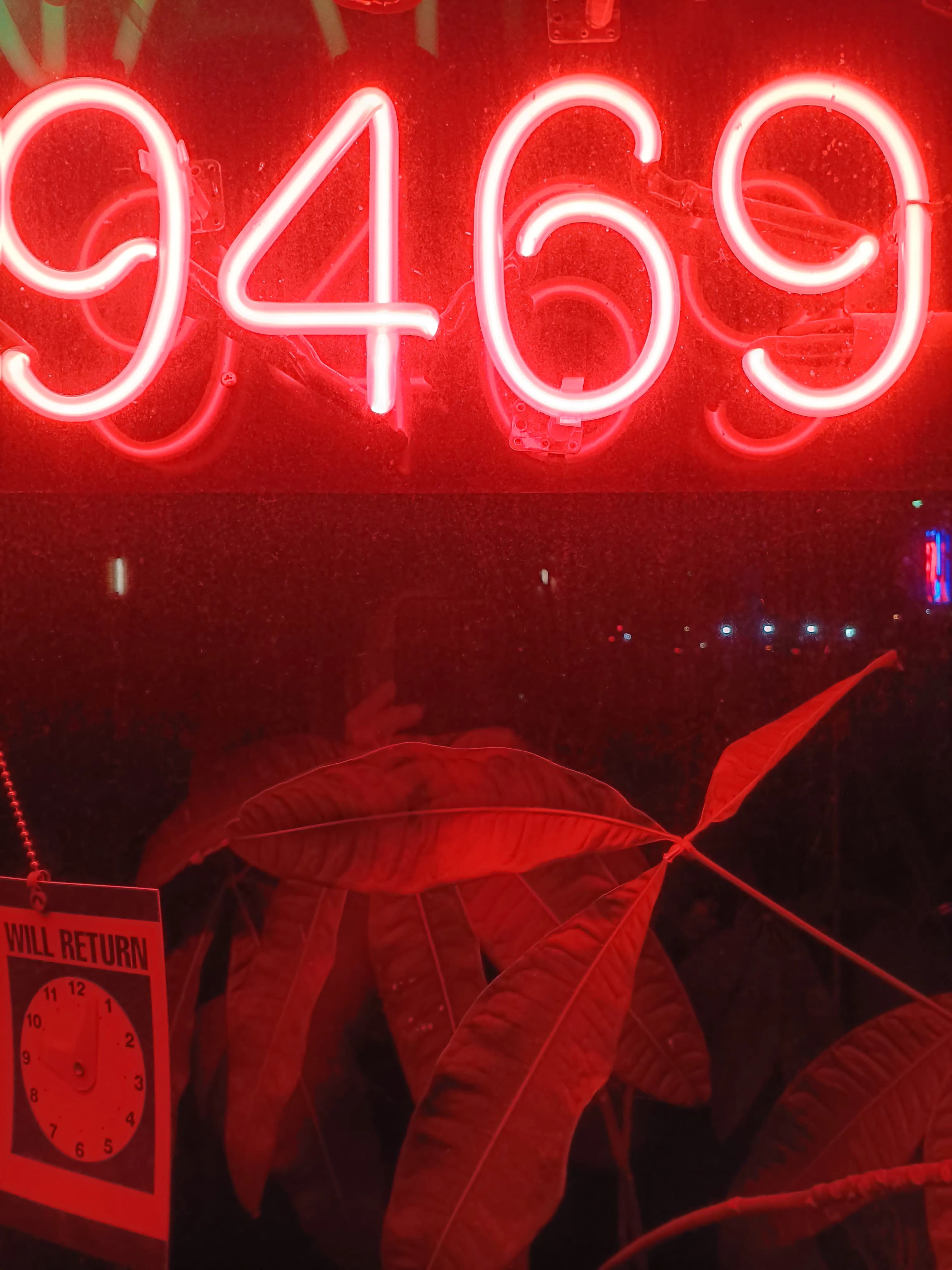
(The header image startled LA the other morning on her walk)
Editor’s note: Dreck is as fine an artist ever seen. And today the subject is faces.–The Eds
By Dreck
(The header image startled LA the other morning on her walk)
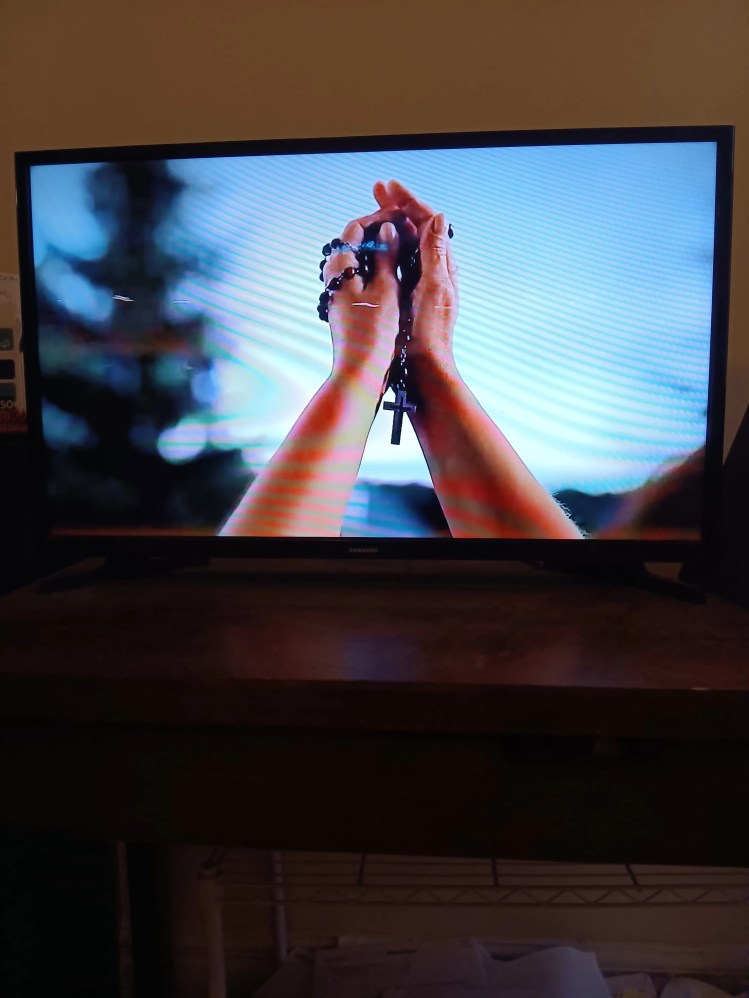
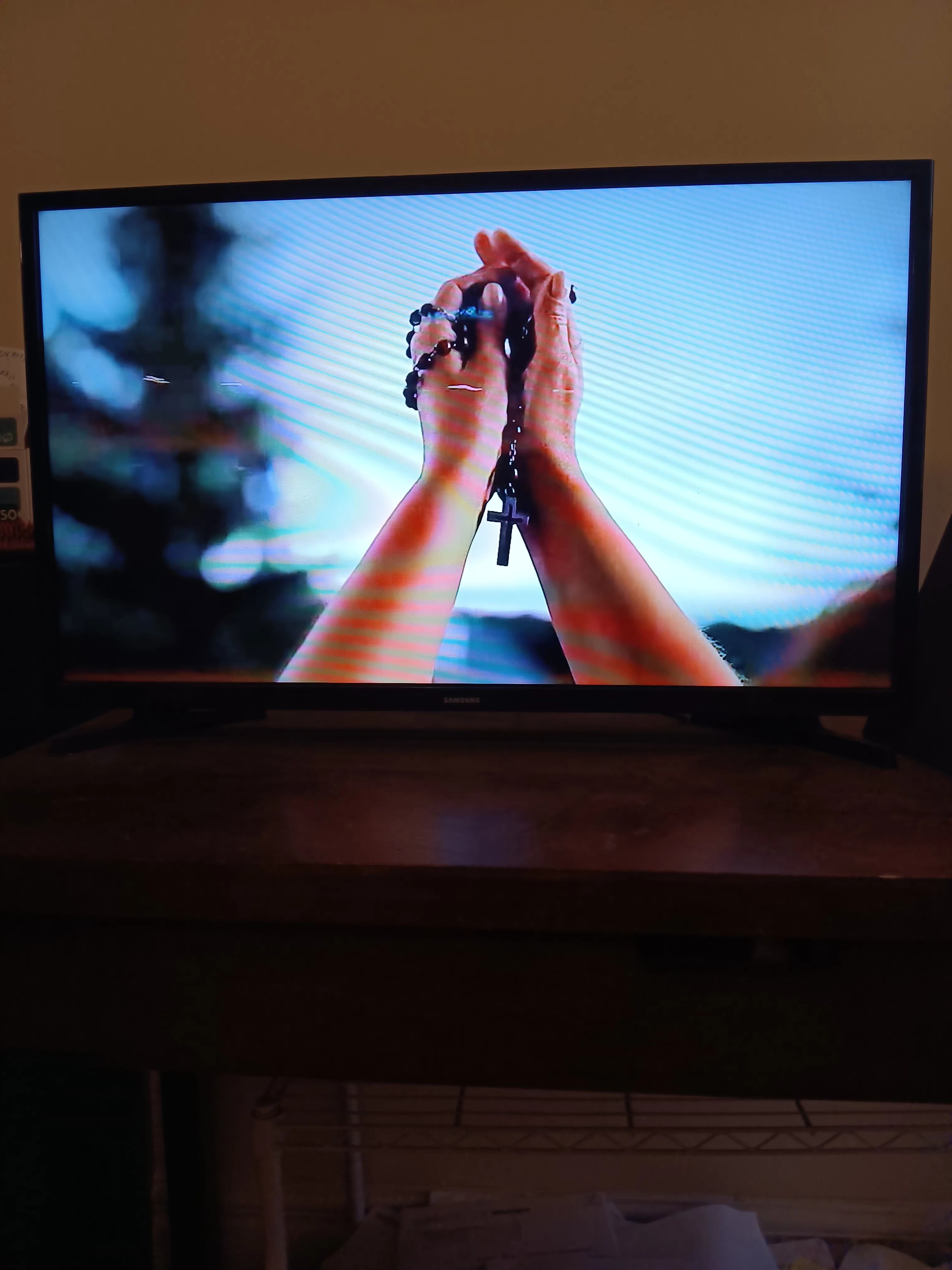
Dolly Parton’s grandfather inspired her entire life in numerous ways. He was a wandering preacher who also played music. In many parts of Appalachia, preaching and music and religion and happiness and the Good Book all go together. Dolly was a gorgeous flowering of all that.
Their kind of religion is not the bad kind of religion. It is not even the judgmental kind.
It is the life-giving kind, the happy singing kind, the joyful kind, the everything-will-be-okay-including-DEATH-ITSELF kind.
In this kind of religion, anyone who suffers in any way at all is seen as holy instantaneously (more holy than they already were), and as someone we should all LOOK UP TO, not pity. Even children. ESPECIALLY CHILDREN.
There is little pity in this kind of religion.
What there is here is LOVE. Just love. Only love. All love. And love is the only thing there is. Even when it doesn’t LOOK (or feel) like it at all. You don’t even have to believe in God.
The best preaching never happens in churches, as Dolly’s grandfather knew very well.
It happens on the streets, on the sidewalks, in the parks, in the mountains, in the cities, or anywhere just one person suddenly feels the Holy Ghost inside and decides to connect with another “just one” person who also feels the Holy Ghost within themselves. These are epiphanies, moments, flashes of sunlight from behind the dark clouds, not constant things; but they leave an afterglow.
You can be gay, you can be trans, you can be black, white or green, you can be any color or creed under the sun or above it, you can be anything you want to be and already are.
The best preaching is informal, brief, fast, sudden, spontaneous, and OFTEN WORDLESS.
It often happens in less than a single second, with a single glance of the eyes. And then you pass on by. You always pass on by.
All it takes is two willing people who will remember one another even though they don’t even know each other’s names.
Dale Williams Barrigar (images by DWB)
“Every heartbreak makes it hard to keep the faith.” – Lady Gaga
In some of her guises (or disguises), Lady Gaga is a true inheritor of the Dolly Parton legacy, just like Whitney Houston (who died because she couldn’t slow down).
Dolly and Gaga both stood and stand around 5 feet tall in their bare feet. Such connections between artists are somehow not meaningless, and are worth noting (and studying) (or I wouldn’t notice, note and study it). (Chekhov studied his actors very carefully from behind the scenes.)
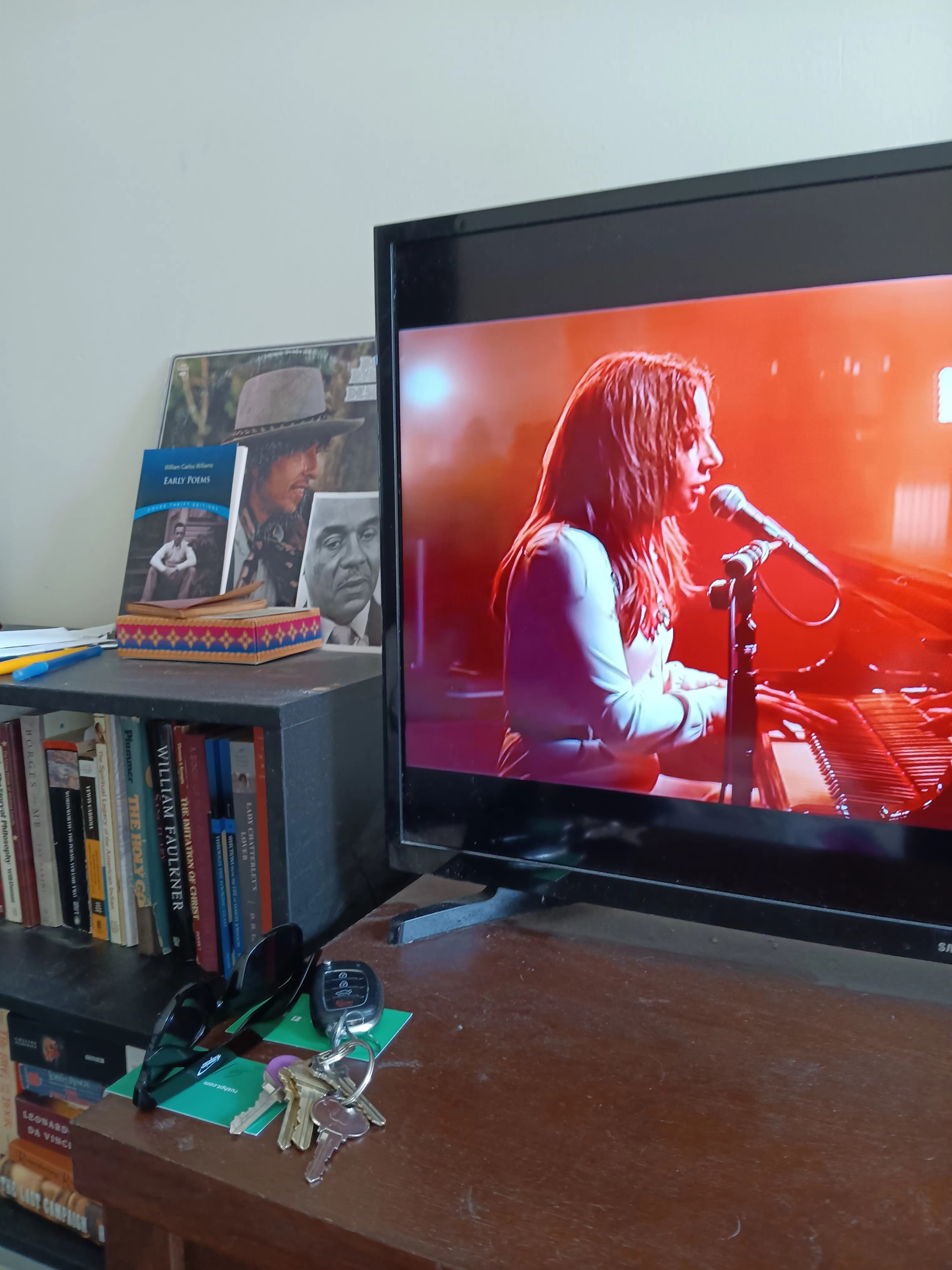
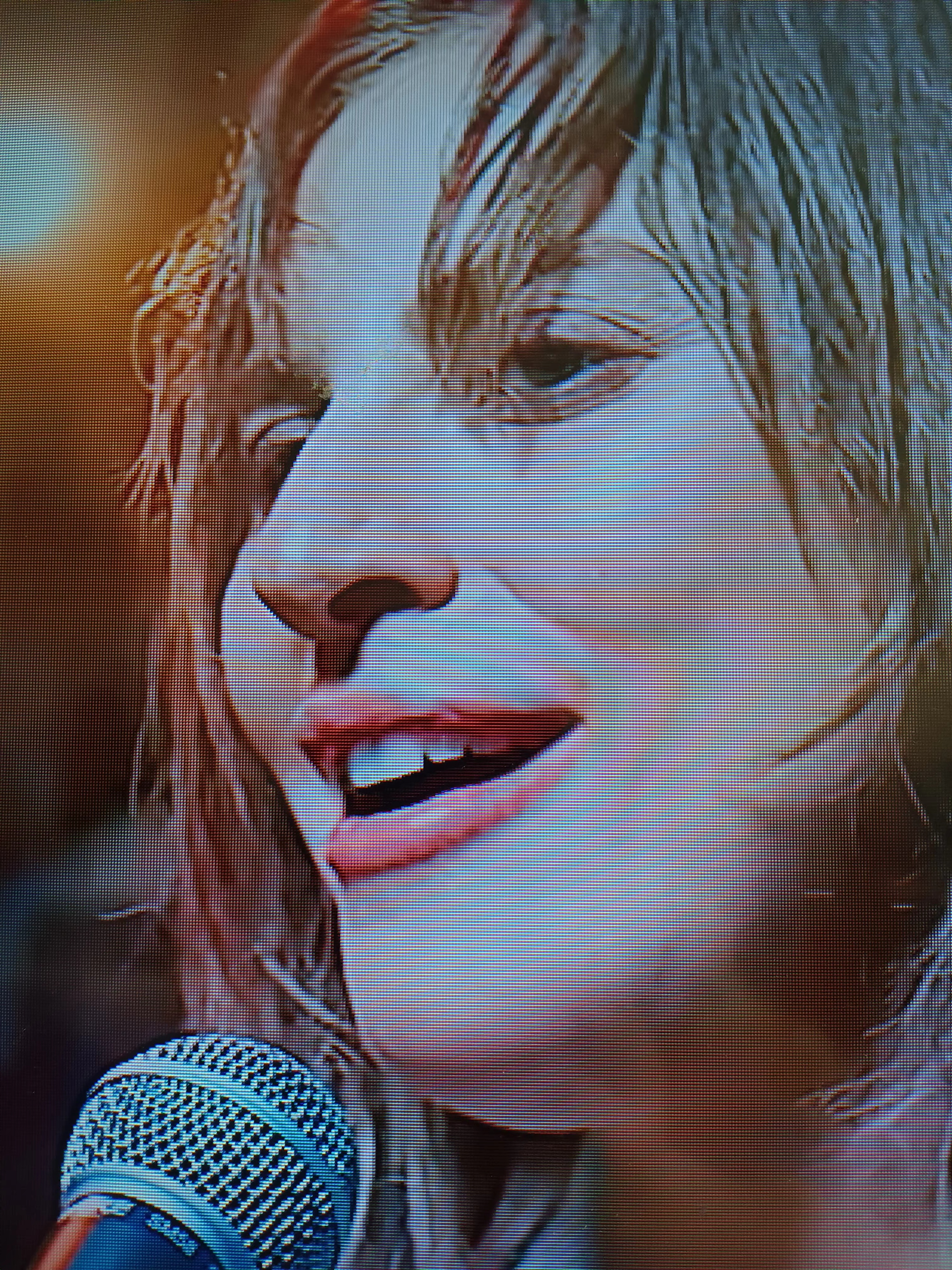
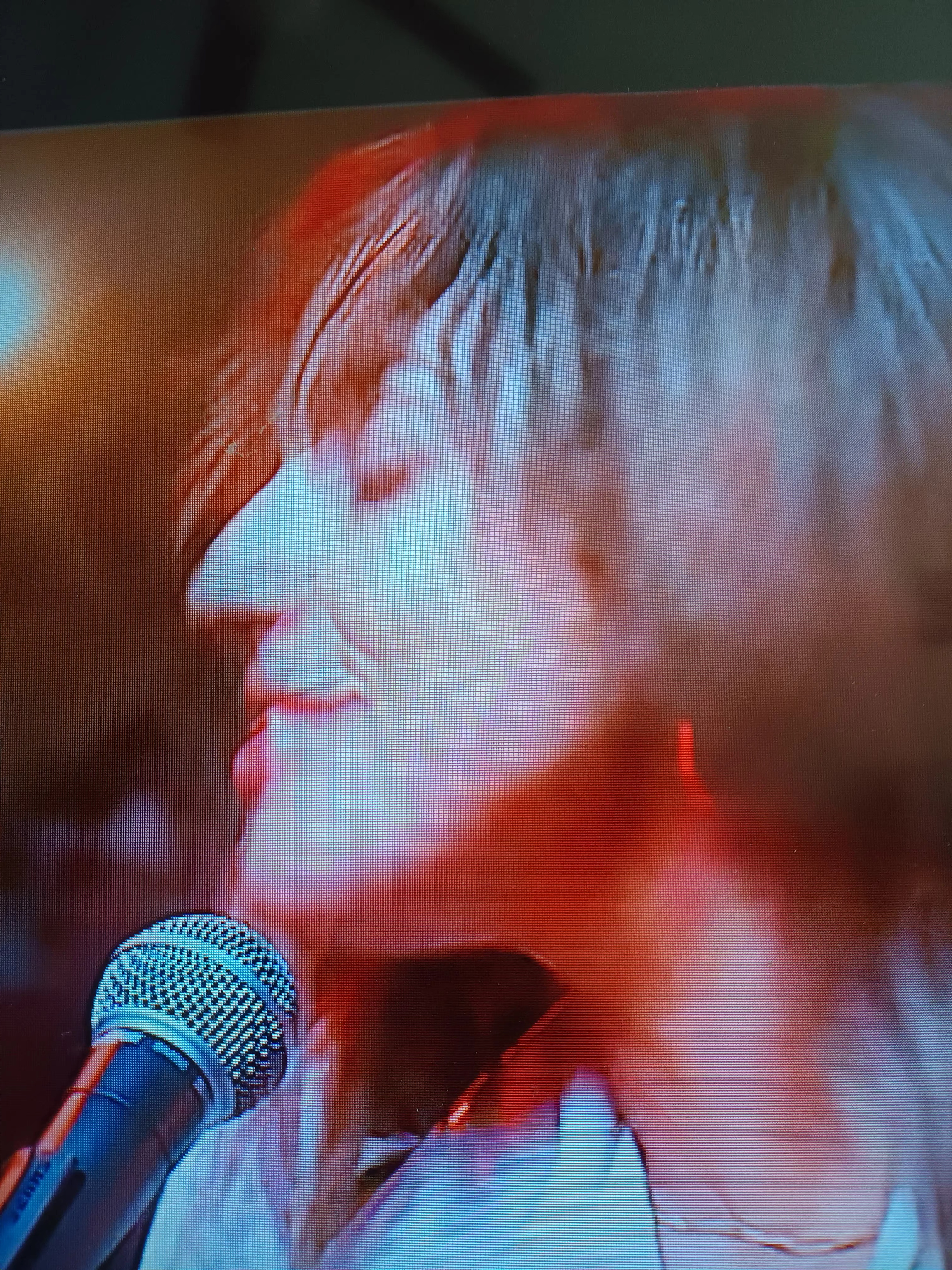
As Lester Bangs would’ve told us all too, were he here at the moment (but I’m sure he’s somewhere else), the attached musical performance is, without any doubt whatsoever at all, one of the greatest American musical performances of the twenty-first century: and probably of all time.
In this single performance, Lady Gaga joins the late Elvis, and opera singers, at the highest of high heights. Wow!
Notice that she doesn’t dance around while singing. That’s because you can’t dance when you’re singing this good.
But notice how she acts. Her gestures, expressions, movements are part of why this is such great a performance.
But this performance should be studied three ways. One: listening to just the music. Two: watching the video while listening to the music. Three: watching the video without the music.
You should also study, for sure, her beautiful backup singer, especially her eyes.
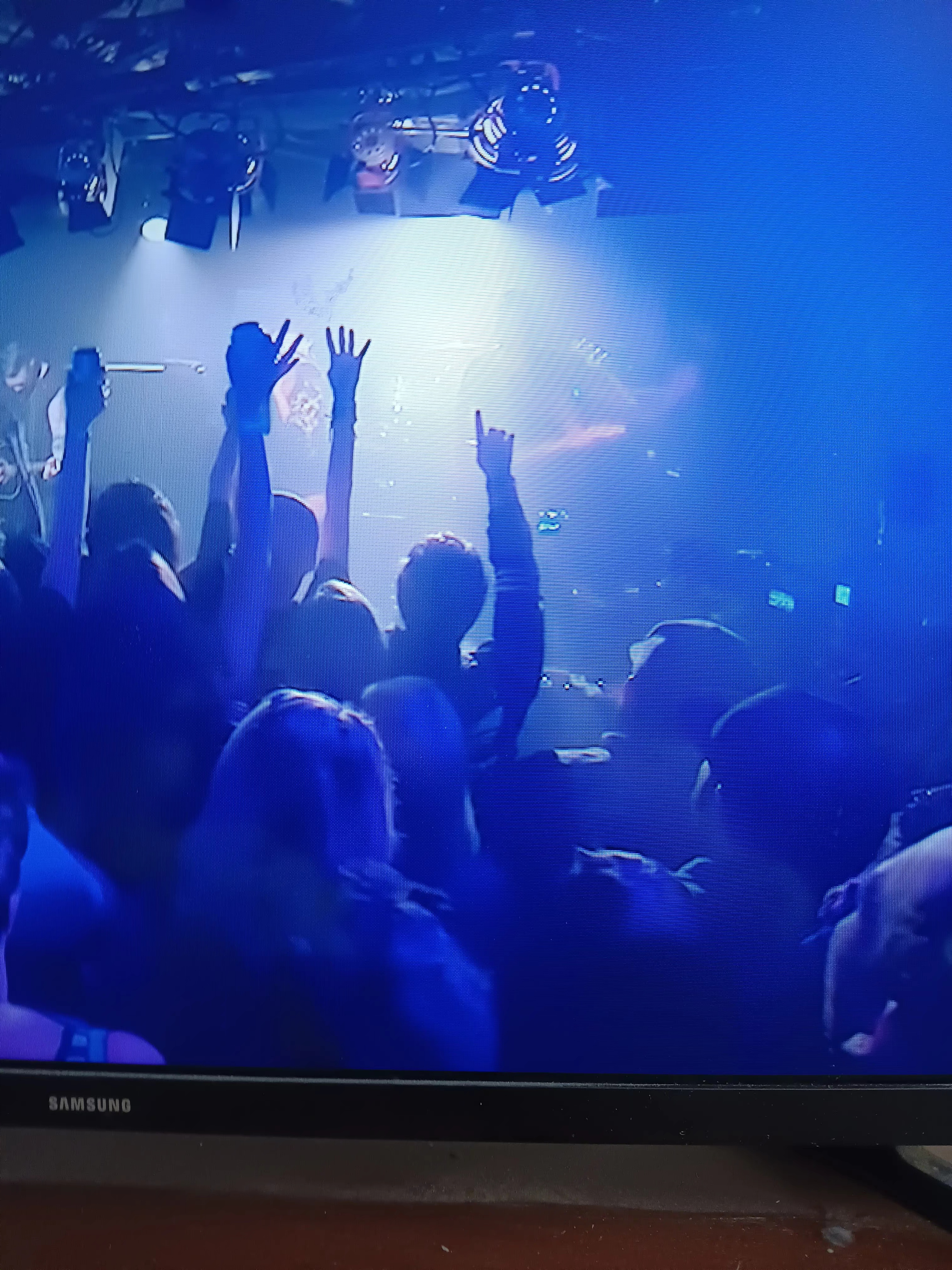
(And listen to the crowd.)
People like Lady Gaga can’t operate, at all, without people like her backup singer: and the crowd (the small crowd, that is).
Kafka wrote brilliantly (but every unpublished word that fell from his midnight pen was brilliant) about how Sancho Panza and Dapple are just as important as Don Quixote and Rocinante – if not more so.
This performance begins with these words (her eyes hidden in shadow beneath her cowboy hat): “My name is Lady Gaga. Tonight if you could just call me Joanne.”
Lady Gaga just had her first baby at the age of 40!
Congratulations, Gaga and Joanne, at every level I can possibly think of and imagine!
Dr. Dale Williams Barrigar
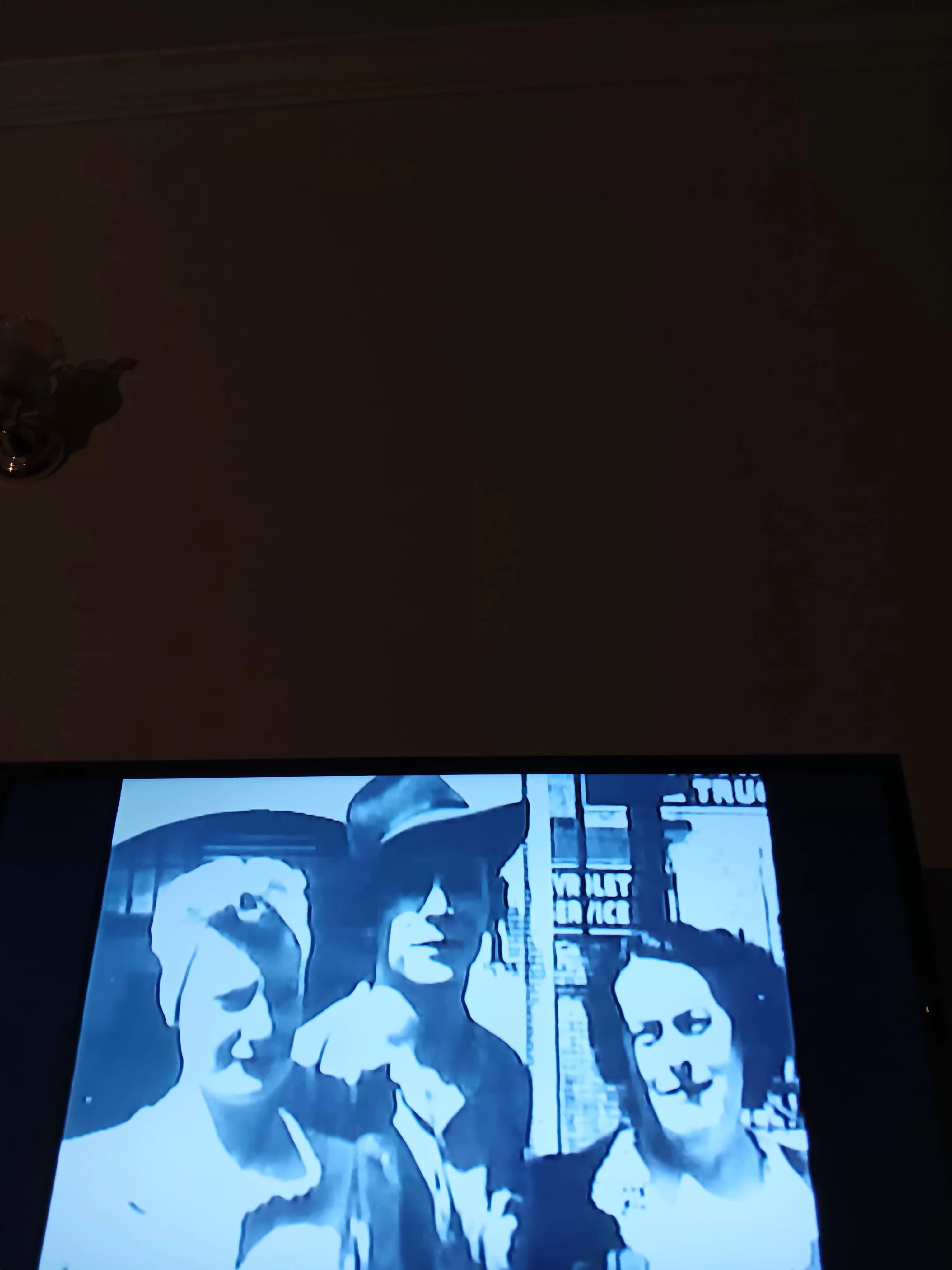
“The time will come when you’ll be blue.” – Hank Williams
It is hard to see someone crying (mostly genuine) tears over you even as you know they’re cheating on you (even though they won’t admit it to you) as you say, with great and utter finality, “I’ll see you around.” Your own tears do not appear in the moment; they appear, unannounced, years later, when you are long gone, somewhere else.
Willie Nelson, perhaps the greatest heir of Hank Williams of all time, used to cheat on all of his wives, all of the time.
And all of them would catch him at it. And the thing is, HE WOULD NEVER, NEVER, EVER admit it, not even when the women placed the red-handed evidence right in front of the Red-headed Stranger’s face.
And I know how that goes. It is called “acting” like nothing ever happened, and some of us are (just naturally) as good at that kind of acting as Marlon Brando was at the art kind of acting (and he is the greatest American actor of all time, alongside Marilyn). (Addiction is a great teacher of acting: “No, OF COURSE I haven’t been drinking again,” etc. etc. etc….)
The song, “Your Cheatin’ Heart,” is a song that has been said to literally DEFINE ALL OF modern American country music.
Hank dictated the lyrics to his fiancé, about his recently ex-wife, as they rode/drove in a car from Tennessee to Louisiana. The lyrics suddenly appeared before him, almost as in a dream, all in their full glory, and he just let them come out, while she wrote them down. When something like that is happening to a person like Hank, you don’t take time to criticize, IF you understand him at all, which she did. (Hank also died in a car not too long afterward – literally.)
His voice as he sings this song is powerful, brokenhearted, and hillbilly. The powerful and the brokenhearted are utterly raw and natural. The “hillbilly” is/was entirely an act, but a brilliant act, like a Shakespearean thing.
Hank was also one of the first people to take the cowboy hat out of the American West and move it on over to the US South. Now, cowboy hats are everywhere down there, like in Nashville (even though they kicked him out when he was alive). Yes, the cowboy hat thing is because of Hank, who sometimes called himself Luke the Drifter. And that is just one reason why (just one reason why) he really is the Shakespeare of American country music. Country music, along with the blues and folk, created rock and roll. Just one reason why Willie Nelson is great is because of how he combined “hippie” and “redneck” and turned them into something all-new.
When Ray Charles sings this song, his voice is sad, slow, sweet, stately, surrendering-to-the-moment, soulful: “truth and beauty,” to quote John Keats, who has a lot more in common with Ray and Hank than most people will ever know (or care to know). Just one reason why Ray Charles is great is because he could sing ANY kind of music with utter conviction, which is also Shakespearean.
SHAKESPEARE HIMSELF WROTE AT LEAST 100 SONGS.
Dr. Dale Williams Barrigar
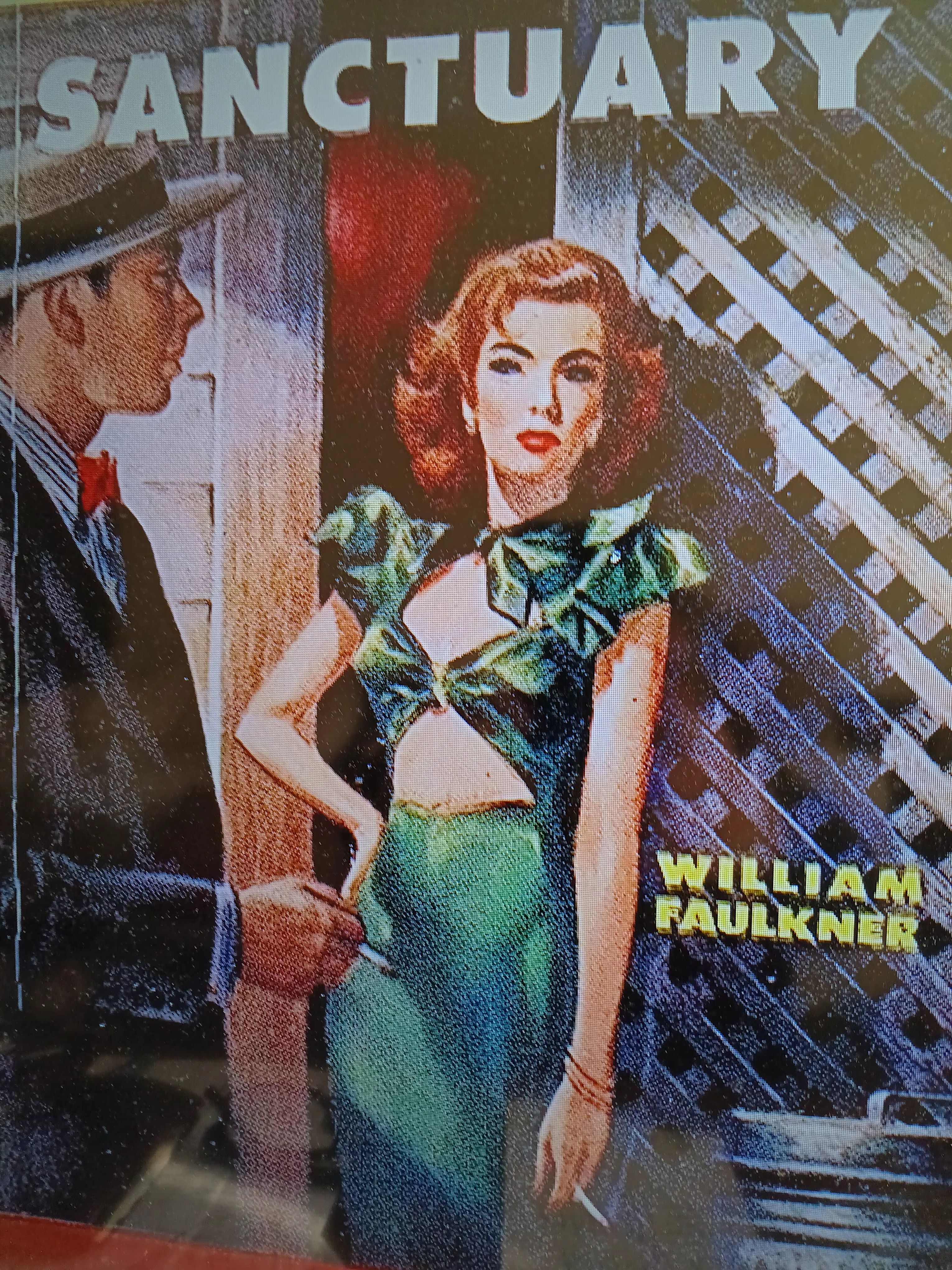
“I love you, baby / but you gotta understand, / when the Lord made me / he made a ramblin’ man.” – Hank Williams
The song “Ramblin’ Man,” written and sung by Hank Williams, ends with these words:
“And when I’m gone /
And at my grave you stand /
Just say God’s called home your ramblin’ man.”
Hank was 29 when he expired in the back of a car being driven by a college kid he’d hired on the way to another gig in the middle of America.
Exhaustion, chloral hydrate, morphine, alcohol, amphetamines, nicotine, caffeine, probably a few other drugs, and very, very little food for a very, very long time can be said to be the direct cause/s of his death, i.e. his sudden heart failure in the middle of the night in the back of a car blasting across the American heartland.
Neil Young, who’s 80 now (the age Dolly Parton was when she passed on), and who had his own big-time drug and alcohol problems, and who is a direct descendant of Hank Williams, like Dolly, Leonard Cohen, and Bob Dylan, once said in a song, “It’s better to burn out than to fade away.”
Machine Gun Kelly (MGK) says in his song “27,” “They say I need to slow down, but I don’t know how.”
Those twelve words strike me as being one of the best explanations for the 27 Club I’ve ever heard.
The best singers do not sing only about themselves, just as the best writers do not write only about themselves – they sing and write about all of us, very often when it looks like (on the surface) they are writing or singing mostly about themselves, like Hank in “Ramblin’ Man.”
AND IT’S UP TO US TO MAKE THAT IMAGINATIVE CONNECTION, INSTEAD OF SITTING BACK IN OUR COMFY CHAIR WITH OUR EXTRA-LARGE BAG OF BUTTERED POPCORN AND TOSSING SPITBALLS AT THE ONE WHO IS TRYING SO MUCH HARDER THAN WE ARE.
And some real artists (everything in our world is either real or fake), when they live long enough, learn how to slow down – at least enough, for a while.
(The song “Ramblin’ Man,” as performed by Hank, is very close to a spoken word poem, which is probably why Sam Shepard loved the song so much and used it so often.)
In honor of these departed kids and others of their ilk, whether “famous” or not, HERE is a list of twelve members of the 27 Club. They weren’t all 27 exactly (at their passing). Some were 29, like Hank, or 26, like Mac Miller and Nick Drake, or 25, like Tupac Shakur. (8 of 12 were exactly 27.)
Hank Williams. Robert Johnson. Mac Miller. Tupac Shakur. Janis Joplin. Amy Winehouse. Brian Jones. Jimi Hendrix. Jim Morrison. “Pigpen” McKernan. Nick Drake. Kurt Cobain.
Dale Barrigar (Images by Dale Barrigar)
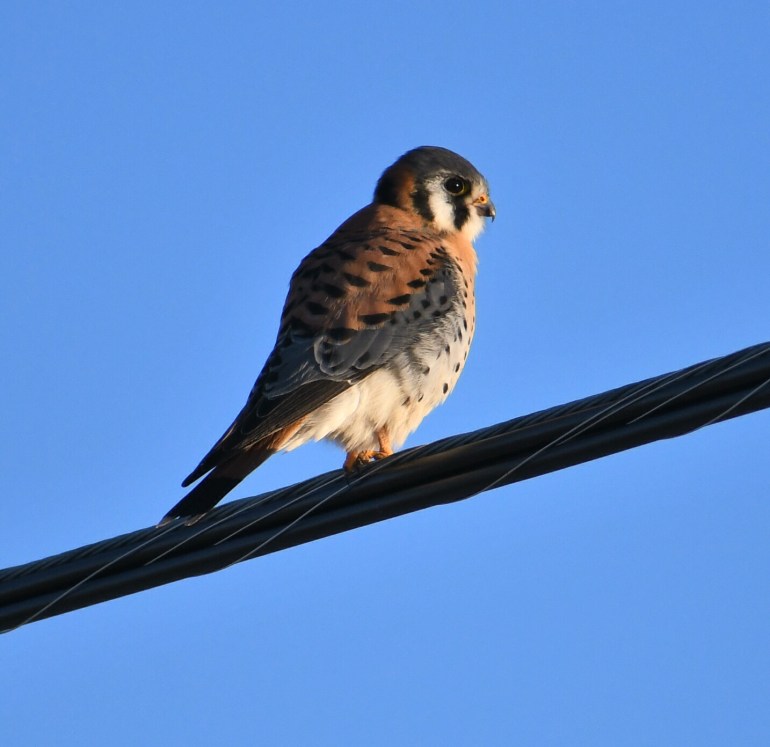
When the world is a dark pit, and you find yourself locked up with lunatics. Sometimes, a person needs a slice of sunshine. So that’s what this series of photos will try to capture, but alas, it’s hard to catch a sunbeam.
Then again, I don’t need my baseball glove or butterfly net. Not when I have this magical weight around my neck. It’s left the dark room behind, this is true, but I have my own just in case.
I try to explain this alchemy, as if to a five-year-old or my giant German shepherd dog, to these folks on the ward, but they just cock their heads. I talk about apertures, f-stops, and blinking eyeballs.
No respondo, Ernesto just gazes away from me and talks to people who aren’t there. All of their heads turn, and I finally have an audience.
I’m free again, on Antabuse, so I’m back with the camera therapy of nature and sunshine. The technology that I couldn’t explain to them—resting in my hands. Like a thousand picture books.
The shutter is eager to slide over its mechanical eye, snapping pictures of the sun and everything under it, but you have to be careful taking so many pictures of God.

(Farm Sunrise)
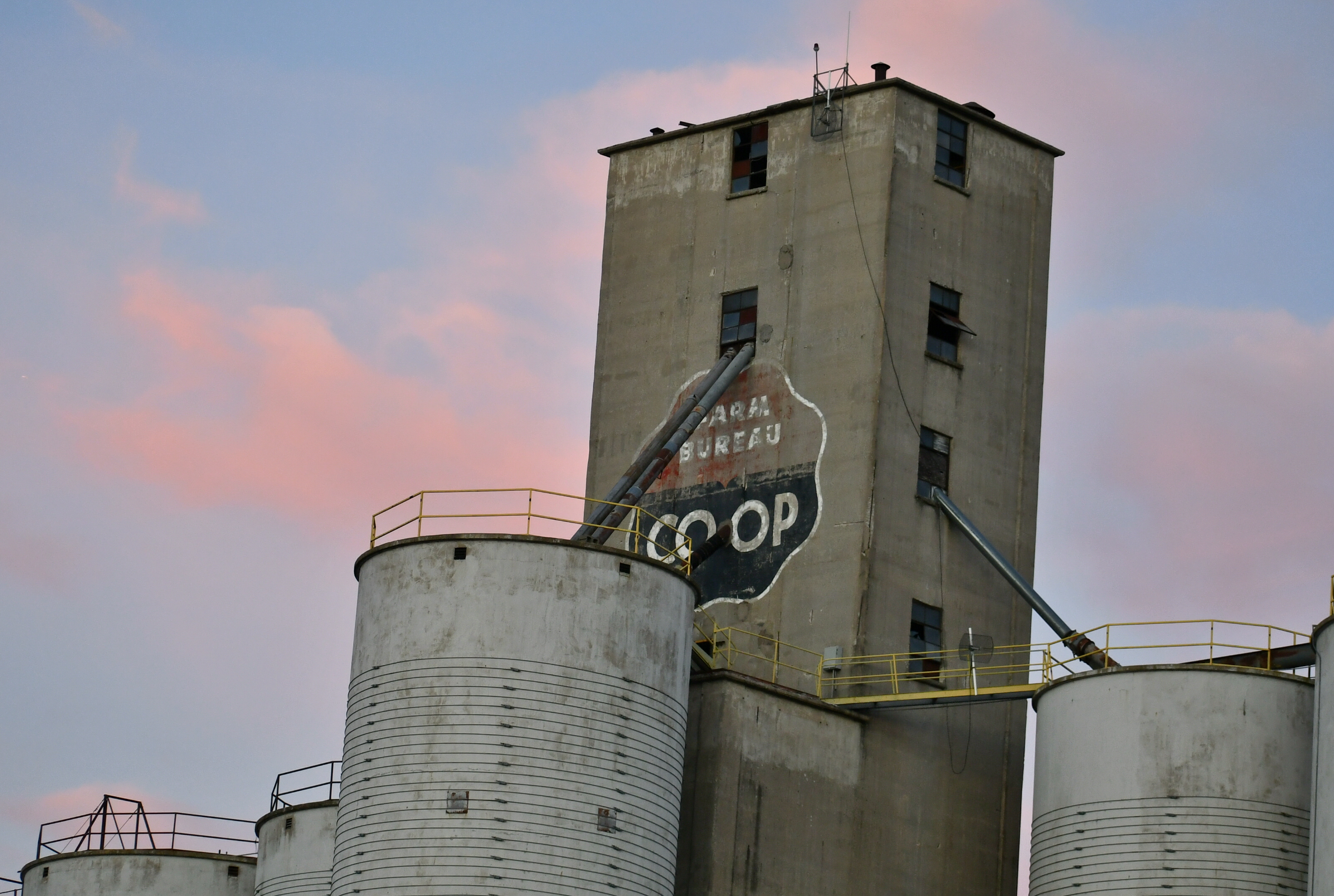
(CO OP)
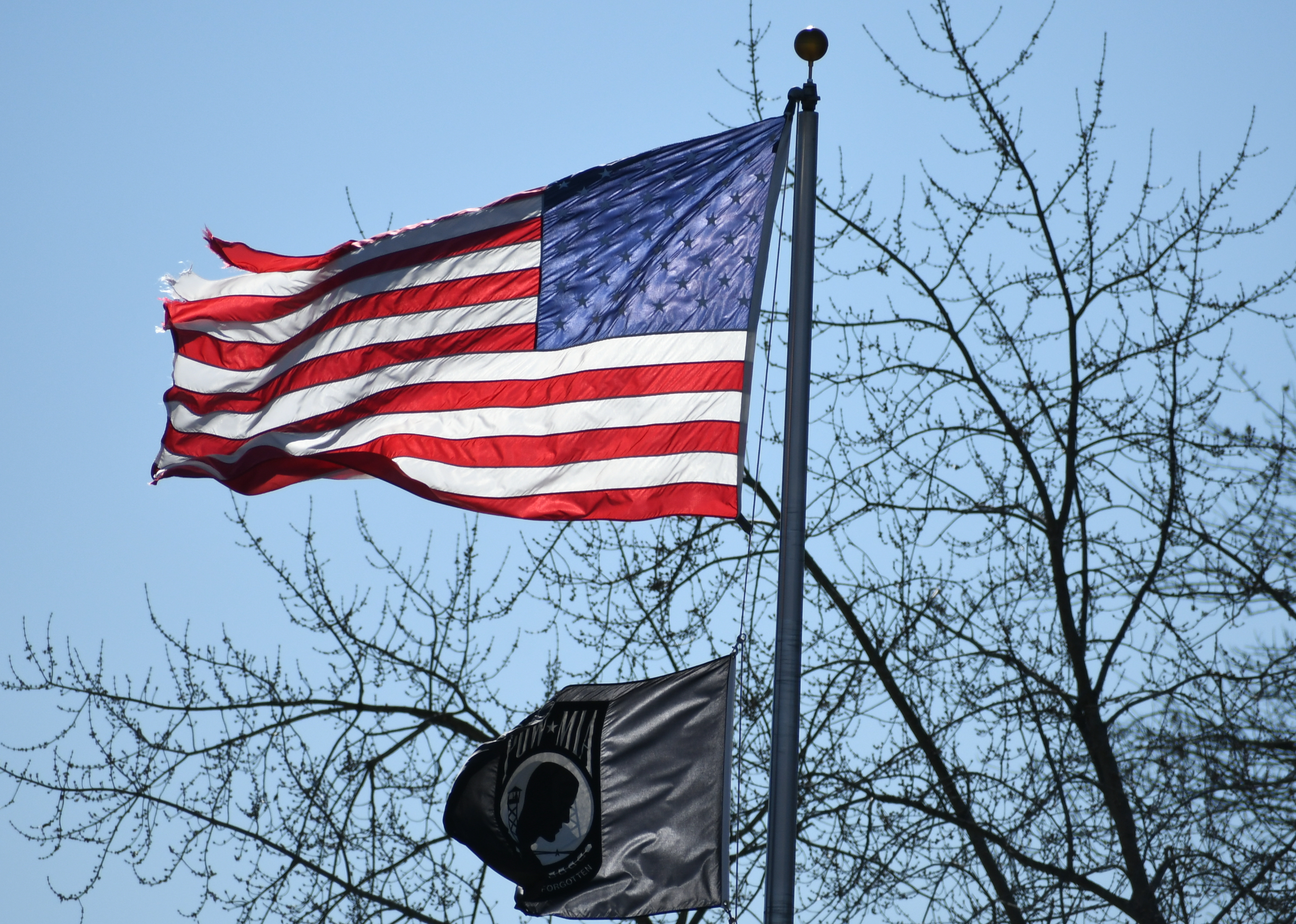
(American Flag-Vet MIA)
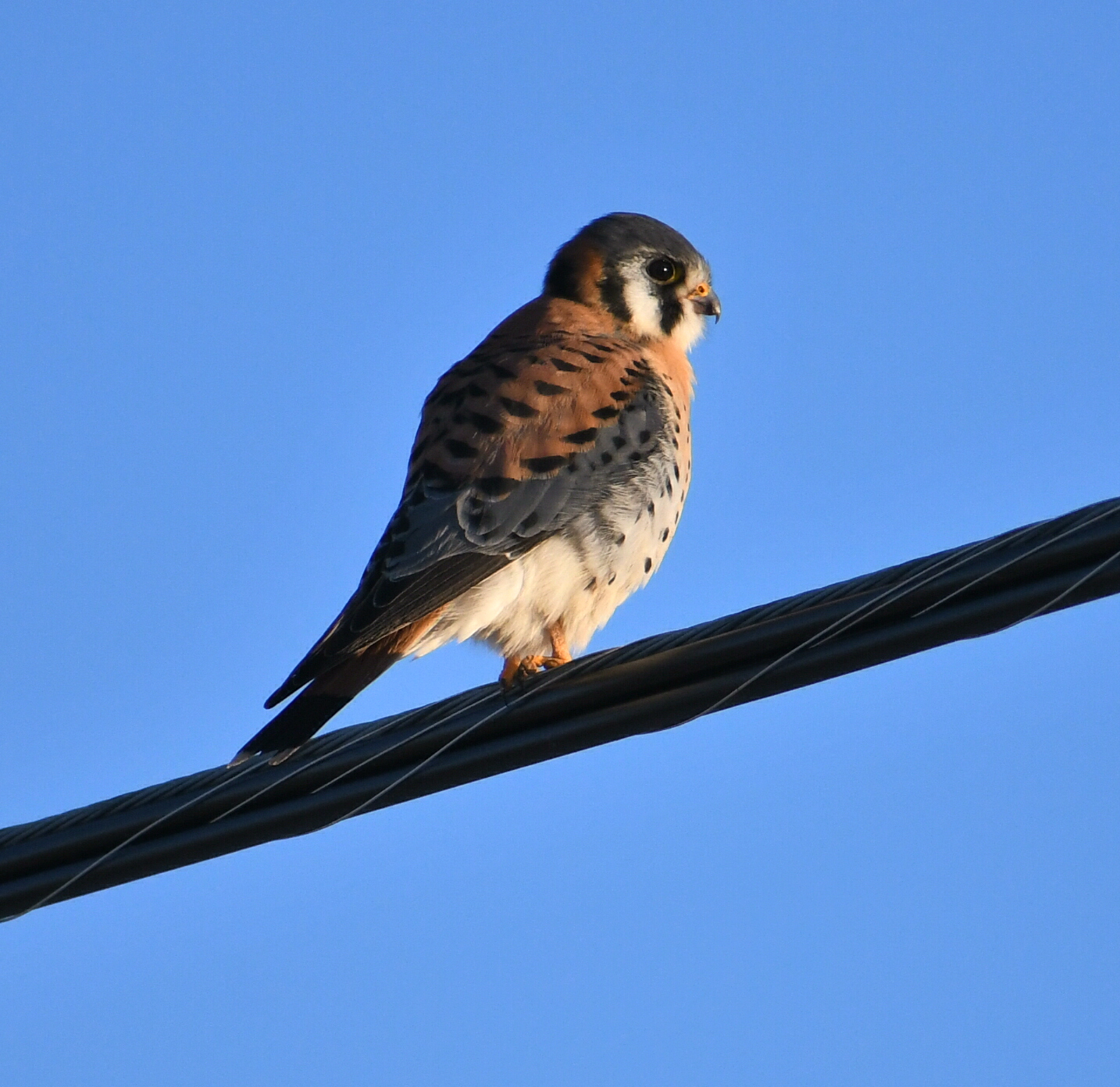
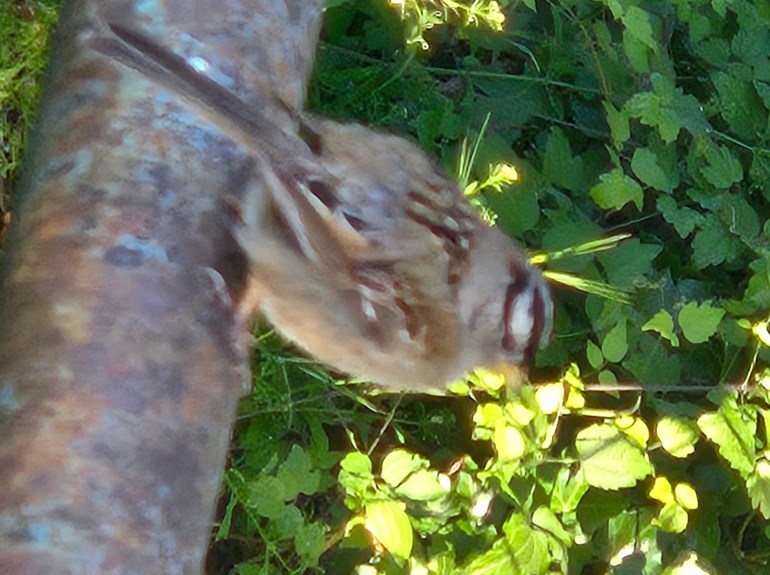
(Kestrel)
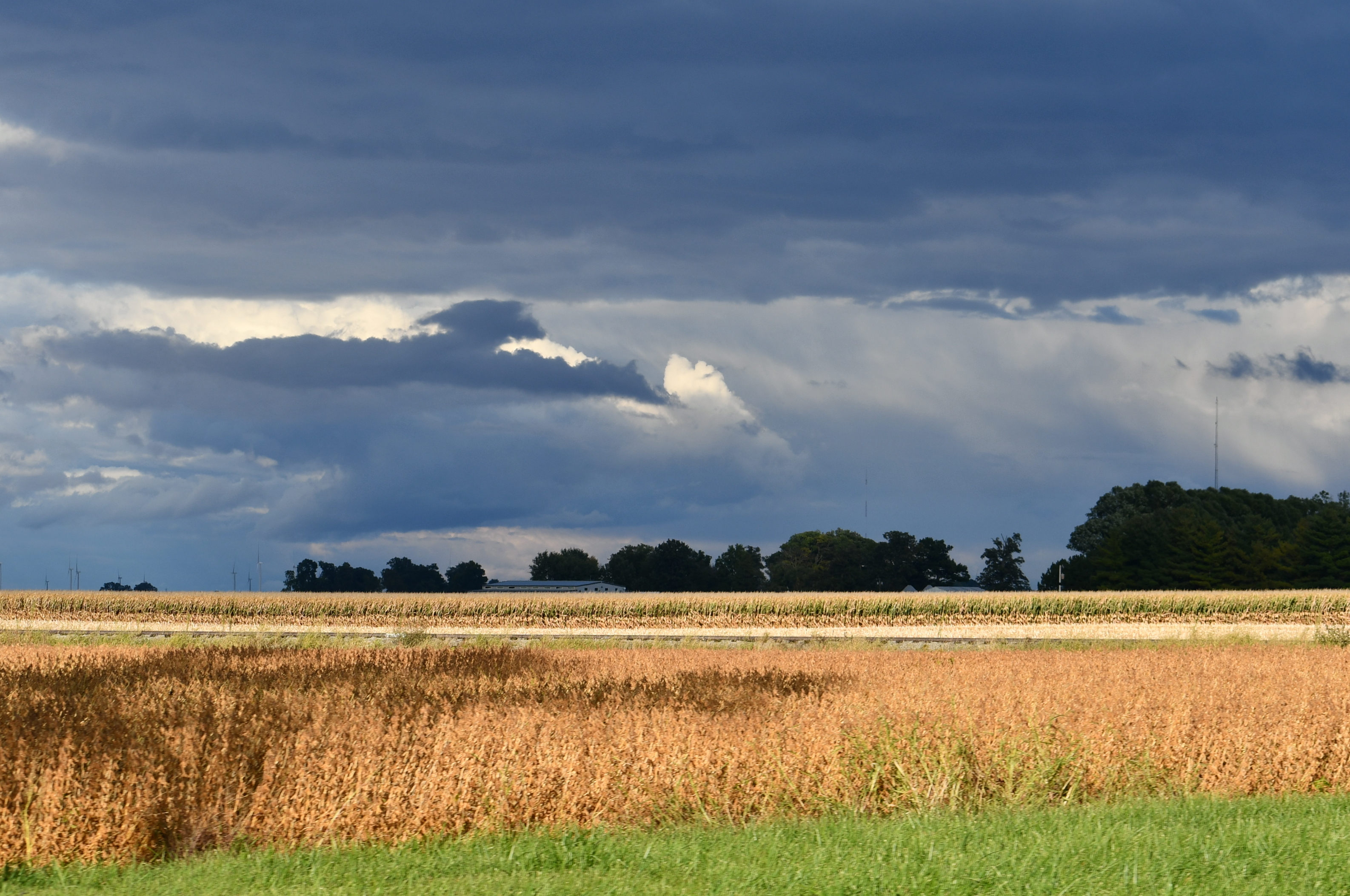
(Landscape)
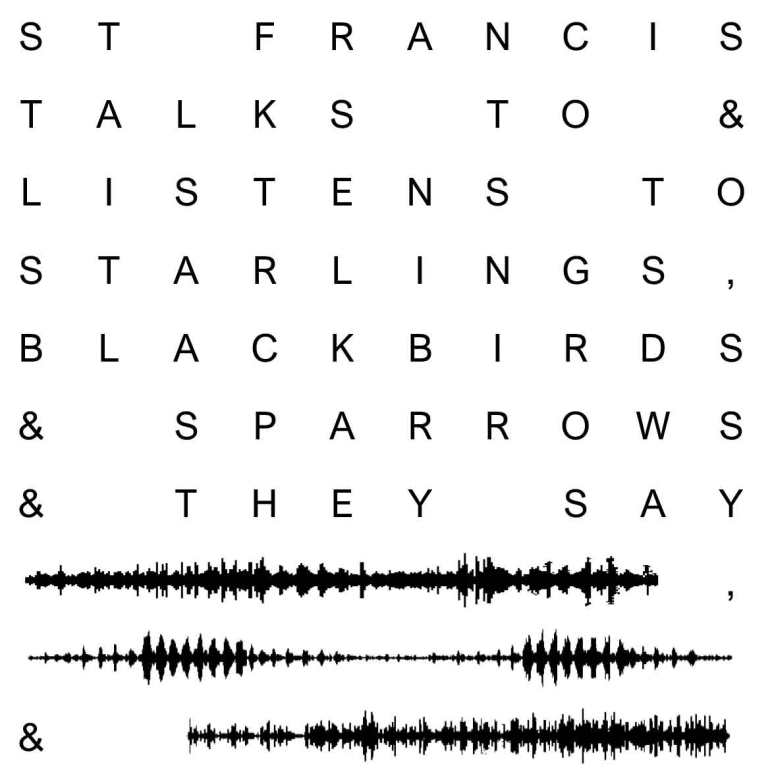
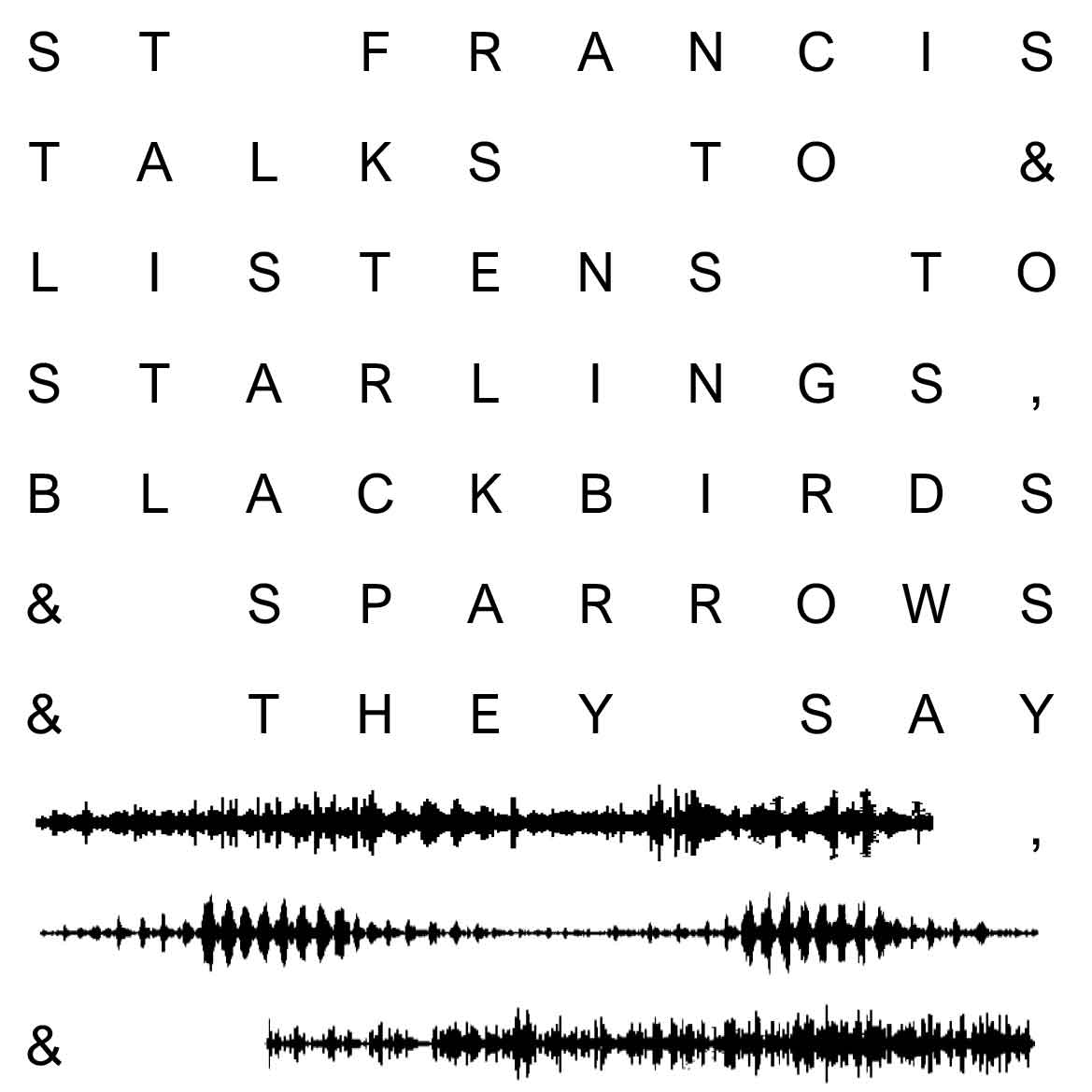
Words and Visual Music by Christopher J Ananias
Ludwig Wittgenstein is buried in the Ascension Parish Burial Ground, in Cambridge, UK, not far from where I live. His grave attracts its share of that tiny subcategory of gravestone tourists who happen to be interested in philosophy. I’ve visited his grave on several occasions over the years.
The austerity of Wittgenstein’s gravestone (an unadorned, epitaphless slab flush with the lawn, bearing the simple inscription: LUDWIG WITTGENSTEIN 1889 – 1951) has always seemed to me a fitting token of the austerity of his thought.
Sometimes visitors place little tributes on the stone: flowers, a handful of coins, a pinecone, or even cupcakes. The most frequent tributes, however, are tiny toy ladders.
In the second-to-last paragraph of the Tractatus Logico-Philosophicus, Wittgenstein’s first book, he writes:
‘My propositions are elucidatory in this way: he who understands me finally recognizes them as senseless, when he has climbed out through them, on them, over them. He must so to speak throw away the ladder, after he has climbed up on it. He must surmount these propositions.’
Hence the miniature ladders on his grave.
He then concludes, rather haughtily:
‘Whereof one cannot speak, thereof one must be silent.’
This admonition possesses the irrevocability – and silence – of a tomb, as if it were possible to say all there is to say, to exhaust the totality of the sayable.
On one of my visits to Wittgenstein’s grave, I saw one of these ladders, a straight ladder propped against the urn-shaped flowerpot that sits at the head of the gravestone. And only on seeing it, did I realise that I’d always thought the ladder Wittgenstein writes about to be not a single straight ladder but a self-supporting double-sided A-frame ladder, that is, a trestle ladder. Why? Perhaps because I thought that with a trestle ladder, I could cross over senselessness in an orderly (a sensible) way: I’d climb one side of the ladder believing that Wittgenstein’s propositions have meaning, and then, having at last recognised their senselessness, I’d climb down safely, and much the wiser, on the other side. There you go. Job done. That way, sense and nonsense would remain neatly separated and there’d be no risky cross-contamination.
But as I now reread what Wittgenstein wrote, I realise that he doesn’t say to climb down the ladder. No, you must throw away the ladder––so to speak. Yes, so to speak. But that’s precisely the problem: what does it mean to speak so? Where do you end up once you’ve climbed out through, on and over Wittgenstein’s senseless propositions? Would you be standing on a thoroughly elucidated, stable platform? But how could a platform resting on senseless foundations be stable?
The more I think about it, the colder my feet get about throwing away that ladder. And perhaps a trestle ladder is not such a bad idea after all.
But by 1945, more than 20 years after the publication of the Tractatus, Wittgenstein had completed the final manuscript of his last book, Philosophical Investigations, in which he rejects his earlier grand claims about senselessness and his haughty admonition to be silent.
Now Wittgenstein says that our making sense of the world involves what he calls language games, and that although we can’t form a perfect picture of how the world is, we can stitch together a makeshift patchwork of family resemblances of the world we experience. It’s impossible to say all there is to say, not because our languages are somehow inadequate, but because language games are open-ended: their rules can change, the game board can shapeshift, and you can always play one more game. Even though I hardly understand what Wittgenstein is getting at here, the expressions ‘language game’ and ‘family resemblance’ suggest an altogether homier and more human-scaled world than that of the Tractatus.
And the miniature ladders that sometimes appear on Wittgenstein’s grave seem to me to embody this change of mind that he sought to justify in the Philosophical Investigations. It’s as if these little playful tributes were saying that we can only climb diminutive ladders of senselessness, piecemeal senselessness in a vast plateau of meaningfulness (mostly?) of our own making––so to speak.

Dino Alfier
The city was hot.
But not like last week.
Humid, sticky, murderous.
Bart walked the streets.
The warm stench of urine wafted up from the grates over the subway.
Trudy was working.
She was always working.
Usually, Bart enjoyed taking a stroll around the city.
His mind would fire with interesting thoughts like fireflies in
the woods at night.
Today he went to the local Schlockbusters looking for a movie.
It was hot in the store.
No air conditioning. No good movies either.
He went to a local Great Buy. Nothing good there either unless you had four grand and change to spend on a flat screen TV.
Nothing in the music dept. no new CDs or music videos.
Then he went next door to the bookstore.
All the new books looked the same. They looked like a scam. Like something unreal.
The famous faces on the covers were all ugly and self-important.
He made his way over to the classics section hoping for inspiration.
Bart flipped through a book by Ernie Humdinger on writing.
Even when old Ernie tried to sound humble in his letters to other writers… He still came off as a pompous jerk.
Perhaps he should have written a book entitled “How to take yourself too seriously.”
Or better yet…How to be your own worst critic…kablam!
Bart walked past the homeless guy with the face of a crocodile outside of the drugstore. He would stay there every day and sing to himself. Not a great job, but seemed like he had tenure at least.
The world just was not creative anymore.
There were no great writers, musicians, filmmakers or intelligent life forms in all of Hollywood.
Every day a stupid new reality show was being perpetrated on the public.
The latest had a bunch of rich kids on a cattle ranch.
It was a rip off of another rip off of an old idea that was re-heated and re-cast.
Bart felt like he was inhaling sand and chewing on sawdust. To make things worse…everywhere he looked it seemed like new strange little birds were crawling in the dirt or in the bushes or flying over his head just a little too close for comfort.
An uneasy day.
Even the letters he strung together on his computer didn’t seem to
fit.
He tried to write a poem:
That’s What Happens
They come to me
at the strangest times
these images
of alligators playing croquet
a psychedelic Buddha
pink and white undies
underneath that blue and green tartan skirt
they come like lightning bolts
and dripping water
images of
leopard headed monkeys
with emerald eyes and tails
that never end
in the shower
or on the john
they crawl through my windows
with slimy tentacles
slippery and silent
pigeons explode inside my brain
horses and hippos
bathe in pools of
rainbow-glo blood
I guess that’s what happens
when love
goes away.
He immediately crumpled it up and threw it out the window. Fuck this Goddamn building he thought…no goddamn AC! The anger seared through him… another poem was making its way into his brain…he grabbed a pen and a piece of scrap paper.
Not An Artist
really bad poetry
keeps pouring out of me
like peacock blood
unicorn vomit
and mermaid gas
really bad poetry
like a mountain
of fool’s gold
is easy to mine
but useless to all.
really bad poetry
flows from this pen
ruining perfectly good
loose-leaf paper
words with
no order
or rhythm
or depth
dance away from my
fingers
and glare back at me
with righteous indignation
bad
bad
bad
bad!!!
with no purpose at all
just to fool a fool
who is
not an artist.
Again, Bart crumpled up the paper and threw it out the window. He stood up and looked at his reflection in the metal lamp pole on the desk. Distorted. He grabbed for another piece of scrap paper.
Roxy’s Cat
You’re asleep
I just know it
while your cat
patters about on a
black velvet carpet
of night
you’re asleep
I just know it
while my heart screams
your name
I listen to my air conditioner
it tells me to stay calm
be a cool cat…
while time washes me down the drain
my face
my smell
my laugh
my love
you’re asleep
I just know it
that water dripping
in my bathroom
told me so.
Once again, Bart crumpled up the poem and threw it out the window.
He walked over to the refrigerator.
Opened it.
Looked in.
Closed it.
Stood there.
Took his pen and wrote a note on the pad attached to the door with a magnet.
Then he went into the bedroom.
Packed a bag and never came back.
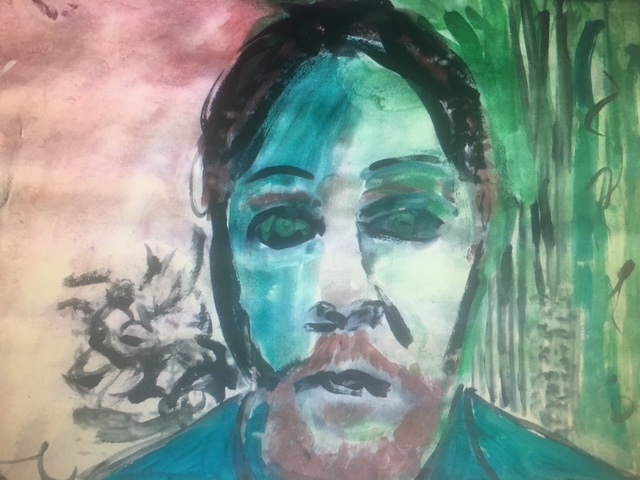
Adam Kluger (Art by Dreck)
Though there was a rumour that his grandad had been Benito Mussolini’s food taster, Andrew was a proud Scot. In his retirement, he took up volunteering part-time, at Innerpeffray, Scotland’s first free-lending library (established in 1680). Andrew loved to brag gently to foreign visitors that Scotland was the first literate nation in Europe, thanks to the Presbyterian Church which believed that it was the duty of every Christian to study the bible. And, to do that, the peasantry had to learn to read. Not that there were lots of foreign visitors, because Innerpeffray Library was off the beaten track, at the end of a no-through road in rural Perthshire. Summer Thursday afternoons were the exception – that was when a coachload of Dutch tourists would appear every week.
When he’d first started volunteering at Innerpeffray, Andrew had found this regular Thursday influx of (largely elderly) Dutch folk a bit odd. He’d once asked Eunice Drummond about it; she’d been volunteering there for many years. Eunice shrugged and said they’d been coming to Innerpeffray all the time that she’d been at the library. She thought that each group would’ve been staying the night at the Crieff Hydro Hotel, some miles across country. Or maybe they were on their way to the hotel…? She wasn’t sure.
How the Dutch had got to Innerpeffray wasn’t really a matter of acute interest to Andrew. He rather enjoyed an audience, and this Dutch audience understood English very well, even when spoken with his Glasgow accent. He would ask them to picture the strangeness of the idea, in the seventeenth century, that one should allow casual callers of all classes to turn up at the library and then go away again with a book of Shakespeare’s sonnets under their arm, books back then being a luxury item. And, having pricked his audience’s interest, he’d show them one of the old Borrowers’ Registers, which recorded not just the book borrowed, and the name and address of the borrower, but also the borrower’s occupation. They could see farm servants, weavers, quarriers, road menders and the like, borrowing works of philosophy, history, literature and theology, to carry miles back to their wee cottages to read by the dim light of their cruisie lamps.
On this occasion, most of his audience had eventually drifted away from The Borrowers’ Register and gone over to where Andrew’s colleague, Ronnie, was displaying the library’s set of Mercator’s Atlases. Ronnie had an atlas open at a page mapping seventeenth-century Holland, and was inviting visitors to locate their homes. Andrew’s attention was drawn instead to a Dutch couple peering into the glass case containing the library’s copy of Hollingshed’s Chronicles, a history of Britain first published in the sixteenth century. The book was open at the page illustrating Macbeth’s meeting with The Three Witches, a scene which Shakespeare was later to borrow and make famous.
The couple were elderly but vivacious, even vivid. Andrew was on his way over to them, to offer them a bit of background on Hollingshed and his Chronicles, when the woman let out a chiming peal of laughter. It stopped Andrew dead in his tracks.
Although the woman had her back to him, he recognised her by the laugh instantly, from fifty-odd years ago. It was Mila’s laugh. His mind went back to a tousled tent on The Lido in Venice, and the ever-green mystic meeting there of lips and legs. For a moment or two, he watched the two of them by the display cabinet, leaning into each other and whispering, in the time-honoured tradition of library conversations. It was plain to see that they were a happy couple, enjoying each other and their holiday in Scotland. Whereas his time with Mila in Venice, all those years ago, had not ended well.
Deliberately, Andrew turned instead to a small Dutch group who were puzzling over the library’s copy of the 1602 ‘Treacle Bible,’ so called because Jeremiah 8.22 reads ‘Is there not treacle in Gilead?’
Later, after the coach party had departed, to the Crieff Hydro or elsewhere, and the library closed down, Andrew climbed into the car for the short drive home. He was smiling. He and Dorothy were planning a sunny evening meal in the back garden, just the two of them. He was looking forward to it.
Michael Bloor
*This story was developed from an essay on Innerpeffray Library, and the books therein (‘A Favourite Place: Innerpeffray, Scotland’s oldest free lending library, established 1680’), published in Literally Stories October 28th, 2023.

Ralph sat in the back row of the classroom, slumped in the too-small desk, watching his instructor and taking notes in his cramped, pinched writing style. She was sure a looker, he thought, stealing a glance at her legs, her tiny waist and at her long, curly dark hair. Clearly, even apart from the apparent difference in their ages, she was out of his league. He sighed and dotted an “i.”
The pretty teacher introduced herself and asked the students to call her Allie.
“How many of you,” asked Prof. Allie Evans, “took this class as a part of a major in English?
Half of the 17 students, nine male, eight female, raised their hands. Allie smiled.
“How many of you are studying Creative Writing as a part of a vocational pursuit? As a part of learning to write better as a part of your job?”
All the rest of the students, apart from Ralph and one other, lifted their arms.
Allie nodded, then looked closely at Ralph and then at a pretty woman in her 40s. The teacher consulted a roll sheet/seating chart.
“What about you?” asked the teacher, addressing the raven-haired woman sitting in the front row. “Ms…Wiseman…why did you enroll in this class?”
“Please call me Betty,” said the woman. “I’ve always been an avid reader, since I was a little girl. “Lately, I’ve become interested in actually doing the writing myself. I guess I was curious about the nuts and bolts of writing fiction. So, here I am.”
Allie smiled again and nodded. She turned back to her seating chart. “And…Mr. Phillips…is Ralph okay?” she asked.
Ralph nodded. “I’ve tried writing some short fiction over the past year and, like Betty, wanted to delve into the fundamentals of fiction writing.”
“Have you ever got to the point where you submitted any of your writing?” Allie asked.
Ralph nodded.
“How did that go?” she asked next.
“Jury’s still out,” he quipped, and the class chuckled. He added, “I’ve been published twice so far.”
“Congratulations,” said Allie. “If you hear any more on work you’ve submitted, please let us know.”
Ralph nodded again.
“One rhing, about grades,” said Allie to the class. “A letter grade is just that: a letter. It says only that you successfully completed your classroom assignments–or didn’t. I’m required by the university to tender a letter grade, but I think they are not necessarily reflective of what you’ve actually accomplished. Bear in mind that the very successful writer Stephen King failed abysmally in the one creative writing course he took.”
A woman raised her hand. “Is that true?”
“Of course not,” said Allie. “Don’t be ridiculous.”
_____
A week later, the professor told the class: “Over the next couple of weeks, I’ll want to meet with you, one on one, for a brief dialogue. The purpose of this meeting will be to divulge your particular interests in writing and how this course will best serve those interests. It’ll be very informal and last around 20 minutes. Oh. And the university journal, The Argus: you can earn extra credit by volunteering your time as a slush pile reader. Let me know if you’re interested.
As the class became engaged in a “free write,” Allie turned up a leather-bound appointment book and drifted from student to student, arranging appointments. When she got to Ralph, near the end of class, she asked what would be convenient for him and he replied, “Any time. I’m retired,” he explained. The class, which ran on Tuesdays and Thursdays, from 2-4pm, then concluded and Allie asked him if that afternoon would work for him. He agreed that it would.
After everyone else filed out, Allie asked him if he’d like to join her in the university coffee shop, where they could enjoy a cup while they talked. “Or is it too late for coffee for you?” she asked.
Ralph said, “I drink coffee all day long.”
“Then you’re a natural writer,” she told him with a smile. They walked the short distance from the classroom building to the student union, to the coffee shop.
Allie was very informal in her questioning, asking about the breadth of Ralph’s literary interests and what his ultimate expectations were with regard to writing. He listened attentively to her questions and answered as best he could, but was frankly more interested in Allie than in her queries. Was she flirting with him, he wondered. He told her he had been divorced for almost two years and had two daughters, fully grown. He didn’t mention that he missed his ex- dreadfully.
“If you’ll pardon my asking, Ralph, how old are you?” she said. He told her.
______
“Your next assignment,” said Allie one afternoon, “is to get together with at least one other fellow student and collaborate on a short story. I’ve taken the liberty of selecting a partner for you, based on age, which is superficial, but it’s a pretty reliable parameter, in terms of personal history and perspective.” She handed out a slip of paper to each student, with the name of their partner on it.
A hand shot into the air.
“Yes, Betty?” said Allie.
“How long of a story do you want?”
“Whatever length you and your partner feel comfortable with,” replied the teacher. “I’d prefer at least flash fiction, which for our purposes would be from 500 to 1,000 words.”
“How long do we have to complete the assignment?” inquired Matt, a 30-something man seated in the middle of the classroom, whose presence seemed to radiate sexuality.
“I’ll give you two weeks, or four class periods,” said Allie. “You may want to meet outside of class to complete your assignment; in fact, I’d say it’s almost a must. The questionaire I distributed last time showed that of the 17 students enrolled in CW, all but two of you are unmarried.”
“We’re all adults, Allie,” another woman pointed out.
Allie smiled. “Precisely, Priscilla,” she said. “This is another course, like any other. This is your assignment; it’s homework.”
“Tell my wife that,” muttered another student. The class laughed.
“I suggest you take your laptops and meet in the coffee shop in the student union after class,” said Allie. “I met with a student there for our dialogue last week and there was very little traffic after this class let out. When you turned in your class schedule, I saw that no one has another class after this one and I presume that most of those who are employed don’t need to report back to work after this class.”
No one raised an objection. “So, any questions?”
No one had any questions, either.
“Alright, time for a free write.”
Ralph gazed across the classroom and observed that Betty, the student whom Allie had selected to partner with him, was headed his way. This was expected, since she was obviously the student closest in age to him.
“Hi, partner,” she said brightly, approaching his desk as the class let out.
“Hi,” he answered back, instantly noting that her ring finger was bare. She made the same appraisal of him and they both smiled.
Ralph came to his feet and they filed from the classroom. Entering the coffee shop, the same waitress approached their table and smirked at Ralph. “Will you be having your usual?” she asked.
“Yes, thanks,” he said.
“Come here often?”asked Betty.
He shook his head no. “Just once before,” he replied.
Betty ordered. She took out her laptop and booted it up.
“Maybe we should introduce ourselves a little,” suggested Ralph.
“Okay. I’m Betty Monroe, unmarried, 42 years old. I live in the city. I work as a copywriter for a Fortune 500 company. Although I write for a living, I’m taking this course in order to strengthen my creative approach to writing.”
“Ralph Phillips,” said Ralph. “I’m unmarried–now, and I retired two years ago.”
“What did you used to do?” asked Betty.
“I was a chemical engineer for 25 years,” he replied. “I own a couple of proprietary patents and so I retired.”
“How old are you, Ralph?” asked Betty pointedly.
“In two months I’ll be 55,” said Ralph.
“I see,” said Betty cooly.
“Is there a problem?” asked Ralph.
“It’s just that, well, our world view won’t be sympatico,” Betty began.
“I beg your pardon?”
“You’re practically a full generation older than I am, Ralph,” she said. “I mean, I wasn’t even alive when they landed on the moon, whereas you were.”
“Betty, this isn’t a dating service, it’s a creative writing course.”
Their drinks were served.
“Certainly, I know that,” snapped Betty with overt hostility.
“Then what is it?” said Ralph with hostility of his own.
“I would like a more contemporary perspective from a writing partner,” she said bluntly. “You’re just too damn old.” She rose from the table, her coffee untouched. Folding up her laptop, she stalked off.
Walking back to the classroom, where he’d forgotten his raincoat, Ralph found Allie still there, typing away. He briefly described the incident at the coffee shop.
“Not to worry,” Allie said brightly. “Another student dropped out, leaving a second student without a partner. It happens.”
“So who’ll partner up with me?” he asked, doing some rapid arithmetic.
“I will,” she said. “You’ve had work published before, so you were probably too advanced for Betty anyway. She would’ve been intimidated by your track record.”
“If you say so,” muttered Ralph, remembering the scene with his erstwhile partner.
“At all events, Betty will have the youth she sought,” said Allie with a crooked smile.
“Do you want to go to the coffee shop?” asked Ralph.
“No need,” she said. “We can do it here.”
Ralph took a seat at a desk near Allie’s.
They performed their introductions. When it came to the age question, Ralph was surprised. Allie knew Ralph was mid-50s and Ralph figured her for mid-40s. He got it wrong by 10 years.
He said, “And I would’ve sworn you weren’t a minute over 30,” he said gallantly.
“I’ll be 53 after the first of the year,” she assured him. In response to his look, she brandished her naked ring finger.
They both smiled.
______
Ten days later, Ralph sat at what had in fact become his regular table in the university coffee shop, tap-tap-tapping away at the fiction on which he was collaborating with Allie. He paused to sip from an iced coffee and glanced up in time to spot Betty threading her way through the tables to the rear of the shop. In her wake walked Matt. the 30-something stud muffin from the class. Matt looked up, spied Ralph and waved. Ralph returned the greeting, but Betty, observing Ralph, spoke shortly to Matt, who then sheepishly averted his eyes back to his companion.
Ralph only chuckled and returned to his laptop. He was joined soon after by Allie, who took no notice of the other two. Betty spied her, however, and her lips became a thin, unsmiling line.
“Hi,” Allie said as she settled herself at the table.
“Hi yourself,” said Ralph.
“Your number one fan is at the table near the back,” she whispered.
“I didn’t think you saw them,” remarked Ralph.
“I’m a teacher,” she explained. “I see everything.” She smiled at him as though she knew a secret.
The secret was that they had become lovers only the night before. Her eyes twinkled.
“Looking good, professor,” whispered Ralph.
“Feeling good,” she agreed.
“Can I get you anything, Allie?” asked Ralph.
“I’ll take another helping of what you served last night; or was it this morning…” She erupted with laughter that sounded to Ralph like ice tinkling in a glass tumbler.
Ralph glanced at the other table and spied Betty observing them with a jaded eye. Allie looked too and said, “My, she looks perturbed.” She smirked.
“I wonder what her problem is?” said Ralph.
“Maybe her young Adonis can’t get it up,” suggested Allie, who laughed all over again.
When Betty and Matt glared at them, Allie feigned seeing them for the first time and waved. Reluctantly, the other couple returned the greeting.
“Ah, youth,” murmured Allie, catching the waitress’s eye and placing her order.
“Did you complete the outline for our short story, Ralph?” asked Allie, suddenly all business.
“Just finishing up,” he announced, turning the computer so she could see.
“No, that’s alright,” said Allie, “I’m come look over your shoulder.”
Betty’s eyes were sharp as gimlets as they absorbed the closeness of teacher and student. Allie came around the table and leaned far over Ralph’s shoulder, their cheeks almost touching.
Ralph felt a little awkward, but not Allie. “I could take you right now, Phillips,” she said in a low, heated voice.
This struck Ralph as funny and he made a smart remark about doing it on the table. Allie turned to face him, her brows lifted provocatively. “I’ll get on my knees and suck your cock,” she threatened in a stage whisper.
“Ssh,” he cautioned. “They’ll hear!”
Allie turned her face back to the laptop, but dropped her hand, unseen by the others, into Ralph’s lap and began kneading his privates. Ralph gasped.
“Don’t tell me you never got it on in a public place,” she chided, increasing the pressure on his genitals.
Ralph’s head swam. “Al…Allie, please, stop.”
“Oh,” she murmured with a pout, releasing him. “You’re no fun.”
She went back around to her own seat. Ralph’s face was red and he was breathing hard. Allie took the laptop and turned it so that it was facing her. She typed a few strokes and pushed it back towards Ralph.
It read:
“Is your dick hard, lover boy?”
He nodded mutely.
Allie pursed her lips. “Goody,” she said.
_____
They were having supper at Allie’s; aside from being a beautiful woman and a professor and an award-winner author, she was a gourmet cook. Ralph shook his head. How did he get so lucky? he wondered.
“What are you thinking?” she asked, spotting the gesture.
He told her, but her reaction wasn’t what he’d been expecting.
“Luck had nothing to do with it,” she said matter of factly.
“Fate?” he asked. “Destiny? Kismet?”
“I don’t believe in any of that horseshit,” she said gruffly.
“Then how do you explain it?’ he asked.
She looked at him somberly for such a long moment that he became restive.
“I told you I’ve never been married,” she went on, filling in the gaps where his thoughts had been percolating. “Didn’t you ever wonder why I never pressed you about ex-wives, significant others, children and the like?”
“Well, sort of.”
“You were married to your high school sweetheart in 1994,” Allie said. “She died tragically in an automobile accident four years later. You had no children…”
Ralph’s jaw grew rigid. Was he being stalked? he wondered.
“You can find out anything on the web,” she added, easing Ralph’s mind a little. “Then you married Gail Fisher, a high school biology teacher, in 1998. You had two daughters, Beth and Kris, now 20 and 19 respectively…”
“What’s the point of the summary, Allie?’ Ralph asked, stemming the tide impatiently.
“The point,” said Allie, stepping forward, “is that I want to marry you!”
“What?” he yelped, taken by surprise.
“I’ve taken you to my bed, many times, over the past month,” said Allie. “I let you kick the tires, look under the hood, take my chassis for a spin around the block.”
“How can you say you want to marry me?” asked Ralph. “We barely know one another.”
“You knew Gail only two months before you proposed,” she reminded him.
“Yeah, things like that,” said Ralph. “How do you even know that? It’s not on the web. Only Gail and I know that…” He paused as a light dawned in his eyes. “You know Gail,” he said slowly.
“Right the first time,” said Allie. “I met Gail in junior college back in the 90s when we were both undergraduates. We kept in touch. Literally,” she added wistfully.
“What do you mean?” he asked, dreading the answer.
Allie ignored the question. “Gail always told me, ‘I’ve got this hot guy. He’s hung.’ and she was right.” Allie smiled saucily.
Ralph frowned. Who was she kidding? he thought. He had always been only modestly endowed, at least according to the women he’d known.
“And she said this guy could go all night,” said Allie.
Well, okay, maybe that was true, agreed Ralph to himself.
“We used to compete for guys,” Allie went on. “But she told me to stay away from you, and then you were married, and so…”
“But now?” he prompted.
“Gail emailed me a while back and told me that her divorce had been finalized and it was open-season on her old man.” Allie tittered lightly.
“But how did you even know I’d enroll in your class?” asked Ralph.
“That was serendipity,” admitted Allie, “but when Gail told me you were taking the class, I shuffled class schedules around just enough…” She smiled complacently.
“So what now?” asked Ralph.
Allie shrugged. “Honeymoon in Hawaii?” she suggested, only half kidding.
“What makes you think I even want another wife, Allie?” Ralph asked.
“In me you’ve got a woman within three years of your own age, so our memory set and social perspectives are sympatico. I’m a well-compensated, tenured professor, so you know I’m not scoping you out just to get your dough. Plus, I’ve got a killer bod’–you’ve got to admit.”
Ralph nodded unconsciously. It was all true.
“Plus,” she added, “I like to go all night.”
_____
Ralph stood uncertainly under a beacon of light, squinting against the glare. Slowly he moved forward, out of the light, and suddenly it was dark as midnight. The roar of an engine caught his attention and up to him sped a sports car. He couldn’t see the driver for the dim light. Abruptly the vehicle slammed on the brakes and drew to a halt. Ralph gasped. He fell forward, over the hood of the car and could hear the cooling engine ticking.
Next Ralph found himself in a parking lot behind some retail stores. He observes two vagrants, a young woman and an even younger man, rummaging through a dumpster, caching items in a large black trash bag. They pay him no mind. Suddenly, Donna Lee, a woman Ralph knew as a teenager, appears and the other woman begins softly singing. At the conclusion of the impromptu concert, Donna Lee applauds politely. She tells the pair that she’ll take them to the bus station and buy them tickets home. The three disappear out of Ralph’s vision.
Ralph startles awake and Allie is there in bed beside him. He tells her his dream and asks what it means.
Rather than explain, she says, “You can use your dreams and bizarre half-memories in your writing, lover, but don’t include a dream in the text. That is a faux pas and a cop out and an outdated literary technique.” Then Allie goes down on him.
_____
In class several days later, during a free write, Ralph is immersed in the creative process. He pays no attention to the rest of the class. He hears Allie say something from the front of the room, but he pays it no mind. At once the rumble of conversation increases and Ralph hears whistles and cheers and applause and his name.
He glances up and everyone is looking at him.
“Congratulations, Ralph, old man,” says Matt, slapping him on the shoulder.
Ralph stares stupidly.
“I hope you’ll be very happy!” he hears Betty say.
Another student asks Ralph, “When’s the big day?”
“For what?” asks Ralph, still out of the loop.
“Your and Allie’s wedding, man,” says yet another student. “Allie just told us,” he said.
“Like iron filings drawn to a magnet, Ralph’s eyes lock with Allie’s. She’s running her pointed tongue over her pink lips.
Ralph gulps.
_____
Ralph is in Allie’s bed and they just got high. Ralph peers closely at the soapstone pipe Allie always proffers.
“What kind of pot is this?” he asks. He has forgotten to inquire about their purported wedding. He learns from the class that everyone will be in attendance.
“The park is a great idea for a wedding, Ralph,” said Mary, a 30-ish student in the creative writing course. “Good thinking. Allie told us it was your idea.” She smiled and her mouth looks so wide he’s afraid she’ll swallow him.
Ralph asks Allie again, “What kind of pot is this?”
She shrugs. “The kind that gets you high, I guess. Why? Does it taste weird to you?”
Ralph tires to form an answer, but he is having difficulty organizing his thoughts, a sensation coincident with his deepening acquaintance with Allie.
“No, it’s fine,” he says, and sighs.
“I can’t believe you didn’t get high before we met,” she remarks.
“The firm I worked for could fire you for cause if you got busted for smoking pot,” remembered Ralph. “Besides, it was illegal most everywhere until just a few years ago.”
“Wanna smoke some crack?” Allie asks him out of nowhere.
“No,” he says positively. “That shit is addictive and it is still illegal. You don’t do it, do you?”
“No,” she replied. “But one of my students gave me a dime bag and told me how to smoke it.” He looks down at a couple of small white rocks Allie holds in her palm.
Ralph shakes his head no.
“Okay, baby,” says Allie agreeably. She tosses the crystals into the waste basket.
Ralph wants to tell Allie about the personality changes he’s been experiencing, but doesn’t want to worry her. So he says nothing.
There is but one class period left in the course, and Allie is sitting up in bed reading manuscripts created by her students and submitted in lieu of a final exam.
“How do they look?” asked Ralph, seeing Allie chuckle.
Allie only shakes her head and shuffles through the pile.
“I invited someone over tonight, Ralph,” she tells him.
“Tonight?” he asks. “It’s getting sort of late for guests, isn’t it? We’ll be going to bed soon.”
“That’s the thing,” replied Allie. “I want us all to go to be together, you know?”
Ralph knew that in her colorful past, Allie had been a player, but he hardly expected that life to continue, and if it did, to include him.
“Who is it?” he asked cautiously.
She hesitated a beat and then said, “Gail.”
His ex-wife!
“You talk about her in your sleep. You told me you’re still in love with her,” she pointed out. “And she misses you too, Ralph.”
“Allie, that part of my life is over. It’s behind me.”
After a moment, he asked, “Did you and Gail ever…?”
She nods.
Ralph blew out a breath. “Whew!”
She is looking close at him. She narrows her eyes.
“So what do you expect to happen here tonight, Allie?” he asks with morbid curiosity. Oddly, it seems to him, Ralph doesn’t feel at all turned off at the prospect of making love with both his former wife and his girlfriend. And he iss still in love with Gail.
“I can see you’re intrigued,” noted Allie with a smile.
Ralph couldn’t help himself; he grinned. “Well,” he said, “a Ralph sandwich. What’s not to like?”
“Then try this on for size, lover,” said Allie. “She’s bringing someone with.”
“The electric spark died instantly. Feeling proprietary about both his ex- and his current girlfriend, Ralph didn’t want to share.
Seeing Ralph’s distress, Allie smiled and put him at his ease. “You can relax, Ralph. Gail is bringing another woman.”
“How will that work?” Ralph wondered aloud.
Allie smiled. “We’ll just play it by ear, okay?”
_____
When the other couple arrived, Ralph noticed obliquely that there was someone, a slender, 30-ish blonde, in company with his ex-wife, but Ralph only had eyes for Gail. She looked good: a few pounds heavier, but it suited her, a positive contrast to the whippet-thin physiogamy she’d had for the years of their marriage.
Gail introduced Petula–‘Pet’–to Allie and Ralph, but it didn’t really register. He couldn’t take his eyes off Gail. Her hair, still dark brown, was longer, the lines in her face sharper, but she looked, Ralph decided, damned good. The two couples sat around drinking wine for a while, but Ralph didn’t taste his. The gathering was friendly. Pet addressed Ralph.
“So you retired early, Ralph. What do you do to fill your days?”
When he didn’t immediately respond, Allie touched his elbow.
“Oh,” he said. “I take classes at the university. That’s how I met Allie.”
“That’s how everyone meets Allie,” said Gail with a little smile.
Ralph found the remark jarring. Another reminder that Gail and Allie been intimate? he wondered. Feeling suddenly left out, he grew quiet again.
“Hey,” said Pet, “I’ve got some blow. A full gram,” she added.
Allie perked up, but Gail didn’t react. She was watching him.
“Are you into illegals now, Ralph?” she asked in a neutral tone.
Ralph remembered Gail as being almost reverential about treating her body “as a temple,” and how she’d seldom even drunk alcohol during their nearly 20 year marriage. He looked at her curiously. Then was relieved when she didn’t partake. Pet sprinkled the translucent crystals onto a small mirror and cut them finely with a razor blade. Allie participated with enthusiasm, as did Pet, but Gail concentrated on watching Ralph.
Of course, Allie pulled out her stash and they smoked some pot. Gail did participate here. After a few minutes, the voices became a soft murmur and Ralph felt himself nodding off. When he awoke, Gail was sitting on the sofa, watching him.
“Where…where are the others?” he squeaked out.
“Allie took Pet upstairs…” said Gail, “…to see her etchings.” She laughed.
“They went up to bed?” asked Ralph bluntly.
“Uh huh. How does that sit with you, Ralph?” Gail asked.
“I…I don’t know. I’m confused.”
Gail didn’t say anything.
“I feel,” said Ralph, “totally at sea.”
“I’m not surprised,” replied Gail, taking up Allie’s small dope pipe. “How often do you smoke this shit?” she asked.
“Every time Gail and I are together,” replied Ralph. “Sometimes two or three times a night. What?” he asked, “it’s just pot, right?”
Gail drew the pipe to her nose and sniffed. “Not quite,” she said.
“Then what is it?” he asked.
“Peyote,” she answered. “Mescal buttons,” she added. “Probably blended with a little PCP or opium.”
“I…don’t do hallucinogens,” protested Ralph rather fecklessly.
“Okay, Ralph.”
“You mean,” he said, “that Allie has been drugging me with hallucinogenic drugs? Is that why I’m seeing things, imagining things that don’t really happen?”
“You were always good at math,” she told him. “Put two and two together.”
“Why would Allie do that?” he asked.
“I haven’t spent that much time with her over the past couple of years,” said Gail.
“She said she knew you from back in the day,” said Ralph.
“I was a bit of a wild child in my undergraduate days,” allowed Gail. “Then I settled down and married you. I figured all the craziness was behind me.”
“And now?” he asked.
Gail took a moment to answer. “I’m still in love with you, Ralph. I never fell out of love with you. It was the empty-nest syndrome and your retirement and the sudden closeness all the time. I felt like I was smothering.. I want to give us a second chance. How do you feel about that?” she asked.
“I think…I…God, you look good, Gail!”
She smiled.
“How do you feel about Allie? she asked. You’ve become a fixture in the other’s life over the last few months. Are you in love with her, Ralph?”
“It’s been like rush week back in college, too much, too soon, and now I learned that she’s been feeding me psychedelics…I don’t think I would categorize it as love. I’ve been lonely this last two years,” he admitted. “I guess I was trying to fill up the spaces, you know?”
Gail nodded.
“What is, uh, your relationship with Pet?” he asked.
“She teaches at the same high school that I do,” explained Gail. “She’s a lesbian and I told her my intentions with respect to you, and offered to fix her up with a crazy-sexy woman who made good bread. Pet is a bit of a loose cannon and I thought they’d hit it off. They did.”
Ralph sat contemplating what Gail had told him. As if reading his mind, she said, “I think you have about outlived your shelf life with Allie, Ralph. She’s used to more…variety…in her love life, if you know what I mean.”
“How did your plans for me figure into everything that Allie did, Gail?” asked Ralph.
“Ah,” said Gail, waving a finger at Ralph, “that would be telling.”
Ralph stood. “Let’s get out of here, go back home.” For the first time in two years, Ralph was again considering their former domicile as a home.
“I like the sound of that, Ralph,” said Gail. “Should we leave Allie and Pet a note?”
He shook his head. “I think they’ll figure it out. I’ve got the feeling that this is what at least some of you had planned all along.”
Gail stood as well. Ralph approached his ex- and kissed her lips gently, and then with more passion.
“Umm,” she said.
As they drifted to the door, held tight in one another’s arms, Gail asked, “What grade did you you get for the course?”
“An E,” he replied at once.
“You mean, you failed’?” she asked.
Ralph shook his head. “No,” he said. “I got extra credit.”

