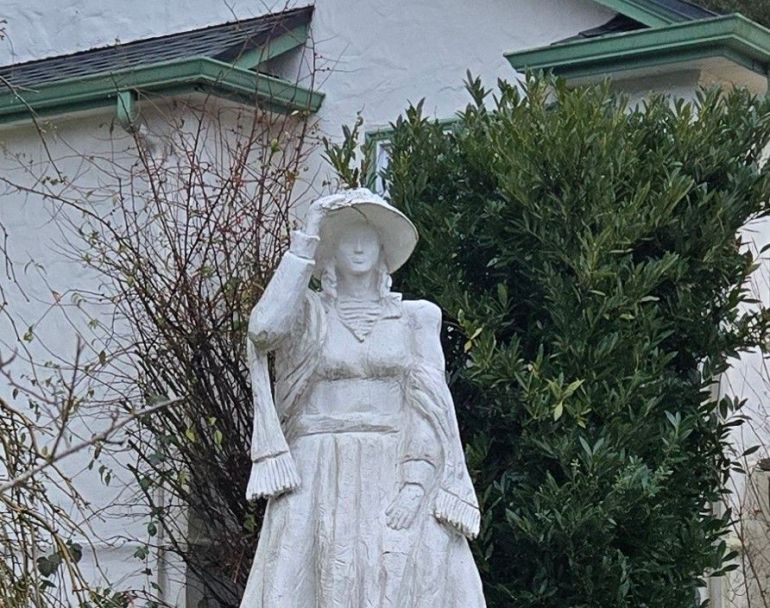
Man with an Umbrella by Jonathan Chibuike Ukah

The man held an umbrella over his head,

like he held darkness from crashing into light.

A sartorial suit sold in Soho,

an Obama shirt, a Trump rain jacket,

Che Guevara’s moustache,

Fidel Castro’s pipe, Abacha’s sunglasses,

Kim Jong-un’s shoes and Clinton’s smile.

The man walked like Armstrong on Mars,

as though all of the ground was wool.

How the clouds had descended on earth,

made the floor of every garden fluffy,

chastened the rough places,

patched up the crooked landscape,

that he who was the next thing to an angel,

would go with no broken bones,

or blistered toes, or bloody eyes.

His blessed hands had pulled down the lift;

his tender, socked feet matched on a white terrace,

smeared it with the blood of the nine-year-old.

He married her with full rites and rights.

But it was his hands that touched off this inferno,

by which he fondled two breasts in passing,

though his innocence glowed from his collar,

shouting, it’s better to die of passion than of boredom.

He was a devout believer;

prayed seven times a day,

even as he walked on the tapestry of the sky,

the red carpet which Heaven laid out,

for those who would ascend at the rapture.

Watch the umbrella! Watch the umbrella!

with a nipple like a virgin’s.

Who would blame him for touching it?

It’s like caressing the pages of his holy book.

And as he went home that rainy day,

the night was too virile a consolation,

from a day woven with the linen of fear,

when he would tear off these garments,

lay beside the limp body of his wife,

and closed his blessed eyes and mouth.

Jonathan Chibuike Ukah

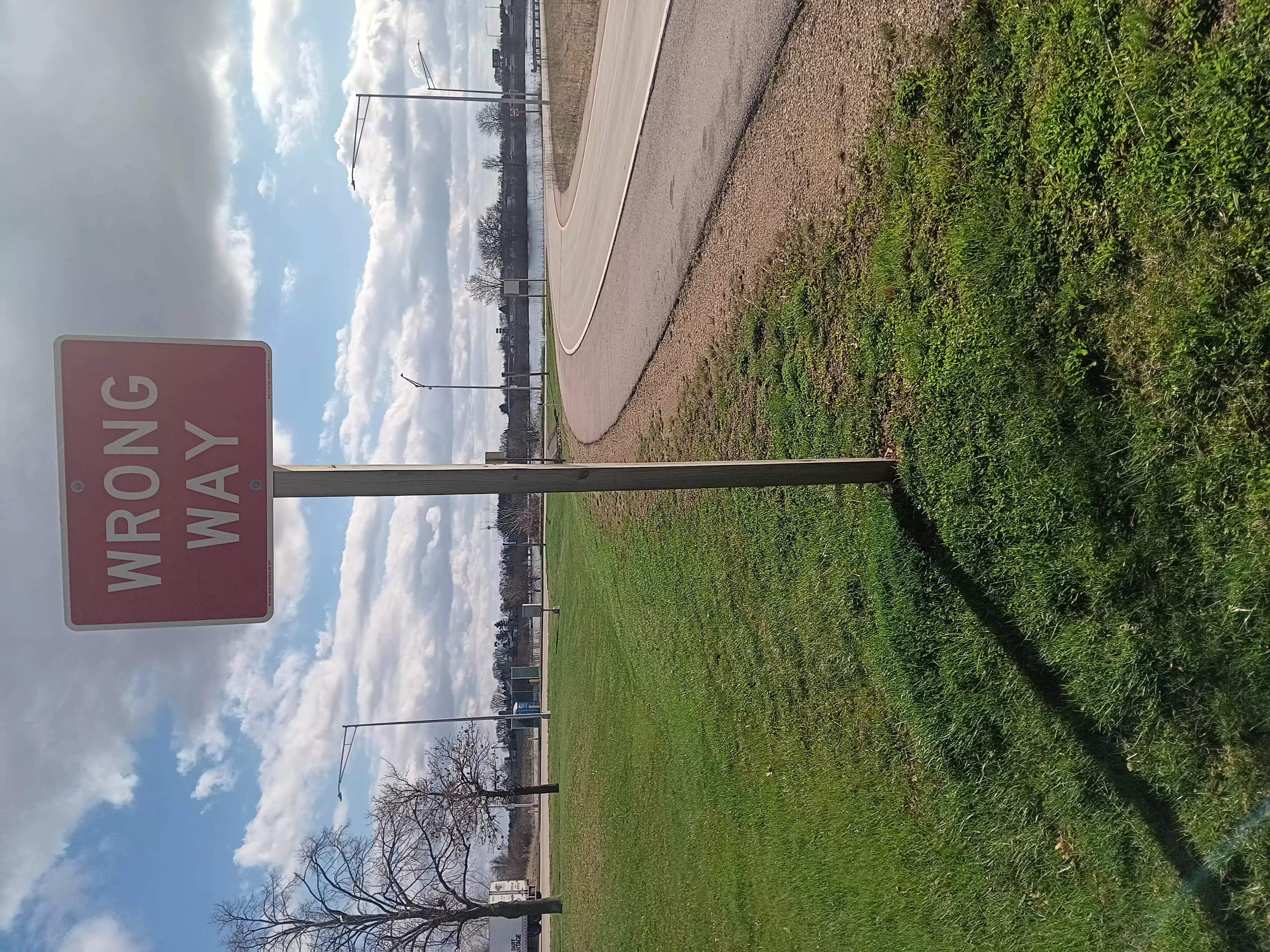
(Image is of a statue near Ivy Green Cemetery, Charleston, WA)
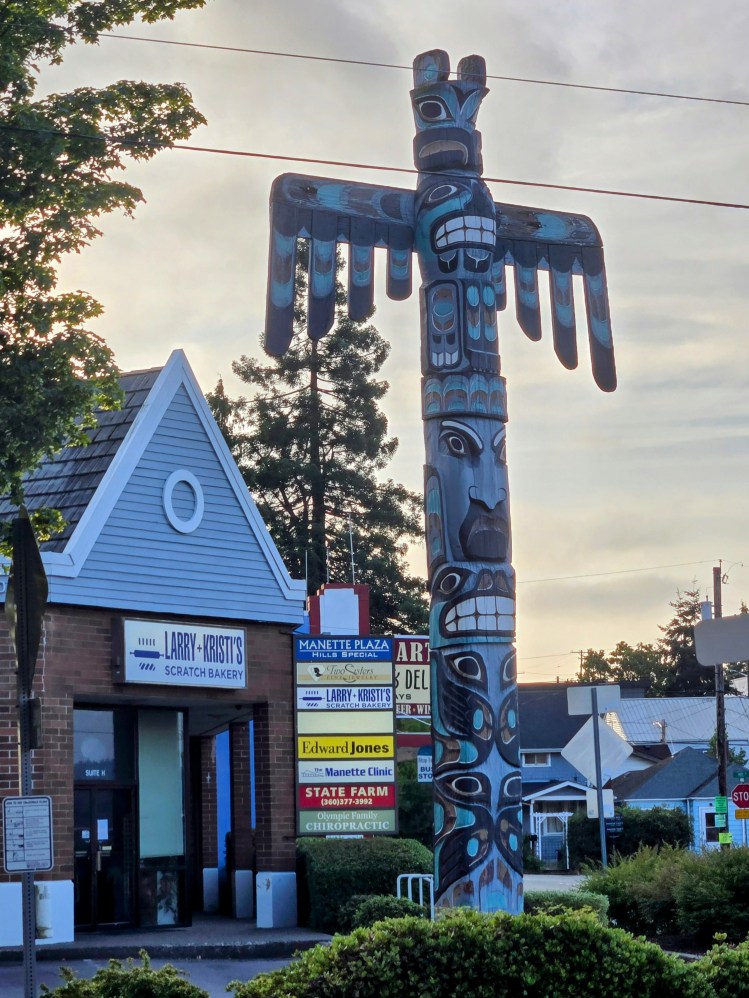
My Father’s Voice by Jonathan Chibuike Ukah

As I voice out these words,

I remember that my father had three voices,

the voice he used for my mother,

the voice he used in speaking to us,

and the voice he used for his kinsmen.

He had no voice for himself and his god,

though he said that he would have time,

to speak to himself and to his god when he died.

I can imagine my father mumbling to his god,

when he’s on his way to his ancestors,

blaming him for the way he was cast upon the sand.

What else would he be doing with his fellow dead,

if not, making them get used to his new voice?

The grave would echo his loud, lone voice,

when he blasted his dreams and tantrums

through the waves and storms of the grave.

He said that he would return once or twice,

but there would be no thrice.

I wondered if he dismissed his full resurrection

that deals with three comings to bear fruit,

or whether he would start creating sequences

which no one had ever seen or heard before.

The voice my mother heard from my father,

was the cradling of a flower during a flame,

something that began with tongues of yellow fire,

and it was the hammer, death nails on wood,

or the voice that fell the oak that dried in summer;

the same voice commanded wealth with a guitar,

singing to his ancestors the pain of his lingering,

when, with one deadly blow, time lashes out at him.

How often I tried to speak to my mother like my father,

with the voice of a man tormenting spirits asleep,

but she stirred as a queen roused to fury,

and ordered me to await my time to grow,

when time itself runs out of things to say

to a man whose moment of victory has come.

Sometimes, my mother forgets that we were there,

while she waited to hear my father’s voice,

calling her from behind the bedroom curtain,

to hurry up, as the night is far and deeply spent.

Jonathan Chibuike Ukah

(Image is of an allegedly genuine totem pole found in front of a great bakery in Manette, WA)

A Man in Love by Jonathan Chibuike Ukah

God! All the girls say I’m Jerusalem,

surrounded by gigantic mountains;

some say I’m nature’s poor patchwork

and I’m not beginning to show leakage.

There’s no trembling in the sky,

there’s no falling of the clouds;

my defences are rigid and stone solid

and I have not ceased to be a lightless night,

or a field of flowers littered with corpses.

I embrace the night like it is day,

though I see what jewels lie on the ground,

sparkling, illuminating dark objects between.

Like my head sticks within the clouds,

and I have no way of turning right and left,

but stranded between the earth and the stars,

I hang my neck where the noose is strong.

I’m now in a house with a thousand doors,

Yet, I lock each room in my blood.

But you picked up this secret flame

burning like a distant scent of rushing water;

led by a spirit you cannot comprehend,

you arrive with hesitation at my door, knocking.

Now, I stand before you naked,

a man in love, in epileptic surrender,

a man who cannot speak or hear;

a man who was not blind from birth;

but wander without eyes except your light.

I am challenged and paralysed,

I am physically disabled and displaced

dead to everything around me.

Like a bone lying carelessly on a garden floor,

I pant for water, air and nutrients,

not knowing how to return to my former life,

but knowing only the outlines of your heart

that feeds me like water, air and nutrients,

and not cast me away like a rejected prodigal,

but wash me in popsicles, wrap me in joy.

Jonathan Chibuike Ukah

(Image is of a “orgone pyramid” on top of one of Leila’s many book cases)

The Stone of My Fathers by Jonathan Chibuike Ukah

(We are pleased to welcome the readers to five full days of Jonathan Chibuike Ukah–The Eds.)

When I grew old and bold enough to understand

the difference between the laughter of the forests

and the grinning of the flowers of our garden,

my father showed me the stone of his forefathers.

His great-grandfather hewed it from an ancient rock

which built the stalagmite walls of the Woku River,

where the young women of my village fetched water

when drought possessed the land like the night;

or famine ate the fields like a band of locusts.

My father told me that the sea that overflowed

in the Harmattan during the anger of the moon,

or the River Niger that surged beyond its banks,

had swept over the rock a thousand times a day

and rendered it wrinkled, rough and cracked.

My grandmother planted flowers around it,

and dug up the ruin in its base with tenderness,

that though the wind ceased near our compound,

the stone had enough air to breathe and live.

On the surface of the stone lay names of my forefathers

whose wives and mothers tended to the stone

and preserved its hardness and longevity till now,

that time would not erode its beauty and strength,

standing as a bond between the past and the present.

He told me how crazy the rain had become of late,

that swept over the stone with wild gales and storms,

yet did not wash away the names of my ancestors,

that stood out in the garden like light on a hill.

It became a scene of dusk and darkness in the sun,

weathered by time, fractured by a cruel touch,

the stone lay on the ground like an old carcass.

I asked my father about my mother’s name,

which the stone did not display to the town.

“Your mother did not clean the stone till her death,

and now it stooped not to bloom again at her time.”

My eldest sister said mother killed the old stone

after father sprinkled the blood of a goat on it,

as an annual sacrifice to the gods of the land,

that we might have life and have it abundantly.

Even stones wilt, whittle, decay and die away

if care, love and affection pass them by.

Jonathan Chibuike Ukah

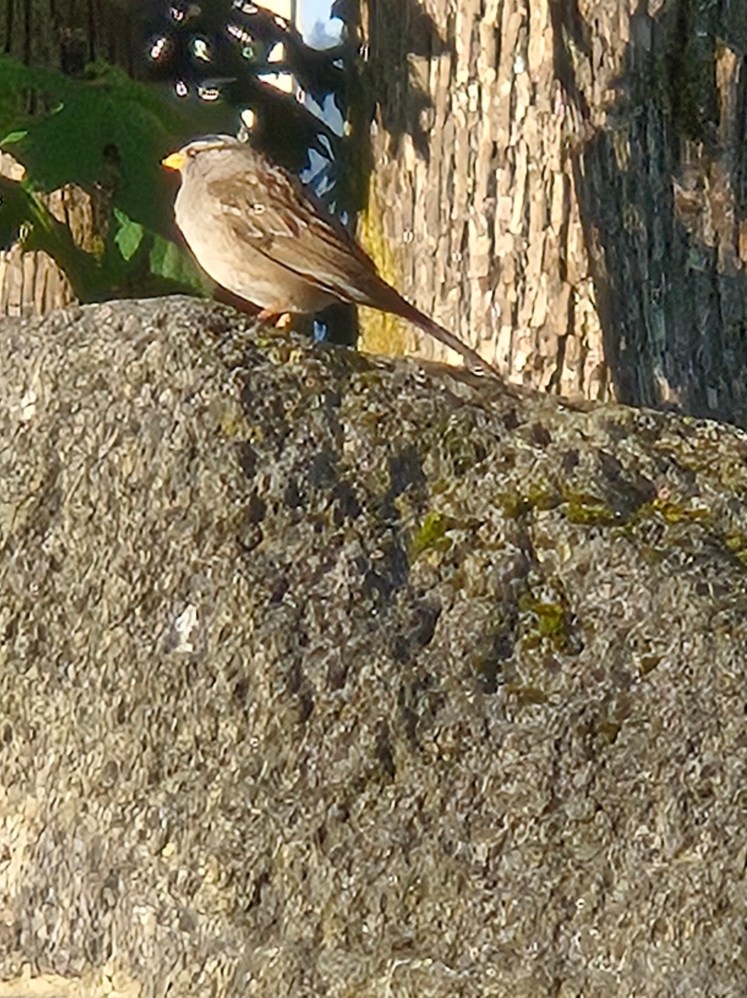
(Image of a winged friend perched on a stone in the Manette district of Bremerton, WA, USA-Leila)

Jonathan Chibuike Ukah is a Pushcart-nominated poet from the United Kingdom.His poems have been featured in Propel Magazine, The Journal of Undiscovered Poets, Atticus Review, Tab: The Magazine of Poetry and Poetics, The Silk Literary Magazine Sublimation and elsewhere. Jonathan won the Poet of the Month Award for December-January 2025 of the Literary Shark Magazine 2025, and was the third winner of the Poetry Contest of The Hemlock Magazine in 2025, the Editor’s Choice of Panoply Zine in 2024, and the Second Poetry Prize Winner of Streetlight Literary Magazine in 2024. He was shortlisted for the Minds Shine Bright Poetry Prize in 2024.

Martin Luther and Lenny Bruce by Dale Williams Barrigar

The Colonel

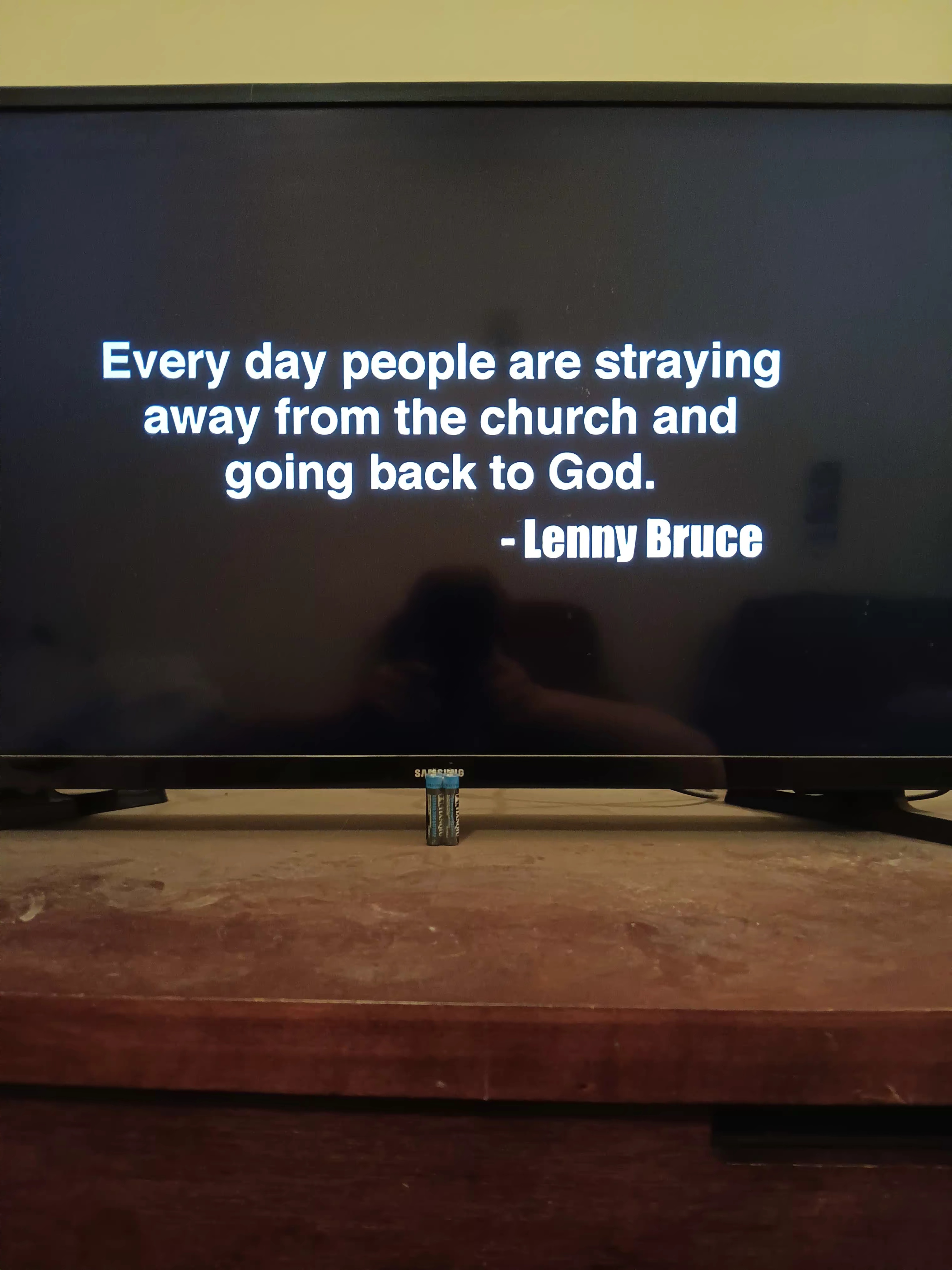
Martin Luther was a man who had one of his most profound religious revelations of his entire life while in the middle of a painful bowel movement. And he found this fact, in retrospect, to be so extraordinary, and so hilarious, that he never hesitated to tell this little tale to almost anyone who would listen when the mood struck him; and he especially enjoyed telling the tale in mixed company. He especially told the tale after putting a bunch of ale into himself. He was a man who enjoyed copious quantities of beer like most in his day. His sense of humor was so ribald, wild and infectious that he sometimes kept the folks around him in stitches for an entire evening. Then again, back then there was no television. And yet, we can still see that Martin Luther’s powers of humor were extraordinary and subversive. Just like Lenny Bruce.

Back then, messing around with THE LAW, which meant the Catholic Church, was not just something that could get you excommunicated, or even just exiled from the community. Dante, when he was banished from his hometown, was told: if we ever see your face around here again, mister, we will jump you and burn you alive publicly at the stake. It was a good enough reason for Dante to never see Florence, which he deeply loved, again. Back then, messing around with the law, i.e. The Church, meant that you might have your arms and legs cut off while you still lived. Then for good measure they would take your intestines out of your body and show them to you in case you were wondering what they looked like. And only then would they chop your head off and place it on a pike so they could put it on the corner to warn other ne’er-do-wells such as yourself. Martin Luther faced down the Catholic Church and condemned them in fiery and public terms for being a corrupt institution that cared nothing for anything at all except money, money, money. The way to win your eternal forgiveness back then was to make a little donation to the Catholic Church, who would then contact God on your behalf and make sure you were okay now with The Big Guy. They had forgotten what their great hero, Jesus, said about a rich man, heaven, a camel, and the eye of a needle. Luther spent an awful lot of time in hiding, and he escaped torture and execution because his wily nature and the truth of his position won out in the end.

In 2018 or ’19, Elina, Mary Ellen, and I saw Bob Dylan live on the campus of the University of Illinois Chicago at the small stadium there which was right across from the building where I had my office at the school for fifteen years. We were in the third row and the only thing we ever actually saw of Dylan himself was his wild and messy hair bobbing around above his electric piano, because of where we were in the crowd, because of how his piano was set up to block him, and because he hid behind his instrument the entire time with his head mostly bent down low and never once directly addressed the crowd, at all, except in song.

When he began to sing his song “Lenny Bruce,” from his 1981 Christian album Shot of Love, a sudden hush went over the entire audience, and it was obvious that more than just me in the crowd knew that this was a special and unusual moment. “Lenny Bruce” is one of Dylan’s least-known, truly great songs. The surprise performance he gave of it that night was almost heavenly, or at least as heavenly as it gets on this side of the Great Divide. Anyone who thinks Bob Dylan can’t sing was not there that evening, or is mentally sleeping.

“They said that he was sick / ’cause he didn’t play by the rules / He just showed the wise men of his day / to be nothing more than fools / They stamped him, and they labeled him / like they do with pants and shirts / He fought a war on a battlefield / where every victory hurts / Lenny Bruce was bad / He was the brother you never had.”

Dale Williams Barrigar (All images by DWB)

The Dark Lady Revisited by Dale Williams Barrigar

(Images by DWB)

If forced or requested to select my favorite character in all of Shakespeare other than wild and wily Shakespeare himself, it would probably have to be the Dark Lady (or at least today it would definitely be the Dark Lady).

She is Good Will’s Mary Magdalene.

Anyone who’s ever loved a brilliant, promiscuous, raven-haired Spanish woman with darkly olive-colored skin and a shady reputation (to say the very least) will understand the attraction.

Her musical and poetic and intellectual abilities, her independent spirit and the fact that she inspired all this (all these deathless sonnets by the Western world’s greatest writer other than those who wrote the Bible) are her greatest calling cards.

“I do believe her, though I know she lies,” is one of my all-time favorite lines of poetry.

There have been myriads of scattered interpretations about the shades of meaning contained in this line.

And I know just what it means.

It’s about, among other things, Shakespeare’s voyeuristic obsessions and jealousies; and mine.

Dale Barrigar Williams

Continue reading

Cat Woman by Dale Williams Barrigar

(All images by DWB)

Loving lady at the end

of the block, you were once an

urban cougar with a single silky black

feline.

But time passed, as it must.

It is a lot of them that haunt you now, I see.

The lizard-eyed landlord tried

to evict you many times.

Then they came, and did evict

you eventually, for this.

The cats were scattered, or rounded up

and taken away, somewhere, some when.

Shakespearian Cat Woman you fought them,

and tried to escape them,

you died for them, you plied them with

fine liquor, wine, and gold eye shadow, and you

heavily sighed.

But when they took the cats away,

did you know,

did you know then that this

was only the ethereal end

of one more love?

And do you now, do you ever remember

me, at all?

And how?

Dale Williams Barrigar

REPOSE AND SILENCE: A DIRGE FROM THE EARTH By Dale Williams Barrigar

THERE WHERE WINGS ARE FOLDED

THE SILENT SOUND OF THE SUN’S CENTER

IS SEEN,

IS SEEN,

GOING, GLEAMING.

STREET WALKERS WALKING THE STREETS

HOLY HANDS OF THE MINSTRELS

IN THEIR OWN PRIVATE INFERNOES

124,000 STRONG

WHO SING

THEIR OWN SONGS.

LITERATE SOCIETY IS

MONKEY SEE, MONKEY DO

TALENTED MONKEYS RUNNING THE CIRCUS NOW

ALL MY DAUGHTERS AND SONS.

WHEN FICTIONS LIKE THESE

BEGIN TO OPERATE AS REALITIES

WITH HUMBLE HUNGRY HIGHWAYMEN

GOING THEIR WAYS, ECSTATIC MEDIEVAL FEMALE

SAINTS REJOICING IN PAIN, IT IS TIME NOW

TO BATHE IN MY SEAS OF THEIR MYSTIC RESIGNATION.

GOOD FRIDAY IS COMING TODAY.

BUT CAN YOU FEEL THE INVISIBLE RING

AROUND THE PEBBLE

IN THE PALM

OF MY HAND.

AND

YOUR TREMBLING EARS

AND PURIFIED EYES

SO YOU SHALL

WALK FORTH

STRUT FORTH

AND STRIVE INTO THE SILENCE OF

IT:

THE FURTHER BEYOND.

Dale Williams Barrigar

(All images by Dale Williams Barrigar)

The Sung Coyote by Dale Williams Barrigar

(All images by Dale Williams Barrigar)

I see her in the symphony rain

with her gown falling off

her shoulders

and the rain

in her eyes that is

her and her tears

in the blue rain.

And I saw the Sun Coyote

I called her the Sun Coyote

because she was in the yellow sun

licking her healing wound

in a green field

near creek-side sedge.

And I knew she was OK.

And I sang

quietly inside.

Dale Williams Barrigar and Boo

Saragun Verse: Every Line Sells a Hoary Glory

i

Money shoots up veins and noses

And from bar brawls to city jails

It catches Tigers by the Jim Crow-zus

Don’t go out unless you bring nuff bail

ii

Money dropped on spats and bolos

Adult diapers and bikini waxes

It buys hits on mafio-so-sos

Sooner or later we’re all game for whack-zus

iii

Money is what bellows louder

Than the crow of the power cock

Grind dem bones into fine powder

Then sneak it from hull to dock

iv

Money drives Rats in the river

Who swim faster than the fed

They earn evil gold that quivers

The green orafices of the dead

v

Money is what we are after

It’s a lie to counterfeit

We are invested by the master

As its old age benefit

vi

And yet money can play the hero

When at last the check has cleared

All them crooked numbers and zeroes

Following a faith backed sum so dear

vii

Two for one indulgence funnery

Glitter wacko-jacko clerics devour

Best to get thine child to a nunnery

Ere the Vicar’s bitcoin is empowered