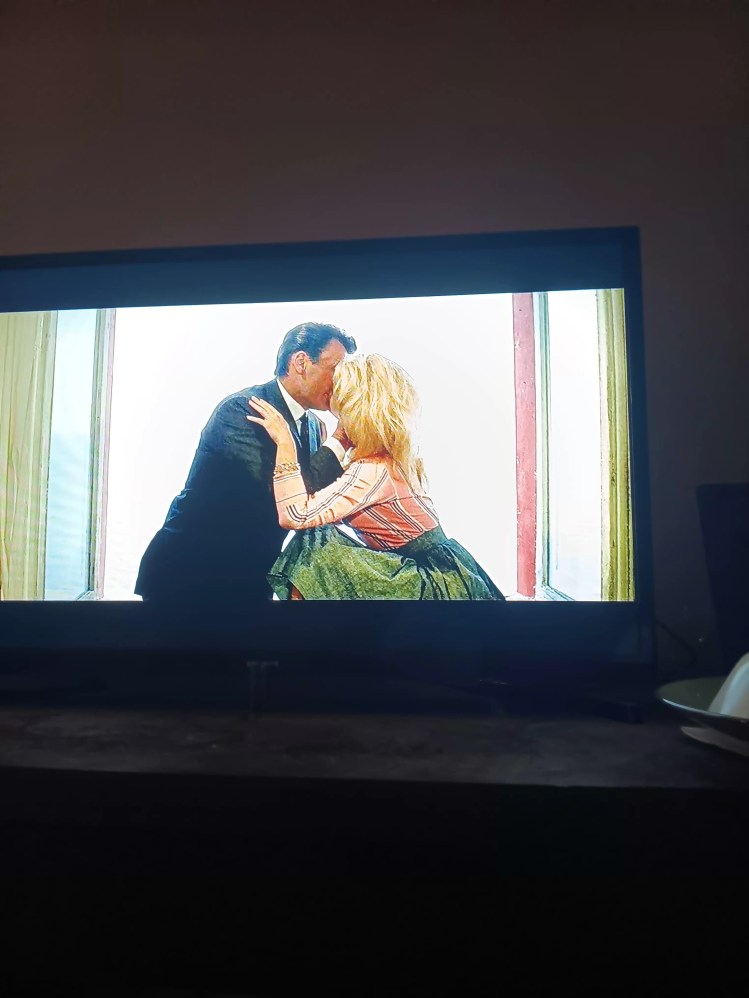
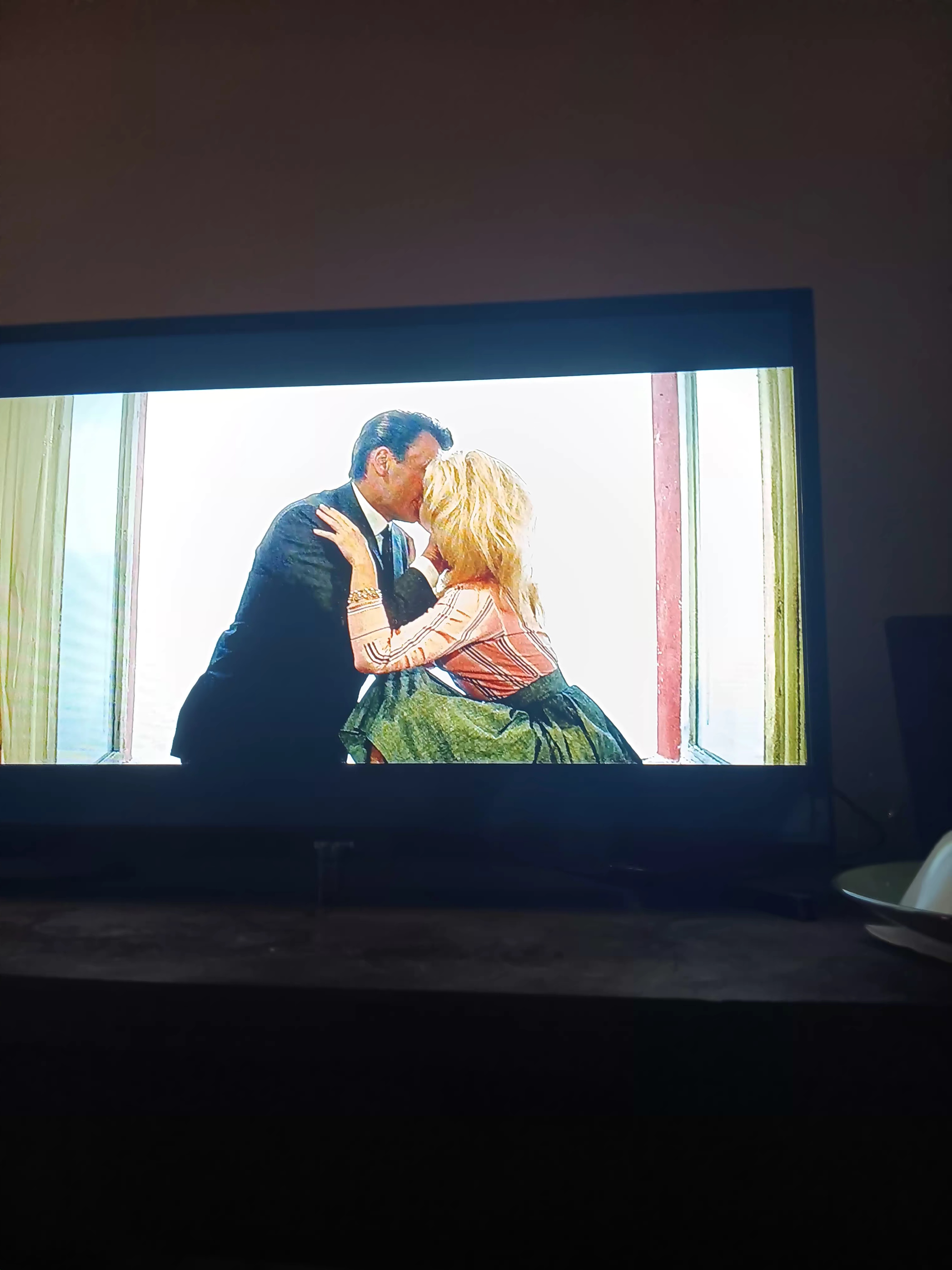
Who’s in our yard?

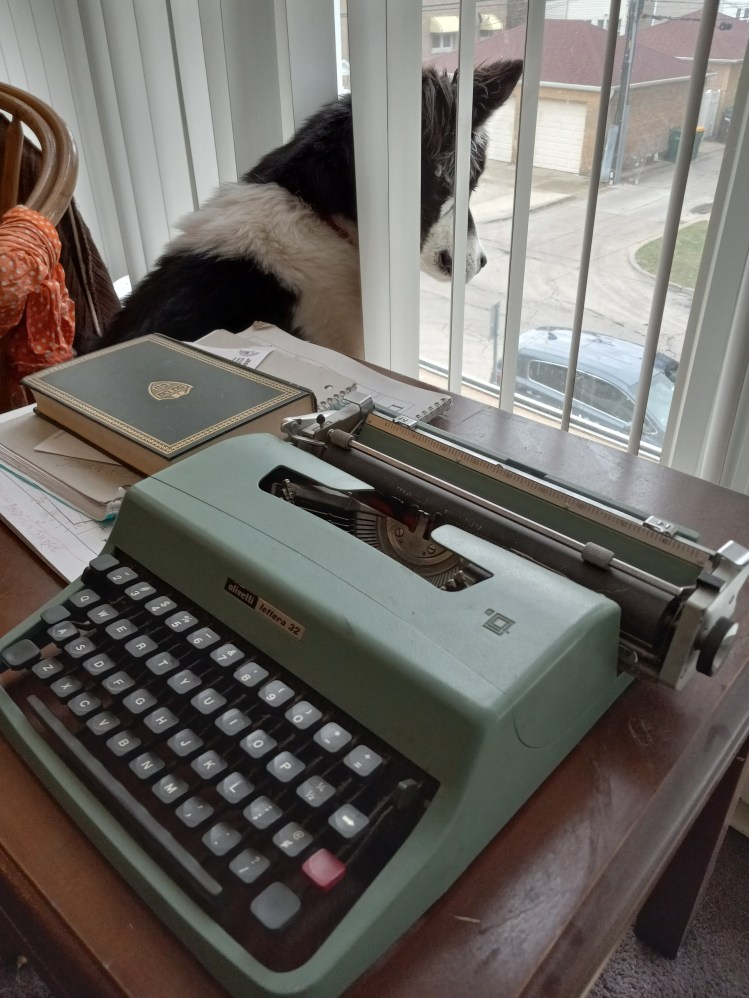
“Spaceman!”

“The Light Bringer!”

“We’re watching you.”

“This is my best side.”
Christopher J Ananias (text and images)
in her pyjamas
out in all weathers
hardly the way to go is it
whatever she was she isn’t that now
look at her
if ever hair needed cutting
there’s hair could do with it
seems all it takes is promise of bad weather
she’s ready for the hills
almost paces
animal like
old as she is
you have to tell her
naughty-night-to-be-out-in
the look she gives you then
none like it
and I’ve been given looks you wouldn’t believe
or maybe you would
come to think of it
(Image by Leila)
Michelangelo Merisi da Caravaggio,
a troublemaker who gloried in sadistic
violence, especially in his paintings,
was the Prince of Darkness of Baroque,
the pioneer of the style dubbed tenebrism.
Together with his realistic portrayals
of the subjects who populate his canvases,
“the terrible naturalism that attracted
and ravished human sight”, as Scannelli put it,
they are the distinctive features of his work.
His painting, The Crucifixion of St. Peter,
commissioned by Monsignor Tiberio Cerasi,
is an archetype of Caravaggio’s tenebrism
and how he exults in depicting brutality.
The distribution of the four individuals
conjures the shape of St. Andrew’s cross.
A beam of light traverses the canvas
from the top left of the frame
to the bottom righthand corner
illuminating St. Peter’s torso, left arm,
and hand nailed to the crosspiece,
every muscle and sinew of the martyr
tensed. A blend of pain and terror cross
the face of the Saint. High to the left,
the only executioner to escape anonymity
embraces Peter’s shins and the upright
of the cross to help a second executioner
whose woollen jacket is rucked up
by the rope he’s using to haul the cross
upside down as it is placed in the hole,
dug by the third executioner’s shovel.
Petra, the rock in the foreground,
evokes Peter’s name, the rock
upon which the Christian Church
is unified, emphasised further
by the shadowy rocky landscape
in the background darkness.
(Image is of the author; would be strange if another fellow, now wouldn’t it?)
Spring and summer blossoms populated
our family tree that stood so straight and tall.
Then the blossoms gradually faded into fall
bringing the fruit that we so eagerly awaited.
When our winter hesitated and finally never
came, apparently because of climate change,
our blossoms bloomed and flourished once again.
An Indian summer in which to bask forever.
(Image is of the esteemed poet)
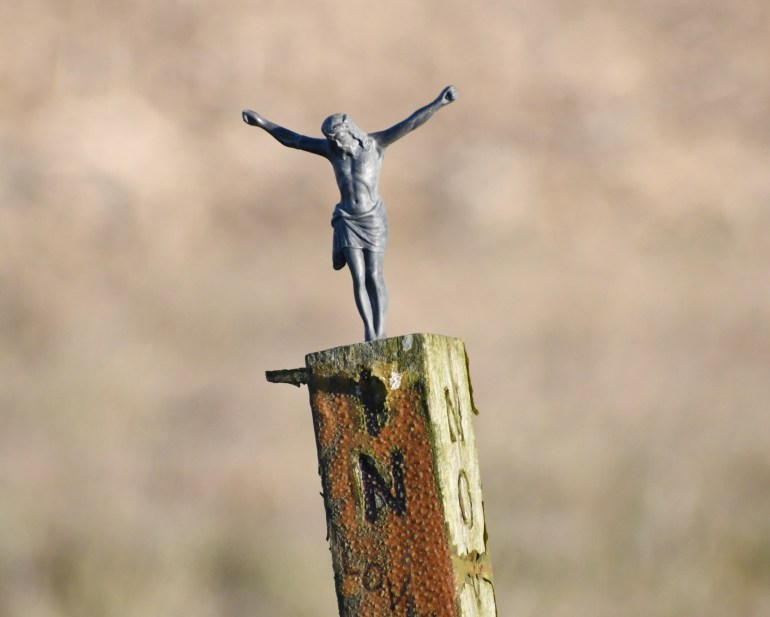
It’s true that your Jesus came back. His bar mitzvah coincided with the end of the First World War. As eldest scion of second generation Nazarene immigrants, he no doubt had his work cut out for him in the heartlands of a newly ruined Germany.
As you’d expect it was his talk brought the grief, the trouble. Said he had such news as would overturn the world and so forth. In short, words best whispered, or better yet, left unsaid. Those who rejoiced to hear them would soon lose their ears. And soon enough he and his raggletaggle crew were among the ten thousand others on the slow train east.
He did everything he could, your Jesus. But it was no good. Some clocked him as a collaborator – owing to that enemylove spiel of his. The bread not in his belly started to show on his face; but still he shared what few scraps he could procure, making himself no friends by doing so.
As for his ‘fate’: it came without warning, during morning roll-call: he was hanged along with two others before the work detail set off. His executioner was a man known as ‘Ape’ – a sobriquet supposedly derived from his reputation for “going ape” when beating people to death. ‘Ape’ himself was promoted to captain shortly before the end of the war. He disappeared soon after.
Geraint Jonathan
(Image by Christopher J Ananias)
is a virtuoso display of dynamic brushwork.
In his visceral need to capture the moment,
his depiction has anticipated impressionism.
The speed at which he applied the paint
has infused the canvas with ominous terror.
The left side of the canvas is bathed in light
from a box lantern at the feet of the faceless,
hooded, firing squad of Murat, on the right:
evil is being perpetrated under cover of darkness
by the French incarnations of Death.
The Spanish victims, each a non-combatant,
standing beside three slaughtered patriots
whose bodies lie bloodied in the dirt,
show a mixture of fear, resignation and defiance.
One of them, a monk, his hands clenched in prayer,
seems to be hoping to receive clemency.
The man in the white shirt throws his arms
out wide, challenging the soldiers to shoot him
as more civilians are herded up the slope
to meet their deaths like cattle in an abattoir:
the horrors of war laid bare by an artist in despair.
Tony Dawson, 12 February 2026
don’t you dare say marl
nothing deserves it
likewise heft or skirl
avoid them as you would
verdant
& if it’s evening keep it that way
don’t go with gloam
anymore than you would darkfall
darkfall being
like gloam
down there with
verdant
the sky can never again be azure
anymore than the stars above can twinkle
though sooner by far the stars above twinkle
than a sky ever again be azure
& if deny yourself mulch you must
then do so
mulch having about it the very vetch & sedge
& graunch to convey the earthy
itself a proposition of dubious provenance
wouldn’t you say
mulch?
it’s not down there with verdant
but it’s close
there’s a leatheriness survives i suppose
a compact sogginess
wet as mulch is
generally
Geraint Jonathan
(Wonderful images by CJA)
Miami sunshine put Big Al’s garb to shame. It blazed yellow, much like Al, but, unlike Al, it was the source of life on the planet. Al was human, as he himself would have been the first to admit. “There’s many things I am,” he said, “but a seething ball of molten fucking gasses ain’t one of them!” Miami’s finest laughed. Al was known for the size of his heart, and often spoke about it. It sometimes made for confused but lively exchanges with those more fortunate than himself. In ‘matters of the heart’ there was, after all, Al’s deep love of opera and there was also that which lay in the middle of the chest cavity between two lungs. Monogrammed silk might be said to cover both in Al’s case. As was his wont, Al made much of the confusion, hoping thereby to lighten matters that might otherwise furrow the brows of the young. If nothing else, the yellow of Al’s Miami experience would be a crucial factor in forming much of what he later came to call his “disposition”. For whatever his foibles, this much is certain: Al sought to shine on all, whether they wanted shining on or not. He would be the man dressed as the sun: a vision in yellow serge, with matching hat, silk tie and shirt, just the kind of solar presence a windy city on earth might require. That was Al all over. It was the opera in him.
Juan de Valdés Leal has shrouded
his canvas in deepest darkness.
Two open coffins lie side by side:
a bishop and a knight of Calatrava,
each a worldly exemplar of vanitas,
two souls awaiting the Last Judgement.
The prelate is in an advanced stage
of putrefaction, the flesh of his skull
consumed by worms and beetles,
his crozier clutched by scrawny fingers.
An angel’s hand suspends the scales
of the Last Judgement above them both.
One plate, sustaining a dog and horned goat,
each animal representing mortal sins,
is ominously labelled NIMAS (NOMORE).
The other plate, NIMENOS (NOLESS),
with the Sacred Heart of Jesus, IHS
and the Bible, contains the virtues
that must outweigh the sins of men
if they are to receive eternal rest.
Many other corpses are hinted at,
sprawled in the background gloom.
A messenger to the underworld,
an owl, surveys this scene of doom.
Tony Dawson
(Today we welcome back Bill Tope,–who appeared earlier in a collaboration with Doug Hawley–for his first solo appearance on the Springs. The image is by our friend CJA)
Tommy’s voice was low-pitched and urgent as he murmured beseechingly to his wife. She didn’t respond. He gazed at her, strewn across their bed, her auburn tresses spilling over the pillow. She looked beautiful to him, despite the way she’d let herself go since the baby died. Tommy remembered that it had been only weeks, but the heartbreak seemed to stretch back as far as he could recall, years almost, owing to Rachel’s mental history.
The child they had waited for five years for had been stillborn and it still took his breath away to remember. Rachel had taken it especially hard. She felt as though she had let him down. He was forever telling her she hadn’t failed him. That sometimes, things just happened. She worried that it was because she had smoked occasionally during her pregnancy and had maybe one or two glasses of wine, late in her term. He told her she was mistaken.
“Baby,” he said, “you need to get up and take a shower. Brush your teeth and wash your hair.” It had been so long since she first became immersed in her grief.
“I can’t,” she said simply.
Tommy nodded. He understood that he would just have to be patient. What was it the priest had said? Time heals all wounds or some nonsense like that. But maybe it was true.
“Can I get you some fresh clothes, Rach?” he asked.
She sniffed her bed clothes and nodded. “I’m sorry I let myself go, Tommy,” she said in a small voice.
“It’s alright,” he told her. “You heal. Take whatever time you need I’ll be here for you.” Tommy slipped from the room and closed the door behind him. Thank goodness people had stopped dropping by to offer condolences. They meant well, he knew, but each time they tore the wound wider. It would just take time, he told himself again.
All their lives was wrapped up in just the two of them. Diagnosed years before with avoidant personality disorder, Rachel was inordinately shy, withdrawn and non-assertive. She had drifted from one unchallenging job to the next since her marriage to Tommy, four years before, at age 21.
“I quit my job today, Tommy,” she said one day.
“But why, Babe?” he’d asked. “You loved that job.”
Rachel had been employed at a nursery, caring for and selling plants. She adored all living things.
“Mrs. Dickinson,” she said, “told me I wasn’t doing a good job.”
When Tommy called her boss, she told Tommy that she had merely made suggestions to Rachel, regarding how she could make more sales.
“Rachel got very upset, Mr. Johnson,” said Dickinson. “It wasn’t even criticism, and she went all to pieces.”
Tommy explained about his wife’s diagnosed personality disorder and intense shyness and her boss seemed sympathetic. “Tell her to come back,” she said. “I’ll hire her again. She’s very good with the plants, but she gets her feelings hurt easily.”
But Rachel wouldn’t return to Plants R Us, saying she felt inadequate.
The first year of their marriage, at Tommy insistence, Rachel had seen a therapist, but the results were a mixed bag. Dr. Fuller explained Rachel’s condition to Tommy, who attended the last session with her. The doctor said that based on his private talks with Rachel, he concluded that emotional abuse during her formative years and sexual trauma at 17 had led to her condition.
“She never told me about emotional abuse,” Tommy had said. “But, she almost never talks about her family.” She had told him about her rape as a teen. Intimacy between them had been touch and go.
Because of her associated depression, the therapist had prescribed some antidepressants, but they seemed to have little effect.
One day Rachel approached Tommy and placed her arms around his neck. She didn’t often show overt affection, thought Tommy.
“Tommy, I want a baby,” she’d said.
This was wonderful news, thought Tommy. “Are you sure, Rach?” He had begun to despair of ever starting a family.
“Of course,” she said, leaning in for a kiss. “It would make my life complete.”
Rachel’s therapist had retired, so Tommy consulted Rachel’s personal physician and asked what he thought.
“Could be the best thing for her,” declared the elderly doctor. “Might straighten her out.”
The pregnancy had gone well. Rachel seemed to have found a purpose for her existence. She stopped smoking for the most part, and drinking and getting high. She was attentive to her diet and got plenty of rest.
Then she lost the baby. In her seventh month, things went all wrong. Rachel felt sharp pains in her abdomen and began bleeding. Tommy called an ambulance and rode in the back of the vehicle on the way to the hospital.
“I’m with you, Babe,” he told her. “You’ll be alright.” But she wasn’t.
When Tommy asked her OB-GYN what had gone wrong, she said, “Mr. Johnson, there was no way to foresee what happened to Rachel. Sometimes there is no reason. Shit happens,” she said bluntly.
“I can’t wait till the baby’s born,” said Rachel dreamily from their bed several days later. She ran her hands over her belly.
Tommy stared at his wife. He had been warned by the doctor that he contacted over the web that Rachel’s reaction to her grief might be fantasy-prone personality or FPP, which she likened to maladaptive dreaming disorder, which she’d had as a teen, but with a difference.
“Your wife may not recognize what reality is and be able to tell it apart from the fantasy world that she creates. You really should seek professional help for your wife, Mr. Johnson, outside online resources.” Tommy agreed that he would.
But when Tommy brought the subject up with Rachel, she was resistent. “I’m getting better,” she claimed. “I’ll tell you what,” she said, “I’ll get out of bed and take a shower and wash my hair and get dressed in clean clothes and you’ll see, I’ll be all better.”
Reluctantly, he agreed. And for a short while, Rachel was vastly improved, if not quite her old self. She fluttered around the house, busying herself dusting and mopping and so on. Tommy had to tell her to rest up, which she did.
Next day, she was again languishing in the bedroom, listless. She practically stopped eating. Tommy began to worry when she started losing weight. He entered the bedroom bearing a tray on which he brought her a toasted cheese sandwich and a bowl of tomato soup, long her favorite. She promised she’d eat it, but when he returned an hour later, the meal sat untouched.
Tommy glanced at his cell phone and noted the date: Oct. 30. Today was the three-month anniversary of the loss of their child. He sighed. In all that time, almost nothing had changed. He had managed to get Rachel to bathe every few days, but otherwise she seemed little improved. She stayed in bed all day.
Tommy was replacing the vacuum sweeper in the hall closet when he heard a thump from behind the bedroom door. What had happened? he wondered wildly. Had Rachel fallen? He slammed the closet door and rushed to the bedroom, threw the door open.
“Rach?” he cried. She was nude and lying upon the floor, between the bed and the door. She had fallen out of bed. He knelt and lifted her back onto the mattress. She seemed weightless. What he saw horrified him: she was stick-thin. She had lost so much weight. She lay limply where he laid her on the surface of the bed. Tommy cradled her shoulders and held her close.
“God, Rachel, I’m so sorry. I didn’t know it had gone this far.” She murmured into his shoulder and he jumped. “I’ll get help, Baby,” he promised, and gingerly laid her flat upon the mattress. Taking out his cell, he called 911 and got the operator, told her his name, address, what he could about his wife’s condition. The operator promised the EMTs would come straight out.
15 minutes later a loud knock sounded on the front door and Tommy rushed into the living room, swept open the door.
“Thank you, thank you,” he stammered, and led the first responders to the bedroom, answering their questions on the way.
“Wait here, Mr. Johnson,” said one of the men. “We’ll take it from here. Tommy waited outside the door. After a few seconds, the man who appeared to be in charge reemerged and asked Tommy, “where is she?”
Tommy’s eyes widened and he rushed into the bedroom and found the room empty.
“Could she have moved from this room?” asked the man.
Tommy collapsed on the neatly-made bed and stared vacantly around the room. The EMT was on his radio. After a moment’s conversation, he turned to the other emergenccy worker and explained, “Rachel Johnson died during childbirth three months ago.” He turned to Tommy. “That’s right, isn’t it, Mr.Johnson?”
Finally Tommy found his voice. “Yes, I guess it is.”
Meanwhile, the other first responder had fetched a collapsible gurney.
“Lie down, Mr. Johnson,” suggested the man. “We’ll take you to the hospital, get you some help.”
“Okay,” said Tommy, as he stretched out on the gurney, felt himself being strapped in. As the EMTs wheeled the gurney through the front door, Tommy felt the cool breeze of Autumn on his skin. “I need to leave a note for my wife,” he told the men.
“We’ll do it, Mr. Johnson,” said one of them.
“Okay,” said Tommy. “Thanks.”