“This is the scars of last year’s storm, pressed like maggots on my arm.”
– Bonnie “Prince” Billy
Intro Note Regarding a Crucial Definition:
When this riveting soliloquy says “smart people,” it does NOT mean technocrats, billionaires, or politicians, nor some combination of all the above.
For the purposes of this essay (this attempt) (when you write in no genre you have to call it more than one thing), those above-named folks are very deliberately tossed into the bin marked “NOT SMART.” Because, as Hegel pointed out, worldly wisdom is not wise.
Socrates consistently pointed out (to all who would listen – and it wasn’t everybody) that the first thing that the smartest of smart people know is what they don’t know.
In other words, really smart people are marked, first and foremost, by a deep knowledge of their own ignorance.
They tend not to pretend they know things they don’t know (although there are always exceptions to all things).
If they don’t know what a word means, they usually aren’t embarrassed to blatantly say, “I don’t know what that word means.”
If they have to make a decision, they are hyper-aware of all the factors that might affect that decision which they have no idea about, which makes their knowledge of their own ignorance even deeper than it already was.
And they are unlikely to become swept up in mass delusions quite as readily as all the average people of average intelligence are, not because they are more moral or better people (necessarily) than everyone else, but simply because they don’t easily fall prey to the lies they’re being told by someone else, whether that “someone else” be an individual human being or a system devised by many human beings together (consciously or unconsciously).
They know they don’t know when they don’t know.
This extends to everything, from philosophy to art to politics and religion, to what they know and don’t know about their neighbor/s, to what they do and don’t know about what will happen in the future (because there is at least one thing in the future that will definitely happen to all of us, almost for sure, even if we don’t know it at the time), to what they remember and don’t remember, to what the blurry lines between imagination and reality really are.
Hamlet is a great example of this.
He knew what he thought he knew about his father, his uncle, and his mother; and he also knew that he didn’t necessarily know, for sure, the things he thought he knew for sure.
He was pretty sure he was being F-ed over, somehow. On the other hand, he knew he couldn’t be sure because he knew he lived in a world (which is also our world) that never tells you everything. And far from it, in most cases.
Even the smartest human who ever lived mostly didn’t know everything, and knew a lot more about what he didn’t know than he knew about what he did know. At one point when his friends asked him, in front of the bonfires on the lakeshore, when the end of the world would come, he said, “Only the Father knows.”
And either “they” (his enemies) caught him in the end, or he let himself be caught.
And he cried out from the cross, not long before the very end, “My God, my God, WHY have you forsaken me?”
This condition of not-knowing can cause you to become bad, like Hamlet did. If he did become bad, that is. (He killed people, and that was bad. But I’m still not sure he himself was bad.)
On the other hand, if you know you don’t know and you’re okay with admitting it, both to yourself and others, but mostly to yourself, it can be the most freeing thing you could ever possibly imagine (or know). Only then can the Tao, the free Tao, begin to begin (within you, even though it’s already there, for everybody).
There are many people who are also not considered “intelligent” by the world at large who also know that they know they don’t know what they know they don’t. You can see it in their eyes – they know they don’t know, and they’re not afraid of it. Or – they are afraid of what they don’t know (to an extent), but they are not afraid of not knowing what they also know they don’t know. They are holding their cards very close to their chest/s, these wise “average” people; but in this game called life, that’s totally okay.
Life is an illusion, and freedom is always just one step around the next corner, but never quite here. That movement toward rounding the corner is all. Never stop, because you can’t anyway.
You can know what you know but also know what you don’t know at the same time.
You can know what you don’t know so deeply that you then start to not know you don’t know it. And that is a kind of knowing – without knowing, of course.
If you die by stepping off the curb and getting hit by a bus and instantly killed so that you never saw what hit you even and didn’t even know you were going to die (right then at least) so that you don’t even (again) KNOW YOU DIED, can it really be said that you died, at least to yourself – since you didn’t even know it? And if you don’t know you died, should the rest of us really feel too sorry for you (although maybe for ourselves)? And if we are feeling sorry for ourselves, is that good or bad, or some unearthly combination of the two?
Under these impossible conditions there is nothing more to say!
(But “The Drifter” will keep on saying it anyway; until the cows come home; and probably long after…)
Dale the Drifter (images and music selection by Dale the Drifter)


Dale the Drifter
You nailed it again. People who think they know it all are the easiest to fool. It’s like asking who is the world’s richest person, but adding “without stock futures.” There it comes down to whoever owns the most tangible stuff and no one can really say. Hamlet’s uncertainty was not a weakness but it was his intelligence questioning the reality of ghosts and what a ghost has to say. An idiot (a Danish MAGA of MDGA) would have fed Claudius the sword right away.
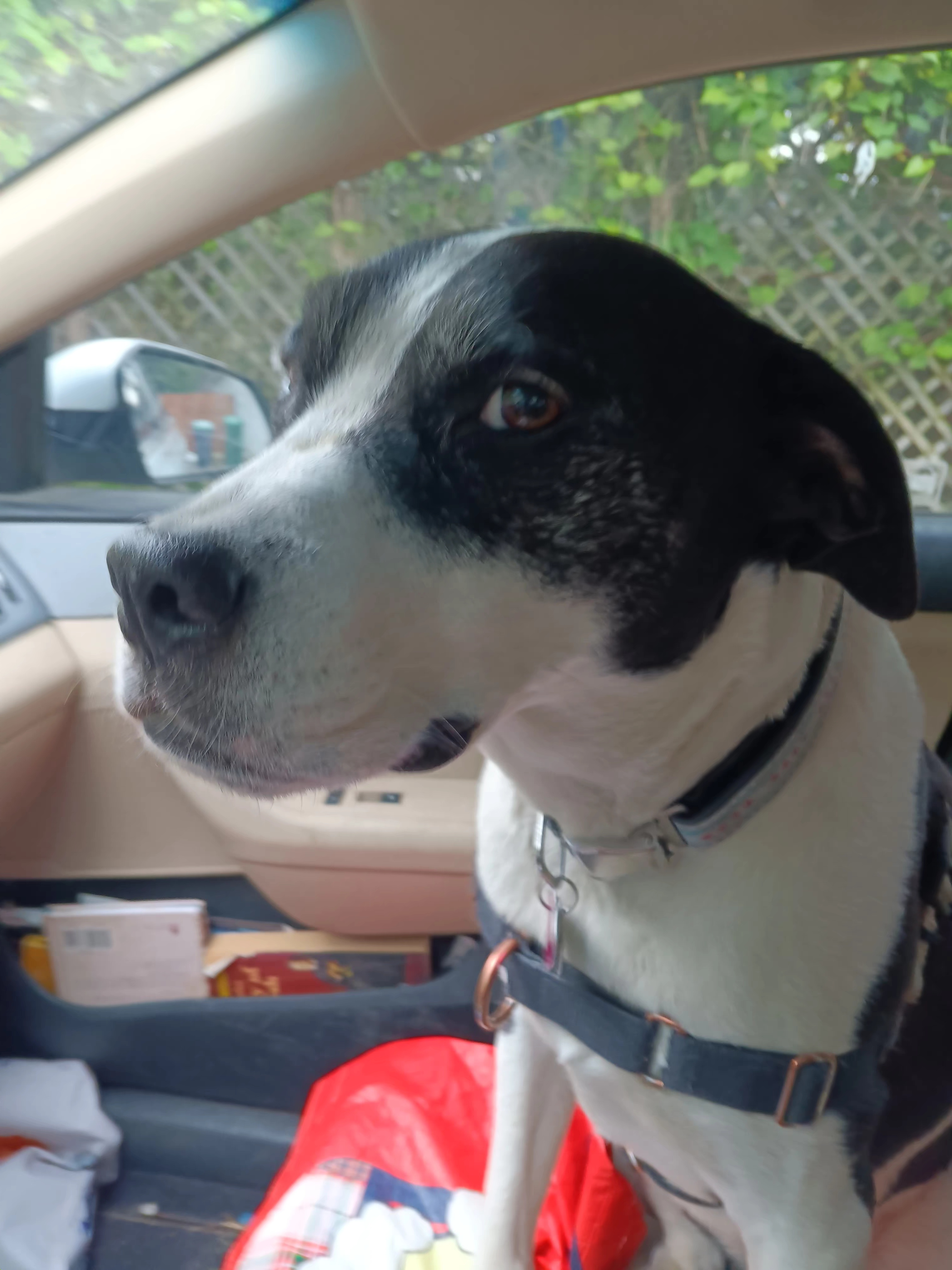
Great images, Bonnie Prince and Bandit, whose eyes suggest she knows everything and wonders why we don’t.
Leila
LikeLike
Thank you Leila Allison!
The phrase “until the cows come home” or “when the cows come home” is of Scottish origin, which I did not know until I utilized this idiom then looked it up. Somehow I had assumed it originated in the U.S. of A., but it makes sense that it originated over there and traveled over here to be picked up by us American folks.
The cows sometimes stay out until well past midnight, and in the right season they stay away for months. How cool that they never let anyone rush them, and always do everything on their own time. They’re never worried about being late-comers. Anyone who gets upset about it receives a blank stare in answer.
Thanks again!
“Dale, the Drifter”
LikeLike