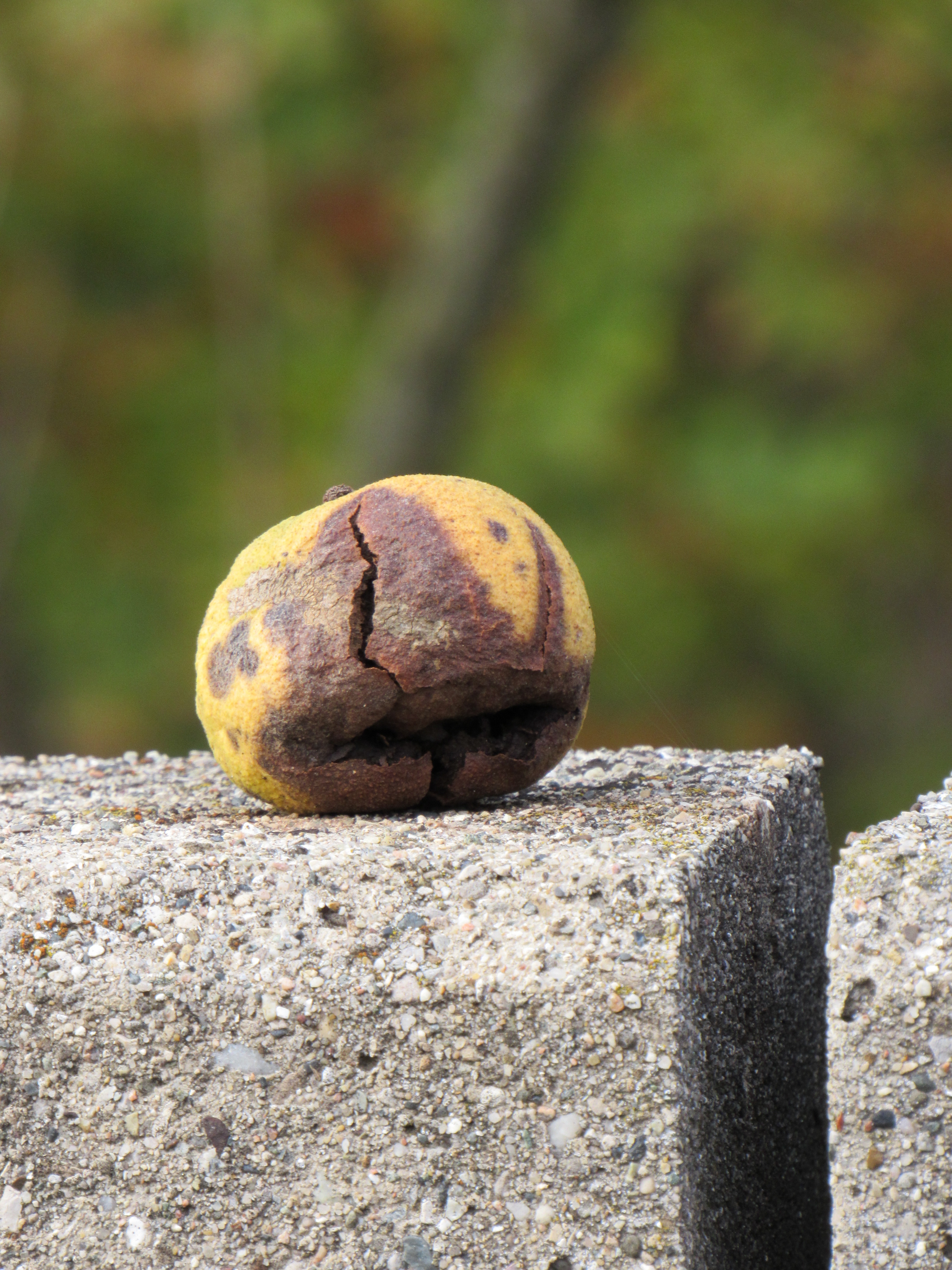
Taking pictures, being a photographer, whichever comes first? Peddling a ten-speed through the limbering trees.
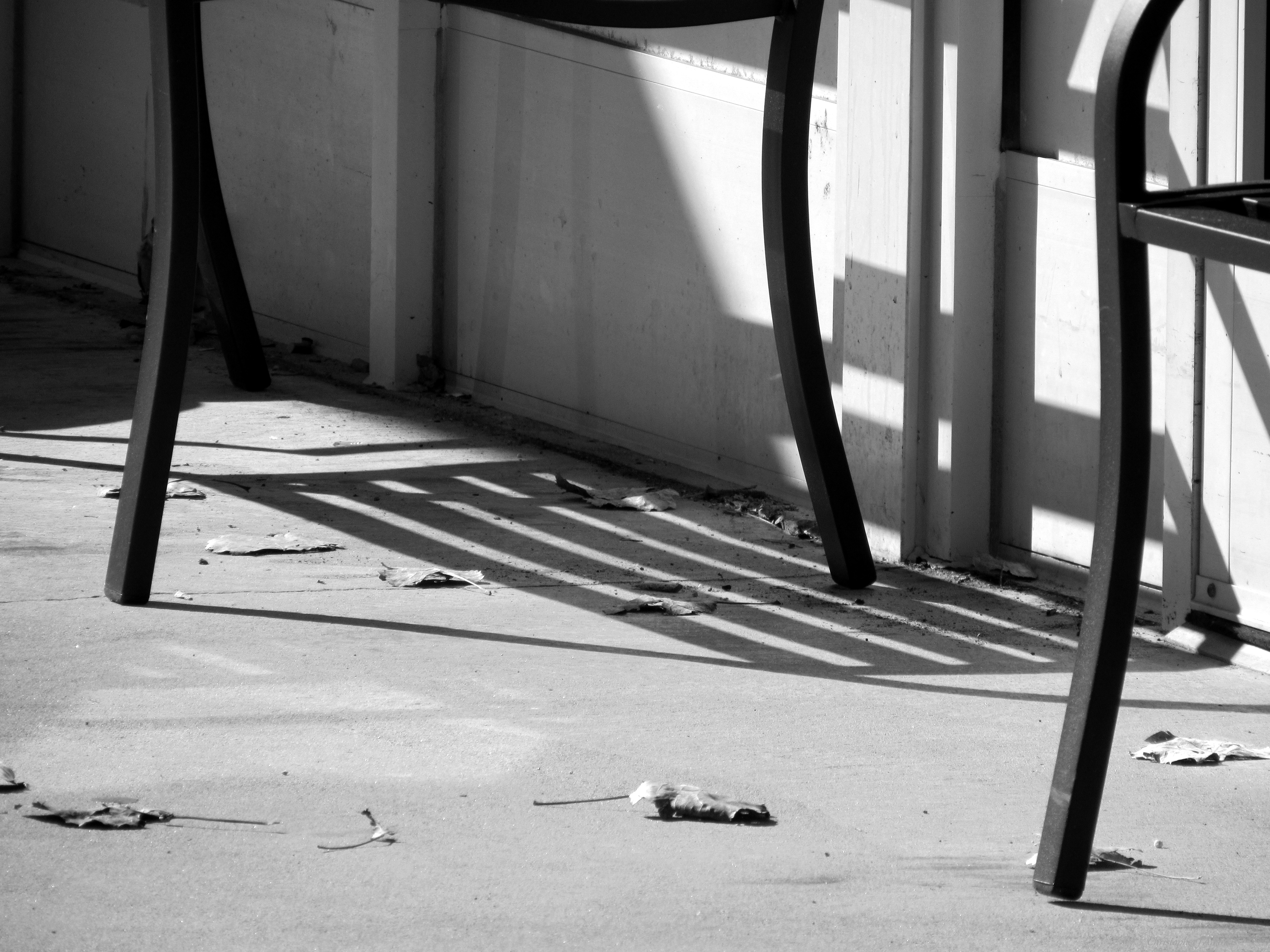
Experimenting with light—always light—can’t do much in the dark. Besides: wink, hide, have nightmares, make mistakes, reproduce, and tend my ghost.
For me, the artistic eye sees what it sees. Assuming I have one, right? A brown eye that combs through the trash for artifacts. Hoping to see Van Gogh’s spirit glimmering schizophrenically off the jags of a beer bottle.
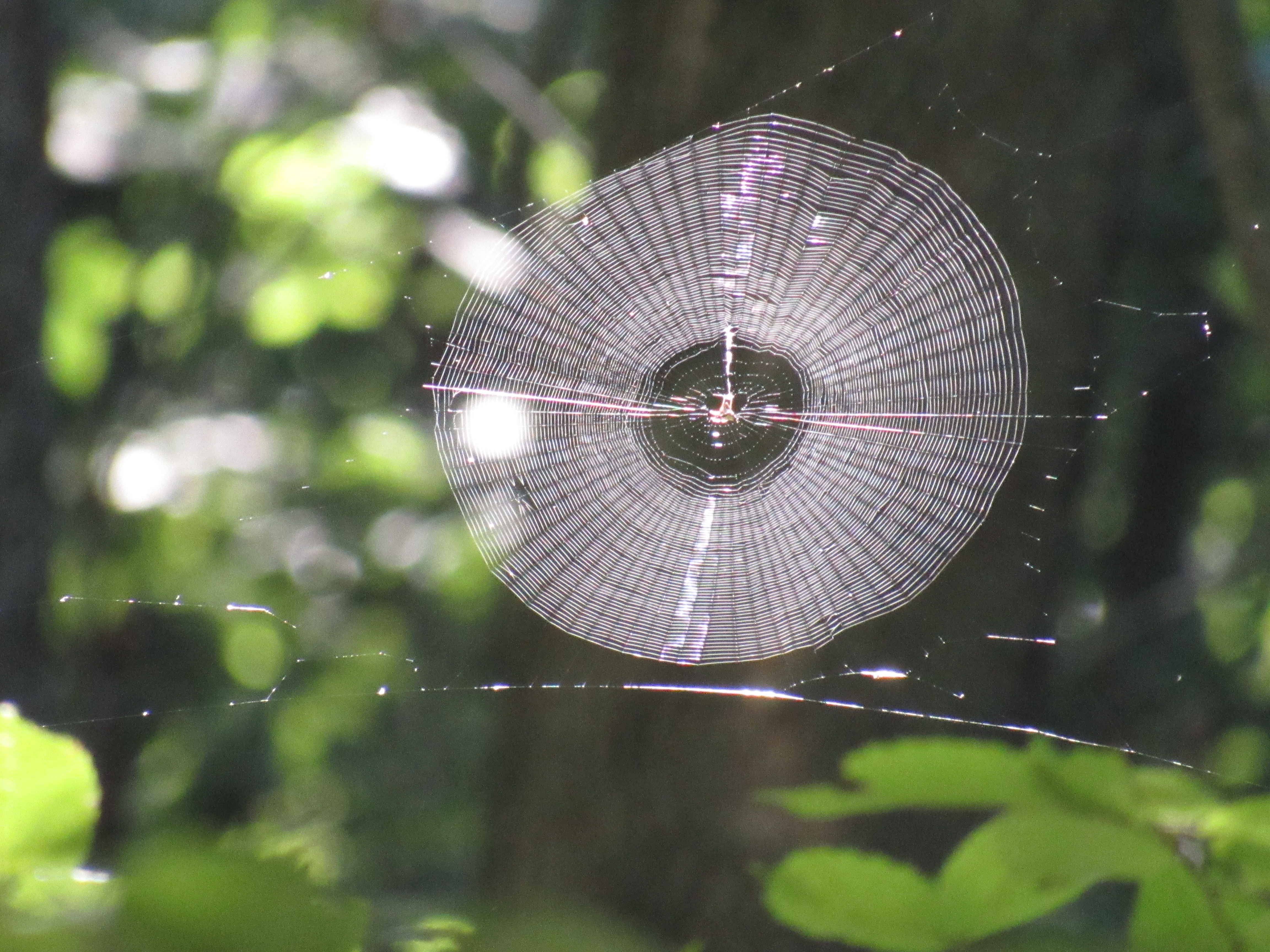
I’m ready… I’m harmless now. My ten-speed and me. Camera aimed. I got something good—a spiderweb.
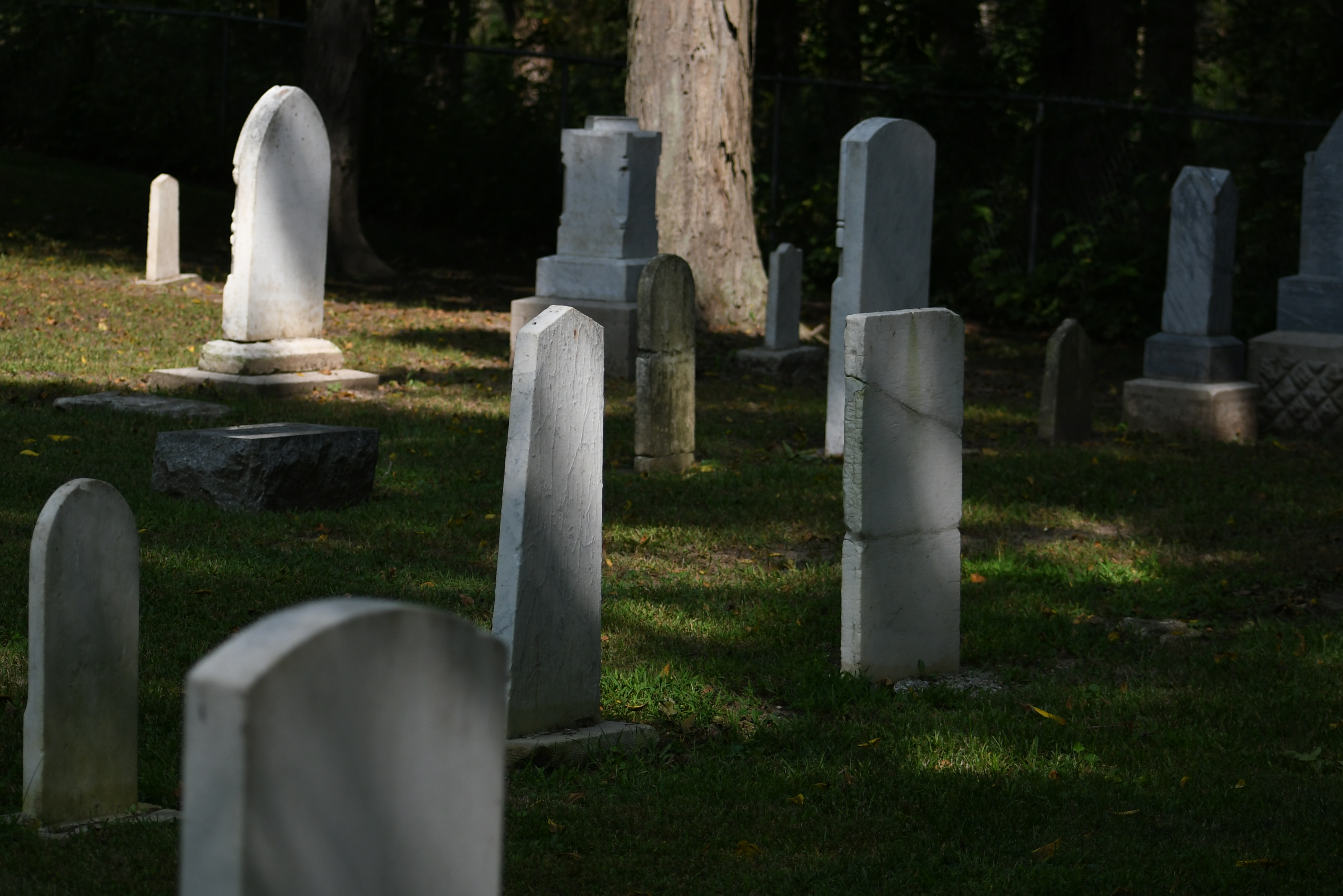
I hike my bike by the cemetery’s gate. “Look at this Grandma.” I say over a tombstone, but say it anyway and show her—been a minute. SEE. She always had a dark-side.
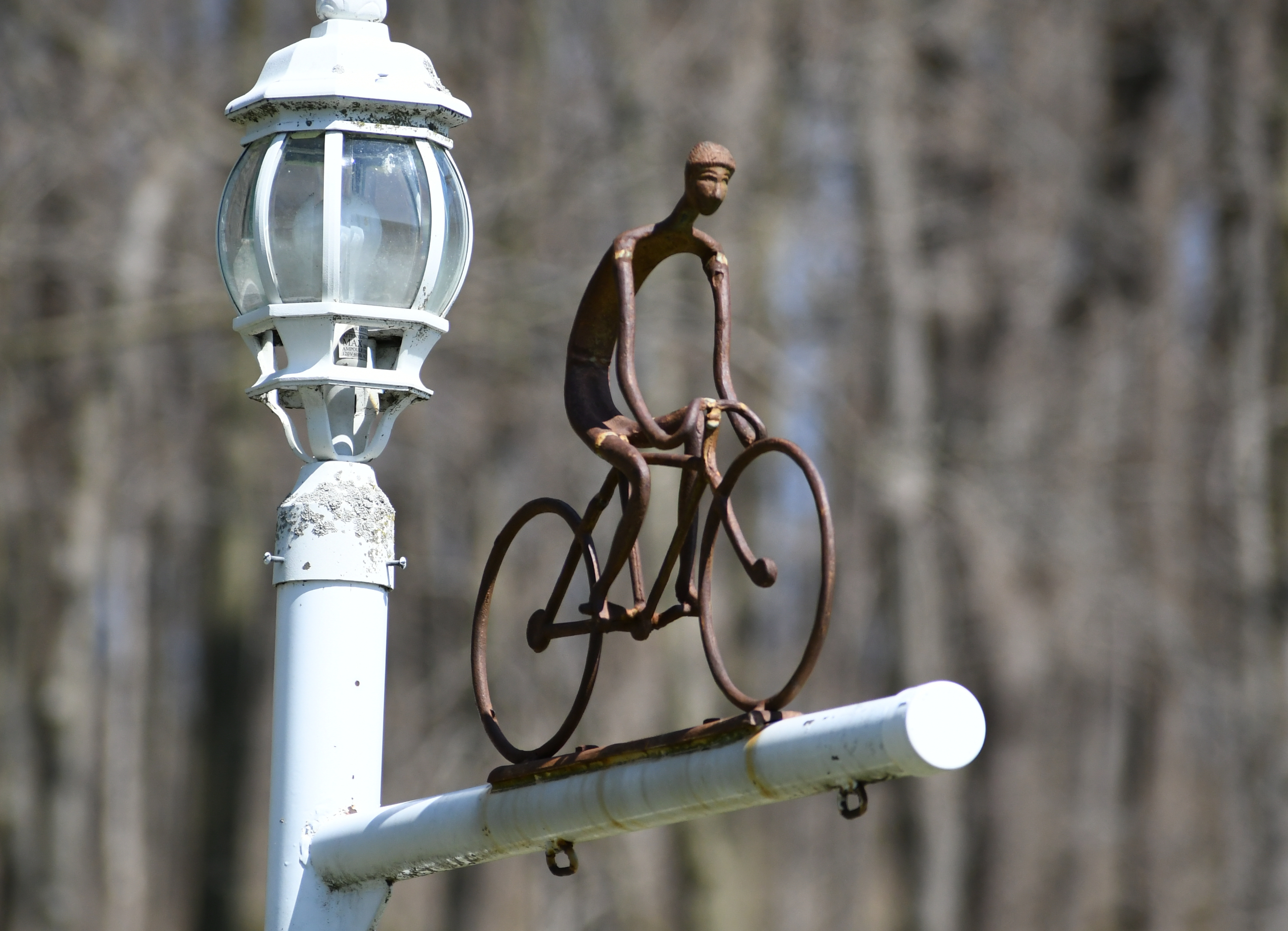
I wander around and get interested in wind vanes and lightning rods.
Christopher J Ananias


super stuff. My favourite is the one under the chairs.
LikeLiked by 1 person
Thanks Diane. I always liked that one too.
LikeLiked by 1 person
CJA
Your way with a camera is equal to your mastery of language. You really ought to be famous (in a good way). Unfair world; then again, you are alive, so there’s time. Not sure if posthumous fame is all it is cracked up to be.
Leila
LikeLike
Hi Leila
That’s very nice to say! Yes agreed, posthumous fame comes a little too late. And to think Kafka asked his friend to burn all of his work. AGHAST! While. Chekhov only asked for the champagne.
Thanks!
CJA
LikeLiked by 1 person
CJA
One thing I like best about this series and its text is how much it shows the reader and viewer HOW to do IT, that is, how to use the camera (and the words) as a way to explore the world. The camera here is not just a thing in itself, utilized because of a fascination with the latest technology. Instead, you use the camera as a tool for exploring your (and our) world. And THAT is the most important thing in the world, and the most crucial distinction (in the world) that I can possibly think of, by far.
William S. Burroughs also used the camera in a similar way, he who was so aware that both pictures and words can be used in (essentially) one of two ways, that is, either purely and creatively, OR in order to SELL THINGS, whether those things be a political agenda or the latest technology. You show the joys of pure creativity and implicitly it is set beside the utilitarian deadliness of using words and pictures for nothing but SELL, SELL, SELL!
THE LOVE OF PLACE comes through in these pictures and in the narrative text that goes with it. Tell Grandma I said hi! (Everyone should love the place where they are from, as long as it isn’t also connected to a rabid and aggressive self-defensiveness and nationalistic war mentality.)
Dale
LikeLiked by 1 person
Hi Dale
Great thoughts about the use of the camera versus the new tech toy. I have two cameras that I use. These were taken by my 10-year-old, Canon. Sounds like my son, lol, except for the name. Remember that show “Cannon,” starring the hefty William Conrad?
I think you hit the mark. And even made it clearer for myself. Taking photos really is about exploring the world. I take pictures everyday–taking it for granted–like putting on two socks. Maybe not that automatic, but there are things out there that can be missed.
I like your distinction between art and marketing. Whatever that marketing might be which is also an excellent distinction.
William S. Burroughs the first time I ever saw him and didn’t know who he was, until a frightfully long time later, was in the “Drug Story Cowboy” as the sordid junkie Catholic priest “Tom” shooting dope. Then I read his magnificent “The Junky’s Christmas.”
Thanks for your great comments!
Christopher.
LikeLike
CJA
That thing you mentioned which Kafka did is such a fascinating mystery for all human eternity! On one hand, I really do believe he had transcended this world through his art and now wanted nothing more to do with it, i.e. “burn all of it.”
And on the other hand, the guy who he asked to burn all the stuff was his friend Max. Max, who described himself as: “the one person who he knew would never honor his request.” (And Max also claimed that he also told him so in person.)
So, in other words, Kafka either staged a great exit for himself, OR he staged a great exit for himself by NOT staging a great exit for himself.
Either way, here we are still talking about it 102 years later! The truly great writer considers everything as part of the game, and that means everything, even the end (or especially the end, not that we can always control all of the details in a control-freak kind of way).
Dale
LikeLike
DWB
Yes, such duality in his last request. In a way it’s just how he would probably write a character in one of his mysterious tales.
I love how these artists play the game right up to the end. I can only imagine Stephen King’s last words. I have been reading some of his comic books he writes with other authors including his sons. The guy is into everything! One of my favorite recent short stories is, “The Road Virus Head’s North.”
CJA
LikeLike