Leonard Cohen on the Phone by Dale Williams Barrigar

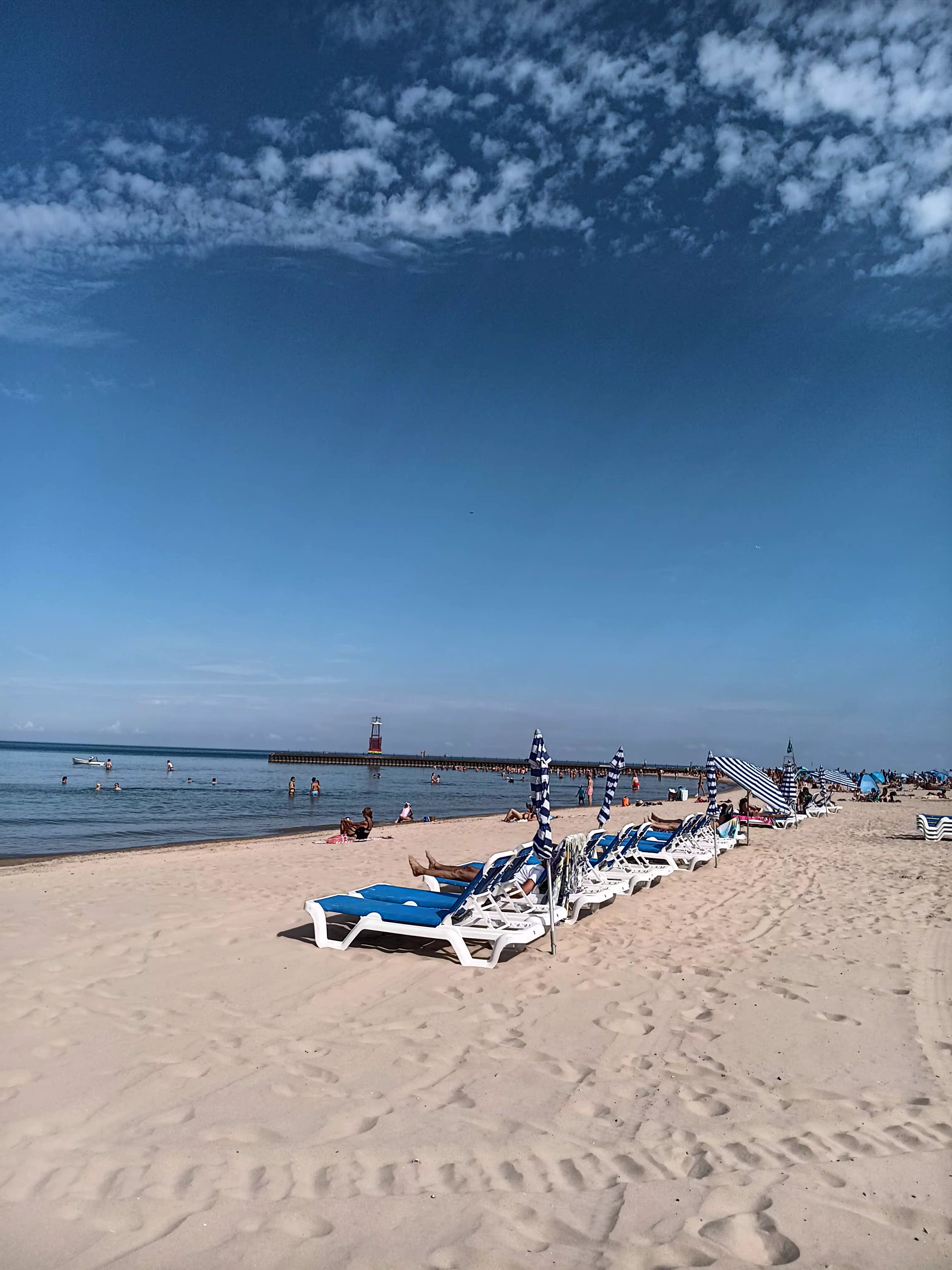
(Image of Berwyn, Illinois, U.S.A. provided by DWB)

“Show me the place where the word became a man.”

– Leonard Cohen, “Show Me the Place”

Poetry can create

and does create

urban

affection, the tiny,

brief

reaching

out

to one’s fellow

humans

that us city

folks (the vast

majority

of the planet

now) need to

indulge in so we

can remain

connected

to one another,

our fellow

humanity,

in a real way,

however strange or

however much

a stranger. Whenever

people compliment

one of my beautiful

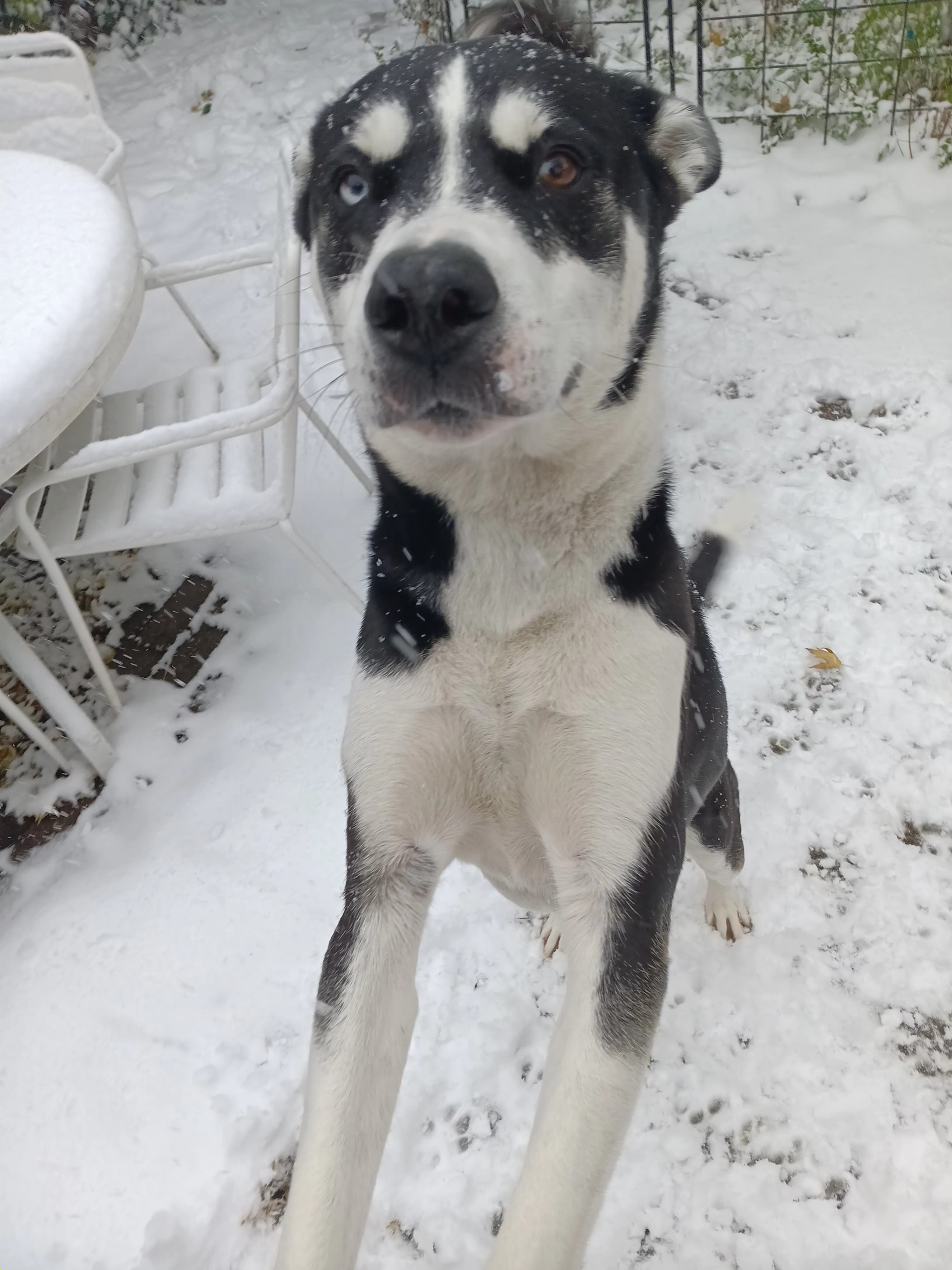
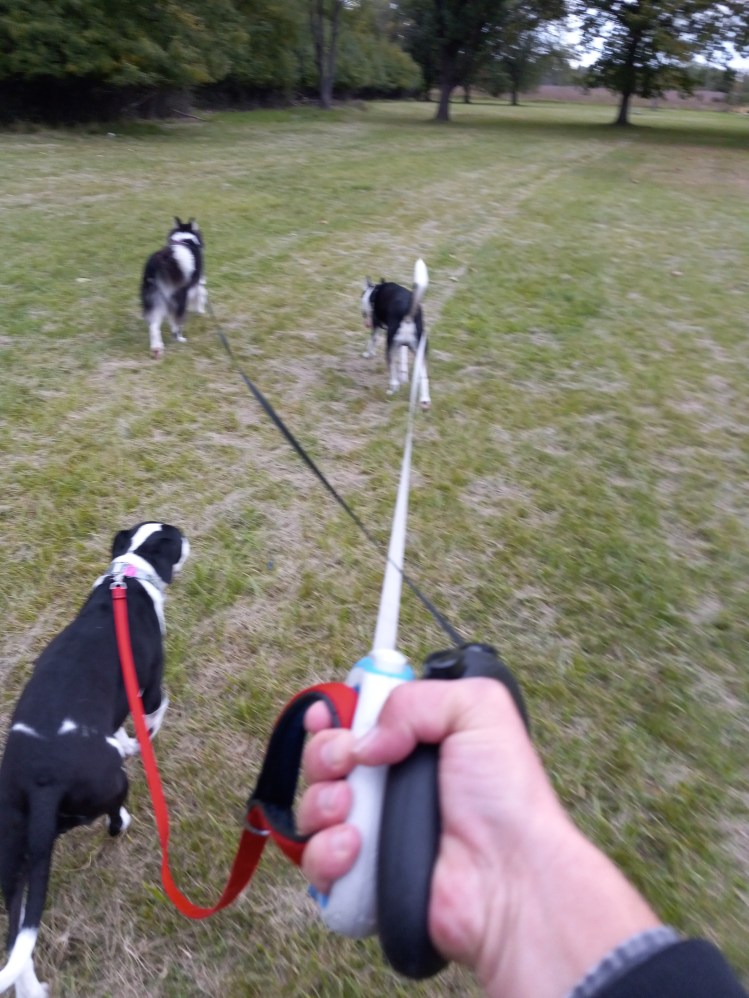
animals (Siberian Huskies

or pit bulls), I take it

personally

and return

the favor.

Walking across

the parking lot,

I resolved

that I

would continue

to do so. And I turned

the Leonard Cohen

song way up

on my phone

and placed it

near my ear

one more

time

for now.

Dr. Dale Williams Barrigar is a poet whose own poetry transformed his own life: suddenly, and then gradually. It’s good enough for him.

Porcupine Spirit by Dale Williams Barrigar

(Image of DWB provided by DWB)

Porcupine Spirit

For Montmorency County, Michigan,

USA

In a cedar swamp

one time, I saw

a gigantic

porcupine

standing up

on his hind legs

like a miniature

human. He was three

feet tall, and looked

like something out of

Star Wars with his incredible,

innumerable

quills

sticking out every which

way and his arms dangling

in front of him as he

stood there, his small face

unafraid of me and his whole

self refusing to move

off the path

which he

was blocking.

And indeed

he continued

to block the path

and watch me walk

away after I

gingerly

stepped

around him.

The forests up here

allow for many

moments like these –

vast, indigenous,

Germanic, huge,

mysterious, with little

to no

human habitations

for gigantic wild

stretches and nothing but

dirt roads. If you want

to be independent

on foot and wander

in a pine wilderness

like Johnny Appleseed

with a wolf,

you can choose

any direction

to do that

here

in the middle

of a place

that makes you

free.

Dr. Dale Williams Barrigar is a poet whose own poetry transformed his own life: suddenly, and then gradually. It’s good enough for him.

For the First Time by Dale Williams Barrigar

(image provided by DWB)

Through it all,

and during it all,

the vast collection

of poetry

he’d created

in the last

ten years

had turned into

a monster

like Grendel

that was now devouring

my life. William Carlos

Williams said:

since the imagination is

nothing, nothing

comes

of it. This lesson

was weighing

heavily. But Jack

Spicer

also said: the poet gets

messages

for her or his life right

from the act

of writing poetry. This

makes poetry

worth doing daily

in its own right,

regardless

of any outward

consequences, or

non-consequences,

that can be

immediately seen. I remembered

I was a person born

with a humble sense

of mystic vision

(since day one). Since day

one

I’d felt

the correspondences

in the world

and had

a certain sense that we

are all here

for a reason, or for

many reasons

and meanings, which we

can feel (sometimes), but not

clearly

see

or say (most of the time).

An ambiguous

mystical

seeing, since

the dawning

of consciousness:

the first memory:

opening the eyes

outside of her body

for the first time.

Dr. Dale Williams Barrigar is a poet whose own poetry transformed his own life: suddenly, and then gradually. It’s good enough for him.

Elephant by Dale Williams Barrigar

(Image provided by DWB)

“A poet is a time mechanic.” – Jack Spicer

The poem sat

in the corner

staring at

his eyes

and heart

with the eyes

of a cat

and the body

of a lone

wolf.

Then it changed,

the poem, into

a dolphin,

trout,

gorilla,

shark,

monkey,

wild boar.

A horse,

then a camel.

A hawk,

peacock,

osprey,

owl,

sparrow,

eagle,

crow,

dove,

pigeon,

thrush,

another nightingale,

and now

an elephant.

It is undoubtedly the

(invisible)

elephant within

the room.

I can neither leave it

there

alone

nor take it with me;

the door

isn’t big enough.

Yet, I’m

in charge

of this elephant.

However, nobody

is really in charge

of this unseen

animal,

who is, truly, a creature

never really seen.

Its intelligence

and will-power

are incredible,

like a real

elephant.

But it remains

invisible, like my blue

butterfly, the one that

travels with me

everywhere,

hovering over

my shoulder.

And so

I toil, struggle, wrestle,

labor, study, save, caress,

create, rest, and renew,

daily. Daily life is

a struggle with It,

capital I, but I

struggling with the power

and the breath

in this way

am truly

my own reward,

every day and

every way.

William Carlos Williams

and Jack Spicer, the great

Jack Spicer,

were right.

A poet

is a mechanic

of time.

Dr. Dale Williams Barrigar is a poet whose own poetry transformed his own life: suddenly, and then gradually. It’s good enough for him.

Saragun Springs Proudly Presents: The Last of the Mohicans Still Exists by the Drifter

(Images “Last Mohican” and “Water Boo” provided by by Drifter)

Water Boo

“The most manifest sign of wisdom is a constant happiness.”

– Montaigne

In Russia there was a television program about an enigmatic drifter named Fenimore who visited a summer camp to tell the children tall tales: about Native Americans, but also about extraterrestrials visiting Planet Earth.

The unusual name, Fenimore, was so well-known in Russia that even children recognized it.

Fenimore was the middle name of James Fenimore Cooper, an early American novelist, creator of The Last of the Mohicans, who was so well known in Russia that “everyone” knew who he was (and he was especially well known by his unusual middle name).

Cooper is less well known in Russia now than he was a few decades ago. But he’s still far better known in Russia than he ever was in his native land of the USA. And at one point, he was very well known in his native land, one of the best-known writers in America.

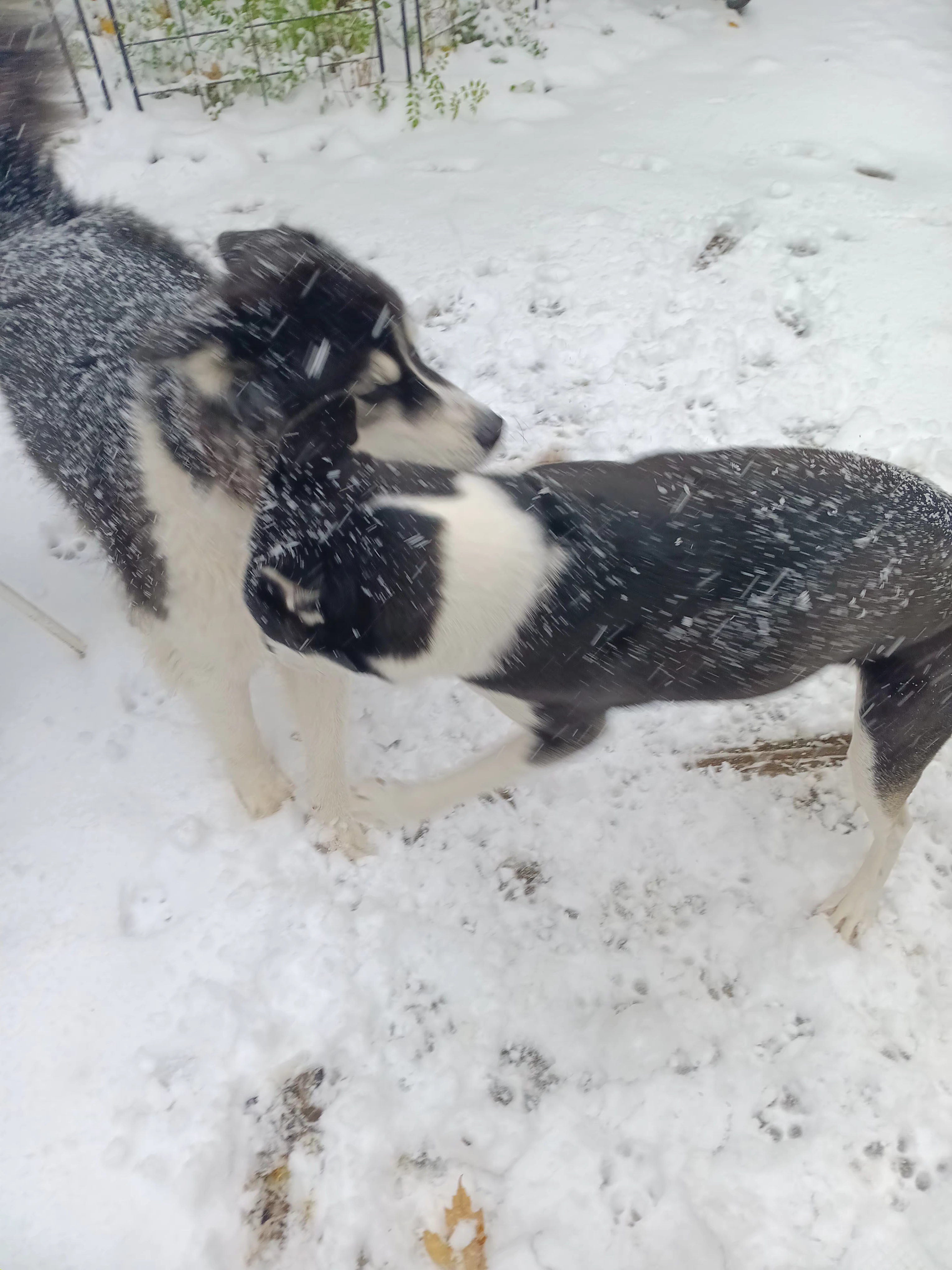
The Mohicans believed that the purest and best creature on Planet Earth, among all the uncountable creatures here, was the white dog. For the Mohicans, a dog of purely white fur ruled over all other creatures because of its beauty, goodness, loyalty, and spiritual intelligence.

Modern city folk would be horrified by what the Mohicans did with the white dog in turn, because they believed it was the purest creature created by the Great Spirit: they sacrificed it.

What modern people don’t realize is that: one: the animal was sacrificed quickly and without pain; and two: the Mohicans believed the animal was instantly passing over into a world exactly like this one, except without the pain, as soon as it died.

The Mohicans believed the white dog was leaving this world of pain and going to another world exactly like this one except far more perfect than this one ever has been or ever will be.

This is a challenging paradox, even a contradiction: that there could be a world exactly like this one, except without the pain.

No more physical hardship, no more fear, no more boredom, no more sense of betrayal. No more endless feelings of injustice, no more nonstop struggle for existence and survival (mental, physical, and spiritual), no more loneliness, isolation and alienation, no more feeling of being abandoned by the Creator of the universe.

But the beauty we see, hear, feel, smell and taste here will still exist.

The sun on your head, the wind in your hair, the ground beneath your feet, the green, breathing beauty of the plants all around you would still nurture your soul, except more so.

The grizzly bear will still be there, but he will no longer tear your head off and devour you; instead he will roll around with you peacefully and playfully in the grass.

The fear of death, the one multi-pronged, many-leveled, myriad-layered primal emotion that perhaps generates all other emotions here in this world, even our sense of beauty, or especially our sense of beauty, will be gone there. But the sense of beauty will still exist. It will simply be increased, heightened to a level we can’t even imagine yet, here on Planet Earth.

I went camping this week with my kids and dogs, at Warren Dunes State Park in Michigan, ninety miles from where we live outside Chicago.

It’s only ninety miles away from Chicago around the bottom of Lake Michigan, but it feels like a different world where the raccoons outnumber the people ten to one.

There are a lot of raccoons in Chicago and environs but they still feel vastly outnumbered. Not so in the Dunes.

In the Dunes, I felt closer (or closer in a different way) to the sun, the wind, the ground, the green, the blue of the vast freshwater sea and the sky above it, the yellow sand, the raccoons, fish, and birds, and so was reminded of my own Native American heritage.

I have never had my blood tested. But as a child I was told over and over that I am part Native American. So for me, in spirit, no matter what the genetic testing would or wouldn’t say, I am indeed part Native American. Nothing could take that away from me now, not even science.

And since I’m also a lover of Russian literature, including a few of the great Russians who were nature lovers, like Tolstoy, Chekhov, and Turgenev, I have a love for the Russian love of Native Americans, the Russian love of nature, and the Russian love of James Fenimore Cooper.

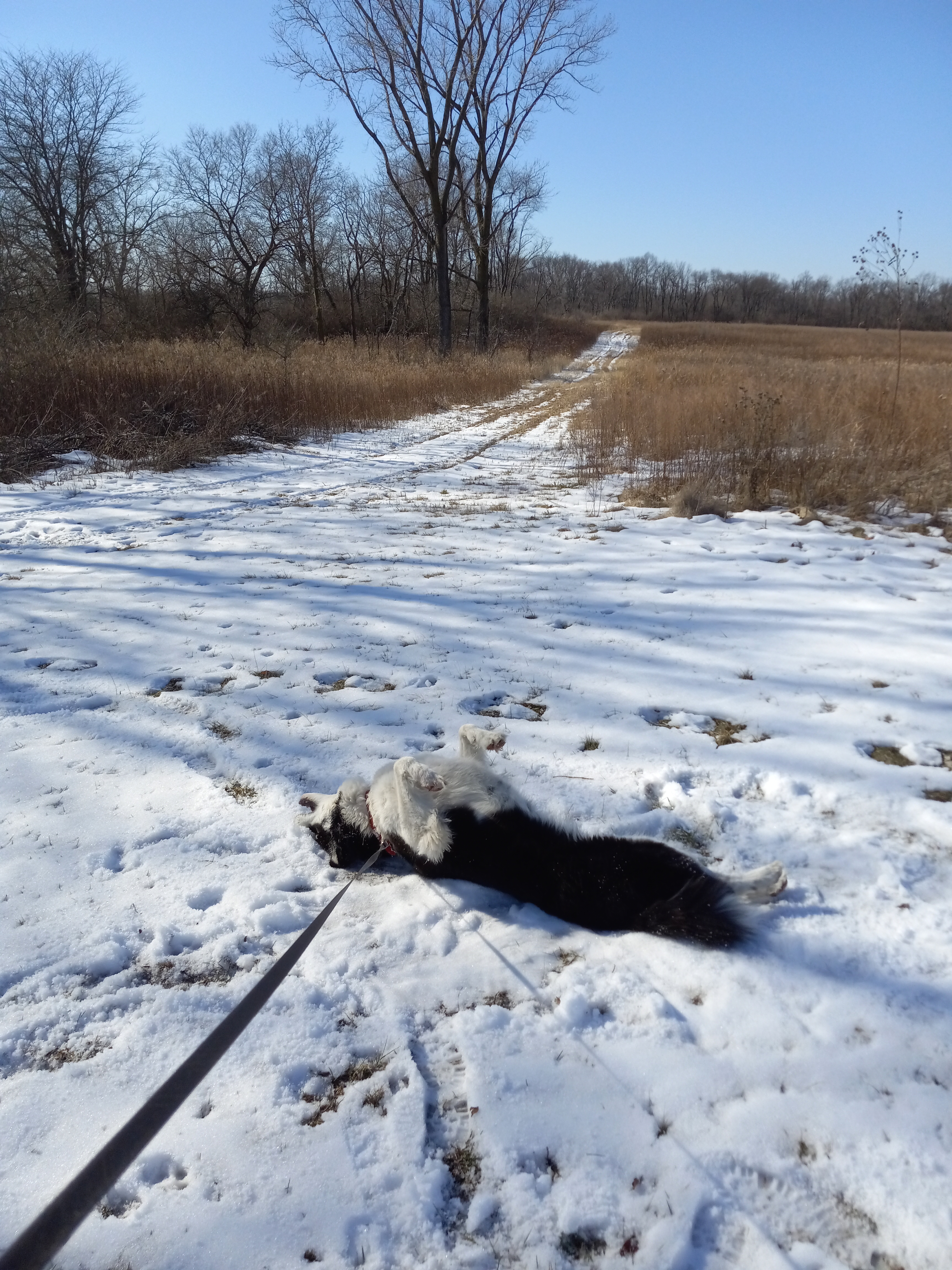
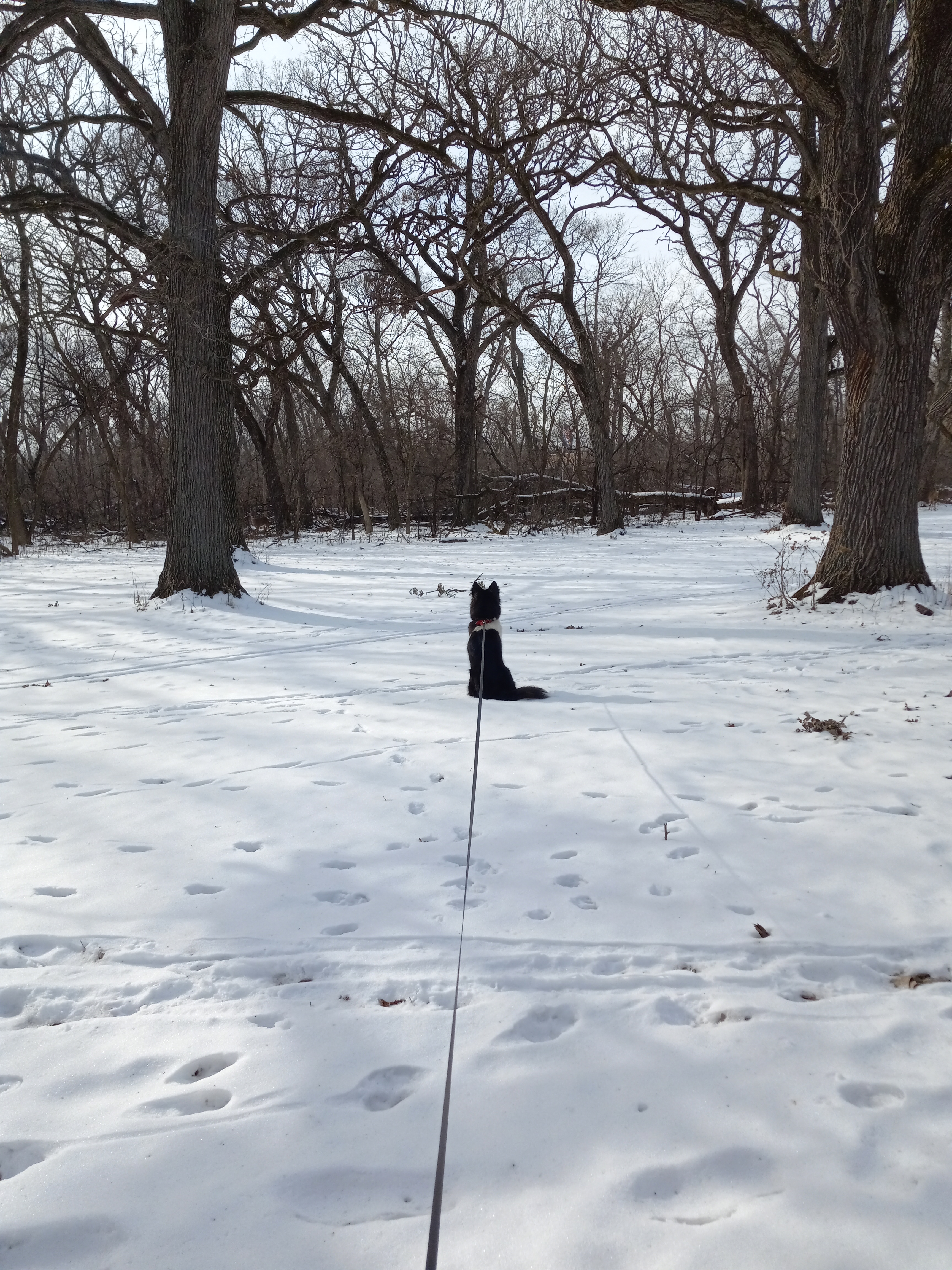
Drifting along on an empty trail walk among wooded dune hills with my two Siberian Huskies and one pit bull, I was feeling the feeling of free discovery that can still be found, somewhere, in all fifty states of the USA, if you look in the right way and in the right places.

And I realized that the Indians really are still alive inside me, because I worship their worship of, and their belief in, the white dog.

And their dream of a heaven that is like home.

10 Questions Dale

(Header image provided by the Drifter)

Good morning Readers

Today we are debuting a new feature that yet has a name, but is part interview, part word association. I have presented Editor Dale Williams Barrigar with ten words (nine actually, the tenth is his choice). What follows are his replies. We hope that this might catch on and other lists will be given to other people in the future.

Leila

Ten Words

“The Drifter” (aka Dale Williams Barrigar, Doctor of Philosophy) has made these definitions as short as he could, knowing that brevity is the soul of wit.

Any statements he makes about “God” and so forth should be taken with a large grain of salt: because he’s not smart enough to pretend he knows what the Creator of the Universe is really up to – or why.

One: FEAR.

In many ways fear is the basis for everything in this world.

When we climbed down out of the trees, it was partly from fear (with a large mixture of curiosity).

And when we started running away over the ground trying to escape the Sabre-toothed Tiger, it was certainly from fear. (*See below.)

Hemingway called it “grace under pressure,” a paraphrase of which might be “not being a chickenshit.”

How one handles one’s fear/s is such a large part of “who you are” that it’s frightening.

ANXIETY, the much used modern word, is another term for fear.

Jesus nailed to the cross is such a universal image (even for “other people” on the other side of the world who aren’t “Christians”) because it’s based on fear (as well as compassion); and if you don’t know yet that we all get crucified in this life, one way or another, and usually many times, you’ve got a rude awakening in store. (Some of us know this as soon as we know anything.)

Fear of failure can be good, or bad, depending!!

(*The first time we escaped the Sabre-toothed Tiger on foot we realized we could escape, and almost felt free for the first time. And the first time we escaped must’ve had a large mixture of trickery involved, as well, since there’s no way we could’ve beaten the beast on speed alone, with only our feet. Call it: tricking the beast. And it’s just as important now as it ever was; usually, now, for different reasons.)

Two: HOPE.

Whales, wolves, and humans can all sing, but only birds can both sing, and fly. (I mean fly in reality, not in dreams or with mechanical assistance.) Perhaps some day “they” will create a drone that can both sing, and fly; but it will be an at least partially hideous thing; like Frankenstein with wings and tender vocal chords.

Emily Dickinson has forever made me think of a bird whenever I think of the word “hope” (“hope is the thing with feathers…that perches in the soul”) and without hope, the world wouldn’t be worth living in. Period.

Three: ART.

The German philosopher Friedrich Nietzsche (wildly, he always denied he was German and claimed to be Polish instead, which would be, in 2025, like an American denying he was American and claiming to be Mexican, instead, or Bob Dylan claiming to be an orphan cowboy from New Mexico instead of a comfortable Jewish kid from small-town Minnesota) said: “These earnest ones may be informed of my conviction that art is the highest task and the proper metaphysical activity of this life.” Another great German, Arthur Schopenhauer, agreed with him (before Nietzsche said so himself). So did Jim Morrison, one of Nietzsche’s most famous disciples.

We all know who “the earnest ones” are, if we think about it. They take themselves all too seriously, have CONSUMERISM as their religion, and are great at passing judgement on anyone just a little bit different from themselves; they appear in the White House, the halls of Congress, the pulpits of churches, the lecterns of all the colleges and universities, and even, or especially, in the book clubs and writing groups of all small, large, or midsized American cities.

REAL ART IS SOMETHING YOU HAVE TO BE WILLING TO DIE FOR. You don’t have to die for it; but you have to be willing to.

Four: LUCK.

“Luck” is all the good things that happen to us which we don’t deserve that help to turn us into better people – not monetarily richer, more fakely famous, or more “powerful” – but better. Often, with the best luck of all, we don’t even know about it until long after the fact. Maybe this means that we’re always lucky; or at least more lucky than we think we are, most of the time.

Five: FAITH.

Faith is the thing without which, Alfred, Lord Tennyson, said, he wouldn’t be able to eat his dinner. Because without faith, he wouldn’t have an appetite. He would be too full of fear, and it would make him not hungry. When I start losing faith in life, I know I’ve grown too tired again. For me, a lack of faith in life is the biggest sin there is.

It has nothing to do with believing we know just what God is up to. It has everything to do with believing there is always a reason to go on – even when we don’t know what it is. There is always someone watching you and cheering you on – even when you don’t know it. Don’t let them down. (If you don’t have a choice any more it’s a different story.)

Six: FUTURE.

The Future is everything. This is where, without doubt, all the most exciting things happen. Sometimes we forget that the Creator of the Universe has a plan, and it involves US. Our best moments in the present are lived in the future, if we’re doing it correctly. It’s not about escaping the present, it’s about intensifying it.

Like everything else it touches, modern American (hedonistic, nihilistic) CONSUMERISM, the religion of the United States, which has also devoured large chunks of the (human) globe elsewhere, both East and West, bastardizes the concept of the future.

It has nothing to do with what they’re trying to sell us yet again.

It has everything to do with what Art itself (at the highest levels, which are everywhere, even under your sandals) is all about.

Without the future, there is no Art, because as you work at creation, you’re always anticipating one or many moments in the future, near or far. Or you are unaware of what you’re doing, which isn’t art.

Seven: TRUST.

There have been people in this life I’ve trusted the second I met them – and I continued to trust them, even after they left me for dead in the dust.

There has been one person I’ve trusted the moment I started reading her fiction and her online commentary – and still do and always will trust, and even would and do trust with my life’s work: even though I’ve never met her in person. She’s that good of a good writer. And to be a good writer, you have to be good. Not perfect (because none of us are), but good. Zero exceptions.

Trust you to take it seriously is just one form of trust.

Eight: FAMILY.

Not all family members are blood related, though they’ve probably spilled the same kind of blood – of their own, I mean (mostly).

Nine: OBSESSION.

Obsession can lead to a compulsive disorder, or to the perfection of the Mona Lisa, depending on what one does with it.

Sensual/sexual romantic obsession is, by far, best for the artist when it’s sublimated. Leonardo and Michelangelo spent zero time scrolling through dating app’s while remaining obsessed with romantic beauty.

Ten: CREATIVITY.

It’s Everything (all around us), and it’s everything (worth fighting for).

Your life has to be your first art, even when (or especially when) you pour everything else into your art.

And when we do this, we’re imitating (in a good way, and possibly without knowing it) the Creator of the Universe.

Solitude Equals Freedom by Dale Williams Barrigar

(image provided by DWB)

Solitude Equals Freedom

Harold Bloom, my spiritual mentor (if I had to choose, at gun point, just one, other than Jesus), rightly opined, over and over and over again (in the good way), that an American never feels free unless she or he is alone. Daniel Boone, Davy Crockett, and Johnny Appleseed all agreed with him; as did Chief Joseph, Crazy Horse, and Geronimo.

The following poem, about my beloved Christina, is the result of that unnerving, wonderful, and true formulation.

Fleeing with the Geese

“Sometimes she is a child within mine arms…” – Dante Gabriel Rossetti

Tedium alternating with

Ecstatic balloonings which

Collapse

So suddenly

Equals this

Teenaged life

(for a few more months)

Of mine…

But then again

There comes

A sudden feeling, seeing

These geese exploding with power in their

Winged

Freeness

Like Bucephalus

The young war horse

Terrified

Of his own

Shadow in Plutarch

Until

Alexander

Understands

Him and now he’s

Becoming fearless

Over cottonwood

Trees

And power lines

Of the Ragged Prairie

Land

In the ghosts

Of the geese.

The UFO

Filled with marvelous mystery

Monsters

Is

Coming down

Now

And the

Mastodon Bone Museum

Is unleashing its feverish

Dancing

Creatures

And there’s

One bar

Open

On the edge

Of the

Railroad tracks in this

Dying American town!

And I’ll

Be back

On the highways and

Byways tomorrow,

She intoned,

At the end

Of the

Summer,

In 1991, to

Her Homeric

Soul,

Her heart

Humming,

Her hair blown

So wild

And so free,

Shaking the dust

Off her feet, in

America

ALONE.

Dale Williams Barrigar is an American artist who loves to be alone.

The Drifter: One Holy Reason to Love

One Holy Reason to Love

(Image provided by The Drifter)

“Kerouac could write everything because he never forgot

anything.” – Bob Dylan

“I saw you this morning…in my secret life.” – Leonard Cohen

Scholars of literature always call Edgar Allan Poe the first writer in America who ever tried to make a living using nothing other than his own pen. And that is very far from true, very, very far from true.

Poe never tried to make a living in America using nothing other than his own pen. He always knew he would need another job, whether that was in the U.S. Army or as a low-wage wage slave working for other peoples’ publications where much of what he did as a “job” had absolutely nothing to do with his own creative writing, on the surface at least.

What Poe did try to do, and what he can be called “the first” at doing in many ways in America, was to try and live a truly literary life at every level, no matter what else he also needed to do in the meantime.

Every demeaning task, every humbling action, every humiliating circumstance in his life, and there were many millions of all the above, Poe tried to convert into something sacred that could be seen as serving the literary life he always made himself live for his own pride, even when it seemed impossible.

Poe never let himself forget he was a writer. He elevated it above everything else, above politics, above religion, above family, even; or rather he made it so much a part of his life that everything else, politics, religion, family, all grew out of his starting point, which was his commitment to writing as an art.

This profound innovation, which is more relevant now than it was 200 years ago when Poe made it, has had an endless series of influences on all the arts, not just writing, all over the globe, not just in the USA.

It probably caught fire in France first, when Charles Baudelaire, the first true poet of the modern city, took up the call that Poe had issued to the writers of the world.

Baudelaire identified so strongly with Poe that it’s said he would pray to Poe nightly, as if Poe were a saint. When we consider Charles Baudelaire’s Catholic background, this doesn’t seem nearly so crazy as it might appear at first glance to many of us.

In the religion Baudelaire was raised in, praying to saints was not only not frowned upon, it was encouraged. Baudelaire’s move, which was to make the Art-for-art’s-sake Edgar Allan Poe into his own private literary saint, was really only moving the material he was given at birth an inch or two to the right or left. It was the higher ideal of the truthful and imaginative writing life that Baudelaire was really placing on the pedestal, in the manner of his hero, and saint, Edgar Allan Poe.

Baudelaire wrote in the shadow of Victor Hugo, a writer as massive, deep and wide as Charles Dickens, but it is now Baudelaire, in his Paris Spleen, Flowers of Evil, and Artificial Paradises (hashish, laudanum, absinthe, and literature), who generally seems more modern to most poetry lovers.

Hugo the realist, as great as ever still, was of his own time. Baudelaire, following in the footsteps of Edgar Allan Poe, was for the future. Like Poe, he foresaw, and even lived in, the age when humans would become ghosts of themselves (for good and ill), the time when the new rule would be (and is): turn your own life into an art, or die, mentally, emotionally, spiritually, and even literally.

The life-as-art, art-as-life, consequences-be-damned credo and way of living was elevated perhaps even higher by Vincent Van Gogh, especially in his self portraits, or in Sherlock Holmes and Irene Adler, whose laser-like, scientific focus on artful truth-telling rises straight from the beautiful and terrifying mists of Poe’s profound innovation, where the responsibility for everything is placed squarely on your own doorstep, even, or especially, if you are a starving artist.

Here are four ways any and all of us can instantly start turning our lives into an art and an art form almost immediately. If you’re already doing these things, and I have no doubt that some of you are: then bravo for you. Keep it up, and spread the word!

ONE: Texting

Do not become the mental slave of your own (what I like to call) texting device. Never send a text that has been written for you by a robot, AI or other computer; and never send an emoji that has not been specifically selected by you to be extremely pertinent to the exact circumstances at hand.

If use emojis you must, feel free to do so: but be creative. Go deeper. Look for the ones that say what you really mean to say. And be sure you know what it is that you really mean to say. If you don’t really mean to say it, don’t just say it, blindly. This is you putting yourself out there into the world, and this is the inevitable way people communicate now, at this moment in history, for a million different reasons.

Texting is too easy to do, but it doesn’t have to be. Take the time to say what you really mean: or don’t say it at all. And when you choose silence, choose it for a very definite reason; know what that reason is; know why you are choosing to exercise your own silence; don’t just ghost people because you are bored – or lazy.

If the time has come for you to be quiet, know why you are doing it.

TWO: Emails

Be creative when you compose emails. Even be creative when composing emails if it’s in a situation where you are not supposed to be creative, or maybe especially then. If being creative will get you frowned upon and called onto the carpet, be as creative as you can possibly be, even unto the point of being shown the door by the robot-humans in charge eventually. Don’t dumb down your own language too much in order to be “safe” or in order to please your masters, and make sure your own individual personality-stamp goes out with every single communication you ever send. Even if you’re just telling someone you need them to do something for you by Tuesday. Or maybe especially then.

THREE: The “Comments” Section

Be very, very, very selective about what kinds of “Comments” sections you choose to engage with. And when you do find a good one and have chosen to engage with it, go all the way. Doing anything in life in a half-assed way is nothing more than a half-assed way of doing things. Make sure you’re not just shouting into the void by repeating the exact same things a million other people are also saying.

Choose wisely, and be selective, and make a full commitment; let your opinions shine forth only if they are genuine, original, dyed-in-the-wool personal opinions based on the reality of the world, not just group-speak mind-control thought-police regurgitations of the exact same thing everyone else is also saying ad infinitum.

Another way of putting it is this: be original. Always be original. If you can’t be original here, it’s OK: choose silence, and be original in a different venue where you feel like you’re on more solid ground.

Regarding size of audience, Jesus himself said this: “Where two or three are gathered together in my name, there am I in the middle of them.”

There was a reason why he emphasized the tiny numbers two or three, just as he limited his personal disciples to another tiny number, twelve. Jesus was the strongest advocate for individuality this Planet has ever known, which is why he is, by far, the most famous person who has ever lived, or ever will live. And he spent a lot more time walking away from the churches and marketplaces of his day than he did walking into them.

FOUR: Pictures of You

Do not use the camera on your phone to celebrate the American Religion, CONSUMERISM. Do not use the camera on your phone to advertise the dead animals or the vegan delights you are about to sink your teeth into (everyone needs to eat and digest) unless you can really make it artistic. Also, do not use your camera as a way to provide just another screen between you and the reality of the world. Instead, use the camera on your phone for the following three reasons.

One: To try and capture moments of beauty which are beautiful, or to create beauty by making something beautiful which people don’t usually think of as “beautiful.”

Two: To relate yourself to the real world around you by showing yourself and others “It” from new, original, and different perspectives. (This is called “Imagination.”)

Three: Use the camera on your phone as a form of SELF exploration.

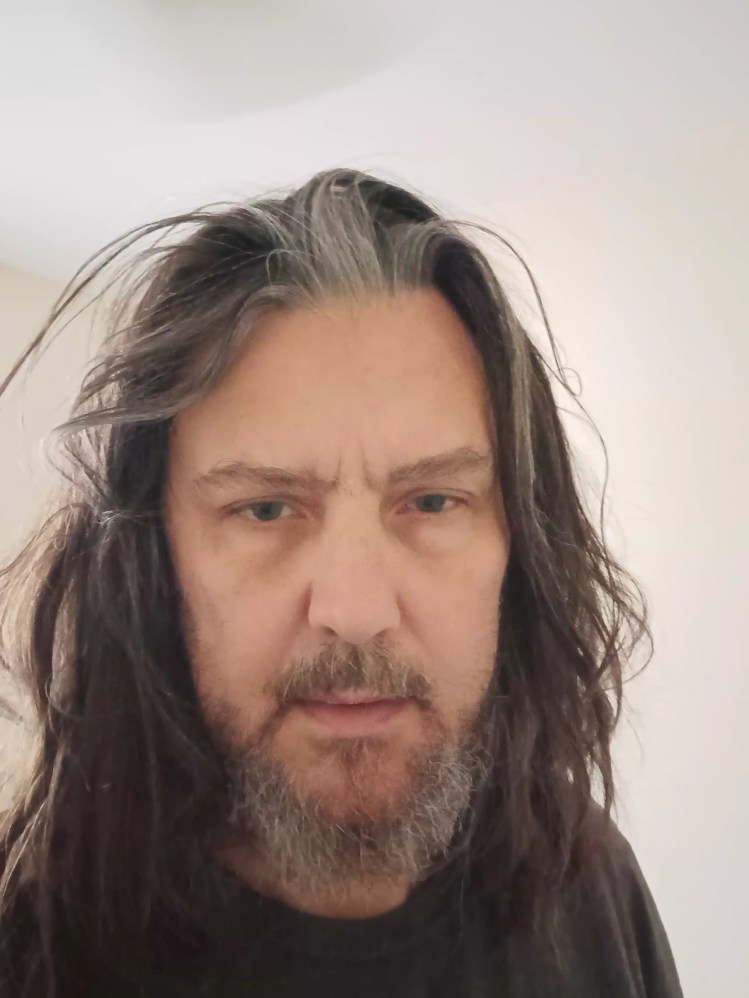
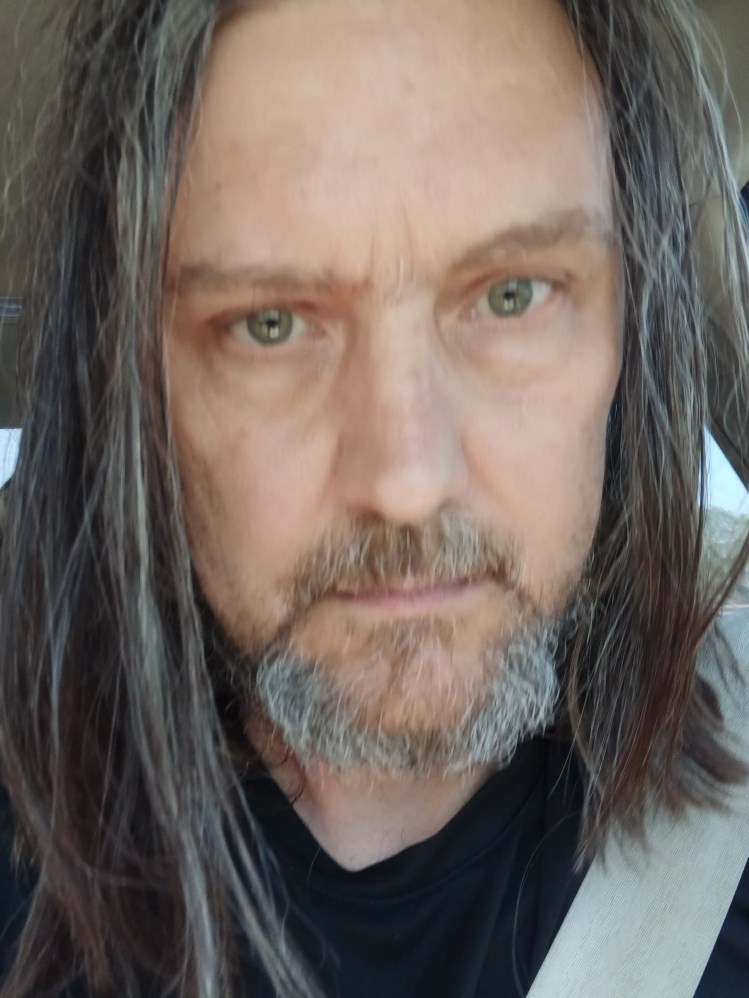
Do not take selfies. Make self portraits. Even if the only one who ever studies them is you, this will make you an endlessly deeper and more original person in everything else you do and do not do (what we DO NOT do is just as important as what we do), IF you do this in the right way, which is to do it the way Socrates said to use the mirror: Look for yourself, and study the endless changes which are “you,” with fascination. (This is something Shakespeare did in his Sonnets.)

Most people are only terrified of death when they never really live/d first. Always start with yourself first. Move outward from there.

A NOTE on reading from The Drifter: What you take into yourself is just as important as what you put out into the world, and what you put out into the world will, inevitably, be massively influenced by whatever you have spent your time taking into yourself.

Watching a truly great movie is a much more artistic experience than reading a truly bad book.

But the act of personally reading good things will strengthen the mind (and hence the personality) in a more powerful way than anything else on Planet Earth. This has been true for thousands of years, and will remain true now until “the end” (whenever it comes).

Alexander the Great’s most prized personal possession was his copy of The Iliad. Abraham Lincoln spent more time reading Shakespeare and the Bible than he did studying war plans or political suggestions. Martin Luther King, Jr., was always reading good things. He never would’ve been able to write or think so well otherwise: and he knew it.

The poet William Blake was not joking when he said he wrote mostly for “children and angels.” Personally, my conception of Heaven also includes forms of reading. If I’m wrong about this, it’s highly doubtful I will be aware of it; so I’m going with this for now. (It’s also probably true that by “angels” Blake meant both literal angels, and saintly humans.)

If one fills one’s mind with trash, nothing but trash, and more trash, eventually (or sooner) the mind itself will become a trash dump. Right about then is when real and deep ignorance, cynicism, scorn for the good of the world, and nihilism begin to set in. (Many of these people are walking around and looking like respectable members of society, too; even as we speak.)

The Character Here by Dale Barrigar Williams

(Druid Girl Image, provided by DWB)

The Character Here

The main character in the following lyric cry goes barefoot most of the time, wears animal skins when he wears anything, carries a spear, wears an amulet around his neck that protects from evil spirits which he knows often, but not always, come from other people, and has never shaved, although he has cut off his beard and hair when they get too long so they don’t get in his way; he also takes magic mushrooms, walks for days on a regular basis, hangs around the fire a lot, also spends a lot of time alone, sees visions, makes cave paintings he never looks at again, or sometimes returns to as if to an old friend for days on end; and in this poem, is inventing, or elaborating, human language, while also simultaneously developing the gift of human mercy which Jesus himself, and his mother Mary, would bring to perfection many thousands of years into the future from where this character is perching in this poem – right now.

Alone at Blue Rocks on the Shoreline

Prehistoric Man/kind perches on the cusp of a decision, and speaks.

The rocks here at shoreline are blue.

Blue like the water and sky.

Blue like the blue bird and the big ice.

And they rise half as high as the ice, as the big ice.

The rocks here under this sunset tree are red.

Red like her hair, and the sacrificial hare in the sun, in the trap, twitching.

(LET IT GO.)

Your costume only becomes you

and your uniform once you

wholly own it somehow

after long tries

and once you wholly own it you’ll

uniformly know and your uniform

costume will simply become a way

of knowing and a way of knowing more

about what you already know you know

but aren’t always so sure about, in this land

of the wooly mammoth having you for breakfast

on his horns

and the saber-toothed tiger around

every

bushy

turn.

So the hare, let it go, LET IT GO.

The hare released.

Look at him go!

He flies because I

have chosen

not to sacrifice.

Dr. Dale Williams Barrigar is an impoverished poet-scholar from the Midwestern USA who learned much of what he knows about primordial humankind by reading and pondering the works of Sigmund Freud, Carl Jung, William Butler Yeats, William Wordsworth, William Blake and William Shakespeare, as well as lots of intuition, imagination, and experience thrown into the balance. Experience alone is never enough, and neither is reading; they have to be combined.

Column 1 Dale Williams Barrigar: The Other Side

(Note–I am certain that this will be the first of a great many enlightening Sunday columns for Dale in the Springs. He has the talent and determination; therefore the sky is the limit!–Leila)

The Other Side

Study yourself frequently in the mirror, without vanity.

It is a profound self-portrait.” – Socrates

“…Before I am old / I shall have written him one / Poem maybe as cold / And passionate as the dawn.” – William Butler Yeats

“The bird that flies in front of you is not for no reason.”

– Chingachgook

In September of 2024, I saw the 91-year-old Willie Nelson walk out onto a stage somewhere outside Chicago and wave at the large crowd in the seats and spread out farther back all over the green, sprawling hills of this midsized stadium.

You could see Willie pretty clearly from where I was on the hills with my family, and you could see him even more clearly on the screens that were elevated above the stage like they are everywhere now.

Great waves of goodhearted cheers and applause went up from the crowd in spontaneous honor of iconic Willie. My guess is that Willie always receives that kind of welcome, except not quite so enthusiastic and dramatic as now – because it was well known in Willie Land that Willie had almost passed out of this mortal sphere – again – recently.

And yet now here he was – again – standing on the edge of the stage holding Trigger (his guitar) and waving with great strength, resilience, friendliness, and Willie-style openness at this hugely appreciative – even tearful in some cases as I looked around – Illinois crowd.

Four months earlier, my humble self had also come very close to biting the dust of this mortal world, not for the first time, so the reappearance of Willie this way held a certain magic for me, especially since he is a lifelong hero of mine.

At the age of 57, in May of 2024, after a sleepless night previously, then staying up all day (no naps), arguing for several hours with everyone around me about all sorts of things (we’re all a bit bipolar or more), and then after lots of excessive celebratory activities with my kids on my ex-wife’s birthday, I suddenly found myself sitting in a chair alone a bit before midnight, completely unable to speak. (I had been thinking about calling out to one of my kids about something even though we’d already been talking to each other all day long.)

Not only was I unable to speak.

I was even unable to think of a single word, at any level of my mind, no matter how hard I awkwardly tried, and kept on desperately trying – and this was after a lifetime of words, words, words, and the Word, obsessive, nonstop reading and writing, life as an English teacher in college, and the ability to speak so rapidly and for so long, at times, that I’d been known to talk nonstop for 24 hours, or more, to a lucky few (and generous) souls (who must’ve spent a lot of time tuning me out, as well, during those interminable, adrenaline-fueled, sometimes chemical-fueled, half-mad monologues about anything and everything under the sun).

(It was like the tale of the apostle Paul talking all night long, until one of his listeners fell asleep, and then fell out of the window. Paul was able to pull it off and save the young man’s life only because of the faith of everyone around him.)

I couldn’t think of even a single word.

And suddenly I very much, and very deeply, realized the fact that – I couldn’t think of even a single word!

My mind was a blank vaster and whiter, and more elusive, than Moby Dick.

My daughters walked into the room together (twins).

I tried to rise from the chair.

I collapsed and hit the deck very hard – but when I heard the fear in their voices, something helped me bounce right back up again.

Amid the confusion, terror, and total horror, worse than what Mr. Kurtz talked about perhaps, of not being able to find the words, something had buoyed me up – when I heard my daughters’ sweet voices in fear and dread for me.

After an ambulance ride with some chill kids who looked like they were about sixteen years of age doing everything they could to help me out, I found myself in the emergency room staring into a screen hanging above me, where the distorted face of a concerned doctor with technological eyes like Lex Luthor, and pale, dark, glistening skin, was weirdly informing me (his mouth seemed to be going every which way), in his echoing, distorted voice, through the screen, that I was in the middle of having a stroke.

That was the moment when I realized it felt like the White-Light Fingertip of God Himself had reached out earlier, out of nowhere (or out of air – out of thin, thin air) and TOUCHED ME on the brain (or in the brain) in a very biblical way.

I knew now that this was some kind of wake-up call.

Twenty-three years before, in September of 2001, two weeks after the terror attacks on the Twin Towers, I’d fallen on a switchblade knife while doing tricks with it in the yard in the middle of the night after a long day (and night) of drinking.

I’d almost killed myself with a switchblade (and not on purpose). The feeling of being stabbed (perhaps especially by yourself) is almost impossible to describe.

The horrific irony there was that two weeks before the Towers were brought down, I’d been doing nothing other than standing on top of one of them with a close writer friend from Brooklyn and looking down, in awe, at the skyline of Manhattan.

September 11, 2001, means many things to all of us, and different things to every one of us, whether we were alive at the time or not.

To me, 9/11 will forever be tied up with that bizarre, drunken, fateful incident, in which I fell on the switchblade knife in a drunken, manic, and exhausted glee, and almost killed myself without meaning to; and the time two weeks before the Towers were brought down, when I had stood, literally, on top of one of them.

(Falling on the knife like the Towers had fallen.)

(Stabbed in the side like Him.)

When I arrived at the hospital after the knife accident and took the rag away from the wound in my side to show the nurse, great gouts of blood literally SPAT and SHOT out of my body and SPLATTERED all over the wall – straight out of the worst horror movie ever made, so much so that the nurse immediately ran from the room in terror to go get a doctor – and somehow I survived.

And not only did I survive the stroke as well; but I also began somehow to THRIVE, very quickly after it ended.

When the stroke came, I’d just been starting to emerge from a wicked, vicious, six-months-long melancholia, one of the worst in my life in a life of long, horrible, periodic depressions.

After I had the stroke, after I “woke up” in the hospital, I realized that the depression was gone – it had vanished; had lifted; had disappeared, like the morning mist suddenly going away off the face of a beautiful lake.

One moment you look and it’s there – then when you turn around again, it’s just gone.

I had a lot of bad habits before the stroke which contributed to it (none of which shall be gone into here for various reasons).

But it also turned out that I had something going on with an artery in the right side of my neck, a small but very significant abnormality that had caused the stroke, something so rare that only less than three hundred, three hundred, cases, have ever been documented.

It required an endless-seeming series of tests to discover the problem, then surgery to take care of it.

In the middle of the surgery, I left my body.

I didn’t die – but I, quite literally, left my body and wandered around the surgery room (my spirit did), watching the surgeons, doctors, and nurses perform their work, but mostly watching myself, lying there on the table.

I was studying myself very closely while hovering in and among the people who were working on me.

And I realized that there were and are two me’s, one of whom resides solely in this body made of dust, this mortal coil – and one of whom does not.

That brings me back to Willie. I don’t recall all the circumstances off the top of my head, but I do know that he’s almost died before many times.

And I do know that this summer, so far anyway (which is way more than enough), he’s back out on tour – at the age of ninety-two.

Every moment we breathe on this side of the Grim Reaper’s scythe is another chance at living our lives to the fullest, maybe for the last time here.

One thing I know for certain – we will all find out what happens to us, even if that is only peaceful sleeping (which I doubt) – on the other side.

Sign-off: “The Drifter” is bowing out for now, off to walk his sidekicks and assistants, two Siberian Huskies and one Pit Bull whose names shall remain anonymous in this place (for now), in a local forest preserve outside Chicago along the Des Plaines River, where Hemingway used to hunt as a kid, and John Wayne Gacy used to dump bodies; an area filled with deer, coyotes, foxes, birds of prey, snakes, river otters, and lots of other wild creatures, including more than a few of the humans who hang out there.

“The Drifter” shall re-emerge next Sunday with a plunge into his personal relationship with the life and work of Bob Marley, as well as wild tales from his honeymoon with his ex-wife all over the island of Jamaica in the Year of Our Lord, 1994 (thirty-one years ago at the age of 27).

The title of next week’s column is (unless it gets changed) “Jamaican Flashbacks Extraordinaire.”