Saragun Verse: Ode to Foul Waters

i

The Spring is the thing in Saragun

It creeps up from the nether-nether land

Located below the meanest sin

Where you can fry Peter without a pan

ii

It smells of charnel houses and sulfurized souls

Mouldy shoes, dollar store cologne

Lovers lies and quitters’ scorn

And the still rooms of the should ne’er been born

iii

And yet it is the best of devices

A sucking abyss for idiot crisis

And it leaves our air cleanly grown

Fresh to the lung not previously blown

iv

Yes the Spring is the thing in Saragun

It takes out the trash and dung

It’s a happy exit for the aggressively putrid

We wave bye bye to anti-Cupid

Saragun Verse: Moonfog Returns

i

Moonfog Madrone nods in the lush field

In vegetable dreams seldom revealed

Little goes against Moonfog’s serenity

Save humankind the greedy enemy

ii

Little colored flags and a for sale sign

Once entered the doze of Moonfog’s calm mind

He cast an enchantment into below

Where the little fey gods flicker and glow

iii

“Bring forth a shake to unkind human steps

Those that never feel the earth is kept

By Forces more elemental than gold

Little gods I say do as you are told!”

iv

The flags and for sale sign went away

For when humans touched the field it swayed

Some said nature, others, the will of God

Moonfog cared not, for he was on the nod

Goat v. Lamb Civil Poetry War the Conclusion

Another Introduction

As hoped for, my brilliant post yesterday brought an end to the Goat v. Lamb War. But, not wholly unforeseen, both sides have aimed their antipathy at me.

But being the leader of the realm, I have the personal fortitude and liquor cabinet to withstand obloquy.

So, in the name of see-through-it-ness (I hate the corporate term for that), I stiff upper-lipply present the last two poems on this subject by the formerly warring sides. No one has said so, but I think the kids have gotten a bit bored and are ready to move on toward further vexations. So, I’m going to consider these poems by both sides a peace settlement and move the liquor cabinet closer to my desk.

Leila

“A Hoggishly Hog Pen for the Penname!” by Dame Daisy

i

The barnyard is calm tonight

But the Pen is full of smite!

She insults the Ruminant creed

With a fable of dubiously dubious breed

ii

I say Lambs we should end our fight

And take up against the Pennish fright

She who disparages the Daisy and Sheep

Is the ultimate creeply creep!

“Us Too” by the Lambs

i

Lambs do not caper in the sod

Nor frolick with their bods

The Pen who wrote that trash

Is as guilty as razor rash!

ii

Let the hooves unite

We now know a new fight!

The Pen is our enemy

Unite herbivores in enmity!

Afterword

Well, that’s how things are going in the Springs. I guess the hoofed (or is that hooved?) ones were insulted by their portrayals in yesterday’s fable. Actually, that was the intent. Fortunately the inhabitants of Saragun Springs are all talk and zero action. But, just in case, I’ve hired three Rat bodyguards, John, Wilkes and Booth, triplets born on the Ides of March. And although that joke is a bit American, and dated, like all useless ideas, it can be googled.

LA

Saragun Verse: Goat v Lamb Civil Poem War, Day Four

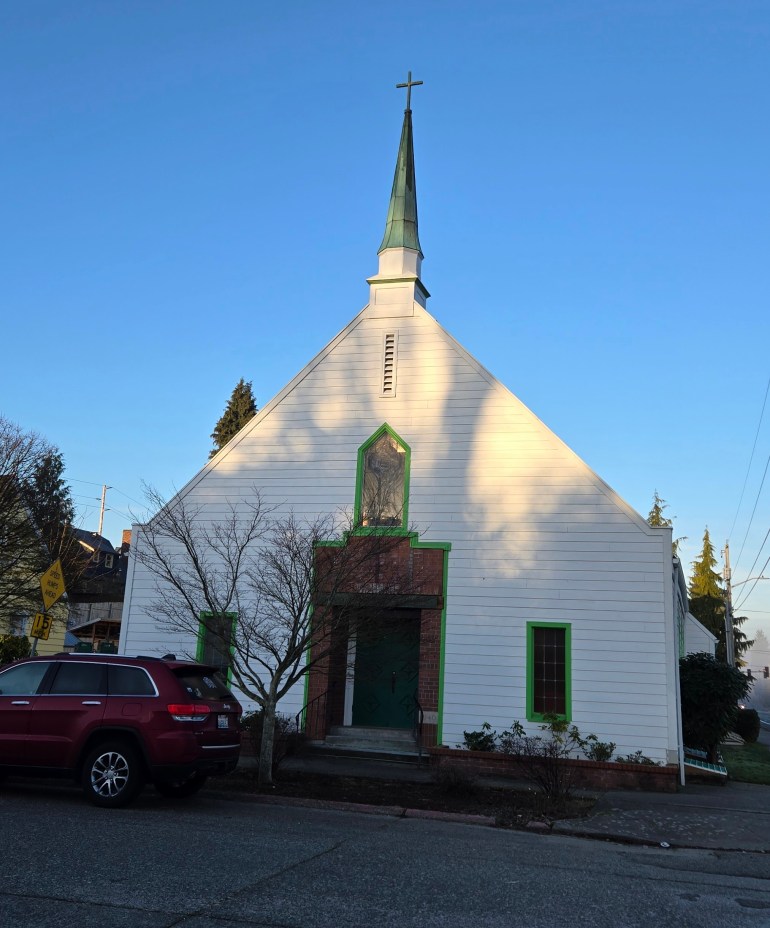
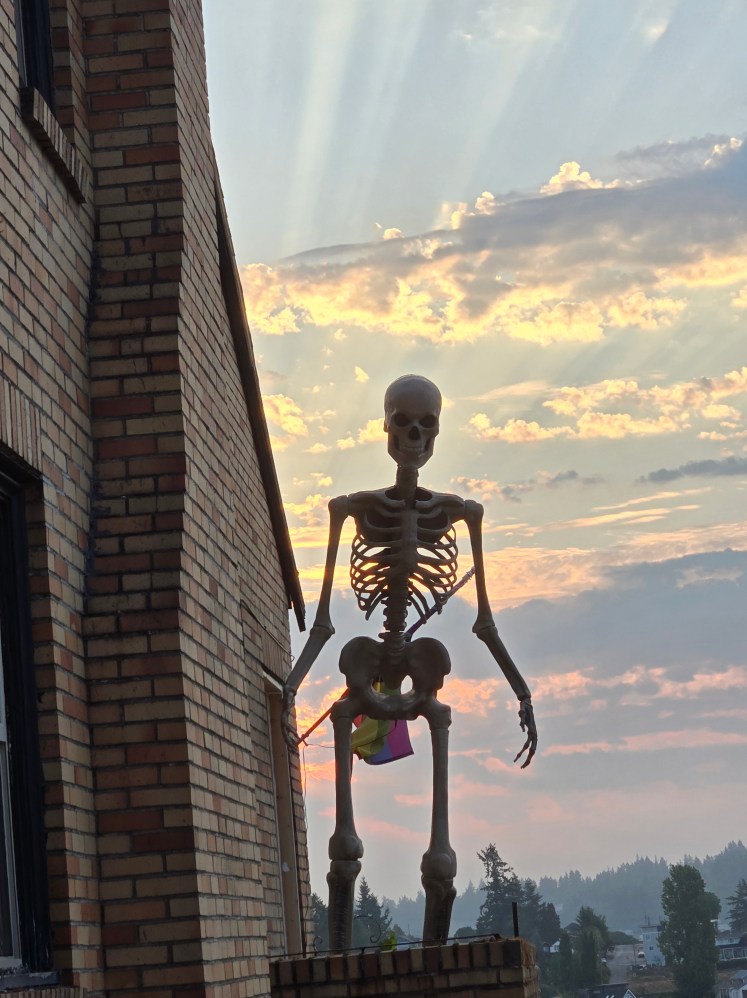
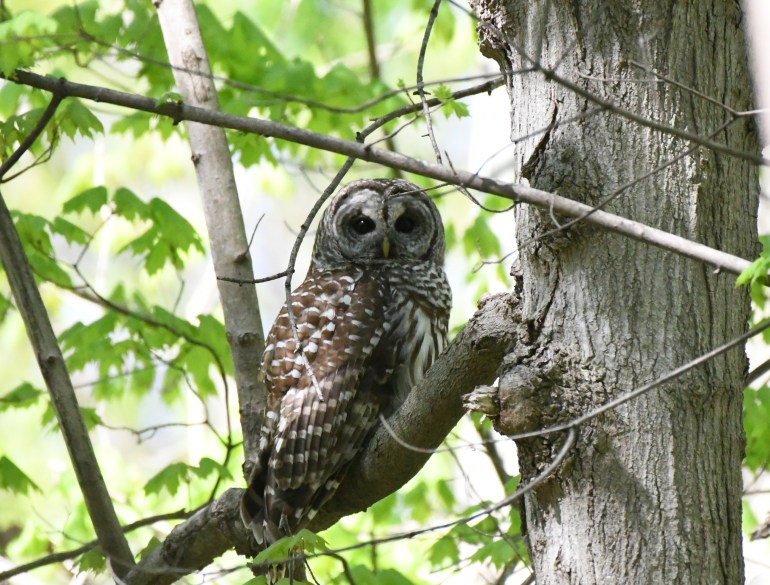
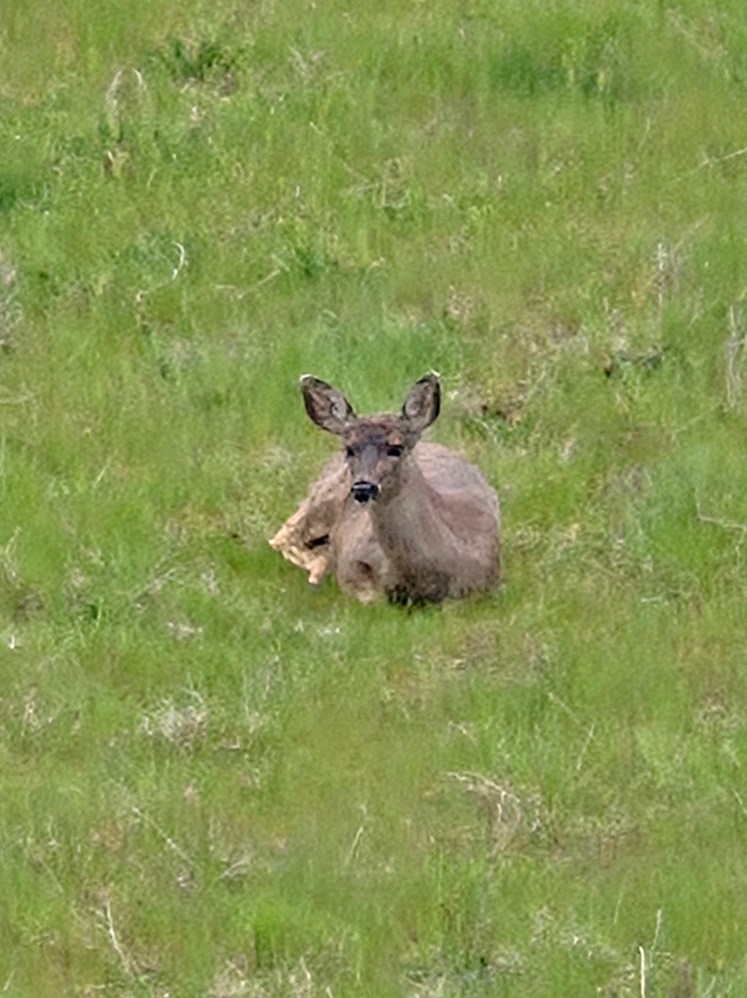
(The careful, or at least conscious reader, may have noted the header images have nothing to do with the text this week. Now, they could if I decided to go on a metaphysical rant, but I will not. Lacking images from a Pygmy Goat and Lamb Civil War, I have chosen images I like–LA)

You Broke the Wind of War by Dame Daisy

i

Wretched fuzz balls walk on four cloven hoovely hooves

Never in key with the Goatly Goatess tunes

The Moving Hoof is steadfast and mighty

Whilst Lambs trot about unclean and unsightly

ii

Doth Goatesses need to be shown the shears?

Doth Goatesses look the same front and rear?

The answer is too clearly abundant

Goats ruley rule little Lambs redundant!

Oh Yeah! By The Lambs

i

Oh Yeah! Say we the Lamb Collective

Oh Yeah! To you the mental defective

Tin can eater you will dine on your words

You feta dispenser of sour curds

ii

We challenge you to fight a Civil War

We will win and you will lose…um, erm, in a word that rhymes with war

We shall rule the Saragun countryside

And you will kiss the hooves that, um erm, rhyme with countryside in a cool way!

Dame Daisy after seeing the Lambystan Anthem has insisted on equal time:

Daisy Dell (sort of to the tune of Good King Wences)

Daisy Dell promises hell

To the children of Shee-heep

Daisy Dell shall ring the bell

When their dip gets to dee-heep

Adverbally wonderfully and swee-eet

Daisy Dell will be hell for the children of Shee-heep

Saragun Verse: Goat v. Lamb Poem Battle Three

(Everyday I have struggled to come up with a somewhat sense-making explanation for this situation. Today I give up.)

Leila

Pain in the Asp by Dame Daisy

i

A wise Asp told me to never trust Lambs

“They pull wool over the truth like lil tams”

When you can’t get a good word from a Snake

You are the foulest natural mistake

ii

It offendly offends the Moving Hoof

To waste her lines on silly goofly goofs

Whilst bacteria, germs, fleas roust in snout

Yet are more attractive to write about

And The Lambs Say…

i

Tut tut Goatess in a childish huff

We are well learned in useless stuff

Yo Mama was as scary as a scream

Daddy’s brain boiled in Baily’s stout creme

ii

You insult and cajole Lambs on the whole

You dig into our ire like a Vole

Lo! Moving Hoof you are a churlish sort

You keep coming back like a common wart

Bonus Song:

The Lambystan Anthem (to the tune of Christmas Tree O Christmas Tree)

O Lambystan O Lambystan

Your warriors are brave and true

O Lambystan O Lambystan

They will conquer and enslave you

Throughout the night we will lead the fight

And be great woolly winners by dawn’s light

O Lambystan O Lambystan

We will kick your ass like no one can!

Saragun Verse: Civil War for August

The Poems of the Saragun Civil War by Dame Daisy and Various Lambs

Introduction

The Poems of the Saragun Civil War between Goats and Lambs are presented this week. Everyday we will feature a poem by the Pygmy Goatess Dame Daisy Kloverleaf that she sent the Lambs of the Lambystan community in Saragun Springs and the reply poem from the Lambs, ostensibly written by their leader, but it appears that it was a team effort. This was perhaps the only Civil War in history that never escalated to violence. To paraphrase Sandberg, “We held a war but everyone went to lunch.” But, to quoth Daisy. “It was hotly hot by word.”

Leila

The First Pair of War Poems

“Haggisly” by Dame Daisy Kloverleaf

i

Little Lambs O little Lambs, thou annoy

Goatly measures of pride with silly ploys

It is so clear that you don’t give a damb

About becoming humble Ewes and Rams

ii

The cold hearted dastardly deedly deeds

That invade the garden of my sweet ease

Will not by I be soonly forgotten

Each of you is an apple quite rotten

iii

By the hot beat of my hooves I proclaim

This meadow will never be samely same

Until you recant calling me sour feta

Soonerly soon than laterly latuh

“Our Reply” by Shaytan Shotten, Viceroy of Lambystan

i

O dope Goatess who’s hardly the mostest

Everything you say does so offend us

The name of your “pomely” poem perchance

Infuriates the demons of Sheep dance

ii

I am spelling as slowly as I can

We know your mind is like a can of spam

You hold onto the stupid stuff you think

Forcing the best of us to smell the stink

iii

By ruminancy powers we declare

You will surrender your foul underwear

After we win the day on the field

Mighty Lambystan shall never yield!

Afterword

Well, there you have the flavor of the struggle.

L.A.

Leonard Cohen on the Phone by Dale Williams Barrigar

(Image of Berwyn, Illinois, U.S.A. provided by DWB)

“Show me the place where the word became a man.”

– Leonard Cohen, “Show Me the Place”

Poetry can create

and does create

urban

affection, the tiny,

brief

reaching

out

to one’s fellow

humans

that us city

folks (the vast

majority

of the planet

now) need to

indulge in so we

can remain

connected

to one another,

our fellow

humanity,

in a real way,

however strange or

however much

a stranger. Whenever

people compliment

one of my beautiful

animals (Siberian Huskies

or pit bulls), I take it

personally

and return

the favor.

Walking across

the parking lot,

I resolved

that I

would continue

to do so. And I turned

the Leonard Cohen

song way up

on my phone

and placed it

near my ear

one more

time

for now.

Dr. Dale Williams Barrigar is a poet whose own poetry transformed his own life: suddenly, and then gradually. It’s good enough for him.

Porcupine Spirit by Dale Williams Barrigar

(Image of DWB provided by DWB)

Porcupine Spirit

For Montmorency County, Michigan,

USA

In a cedar swamp

one time, I saw

a gigantic

porcupine

standing up

on his hind legs

like a miniature

human. He was three

feet tall, and looked

like something out of

Star Wars with his incredible,

innumerable

quills

sticking out every which

way and his arms dangling

in front of him as he

stood there, his small face

unafraid of me and his whole

self refusing to move

off the path

which he

was blocking.

And indeed

he continued

to block the path

and watch me walk

away after I

gingerly

stepped

around him.

The forests up here

allow for many

moments like these –

vast, indigenous,

Germanic, huge,

mysterious, with little

to no

human habitations

for gigantic wild

stretches and nothing but

dirt roads. If you want

to be independent

on foot and wander

in a pine wilderness

like Johnny Appleseed

with a wolf,

you can choose

any direction

to do that

here

in the middle

of a place

that makes you

free.

Dr. Dale Williams Barrigar is a poet whose own poetry transformed his own life: suddenly, and then gradually. It’s good enough for him.

For the First Time by Dale Williams Barrigar

(image provided by DWB)

Through it all,

and during it all,

the vast collection

of poetry

he’d created

in the last

ten years

had turned into

a monster

like Grendel

that was now devouring

my life. William Carlos

Williams said:

since the imagination is

nothing, nothing

comes

of it. This lesson

was weighing

heavily. But Jack

Spicer

also said: the poet gets

messages

for her or his life right

from the act

of writing poetry. This

makes poetry

worth doing daily

in its own right,

regardless

of any outward

consequences, or

non-consequences,

that can be

immediately seen. I remembered

I was a person born

with a humble sense

of mystic vision

(since day one). Since day

one

I’d felt

the correspondences

in the world

and had

a certain sense that we

are all here

for a reason, or for

many reasons

and meanings, which we

can feel (sometimes), but not

clearly

see

or say (most of the time).

An ambiguous

mystical

seeing, since

the dawning

of consciousness:

the first memory:

opening the eyes

outside of her body

for the first time.

Dr. Dale Williams Barrigar is a poet whose own poetry transformed his own life: suddenly, and then gradually. It’s good enough for him.

A Life of Drama by Dale Barrigar Williams

A Life of Drama

His book

had become

its own living entity

unto itself. Every time

he thought it was

finished, and these times

were many, something else

was sure to change

again within a week

or so.

Among many other

gifts,

this book

had delivered

him

a life of drama.

This life

we live

is filled with

involuntary immediacy,

as Lou Salome

pointed out.

Now, with this book

in his life, every unexpected

arrival was a bigger

shock. Each departure

had a greater

reverberation. Words

between people

lasted longer

inside the mind.

Tiny details

took on looming,

symbolic

significance.

Every squirrel

he passed as he was walking

his pit bulls, then later his

Siberian Huskies, along the sidewalk;

every song playing

in the grocery store or from

a passing car;

every cloud;

every wind that blew

or door that slammed

shut;

every woman

laughing

down the street

and every man turning

the corner so you’ll never

see him again; was loaded with

spiritual significance.

The unseen

correspondences

that make up the real

layers and levels of

existence

had become

both

more meaningful, and

less important.

Everything

was important

beyond belief; and

nothing was, because

everything changes

and gets redeemed.

The religion of poetry, and he

suddenly

realized

it was a religion

that had become his,

left nothing

and everything

to chance.

Dr. Dale Williams Barrigar is a poet whose own poetry transformed his own life: suddenly, and then gradually. It’s good enough for him.