“I is another.” – Rimbaud
“Say one more stupid thing to me before the last nail is driven in.”
– Bob Dylan
“Your best friends are my worst enemies – Angelina.” – Bob Dylan
Happy Birthday, Bob!
May you live as long as Willie Nelson is now and on and beyond (and same to you too, Willie; you two are kindred spirits).
But when Bob Dylan ever does pass on (not die), I will instantaneously think of what Bob himself said about himself after Elvis moved on: “After Elvis died, I didn’t talk for a week.”
I will not (probably) be silent that long, but my heart will break (in a certain way). And I will know (deep down) that times have changed.
I’ve seen Bob play live an uncountable number of times across five decades: in the ’80s, the ’90s, the ‘00s, the ’10s, the ‘20s.
I’ve seen him drunk (I mean me, although it was obvious that he was too at least a few times), I’ve seen him sober, I’ve seen him on drugs, I’ve seen him not on drugs, and I’ve seen him with my (now ex-) wife when she was preggo with the twins.
After the show she said: “It looked like you were studying him the whole time.”
That’s because I was studying him the whole time.
I’ve been studying the man (on and off) since I was thirteen years old.
I’ve seen him in Iowa, I’ve seen him in Missouri, I’ve seen him in Wisconsin, I’ve seen him in Kansas, and I’ve seen him in Illinois, many times, both in Chicago and at other locations.
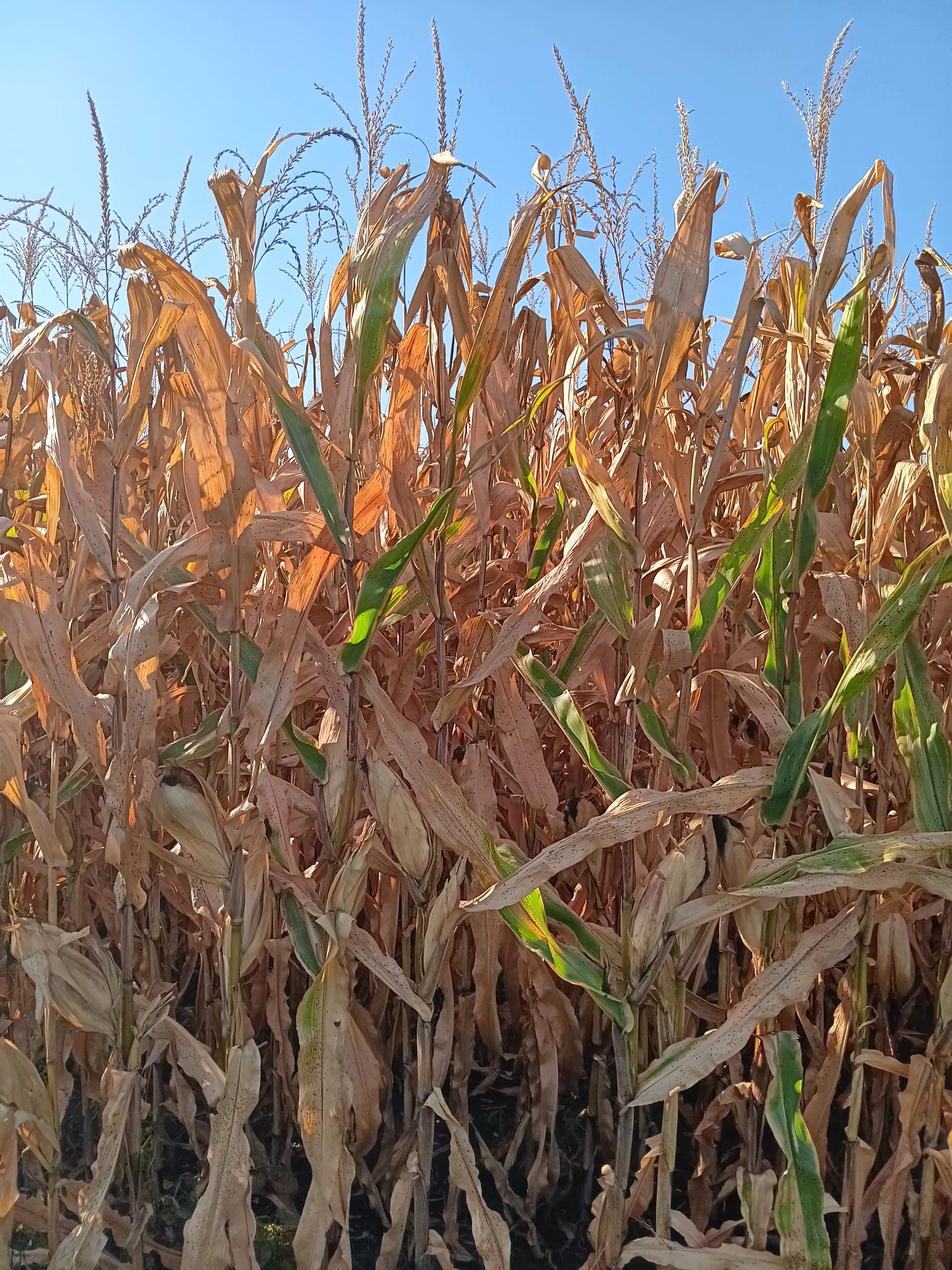
(Side note: many folks don’t know that Iowa is our (the USA’s) Number One Agricultural State, which is true; it isn’t California. Reminder: Robert Zimmerman was born and bred in Minnesota.)
I’ve seen him with Tom Petty, I’ve seen him with the Grateful Dead, I’ve seen him with his own bands, I’ve seen him at the first Farm Aid in 1985, and I’ve seen him (and heard him) in my mind all the time, especially when all you beautiful ladies said goodbye.
(I never say “hi” and I never say “bye” to the beautiful ladies. They say hi and they say bye when the time comes: I’m still here; just don’t get too close any more; I don’t know why!)
(True beauty emanates from the inside outward and resides mostly in the eyes. Plastic beauty can be beautiful on the outside, but when you peer into the dead or predatory eyes, it chills the effect more than a little.)
The last time I saw Bob live he was with Willie and Mellencamp on the Outlaw tour, here in Illinois, two years ago.
He hid behind his piano wearing a hoodie the whole time and really pissed off a lot of the audience because he’d turned all his well-known songs into some sort of seemingly incoherent (but only seemingly) jazz.
Boos even started to go up here and there in the crowd.
I almost went over and told one guy to shut his fucking mouth.
I was ready to tear his head off if he didn’t listen to me.
But I restrained myself.
It was like some puny little fool in a football jersey standing there hurling rotten eggs at Mount Rushmore (even tho’ the dude was six feet three).
Because that’s what Dylan is: he’s as big as Mount Rushmore.
And maybe bigger. (Even tho’ he’s only five feet seven – or less.)
They say that when Dylan and Cash used to hang out together, they didn’t even talk.
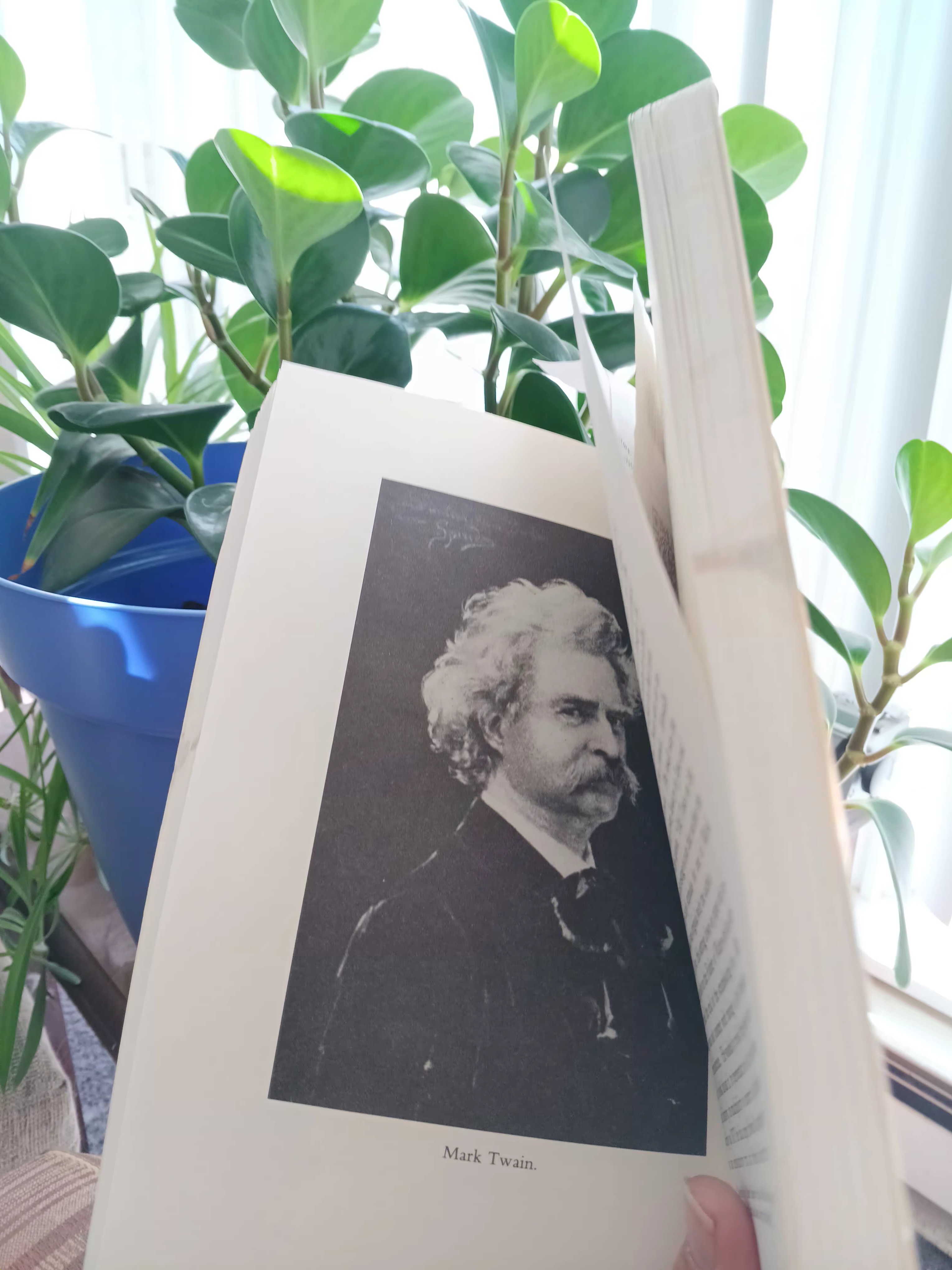
As the great American fiction writer Barry Hannah (RIP Barry; your two greatest works are the short story “Water Liars” and the short novel Ray) once said: “I don’t need to meet Bob Dyan. He’s already shaken my hand.”
END NOTE:
For an answer to a full-scale nuclear war (which is becoming more likely by the hour, however unlikely that sounds), listen to “Let Me Die in My Footsteps” by Dylan, 1962. (And read the Bible and the Tao Te Ching.)
(Faulkner rightly said: “All it can do is kill us.”)
ONGOING NOTE: For a great song about public heroes dying, see and hear Waylon and Willie’s song “Heroes” (2:46) off their 1982 album WWII. Not to be confused with “My Heroes Have Always Been Cowboys” – which is also true.
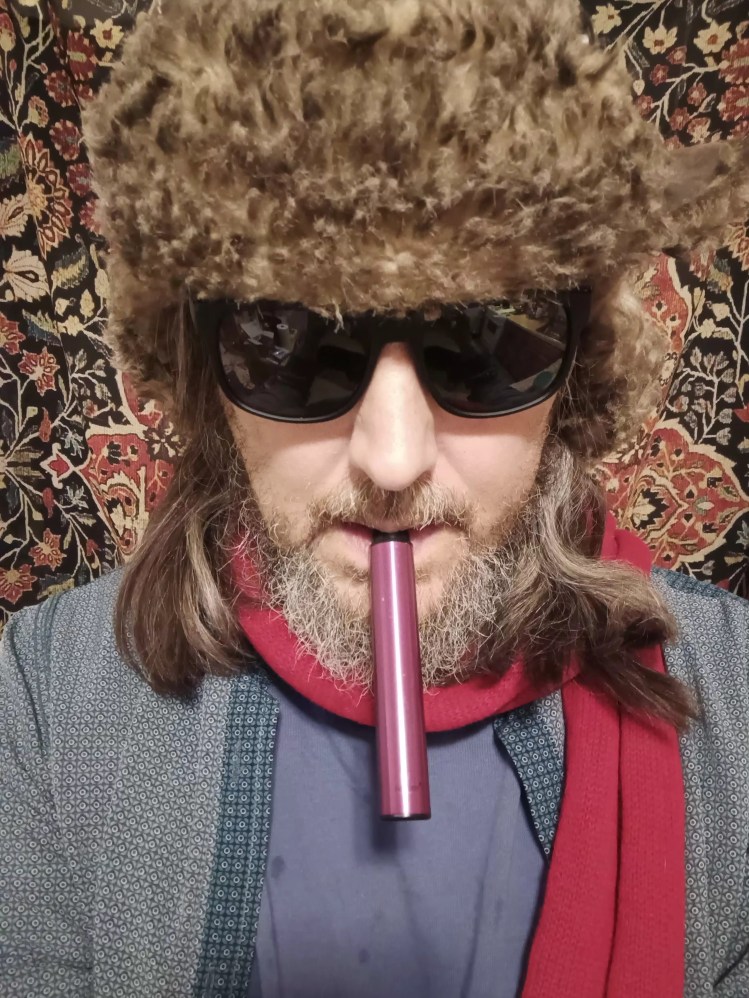
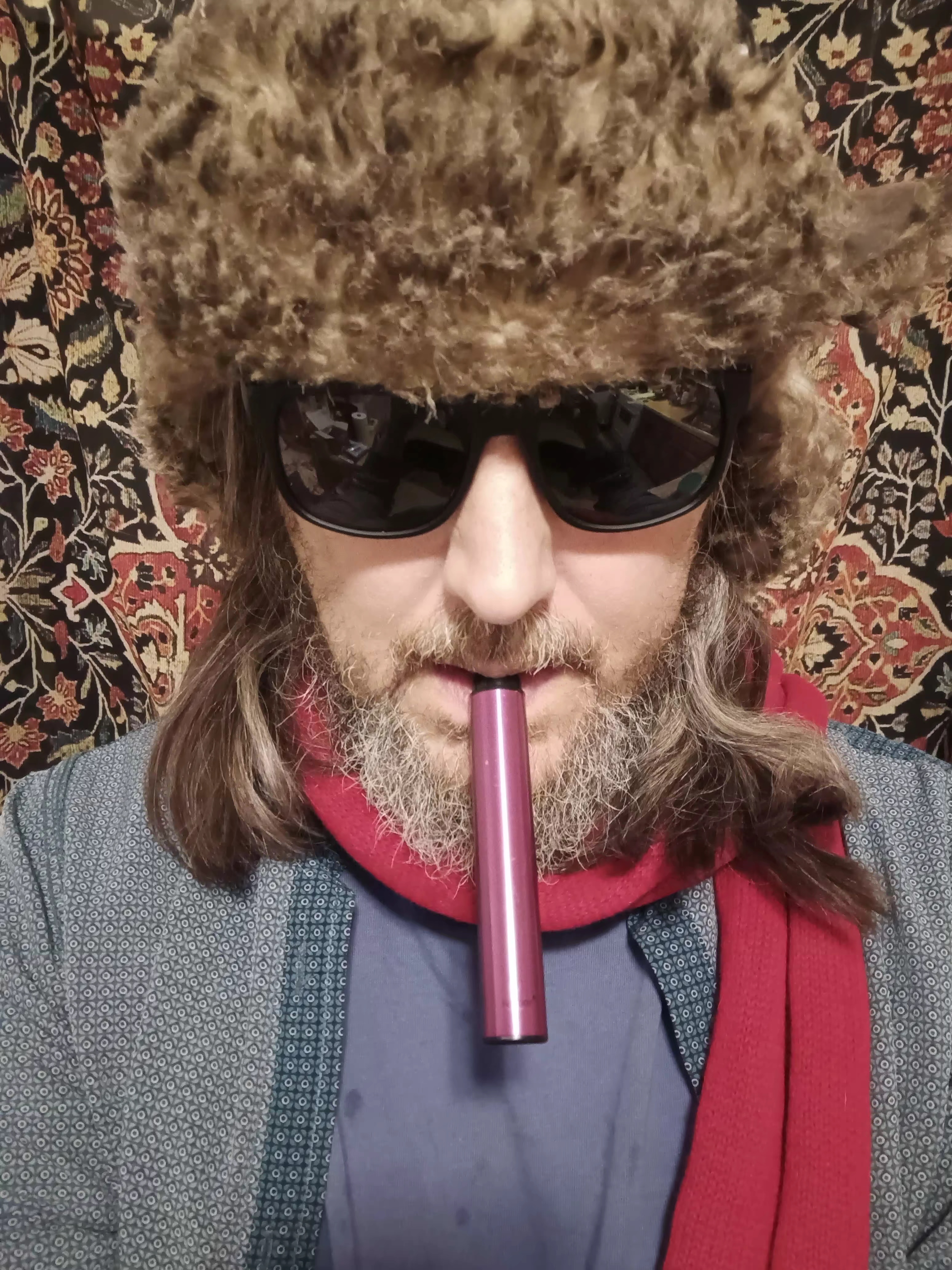
(All images provided–brilliantly–by DWB)