(All images by The Drifter)
“Happy are you when men insult you, and persecute you, and tell all kinds of evil lies against you because you are my followers. Be glad and happy, because a great reward is kept for you in heaven. This is how men persecuted the prophets who lived before you.”
This week The Drifter will write little in order to let two quotations carry the day (four if you count the photos but the D will only write directly about the two quotations included in the text, one above, one below.)
When outrage and despair at the state of the world begin to get you down, to gnaw at, or devour, your mind, heart, and/or soul, these two quotations can bring tranquility and peace in their wake.
But that’s only if you let them work on you. And by work on you, I mean that you have to let these quotations hit you hard. And in order for that to happen, requirement number one is that you must have an open mind, and heart. Secondly, you must be willing to work at it. You have to let the quotations find you where you really are. It used to be called studying. Now when we say “studying” we usually only mean rote learning, i.e. going to “school” and memorizing the dubious “facts” they attempt to jam down your throat. I have two twins who graduated from high school last year, and I myself have taught for a total of at least twenty-three years at many different kinds of colleges and universities all across the rough-and-tumble Midwest, also including a three-year stint at a Catholic elementary school called Saint Leonard Parish School in Berwyn, Illinois, USA, with a ninety-nine percent Mexican student population (Leonard is the patron saint of prisoners, addicts, horses, and depressed people, which is perfect for me, and I also used to listen to Leonard Cohen on my way to and from work every day) (Leonard is also the patron saint of a woman with child or children, i.e. preggo), and I can say with an utter certainty that institutionalized education in the USA no longer encourages critical thinking and imaginative exploration in the way it once did (if it ever did). SELF EDUCATION is just as utterly crucial as it ever was, y’all. Everything is available; now you gotta use it.
The first quote is from Jesus’ Sermon on the Mount, as recorded by Matthew, the Evangelist. “Evangelist” means someone who brings good news to those who desperately need it. Good news that is not easy to swallow, or follow, either, but is also NOT AN ILLUSION. As Jim Morrison said, you need to break on through to the other side before this News will make you leap out of your seat and begin dancing (metaphorically at least).
The second quotation is an entire sonnet by the English radical poet, Percy Bysshe Shelley, who was a kind of Jim Morrison before Jim Morrison (although much less famous than his friend Lord Byron while they lived). Shelley was born into a cush life and he could have stayed there forever had he wanted to, or had he been born that way. Instead, he threw sand in the face of his whole society almost immediately upon opening his eyes and he fought tooth and nail for the downtrodden and the outcast his entire life, and against hypocrisy (he could smell hypocrisy while still in the cradle) – and he died young (29) because he was worn out young in the struggle. Shelley called for and helped invent the modern form of nonviolent resistance. He inspired Henry David Thoreau, who inspired Leo Tolstoy, who inspired Mahatma Gandhi, who inspired Martin Luther King, Jr., who inspired the recently deceased Reverend Jesse Jackson.
The sonnet is printed here in paragraph form in order to defamiliarize it. It works just as well as a prose paragraph as it does in verse.
It was written just a little over two hundred years ago.
The Drifter will draw out what he believes to be the deepest message for our age after this sonnet which sounds so completely familiar and close to what’s going on in our world now that it should (rightly) give you the chills, or at least goosebumps:
“An old, mad, blind, despised, and dying King; / Princes, the dregs of their dull race, who flow / Through public scorn – mud from a muddy spring; / Rulers who neither see nor feel nor know, / But leechlike to their fainting country cling / Till they drop, blind in blood, without a blow. / A people starved and stabbed in the untilled field; / An army, whom liberticide and prey / Makes as a two-edged sword to all who wield; / Golden and sanguine laws which tempt and slay; / Religion Christless, Godless – a book sealed; / A senate, Time’s worst Statute, unrepealed; / Are graves from which a glorious Phantom may / Burst, to illumine our tempestuous day.”
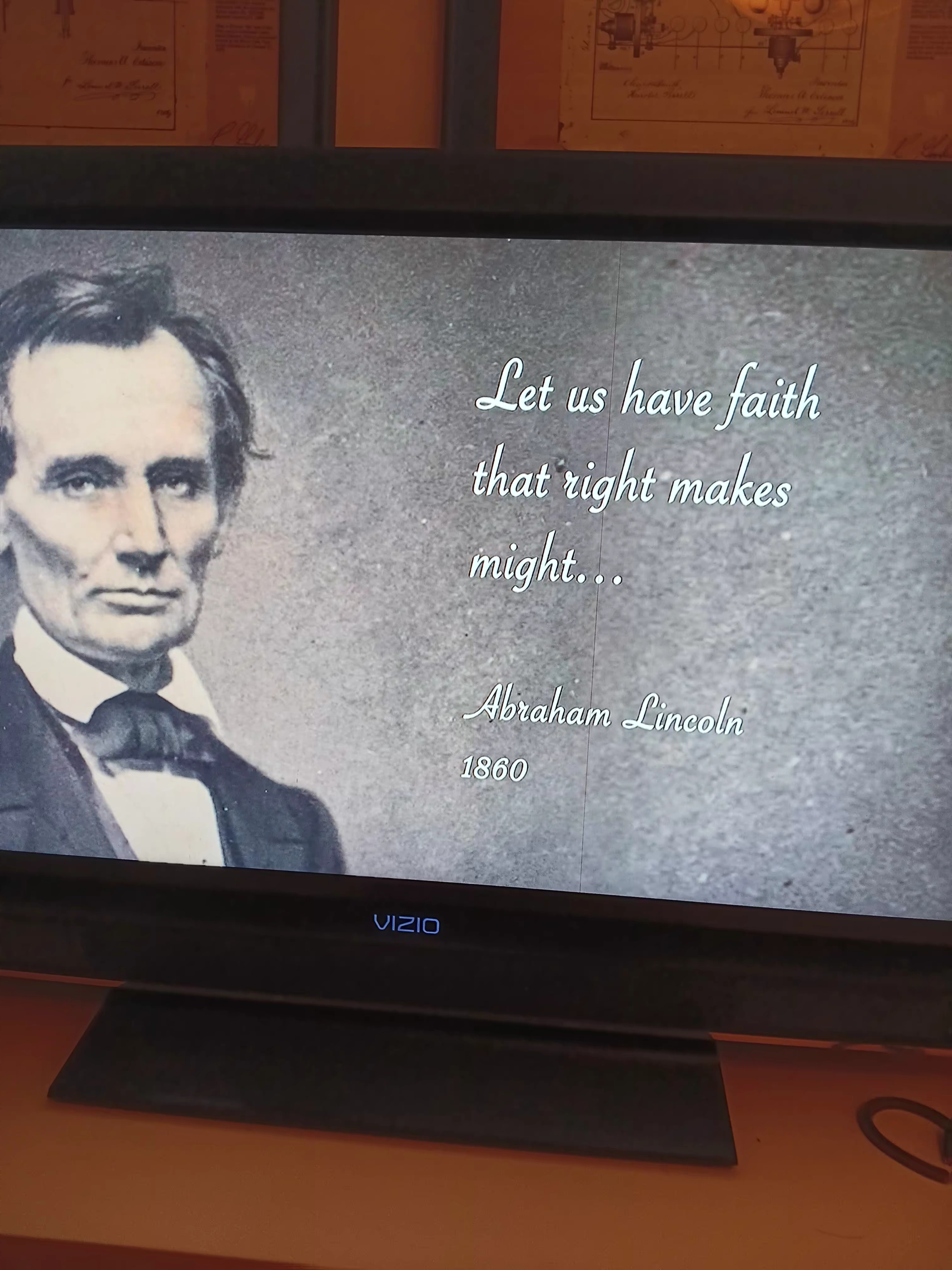
The age of waiting for someone else to do it for you is over. Make yourself be the Glorious Phantom bursting into the True Light, like Shelley did, however persecuted and unfamous he was (and he was both of those things). Everyone has a daimon, or form of genius, inside them. Some choose to cultivate it and will die first before not cultivating it. These are the ones who know the best advice is: DO NOT LET “THEM” GET YOU DOWN (it’s exactly what “they” want). The world has always been this way, and it always will be this way, too (more or less, and more, and less). Even nuclear war or environmental catastrophe, which might wipe out an entire (now global) civilization, is nothing new, since entire civilizations have been wiped out virtually overnight thousands, and maybe even millions, of times – and there has always been the ever-present threat of a dinosaur-destroying-like meteor peeking its head over the horizon at any time, like the worst uninvited guest you could ever imagine (the Native Americans knew this.) “AI”?!? The ancient Egyptians both predicted, and simulated, it, and the cave people in their caves waving their torches around on the cave painting walls while intoning messages to the gods and cutting themselves so they bled profusely while devouring mouthfuls of magic mushrooms had a virtual reality that would knock your socks off if you were wearing any, which they weren’t. Yes, the world has always been this way.
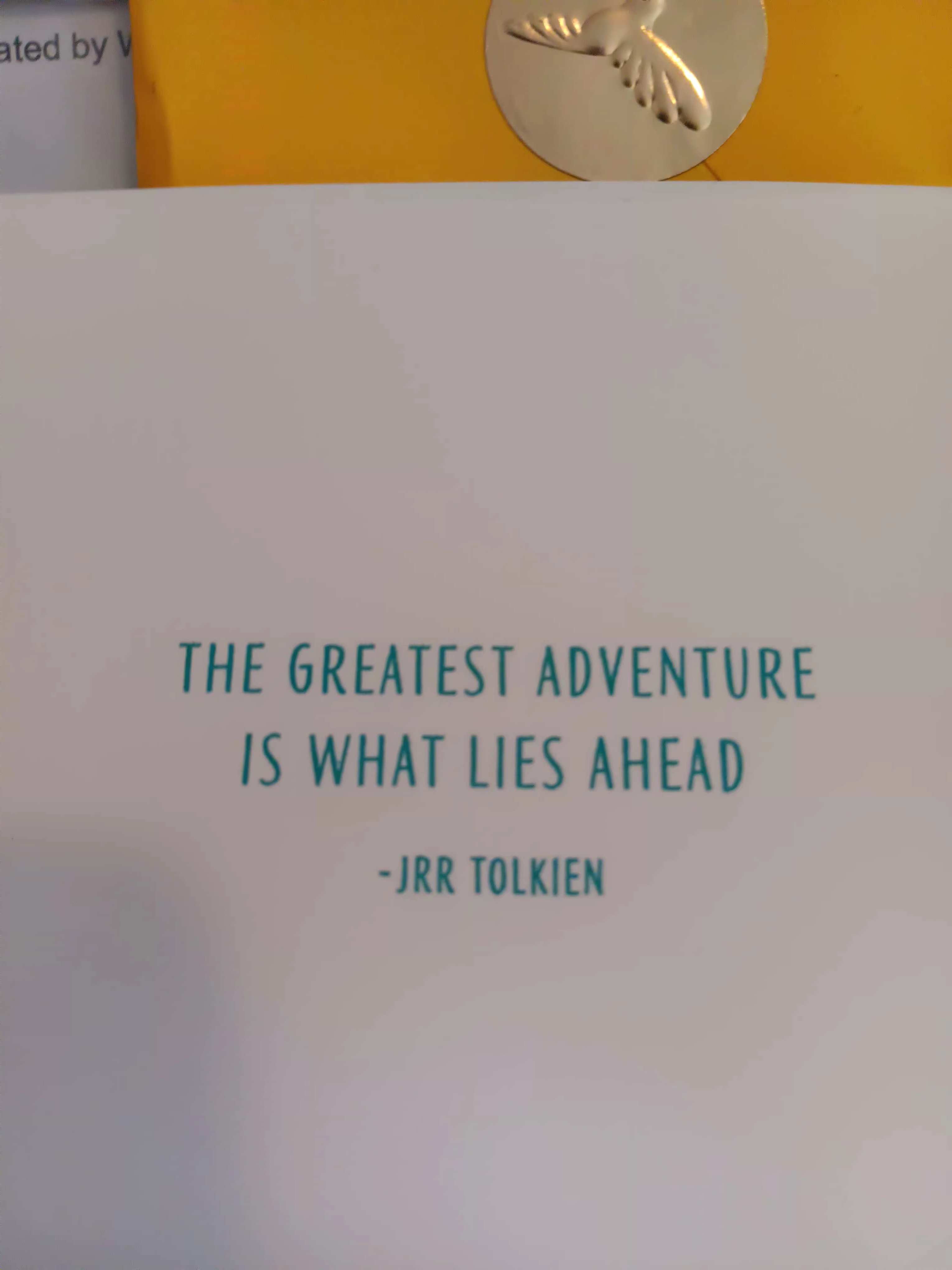
And that means there are always better days waiting somewhere up around the bend. But not in the usual nausea-inducing, Hallmark Greeting Card kind of way.
We always live life for our Future Self (somehow), but we MAKE our future self today. Never stop striving forward with calmness – never (not even when on the threshold of death, or maybe especially not then; Martin Luther, the greatest radical of all time in the modern Western world, believed that everything could change in an instant in that moment).
((Maybe creating is so important to us because the God who made us is also a Creator.))
The Drifter