An elderly Mexican man, about five feet tall, with a gigantic, huge, massive, perfectly white, and amazingly long, drooping mustache, and also wearing a gargantuan-sized sombrero and sometimes a poncho or sometimes just a bright red shirt with collar, depending on the weather, brown pants, and sandals in summer, cowboy boots in winter time…who roams and stalks through and across the streets, the sidewalks, the alleyways, the yards, the side lots, the vacant lots, the parks and parking lots of Berwyn, Illinois, USA, in all weathers…in the middle of the night, or the middle of the day, seemingly 24/7, 365, in rain, in too-hot heat, in blizzards, in nice weather, he walks, steadily and slowly, and never stops walking, not like he’s looking for anything, but more like he’s registering everything…
And sometimes when you pass him on the sidewalk he says, in clear and strong English, “Hello! Nice dog…” but more often he just keeps going, because there is something going on, in his mind, in his eyes, and in his soul…something he doesn’t need to share with anyone, but is also sharing, in the way he walks through his, and our, windy world…
And a woman, a beautiful, gorgeous, ravishing, rough-edged black woman, who always used to approach my car while I sat in the Burger King drive-through waiting for my food (I was teaching fifth grade at Saint Leonard Parish School at the time even though I’m not Catholic which is a long story unto itself and it seemed like I was always starving and had about twenty-three minutes to procure and consume my lunch which was often the reason for the convenient Burger King)…she was always alone, always working that parking lot, and would pop out of the bushes and say “Hey baby! How you doin’!?” as she walked up to the car…and we never shared anything but eye contact, fist bumps and dreams so that she knew by now (and knew it anyway) that I wasn’t about to become a customer but she always wanted to just say “HI!” anyway…and sometimes I wonder where she is now, and hope she’s okay.
And a white guy named Charlie. I was walking my Siberian Husky, Boo, along a near-Chicago suburban river trail when I looked up and saw a massive white bird skimming right by me over the river, and wondering what kind it was…Charlie, a medium-old (or an old middle-aged) man with a gigantic gray beard like Walt Whitman’s (or Herman Melville’s) zipped by me on some sort of automatic bike contraption and called out joyously, and exactly as if he’d read my mind, “WHITE HERON!” as he rode on past myself and Boo…Later we met up farther down the trail, and he struck up a conversation. “I’m supposed to be a biologist but that’s of micro-organisms…maybe I’ll just throw in the towel and look for white herons around here instead.”
Later as I was heading back to the car on foot with Boo, a gigantic, huge, massive, gargantuan-sized monarch butterfly flew straight toward me on the trail; it kept on coming, didn’t stop, flew straight at my eyes it seemed, then flew straight into my forehead before I could do anything, and bumped me directly in the middle of the forehead, paused there as if landing for a second, bounced off, glanced off, brushed my hair delicately, and, flapping his wings, flew off and away, over and above me, over and above my head, and away down the trail (where he veered off and disappeared into the summertime greenery)…
All these people and creatures are my neighbors…
Walt Whitman wrote, “You will hardly know who I am or what I mean, / But I shall be good health to you nevertheless, / And filter and fiber your blood.” (And no one else wrote like that in the 1850s.)
Such things as all these neighbors don’t change; have never changed; and will never change (or not for a very, very, very, very, very long time).
It’s we, us modern people, who have changed.
And why are we always in such a hurry to get nowhere important again?
And what are we missing when we never really stop to notice where we truly are (no matter where it is)?
Concluding Post-note by “The Drifter”: The Drifter, sometimes known as Dr. Dale Williams Barrigar, could say a lot more, and describe many more characters he’s met on his daily travels on foot and by car through his own neighborhoods, with or without (mostly with) his canine companion/s.
But he’s determined to let it rest for now. He can’t think of anything better to end on on this second Sunday of August, 2025, than the two questions he wishes to leave hanging in the air like the butterfly who bumped him in the forehead on purpose (he’s certain it was on purpose, and has something mysterious to do with natural energy, no matter what else anyone else thinks or doesn’t think about it) before it flew off on its merry way again.
Astonishing Natural Fact: The monarch butterfly lives a life that is, on average, four weeks long.
When we consider this astonishing natural fact in depth, it can serve as a symbol for the precious, precarious nature of EVERYTHING in this always-passing, ever-changing, never-to-return (that we know of so far) world.
Do it now while you’ve still got the time (whatever “it” is that’s eating at you), as long as you’re good, and as long as it’s difficult – and real.
“There’s a slow, slow train coming – up around the bend.” – Bob Dylan
“This whole world’s gotta buy you a drink, man / Gotta take you to the edge and watch you throw it up / Every morning, I could give a damn what you did last night / Just tell me how far to kick this can…”
– Conor Oberst, “No One Changes”
“Christ’s religion is essentially poetry – poetry glorified.”
– Elizabth Barret Browning
The Drifter (myself) took his last drink of alcohol almost exactly twenty years ago from today: on August 5, 2005. (I write this on August 1, 2025.)
The story of my drinking, its history, its reasons and motivations, its progression, its hilarity, its adventures (many, many, and many more, including good company, bad company, and dangerous company), and the eventual fall into total addiction in my mid-30s (drinking hard liquor sometimes combined with red or white wine all day every day and never drawing a sober breath, plus other related problems like catastrophic depressions, weight loss, liver problems, heart problems, heart palpitations, malnutrition, emergency-room accidents, vicious, pain-filled, suicidal hang-overs, crushingly embarrassing behavior and psychological humiliations, near-death occurrences and much more, none of which were improved by also smoking two to four packs of Marlboro Lights per day along with the liquor) will be gone into in more detail in the near future in another column.
Because alcohol is a subject I still love to talk about, even though I haven’t had a single sip in almost twenty years.
For today, in honor of my drinking and in honor of all drinkers, addicted and not, and in honor of the one thing that has kept me sober perhaps more than any other, I will briefly explain what I think the Lord’s Prayer means.
This column is not for so-called “Christians Only.” Nor is it only for alcoholics who are looking to quit drinking. Nor is it only for ex-alcoholics who have already done so.
It is for writers and writer-friendly peoples everywhere, especially since writers are known to be, as a group, prone to drinking alcohol more so than the general population (which is a lot, especially in America, land of the binge drinker); and also for anyone interested in surviving this life (as long as possible) and living a good one while you’re here.
Because the Lord’s Prayer can even be said and studied by atheists vastly to their own enhancement at almost every single human level we can possibly imagine.
I do not presume (very far from it) to have the final answer/s about these words, unlike many of the pastors, priests, and ministers (so-called) afoot in America these days (not all, but many).
These are simply my (brief) reflections, today, on a prayer (a poem) that has saved my life.
I never could’ve gotten myself sober without this.
This column is also meant to defamiliarize the Lord’s Prayer in a personal way, so it can be renewed in at least a few of us.
(Disclaimer: This piece may sound a tiny little bit like a sermon in certain places (in the manner of John Donne) but it’s Sunday, after all…)
*
Our Father who art in Heaven: hallowed be thy name.
Thy Kingdom come.
Thy will be done, on earth as it is in Heaven.
Give us this day our daily bread.
And forgive us our trespasses, as we forgive those who trespass against us.
And lead us not into temptation.
But deliver us from evil.
For thine is the Kingdom, and the Power, and the Glory: forever and ever.
Amen.
*
In the first part of this poem, which is the first sentence, Yeshua (hereafter called Jesus in this work) was asking humans to do something.
He was asking them to acknowledge the eternal existence of something greater than themselves.
In so doing, not only the Creator of the Universe is worshiped. Humanity itself, including the speaker of the prayer, is worshiped.
He is our Father, after all. And He is in Heaven. By hallowing (making holy) his name, we make holy everything there is, including all the pain, all the death, all the suffering, all the murder, all the disease, all the killing, all the death, death, death, death.
We let it go (like saying “So it goes”), and give it back to Him. Jesus believed he was waiting to receive it. Walt Whitman later said, “All goes onward and outward; nothing collapses; and to die is different from what anyone supposes; and luckier.”
In the second sentence of this poem, which is only three words long, Jesus asks for The Kingdom to come.
It’s key to remember, or point out, that elsewhere he said, many times, “The Kingdom is inside you,” when talking to a few of his small bands of disciples and followers on the lakeshore or in the hills. (The Book of Acts says there were “about a hundred and twenty” believers after his death; the first person to see him after he died was Mary Magdalene.)
When he says “Thy Kingdom come,” he means after death, yes. But he also means, and maybe more importantly, right now, and right here, while we are alive on the earth. And it isn’t outside you, it’s never outside you, it’s right in your guts, in your brain, and in your heart, like it was in Mary Magdalene’s. Or it should be.
In the third sentence of this poem, Jesus acknowledges that we are not in charge of ourselves and we do not necessarily create our own circumstances.
This sentence is about what we call in the modern world “acceptance.” Buddha and Muhammad had similar messages. We may be born blind or we may be born with a disease that will kill us before we reach the age of twenty. Such people are more beautiful, not less beautiful, than the rest of us.
In sentence four, it’s crucial to meditate on (think about) what he means when he says “this day” and “our daily bread.”
We are not supposed to hoard possessions or money like Scrooge, and we are not meant to live on the earth forever. If we have enough today it is enough; tomorrow, as he says elsewhere, has enough worries of its own. Worrying about the future is a sin, because it diminishes the present.
“Our daily bread” does not just mean food, although it also does mean food.
It also means whatever we need for today, like strength, endurance, imagination, courage, stick-to-itiveness, a purpose, a reason for being.
It’s also meaningful to isolate the phrase “give us this day.”
For sentence five, we need to define “trespass.” Trespass means SIN.
Too many modern people these days get salty when you tell them they are sinners. And too many people of the cloth (pastors, ministers, priests, etc.) have NO IDEA what sin really means, these days.
It is not the old-fashioned thing. This world is rampant with sin. The people in the White House in the USA are great examples of this.
Greed and not caring are sins. Getting drunk or “cheating” on your spouse are personal choices (maybe bad choices, but not necessarily “sins”). (And maybe the spouse being cheated on is too greedy of your own personal time; and maybe you getting drunk is sacrificing yourself for your own artistic inspiration; everything depends upon the context.)
Jesus also emphasizes what a profound, life-changing, freeing personal event it is when you forgive someone. Forgiveness is for the other person, but it is for you first. Also, we can’t expect mercy and compassion when we don’t give unto others.
Send out mercy and compassion and you’ll soon find it will come right back at you (“instant karma”).
An example would be giving an authentic smile (not a sales person’s smile) to someone on the street, instead of ignoring them. And they smile back, in a surprised and genuine way.
For sentence six one needs to define “temptation” and “lead us.”
In this sentence of the poem, is Jesus intimating that it is God Himself who leads us into temptation? If so, doesn’t that make God a bad person? And why would he want to tempt us into something that isn’t good? Did Eve eat the apple first because she was smarter and more adventurous than Adam, or because she was more underhanded? Does temptation mean a temptation to despair, which is nihilism and a lack of faith in life, which lead to greed and not caring because you have nothing better to do or focus on?
At this point in the prayer-poem, it’s time to really realize that part of one’s job in all this is thinking, and thinking deeply, and long and hard, over years, about what it all means.
And it is NOT something one shares with others, at least not in any overt kind of way (until, maybe, much later) but the thinking itself changes who you are, and it changes you for the better.
No exceptions.
Number Seven is the penultimate sentence of this poem-prayer, and it is not Number Seven for no reason, either. (Seven = Heaven.)
The last sentence was tacked on by Martin Luther (a personal hero of mine, and a person well worth reading about, whom Harold Bloom once called the most “important” person in the West since Jesus himself, although Martin also wasn’t perfect, like all of us) much later, and it deserves to stay where it is.
It’s very, very, very similar to what the Buddhists mean when they talk about attachment – being too attached to the things that are only of this world, which equals suffering for yourself, which equals suffering for others, which equals suffering in the world.
We should attach ourselves, instead, to the things that can’t be stolen by the thieves, or corroded by the rust. Instead of being outraged by what the thieves stole from you (whether it be the “white collar” thieves or the “regular” ones), attach your mind, heart, and soul to what they can’t get at. (Any other reaction is, again: sin.)
It’s up to us to decide what those things are for us – like Jacob wrestling with the angel.
“AMEN” means Let it be.
DRIFTING END NOTE: An example of a drinking adventure I had was the time I traveled to the White Horse Tavern in New York City which is the last bar Dylan Thomas ever drank in and where he consumed the oceanic quantities of liquor that helped kill him.
I went to the White Horse Tavern specifically to get spectacularly drunk in the manner of Dylan Thomas, in order to celebrate the roistering poet spirit of Thomas in a way that was living the life, not just writing about it. (And back then I was much better at living the life than I was at writing about it, although I was working and practicing at both, every single day of my life.)
And I managed to accomplish my goal. I did in fact get spectacularly drunk in honor of Dylan Thomas. My guess is that I drank at least six pints of dark beer backed up with at least one or two shots of whiskey per beer – plus nonstop Marlboro smoking – all on an empty stomach. (I never ate when I drank since drink was my food; not even a single mouthful.)
I had to be led out of the bar and back to my friend’s apartment by my drinking companions who were also spectacularly drunk (but a little less so than I, at least on that particular occasion).
I was a bit cautious that night because I didn’t wish to jinx myself and end up dead like Dylan Thomas.
(I will eventually of course, just like we all will: but not yet for any of us).
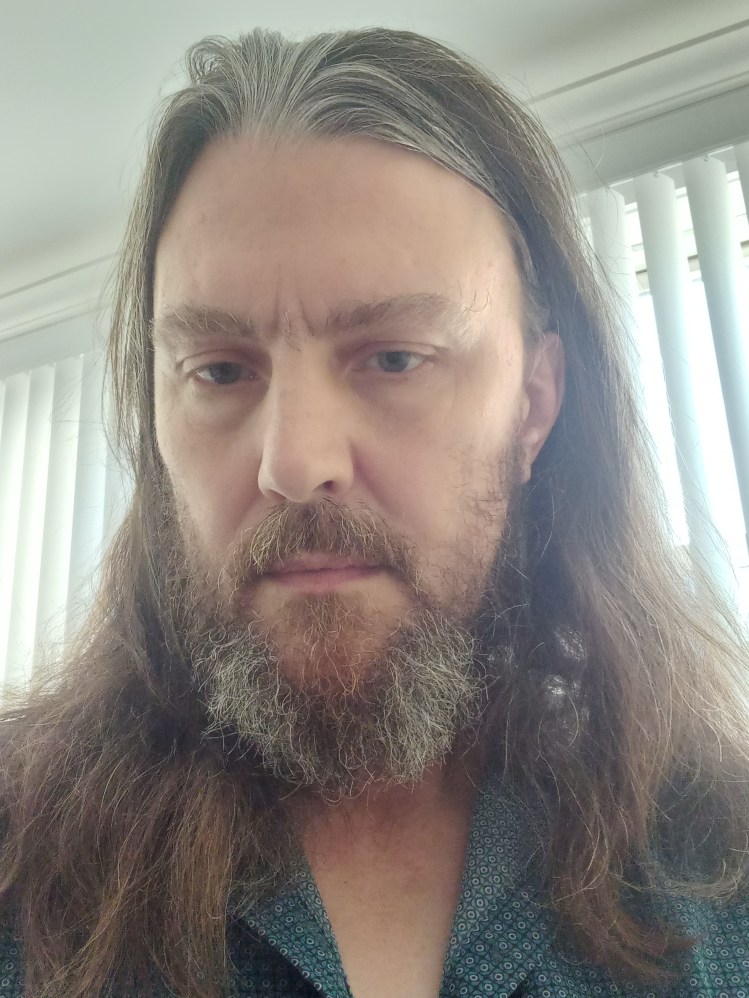
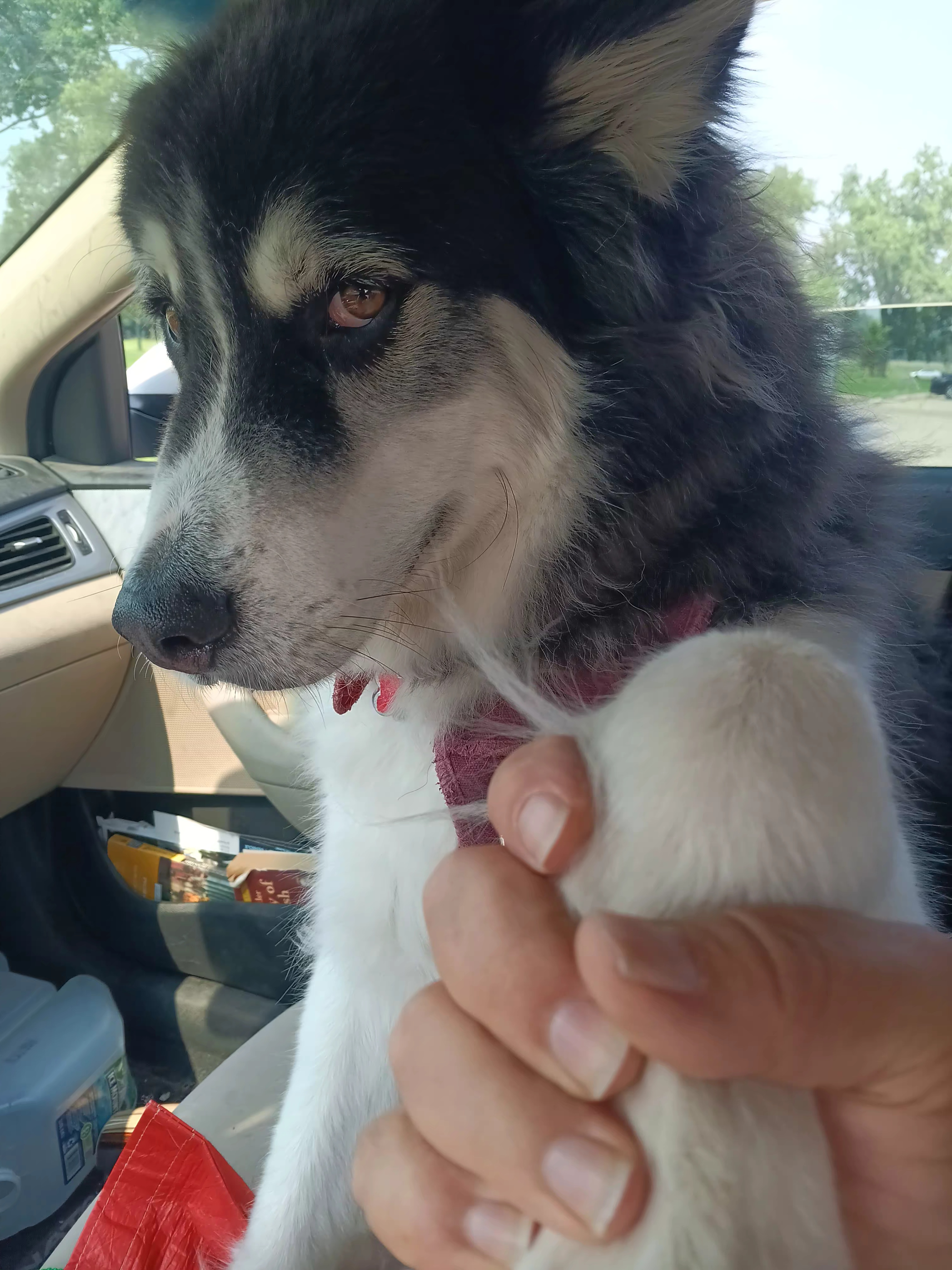
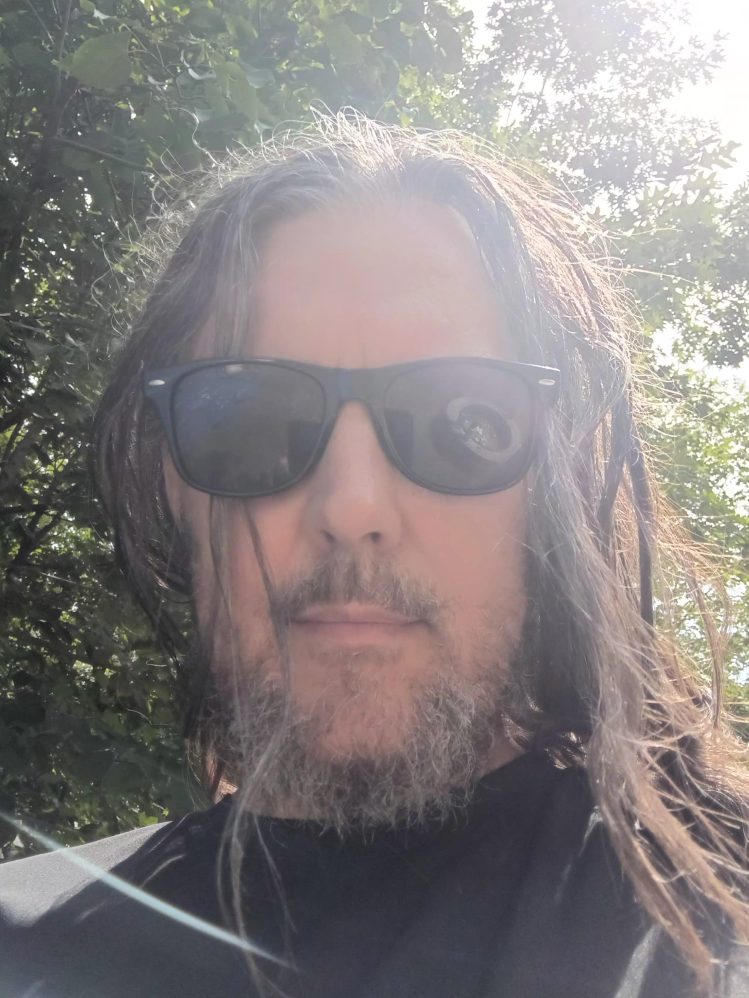
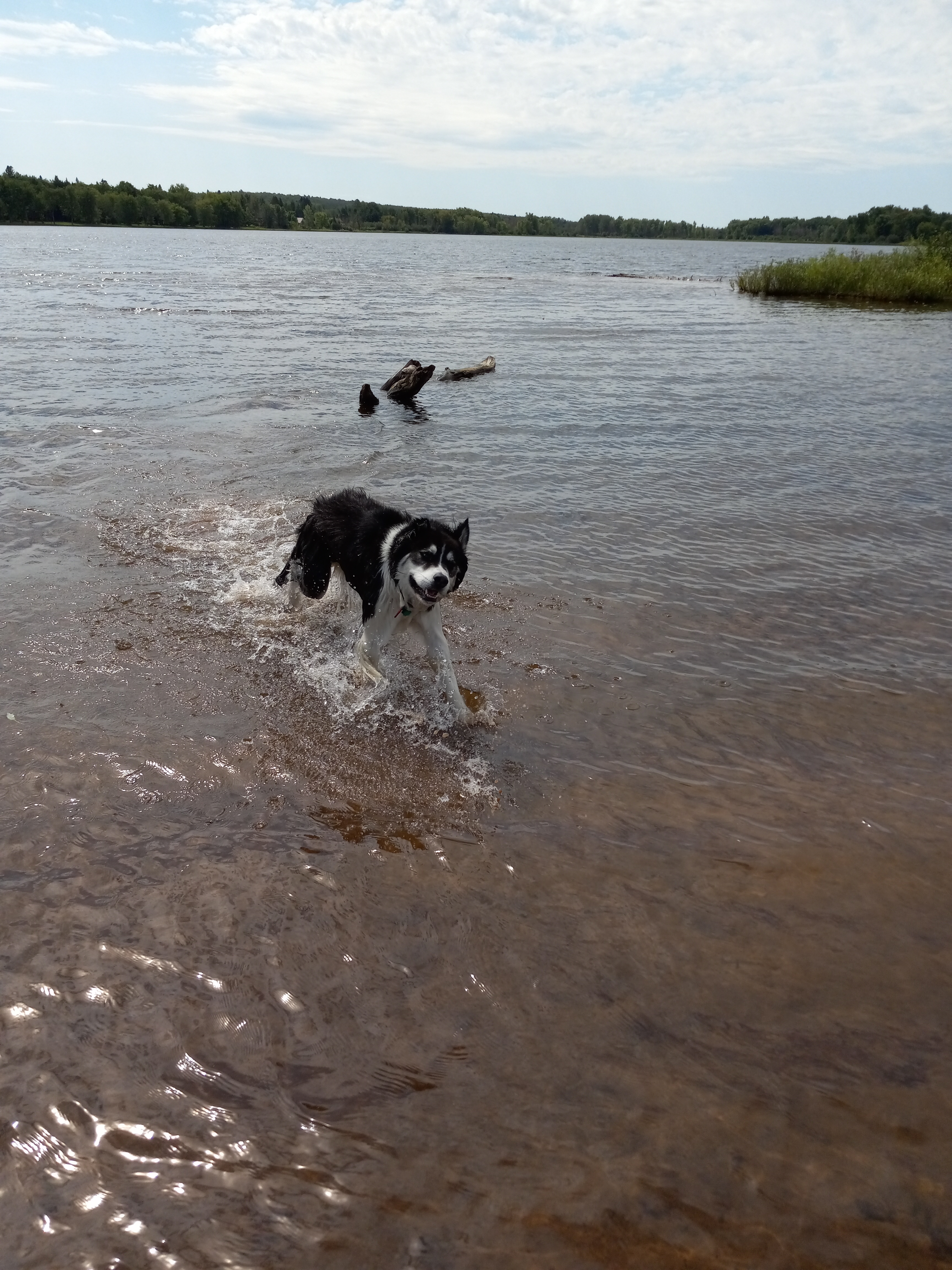
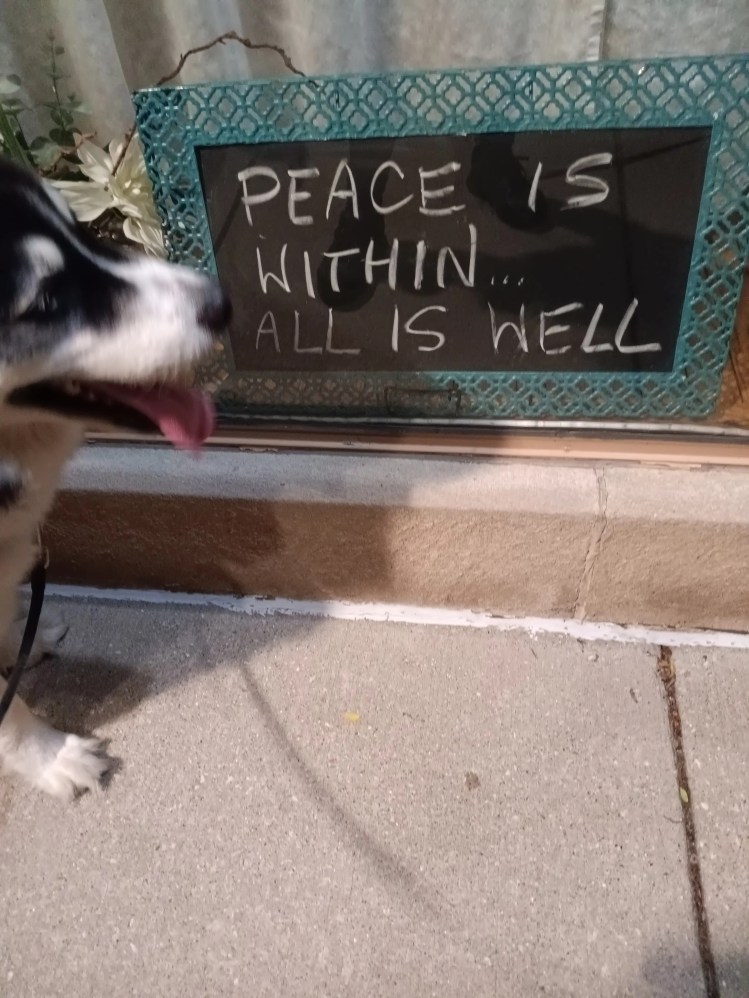
(Images “Last Mohican” and “Water Boo” provided by by Drifter)
Water Boo
“The most manifest sign of wisdom is a constant happiness.”
– Montaigne
In Russia there was a television program about an enigmatic drifter named Fenimore who visited a summer camp to tell the children tall tales: about Native Americans, but also about extraterrestrials visiting Planet Earth.
The unusual name, Fenimore, was so well-known in Russia that even children recognized it.
Fenimore was the middle name of James Fenimore Cooper, an early American novelist, creator of The Last of the Mohicans, who was so well known in Russia that “everyone” knew who he was (and he was especially well known by his unusual middle name).
Cooper is less well known in Russia now than he was a few decades ago. But he’s still far better known in Russia than he ever was in his native land of the USA. And at one point, he was very well known in his native land, one of the best-known writers in America.
The Mohicans believed that the purest and best creature on Planet Earth, among all the uncountable creatures here, was the white dog. For the Mohicans, a dog of purely white fur ruled over all other creatures because of its beauty, goodness, loyalty, and spiritual intelligence.
Modern city folk would be horrified by what the Mohicans did with the white dog in turn, because they believed it was the purest creature created by the Great Spirit: they sacrificed it.
What modern people don’t realize is that: one: the animal was sacrificed quickly and without pain; and two: the Mohicans believed the animal was instantly passing over into a world exactly like this one, except without the pain, as soon as it died.
The Mohicans believed the white dog was leaving this world of pain and going to another world exactly like this one except far more perfect than this one ever has been or ever will be.
This is a challenging paradox, even a contradiction: that there could be a world exactly like this one, except without the pain.
No more physical hardship, no more fear, no more boredom, no more sense of betrayal. No more endless feelings of injustice, no more nonstop struggle for existence and survival (mental, physical, and spiritual), no more loneliness, isolation and alienation, no more feeling of being abandoned by the Creator of the universe.
But the beauty we see, hear, feel, smell and taste here will still exist.
The sun on your head, the wind in your hair, the ground beneath your feet, the green, breathing beauty of the plants all around you would still nurture your soul, except more so.
The grizzly bear will still be there, but he will no longer tear your head off and devour you; instead he will roll around with you peacefully and playfully in the grass.
The fear of death, the one multi-pronged, many-leveled, myriad-layered primal emotion that perhaps generates all other emotions here in this world, even our sense of beauty, or especially our sense of beauty, will be gone there. But the sense of beauty will still exist. It will simply be increased, heightened to a level we can’t even imagine yet, here on Planet Earth.
I went camping this week with my kids and dogs, at Warren Dunes State Park in Michigan, ninety miles from where we live outside Chicago.
It’s only ninety miles away from Chicago around the bottom of Lake Michigan, but it feels like a different world where the raccoons outnumber the people ten to one.
There are a lot of raccoons in Chicago and environs but they still feel vastly outnumbered. Not so in the Dunes.
In the Dunes, I felt closer (or closer in a different way) to the sun, the wind, the ground, the green, the blue of the vast freshwater sea and the sky above it, the yellow sand, the raccoons, fish, and birds, and so was reminded of my own Native American heritage.
I have never had my blood tested. But as a child I was told over and over that I am part Native American. So for me, in spirit, no matter what the genetic testing would or wouldn’t say, I am indeed part Native American. Nothing could take that away from me now, not even science.
And since I’m also a lover of Russian literature, including a few of the great Russians who were nature lovers, like Tolstoy, Chekhov, and Turgenev, I have a love for the Russian love of Native Americans, the Russian love of nature, and the Russian love of James Fenimore Cooper.
Drifting along on an empty trail walk among wooded dune hills with my two Siberian Huskies and one pit bull, I was feeling the feeling of free discovery that can still be found, somewhere, in all fifty states of the USA, if you look in the right way and in the right places.
And I realized that the Indians really are still alive inside me, because I worship their worship of, and their belief in, the white dog.
It was during the darkest, deepest heart of the covid pandemic in the early part of the 2020s. My daughter and I were driving along on Roosevelt Road just outside Chicago, USA. I was in the front seat behind the wheel and she was sitting in the back seat on the other side of our modest automobile (Lou Reed was singing from the speakers). It was wintertime, so the sun had sunk very early, too early, it seemed; the darkness around us was the coldness of a northern Illinois winter post-holiday season, with the wind battering the car.
That was when she told me that herself, my other daughter (her twin), and my ex-wife (their mother) had recently met nine brand-new puppies.
The dogs had been discovered in an alley somewhere in Texas, with their mother, and shipped north to Chicago by the rescue agency. The woman who was fostering these animals had run into my daughters and ex on the street. Somehow they got to talking and she told my daughters about her new rescue project, which was to foster these nine new dogs and their mother.
The nine new pups were half Siberian Husky and half pit bull, with the Husky side of the appearance and personalities being much more prominent, for some reason, than the pit bull side, even though their mother looked like a one-hundred-percent pit bull.
Their mother’s name was Margaux. She was one year old. All of her fur was of the purest, cleanest white imaginable, and she had bold, bright, brilliant, very blue eyes.
As soon as I saw her she reminded me of my dog, Cowboy, who had passed on four years before. Cowboy was about twice Margaux’s size, brown and white with brown eyes (he was born with blue eyes that later turned brown), but there was something about the two dogs that seemed uncannily familiar.
When I met Margaux she immediately walked over to me and started nuzzling my leg, asking for petting. It was as if we already knew one another. And I felt like we really did know one another. The second I saw her I knew I would be adopting at least one of her puppies.
The nine puppies were like watching 101 Dalmatians. They had a habit of all rolling in a pile all at once, wrestling with one another. They would tussle, toss, nip, bounce, yip, zip, wag, fang, bite at each other, flounce, jounce, jump, prance, dance, charge into each other, fall down, dart around, jump into your lap if you were sitting on the floor among them, look up at you, stretch, flop onto their backs, stick their tails in the air, shake themselves off, scratch their ears with their back paws, howl, yowl, laugh, smile, grin, pant, bounce around some more, crash into each other some more, flop around, jump up, run, walk, jog, teeter, totter, fall, spread, splay, spoon each other, roll over, box each other with their paws like cats, leap, jounce, bounce, and jostle all over the floor while you sat in the middle of them. And this was all during the first five minutes.
One of these little dogs was the biggest of them all. When the other pups would sleep in piles on top of each other, he would always go off into a corner of the room to sleep by himself, mostly half sleeping while watching the rest of them from a distance from the corners of his amazingly alert eyes. He had the longest fur, the most human expressions and was the pushiest, biggest, happiest, strongest, most intelligent dog of them all. He was the pup who started challenging his mother for dominance, in a friendly way, while all the other pups were still following her lead.
And he often had his sidekick with him. This other pup was “lean and mean” in a good way. His one shockingly blue eye and his other startlingly brown eye were prophetic and symbolic of his inherently split (not to say schizoid!) disposition. As a full-grown dog, he would be able to nail a squirrel and even a rabbit, much less an opossum, with a deadly accuracy, skill and ease that would stun the viewer of such an event (we always try to stop him but are not always able). And yet, he is one of the sweetest and most gentle dogs, otherwise, you could ever care to meet, someone who is even afraid of little children, when he isn’t trying to guard them, which he usually is whenever they’re around.
The reason we didn’t adopt Margaux, their mother, along with these two pups was waiting at home. Her name is Bandit, a pit bull with the greatest sense of humor of any dog you ever saw, and the strongest jaws you can probably imagine.
Bandit stepped in out of the blue when Cowboy, my beloved pit bull, passed on over the Rainbow Bridge (where he is waiting for us; I am sure of it). Bandit helped save my life by her presence during one of the toughest periods of my life I’ve ever gone through (I’ll skip the details about that for now). She tends to get a bit aggressive with other female pit bulls, especially when they’re on her own territory, so we had to let Margaux go. I heard Margaux is now living with a friendly family on a farm somewhere in Iowa where she has lots of room to run and play with other dogs. I hope so.
We named the leader Boo, after Bucephalus (Alexander the Great’s favorite horse), and the Sancho Panza dog we named The Colonel, after Elvis’s pal (and manager).
Bandit, Boo, and Colonel are all black and white, with almost exactly the same markings, almost like a miracle.
Life with these three animals in it is infinitely enhanced, endlessly better than it could ever be otherwise without them. It’s probably fair enough to say that I would die for any of these animals if I had to (like I would jump in front of a car to try and save them, if it ever came to that). They would do the same for me and my kids, and I know this for a fact because I’ve seen them try to do it when they thought we were in danger.
A few years ago I heard a story in the local news about a teenaged boy who ran back into his burning-down house to try and save his dog who was trapped inside. He wasn’t able to make it back out and both himself and his animal met their end together in the flames, and mostly the smoke. Their bodies were found side by side. The news reporter talked about it like it was the most tragic thing that ever could have happened, a bad decision made by a naïve child.
My heart goes out to the boy’s family in every way you can possibly imagine, but that news reporter was deadly wrong. Only the good die young. If there is a heaven (and I’m almost certain there is, I don’t even know why), that boy and his dog are in it. And they are together: forever now.
THE DRIFTER sometimes calls himself Dale Williams Barrigar, MFA, PhD.
“Goodness can be found sometimes in the middle of hell.”
– Charles Bukowski
This Sunday in honor of the American holiday weekend, The Drifter is offering a brief take on a vast topic. These are the opinions of The Drifter and perhaps are not set in stone; but at the same time, none of these suggestions originated with The Drifter himself. They drifted into his mind and through his keyboard via many other figures of the past who are smarter than The Drifter.
Thus, all who read this should know that The Drifter does take responsibility for this, but at the same time he’s doing nothing other than channeling the wisdom of the ages in the form of a brand-new vessel. Very little (or none) of this can be argued with in any rational way. All of it will peak your interest if you are interested in the creative arts AND/OR in the creative living of life (or both).
Now to the list. Seven is chosen because seven is a chosen number. There is a second list at the end which helps explain what The Drifter means by “the great.” Skip down to there if you wish to and come back to this afterward.
Seven virtues of studying the great:
One: You will learn how to do what you need to.
Two: You will come to understand how much it takes.
Three: Your own pain will be eased even as you come to a greater understanding of the eternal truth that “pain is the name of the game.”
Four: You will see how fun the game can be through the eyes of others who are related to you because they are also humans.
Five: When your enthusiasm wanes because of your energy levels (until it comes back again) you can lean on them.
Six: Not studying anyone will very surely and very shortly turn you into a kind of (unhealthy) human vegetable and one should always study the great first because they deserve it. They deserve it because they tried harder than the vast majority of the population (even while “not trying” like Buk said to).
Seven: What could be more worthy of our human study here on Planet Earth than the human and all it entails? (which in my case involves Siberian Husky and Pit Bull spirit dogs; look around you for your own spirit things because they are there).
List Number Two.
The following list is an example of what The Drifter means by “the great.”
In honor of the future-classic, cutting-edge short stories of Irene Leila Allison, the list is comprised of twenty American short story writers.
These are all Americans because I’m writing this on THE FOURTH OF JULY, 2025, A.D., and because I happen to be an American myself, straight from the heart of the heart of the country, as William Gass called it.
All of these short story writers are what is sometimes referred to as “passed on.” At other times referred to as “no longer among the living.”
These people still live. IF nowhere else (which I doubt) than among the literary immortals in the spirit world of the American pantheon.
Washington Irving.
Edgar Allan Poe.
O. Henry.
Shirley Jackson.
Eudora Welty.
Richard Wright.
Ralph Ellison.
Katherine Anne Porter.
Kate Chopin.
Flannery O’Connor.
Langston Hughes.
N. Scott Momaday.
Ernest Hemingway.
William Faulkner.
F. Scott Fitzgerald.
John Cheever.
Raymond Carver.
Barry Hannah.
Larry Brown.
William Gay.
“The Drifter” will return next Sunday with seven more philosophical reflections on the Arts or one more narrative exploration of an artist’s life based on personal experience. Thanks for putting up with this.
“Kerouac could write everything because he never forgot
anything.” – Bob Dylan
“I saw you this morning…in my secret life.” – Leonard Cohen
Scholars of literature always call Edgar Allan Poe the first writer in America who ever tried to make a living using nothing other than his own pen. And that is very far from true, very, very far from true.
Poe never tried to make a living in America using nothing other than his own pen. He always knew he would need another job, whether that was in the U.S. Army or as a low-wage wage slave working for other peoples’ publications where much of what he did as a “job” had absolutely nothing to do with his own creative writing, on the surface at least.
What Poe did try to do, and what he can be called “the first” at doing in many ways in America, was to try and live a truly literary life at every level, no matter what else he also needed to do in the meantime.
Every demeaning task, every humbling action, every humiliating circumstance in his life, and there were many millions of all the above, Poe tried to convert into something sacred that could be seen as serving the literary life he always made himself live for his own pride, even when it seemed impossible.
Poe never let himself forget he was a writer. He elevated it above everything else, above politics, above religion, above family, even; or rather he made it so much a part of his life that everything else, politics, religion, family, all grew out of his starting point, which was his commitment to writing as an art.
This profound innovation, which is more relevant now than it was 200 years ago when Poe made it, has had an endless series of influences on all the arts, not just writing, all over the globe, not just in the USA.
It probably caught fire in France first, when Charles Baudelaire, the first true poet of the modern city, took up the call that Poe had issued to the writers of the world.
Baudelaire identified so strongly with Poe that it’s said he would pray to Poe nightly, as if Poe were a saint. When we consider Charles Baudelaire’s Catholic background, this doesn’t seem nearly so crazy as it might appear at first glance to many of us.
In the religion Baudelaire was raised in, praying to saints was not only not frowned upon, it was encouraged. Baudelaire’s move, which was to make the Art-for-art’s-sake Edgar Allan Poe into his own private literary saint, was really only moving the material he was given at birth an inch or two to the right or left. It was the higher ideal of the truthful and imaginative writing life that Baudelaire was really placing on the pedestal, in the manner of his hero, and saint, Edgar Allan Poe.
Baudelaire wrote in the shadow of Victor Hugo, a writer as massive, deep and wide as Charles Dickens, but it is now Baudelaire, in his Paris Spleen, Flowers of Evil, and Artificial Paradises (hashish, laudanum, absinthe, and literature), who generally seems more modern to most poetry lovers.
Hugo the realist, as great as ever still, was of his own time. Baudelaire, following in the footsteps of Edgar Allan Poe, was for the future. Like Poe, he foresaw, and even lived in, the age when humans would become ghosts of themselves (for good and ill), the time when the new rule would be (and is): turn your own life into an art, or die, mentally, emotionally, spiritually, and even literally.
The life-as-art, art-as-life, consequences-be-damned credo and way of living was elevated perhaps even higher by Vincent Van Gogh, especially in his self portraits, or in Sherlock Holmes and Irene Adler, whose laser-like, scientific focus on artful truth-telling rises straight from the beautiful and terrifying mists of Poe’s profound innovation, where the responsibility for everything is placed squarely on your own doorstep, even, or especially, if you are a starving artist.
Here are four ways any and all of us can instantly start turning our lives into an art and an art form almost immediately. If you’re already doing these things, and I have no doubt that some of you are: then bravo for you. Keep it up, and spread the word!
ONE: Texting
Do not become the mental slave of your own (what I like to call) texting device. Never send a text that has been written for you by a robot, AI or other computer; and never send an emoji that has not been specifically selected by you to be extremely pertinent to the exact circumstances at hand.
If use emojis you must, feel free to do so: but be creative. Go deeper. Look for the ones that say what you really mean to say. And be sure you know what it is that you really mean to say. If you don’t really mean to say it, don’t just say it, blindly. This is you putting yourself out there into the world, and this is the inevitable way people communicate now, at this moment in history, for a million different reasons.
Texting is too easy to do, but it doesn’t have to be. Take the time to say what you really mean: or don’t say it at all. And when you choose silence, choose it for a very definite reason; know what that reason is; know why you are choosing to exercise your own silence; don’t just ghost people because you are bored – or lazy.
If the time has come for you to be quiet, know why you are doing it.
TWO: Emails
Be creative when you compose emails. Even be creative when composing emails if it’s in a situation where you are not supposed to be creative, or maybe especially then. If being creative will get you frowned upon and called onto the carpet, be as creative as you can possibly be, even unto the point of being shown the door by the robot-humans in charge eventually. Don’t dumb down your own language too much in order to be “safe” or in order to please your masters, and make sure your own individual personality-stamp goes out with every single communication you ever send. Even if you’re just telling someone you need them to do something for you by Tuesday. Or maybe especially then.
THREE: The “Comments” Section
Be very, very, very selective about what kinds of “Comments” sections you choose to engage with. And when you do find a good one and have chosen to engage with it, go all the way. Doing anything in life in a half-assed way is nothing more than a half-assed way of doing things. Make sure you’re not just shouting into the void by repeating the exact same things a million other people are also saying.
Choose wisely, and be selective, and make a full commitment; let your opinions shine forth only if they are genuine, original, dyed-in-the-wool personal opinions based on the reality of the world, not just group-speak mind-control thought-police regurgitations of the exact same thing everyone else is also saying ad infinitum.
Another way of putting it is this: be original. Always be original. If you can’t be original here, it’s OK: choose silence, and be original in a different venue where you feel like you’re on more solid ground.
Regarding size of audience, Jesus himself said this: “Where two or three are gathered together in my name, there am I in the middle of them.”
There was a reason why he emphasized the tiny numbers two or three, just as he limited his personal disciples to another tiny number, twelve. Jesus was the strongest advocate for individuality this Planet has ever known, which is why he is, by far, the most famous person who has ever lived, or ever will live. And he spent a lot more time walking away from the churches and marketplaces of his day than he did walking into them.
FOUR: Pictures of You
Do not use the camera on your phone to celebrate the American Religion, CONSUMERISM. Do not use the camera on your phone to advertise the dead animals or the vegan delights you are about to sink your teeth into (everyone needs to eat and digest) unless you can really make it artistic. Also, do not use your camera as a way to provide just another screen between you and the reality of the world. Instead, use the camera on your phone for the following three reasons.
One: To try and capture moments of beauty which are beautiful, or to create beauty by making something beautiful which people don’t usually think of as “beautiful.”
Two: To relate yourself to the real world around you by showing yourself and others “It” from new, original, and different perspectives. (This is called “Imagination.”)
Three: Use the camera on your phone as a form of SELF exploration.
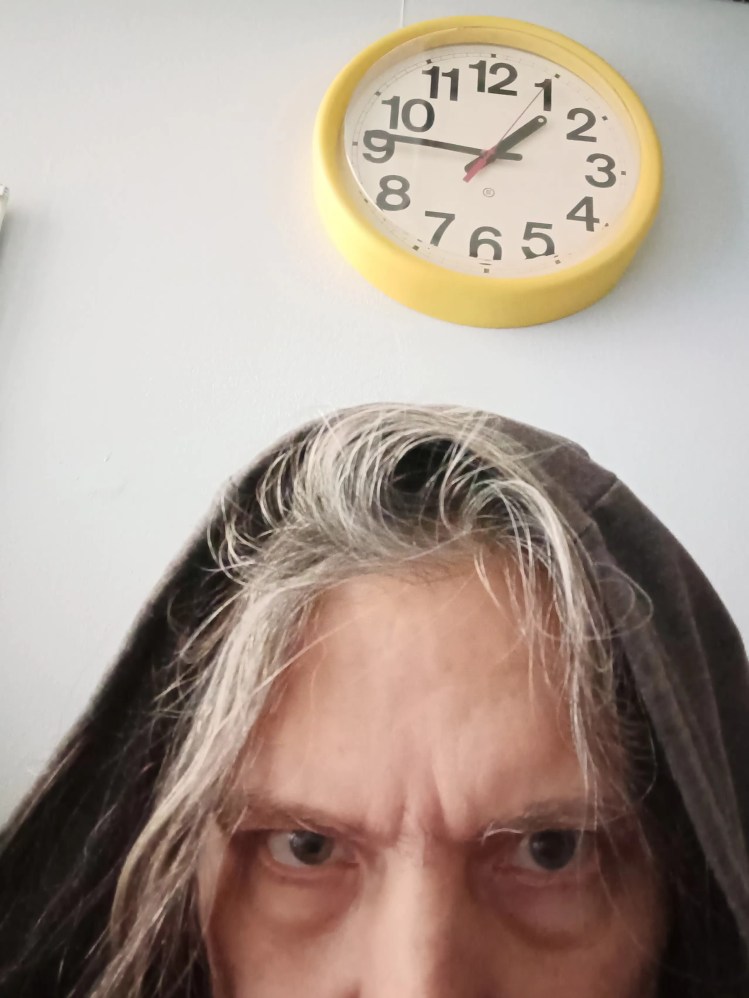
Do not take selfies. Make self portraits. Even if the only one who ever studies them is you, this will make you an endlessly deeper and more original person in everything else you do and do not do (what we DO NOT do is just as important as what we do), IF you do this in the right way, which is to do it the way Socrates said to use the mirror: Look for yourself, and study the endless changes which are “you,” with fascination. (This is something Shakespeare did in his Sonnets.)
Most people are only terrified of death when they never really live/d first. Always start with yourself first. Move outward from there.
A NOTE on reading from The Drifter: What you take into yourself is just as important as what you put out into the world, and what you put out into the world will, inevitably, be massively influenced by whatever you have spent your time taking into yourself.
Watching a truly great movie is a much more artistic experience than reading a truly bad book.
But the act of personally reading good things will strengthen the mind (and hence the personality) in a more powerful way than anything else on Planet Earth. This has been true for thousands of years, and will remain true now until “the end” (whenever it comes).
Alexander the Great’s most prized personal possession was his copy of The Iliad. Abraham Lincoln spent more time reading Shakespeare and the Bible than he did studying war plans or political suggestions. Martin Luther King, Jr., was always reading good things. He never would’ve been able to write or think so well otherwise: and he knew it.
The poet William Blake was not joking when he said he wrote mostly for “children and angels.” Personally, my conception of Heaven also includes forms of reading. If I’m wrong about this, it’s highly doubtful I will be aware of it; so I’m going with this for now. (It’s also probably true that by “angels” Blake meant both literal angels, and saintly humans.)
If one fills one’s mind with trash, nothing but trash, and more trash, eventually (or sooner) the mind itself will become a trash dump. Right about then is when real and deep ignorance, cynicism, scorn for the good of the world, and nihilism begin to set in. (Many of these people are walking around and looking like respectable members of society, too; even as we speak.)
(Top image: Elina in Chicago 14 June; Second image: Tressa With Emma Lazurus Poem. Both supplied by the Drifter)
The Crowd and the Protest
“The shepherd enters through the gate.” – John, Chapter Ten
ONE
Sadly, the question might easily arise as to WHY anyone in their right mind would bother to fight for, or defend, the so-called “American Dream” any more, in this Year of Our Lord 2025.
The Gonzo journalist and prose master Dr. Hunter S. Thompson, in his prophetic mode, rightly proclaimed the American Dream dead and buried over fifty years ago, not too long after Tricky Dick got finished with his sad, partially unconscious, and certainly pathetic attempts to clownishly crown himself and end American democracy forever.
It seems to me that the American Dream has now become the most destructive lie and delusion the human race ever invented for itself, a vast, mass mental and spiritual health crisis and pandemic that has spread globally everywhere from here to India and all places in between, and has destroyed the human and humane spirits of, literally, billions of people all across the globe (although not everyone).
Because the so-called “American Dream” is nothing now in its very essence and core except a pixie dust mental disorder, a vast, sometimes-seemingly-all-consuming, LSD-like, schizophrenic delusion that is not based on Fantasy (the bad kind), but IS Fantasy the bad kind itself at every level.
Romance Fantasies, House Fantasies, Computer Fantasies, Car Fantasies, Shopping Fantasies, Political Fantasies, Property Fantasies, Robot Fantasies, Rocket Fantasies, Gambling Fantasies, Lottery Fantasies, Vacation Fantasies, Hero Fantasies, College Fantasies, Economic Fantasies, Flower Fantasies, Music Fantasies, Dancing Fantasies, Fame Fantasies, Job Fantasies, Retirement Fantasies, Revenge Fantasies, Drinking Fantasies, Drug Fantasies, Food Fantasies, Screen Fantasies, Sex, Power, and Money Fantasies have burned and buried the real minds and hearts of so many people walking, standing, sitting, or lying down on the globe right now that it’s really chilling and yes, even horrifying, when one thinks on it for more than two seconds before going back to casually scrolling one’s phone as the world burns.
So why fight for the American Dream? Because there’s another side to everything in this world: what the great Chinese poet, philosopher, drinker, and drifter Li Po called the Yin and the Yang.
Harold Bloom, the great American writer, voice and citizen, said many times that an American never feels free unless she or he is alone. And when an American is alone, they do always feel free (even if sometimes terrified, too).
That liberating essence, or core, of American democracy still exists, even though Sojourner Truth, Crazy Horse, Frederick Douglass, Thomas Jefferson, Daniel Boone, and John Wayne are gone (“The mountains have been my church,” said Wayne in his final movie). It means everything to the human mind, heart, spirit and soul all over the globe, is America’s one great contribution.
And that is why I will fight for it, in my own way, and in the spiritual warrior sense of the word fight. I, and many others.
TWO
We came up out of the subway tunnel and were instantly swallowed by the Chicago crowd. I was with my teenaged kids and a few of their friends. I could see the Picasso statue in the distance over the heads of the crowd. It was there, the statue the great Picasso gave to the city of Chicago for free, the one that looks like a horse’s head from a certain angle, a woman’s head with long hair from another angle, something else you had never really imagined before and can’t name, from another angle.
I’d spent a lot of time in the past sitting around in downtown Chicago and studying that huge metal statue. Now I was packed into the middle of so many hot, pressing, human bodies suddenly that I couldn’t even move, not right, left, front, backward or center. One of my daughters had been swallowed and pushed along by the crowd. We were all worse than sardines in cans right now. Suddenly I realized that if I had another stroke like I’d had last year, I would be in a very bad spot because there were angry, shouting, pressing, hot-blooded, hot-breathed, neck-veins-bulging, stinking, sometimes-perfumed, protesting people pressing all around me and there would be no medical assistance happening out here. I turned around again trying to find the stairs from where we’d come up from the subway so we could go back down, but it was already too late. We’d been sucked into the vast black hole of the hot, pressing crowd, literally even before we knew what was happening.
We kept talking to each other in the middle of the crowd as we tried to inch our way out of it. I instructed all these teenagers I was with to follow me, and trusted (no choice) that my other wildly intelligent daughter (they both are) would be able to fend for herself, but no one in the crowd was moving, they were all just standing there pressing upon one another (no room for anyone to even sit down, not that you would want to here), holding up signs, screaming slogans and chants, breathing their hot breath on the backs of one another’s necks, and I could feel the outraged intensity of every single one of their souls (it felt like) pressing down on my own personality, which was very quickly becoming nothing less than outraged at their outrage. Trying to keep it under control, trying to keep it under control…
There were very many angry and shady-looking people pressing in the crowd, folks trying to pull suitcases or carrying awkward-looking backpacks, all of the above large enough to carry explosives of course, folks dressed all in black with hands hidden in pockets large enough to carry pistols, folks hunched over with hoods over their heads and masks on their faces and sunglasses covering their eyes.
It was a vast ocean of bodies pressing over me and I realized I was about to panic perhaps because I was now having a bona fide LSD flashback right here in the middle of the crowd, actually triggered by the crowd, in fact. But I had to keep it together in order to lead my daughters and their friends to safety.
It had been my idea to come down here, after all. My kids and their friends instantly agreed. Then I remembered that I had been inspired by them during the George Floyd protests when it had been their idea to go to the protests before it had been mine. We were trying to inch our way along to escape from the crowd. Some people, obviously many people, do not get too claustrophobic in such conditions, because a lot of these protesters actually seemed to be enjoying themselves. But myself, my daughters, and our friends were not some of the non-claustrophobic ones. The kids call it “tweaking” these days. It’s when you’re losing your grip on things, feeling like you’re having an acid flashback, panicking or almost panicking, freaking out, in other words. I was now, officially, and internally, tweaking at every single level I could or couldn’t think of. I was able to hold it together for only two reasons.
One: in order to try and help my daughters and their friends (and myself) get out of this.
Two: I knew if I really started freaking out, it would be like throwing a flaming torch on top of a keg of gun powder.
I knew now, in my blood, how easy it is, and how fast it can happen, that people get trampled to death in a crowd like this.
THE CROWD is so terrifying and horrifying to some of us because it means a complete and total loss of individuality, and control, at every level.
The only place you can maintain your own self-control in conditions like this is within your own mind, and under these kinds of conditions, that is very hard to do, especially when an acid flashback, or whatever it was, is making every single nerve end in your body and brain feel like it’s on fire right out of the blue.
Thoughts of Buddha helped save me this time. His chubby ghost (to me he was chubby) appeared out of nowhere and wafted in front of my mind. It was his kind of mind control I turned to in these desperate circumstances. I was having an acid flashback in the extreme but the purposely recalled thoughts of the strength of Buddha’s mind helped me regain, and keep control of, my own mind. I turned around and all the kids I was with had vanished in the crowd, we had been separated, I couldn’t turn around, and I couldn’t find them. I kept on trying to worm and inch my way out of the crowd, trusting their safety to God, because it was the only thing I could do now.
THREE
During the worst moments of being suddenly caught unawares in the middle of THE CROWD like that, it felt like nothing short of being buried alive in the middle of the most vivid Edgar Allan Poe buried alive short story you’ve ever read, except you’re not reading the story at a safe distance, you are the character in the story who’s actually buried alive, worse than in a dream. For me, to suddenly have millions of anonymous bodies pressing all over mine without warning is one of the worst living nightmares I can possibly imagine. (I’m fond of keeping my distance, which is an essence of being a drifter.)
There are other nightmares just as bad, like maybe being stalked by a great white shark while out swimming in the ocean and you know he’s there but are still a mile away from shore. Only being buried alive for real could possibly be worse.
Losing contact with my kids in the crowd like that was even worse than the buried-alive feeling.
FOUR
It took me ninety (90) minutes to inch and worm my way out of the crowd. Ninety minutes that felt like nine months jammed down into a Siberian prison holding cell (because of the acid flashback/s).
When I finally broke free, onto famous State Street in Chicago, I looked up and there was the Van Gogh-like Muddy Waters mural on the side of the building I’d seen many times before. I had lost track of where I was in the downtown area, and had only been following my instincts to get out. And I got out. And I was free. And there was Muddy, one of my great and lifelong heroes, Muddy Waters, staring down at me. And we were both free.
I had to wait around for another thirty (30) minutes before my kids also broke free from the crowd.
But fifteen (15) minutes before that, I received the first text from them telling me they were OK.
FIVE
There is no doubt that I’ll continue to protest personality-crushing authoritarianism wherever it exists, whether that is at the “highest” business and political levels, or within the classroom or the workplace, or on the street corner, or within myself, or anywhere.
Next time, however, I shall be much more careful about how I approach THE CROWD. A word to the wise: The Crowd is bad. In the worst sense of the Word.
ADDENDUM from The Drifter
There are a million different ways to protest, of course, and attending a so-called “Protest” is certainly not the only way, although, as the American Civil Rights Movement showed, it is sometimes a necessary way. The famous “three and a half percent” rule, proved by social science, says you only need that amount of a nation’s population to resist and overthrow the lockdown of true authoritarianism, the kind where the jack-booted thugs are standing around armed on all street corners with their faces hidden and the little old lady you thought was your friendly neighbor just reported you to the secret police for something you didn’t do.
The following poem by Walt Whitman outlines another way to protest, just as profound, or more profound, than the other way.
Poets to come! orators, singers, musicians to come!
Not today is to justify me and answer what I am for;
But you, a new brood, native, athletic, continental,
Greater than before known,
Arouse! For you must justify me…
I am a man who, sauntering along without fully stopping,
Turns a casual look upon you and then
Averts his face,
Leaving it to you
To prove and define it,
Expecting the main things
From you.
“The Drifter” is drifting off for now in order to steady his nerves via a combination of medical, psychological, and spiritual advances. This world we currently inhabit will make you nervous if you’re alive; do what you need to; pursue the right kind of excess and eschew the wrong kind as much as possible.
“The Drifter” doesn’t know yet what the column will be about next Sunday in this “Postcards from the Drifter” Sunday series; what he does know is that he will be here.
(Dale Williams Barrigar has big news to deliver. I for one am looking forward to hearing from the Drifter–Leila–The image provided by DWB)
Thirty-eight Years
I have wanted to write a weekly column ever since I first heard of Charles Bukowski and his Notes of a Dirty Old Man thirty-eight years ago in 1987.
I first heard of Bukowski himself through Roger Ebert’s television review of the 1987 film Barfly, for which Bukowski typed (his word) the script. And congrats to Mickey Rourke and Faye Dunaway for having done a wonderful, memorable job in the lead roles. (Buk supposedly didn’t like Mickey as Buk but I think that’s because he wouldn’t have liked anyone as himself or his alter-ego-persona.)
I lived in Chicago at the time and was aware that Roger was sitting somewhere else in Chicago and he was talking about this raw, experimental, underground writer I’d never heard of. God bless you too, Roger Ebert, for all the things you taught me through the television back in those days. I never agreed with everything you said, but I learned volumes, and you were always an inspirational figure and your ghost shall haunt my new weekly column in a number of ways, on one level especially because I still live in Chicago, your home turf, and you are inescapable in that way.
After I heard about Bukowski from Ebert, I ran out the next day to my local bookstore. In those days, many of us did that a lot. I lived within easy walking distance, literally, of at least half a dozen bookstores back then.
I bought all the books by Buk which they had, and devoured (almost literally) them all before I saw the movie. One of the books was Notes of a Dirty Old Man.
My column, at least for a while, shall have this title: Postcards from the Drifter. This column, while influenced by Buk, will not include regular graphic descriptions of sex, one reason being that I’ve been celibate for over a decade. I subscribe to the famous quote by Carl Jung: “When the body is silent, the soul speaks.” I don’t know if this condition will last for the rest of my life or not, but for now it seems to work out wonderfully for me.
SO my column shall not have lots of graphic physical sex descriptions like Buk did. BUT it WILL have lots of personal revelations, and confessions, like the kind I just made in the above paragraph.
I’m a drifter because I never sit still, metaphorically and symbolically, and sometimes literally. But any good drifter needs to have a solid center. You can’t just shift your personality for the latest political winds so you can make lots more money when you’re already loaded. To be a good drifter means to have a solid center that will keep you grounded while you’re drifting.
My center is THE ARTS. I’ve been obsessed with the arts since kindergarten when I decided I wanted to be a painter, and was influenced by all the religious art around me at the Lutheran school I attended in Michigan. Before that, I had also been obsessed with The Arts, I just didn’t know it.
So my weekly Sunday column will focus on two things: personal confessions of a universal nature that will be useful for the few, and reflections and deep recommendations on the arts that will include thoughts and other ideas about writers, painters, musicians, filmmakers, actors and actresses, and other artists, like those who are artists of life itself.
I don’t seek now, and have never sought, vast quantities of drone readers, casual and/or transactional. Instead, I seek the few who can understand me in this dehumanized and dehumanizing world.
My first column will be about the stroke I suffered last year at the age of 57, what caused it (as far as I know) and how I was able to almost miraculously recover from it so fast (at least some of the doctors have told me it was almost miraculous). This column will also include a description of a knife incident that left me bedridden in my youth for a while, and a true description of leaving the body (not dying, just leaving the body) during surgery.
This column could never have happened without Irene Leila Allison. Everything I write now, including all of the above, is written for her first. This will continue to be true from now until my dying day. This is because I’ve never found another artist (except for my kids) who gets me in the way she does. She is my inspiration; and then it’s meant to move on outward from there, to all of her readers on this wonderful and inspiring site called SARAGUN SPRINGS.
I hope you can join us starting soon for these weekly columns called POSTCARDS FROM THE DRIFTER. It promises to be highly interesting if nothing else.







 Saragun Springs