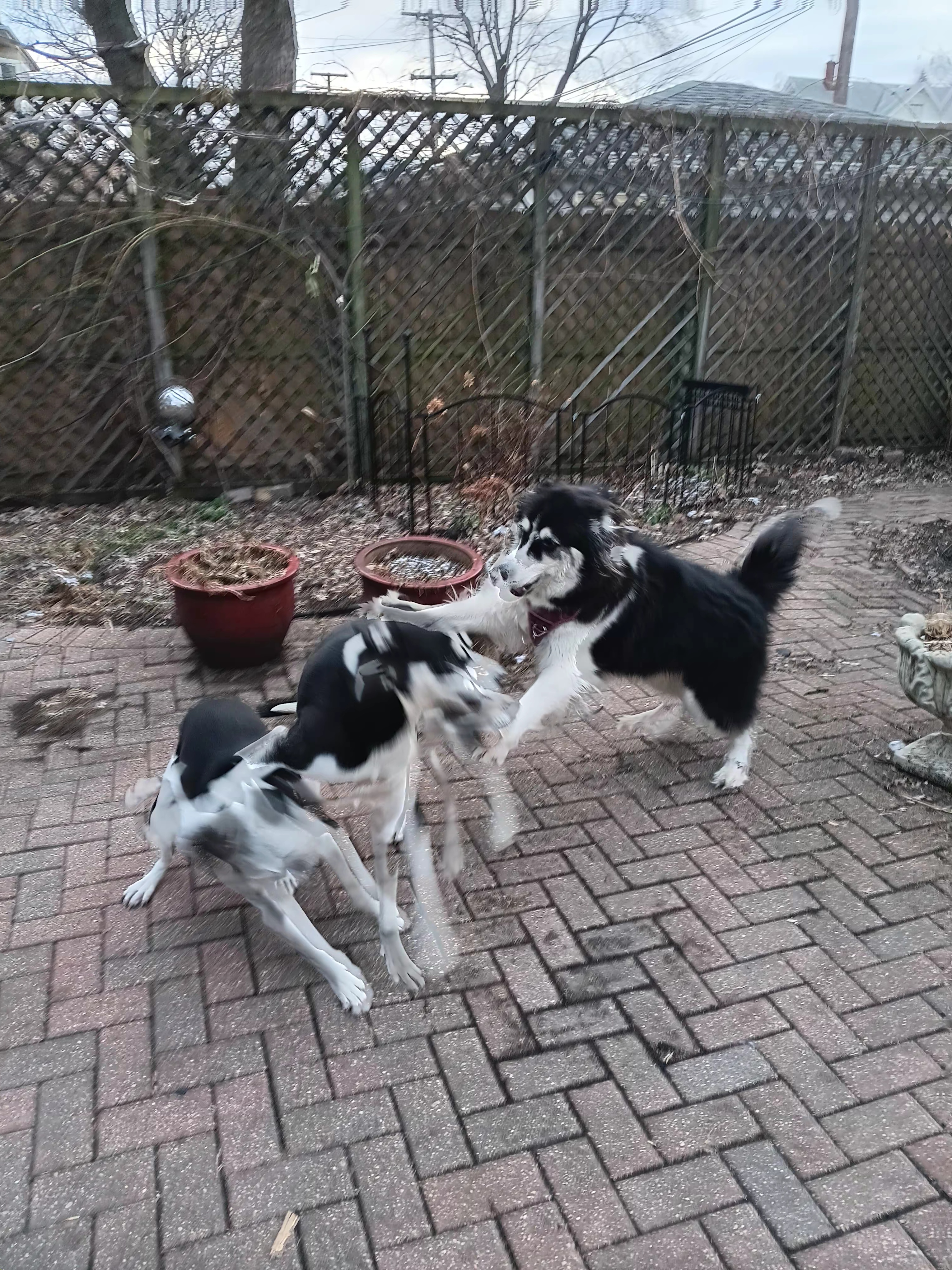
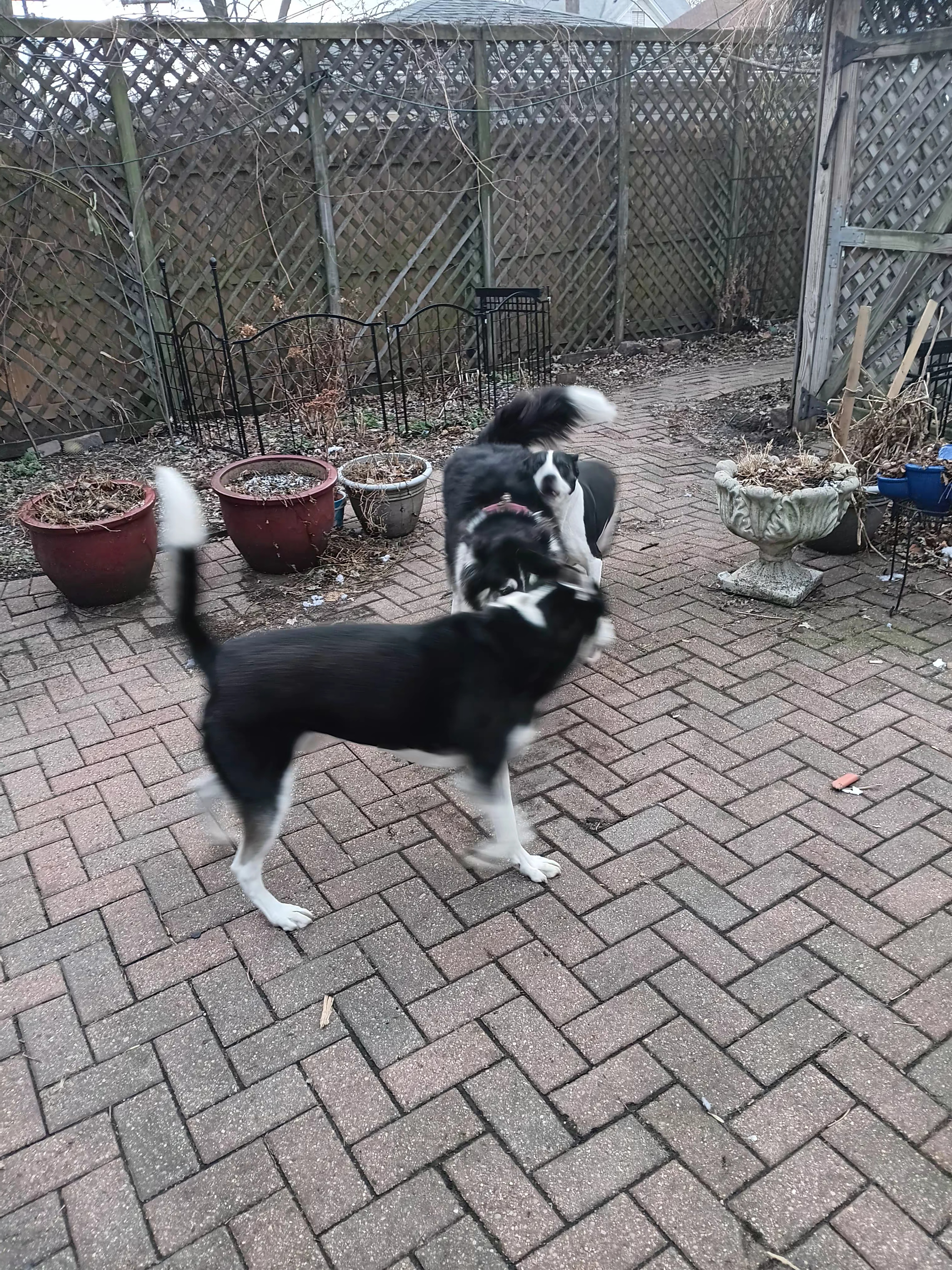
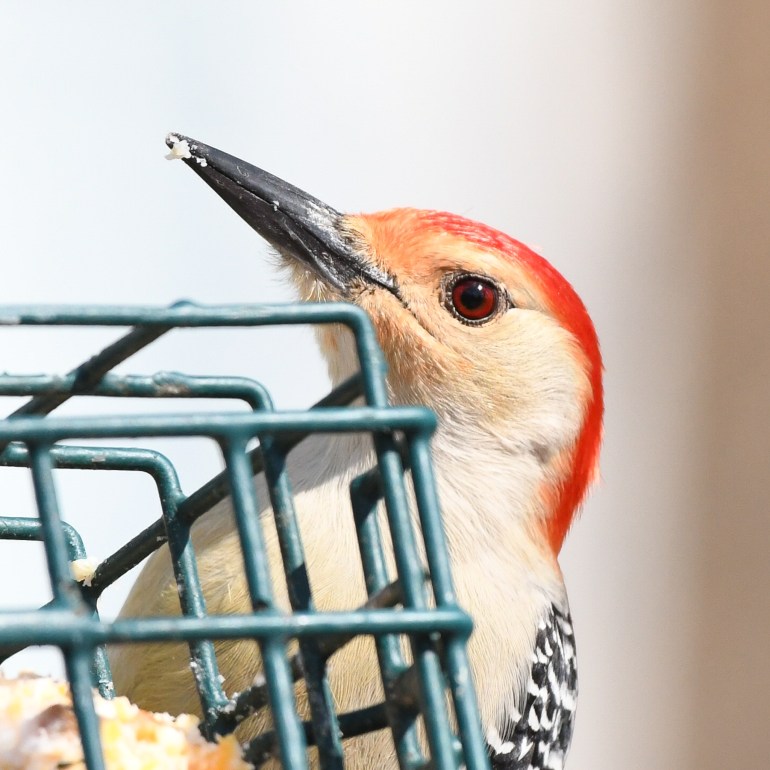
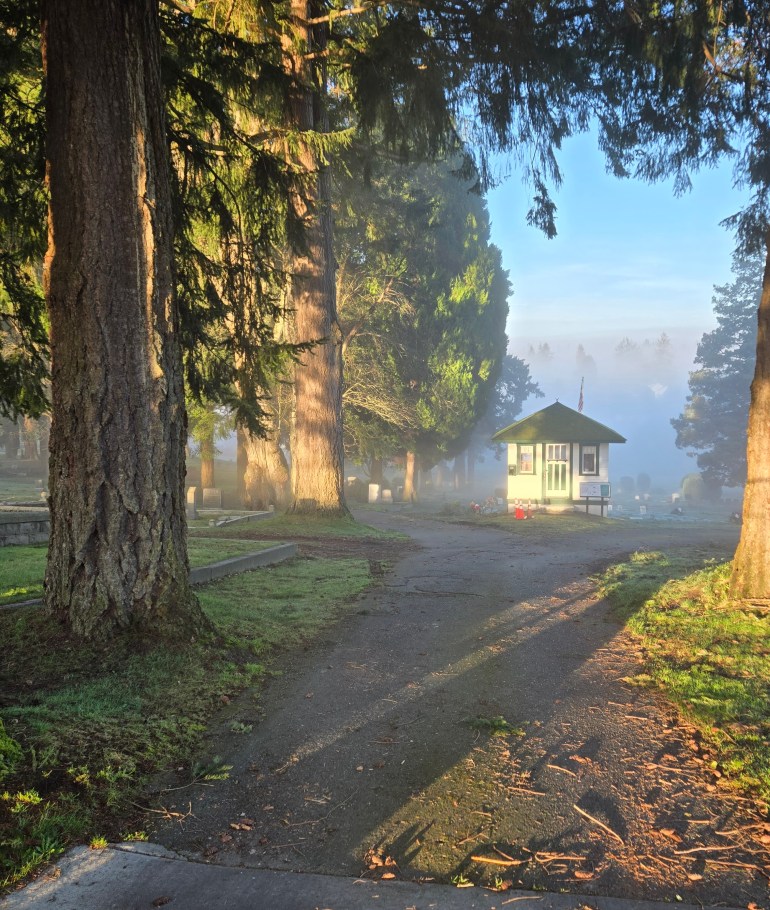
The Deer Watch

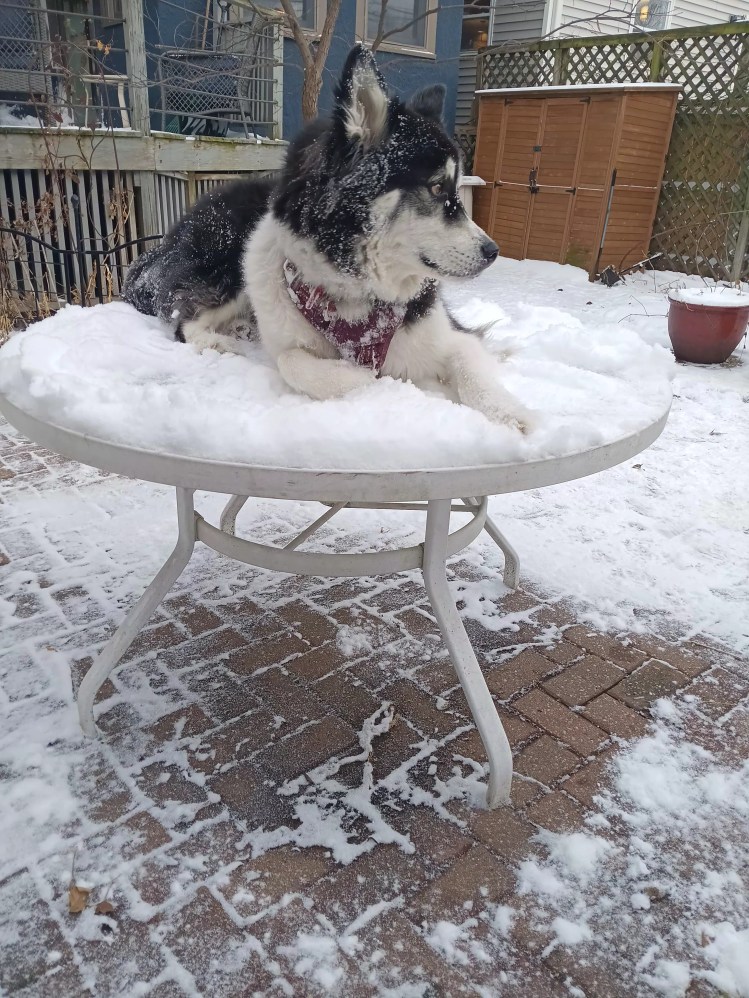
(All images taken by Leila)

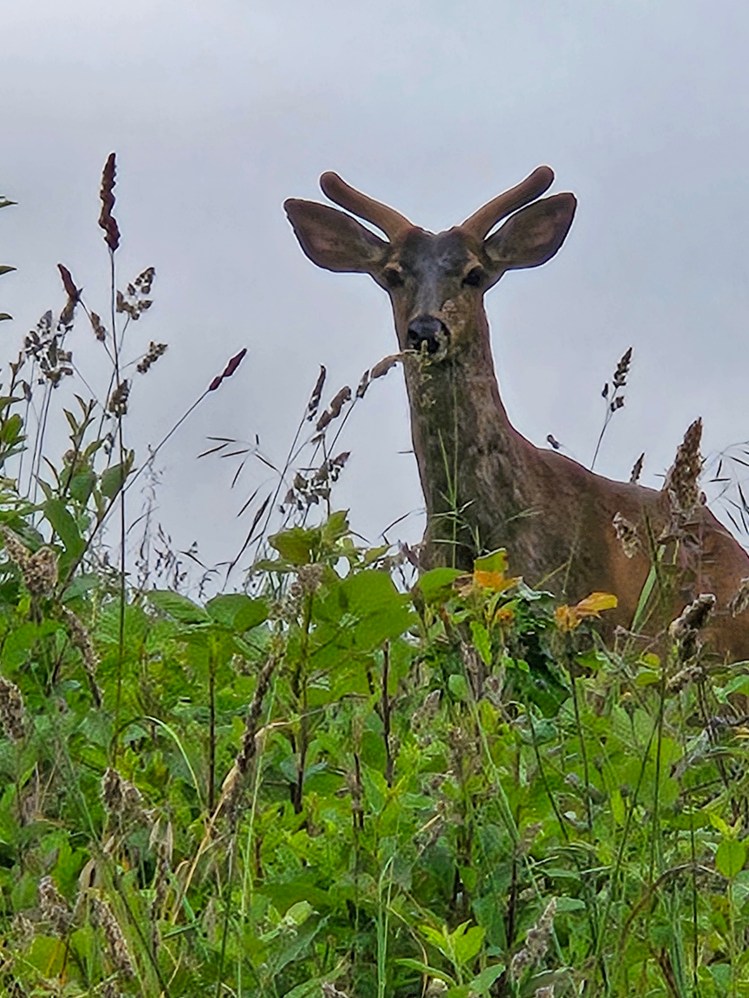
The Deer are watching me

Marking my ways and taking notes

I have no idea what the game is (up to)

Am I good or bad by rote?

The Does and Fawns graze in silence

But I am up on their tricks

I am the subject of their science

Chloroform and needle sticks

The Elk are few in comparison

But they have a stake

Has the world had its fill of venison?

Are they done with being steak?

Yes, the Deer are watching me

From the woods they have come

The Deer have won the majority

Tis my turn to sniff, twitch and run

Happy September From Saragun Springs

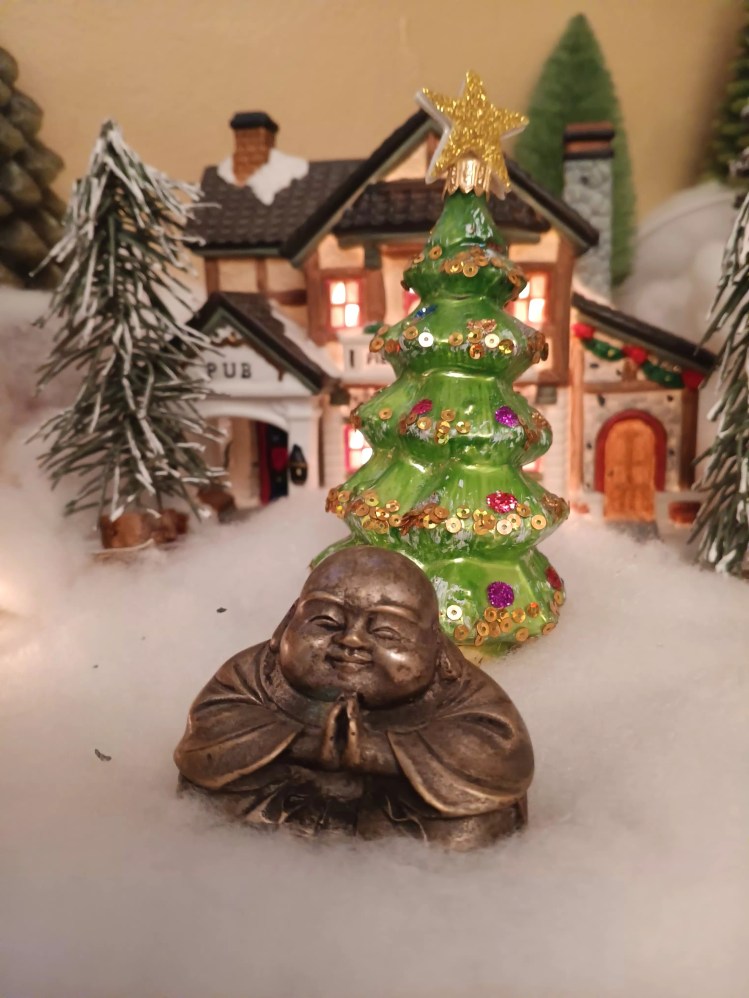
(Image is of PDQ Peety, preparing for the fall the same way he meets every season–blasted)

Happy Labor Day to the USA (my first since retirement)

As always we in the Springs aim to fill every day of the month with poetry, stories, art and the weekly Sunday column by our beloved co-Editor The Drifter (and the odd imitations of such contributed by The Saragun Gazette). This week is full, but we have plenty of room to share things written by others who have contributed previously or who are new.

At first it was a week offered, but we can also do single days as well. And as autumn draws nearer with its omnipresent scent of pumpkin spice, as Christmas creeps into retail establishments the same way gold is edging maple leaves (but greeted by different degrees of patience and pleasure), the Springs is planning to become just as inescapable as death. So with that cheery thought in mind, welcome to September, one and all.

Leila

The Hands of the Poet by the Drifter

“Galileo looked into the night / and learned the truth was an old lie /

And he sighed, knowing his fate: / If I write that again Someone will

tell the Vatican” – Irene Leila Allison

“The most beautiful thing we can experience is the mysterious. It is

the source of all true art and science.” – Albert Einstein

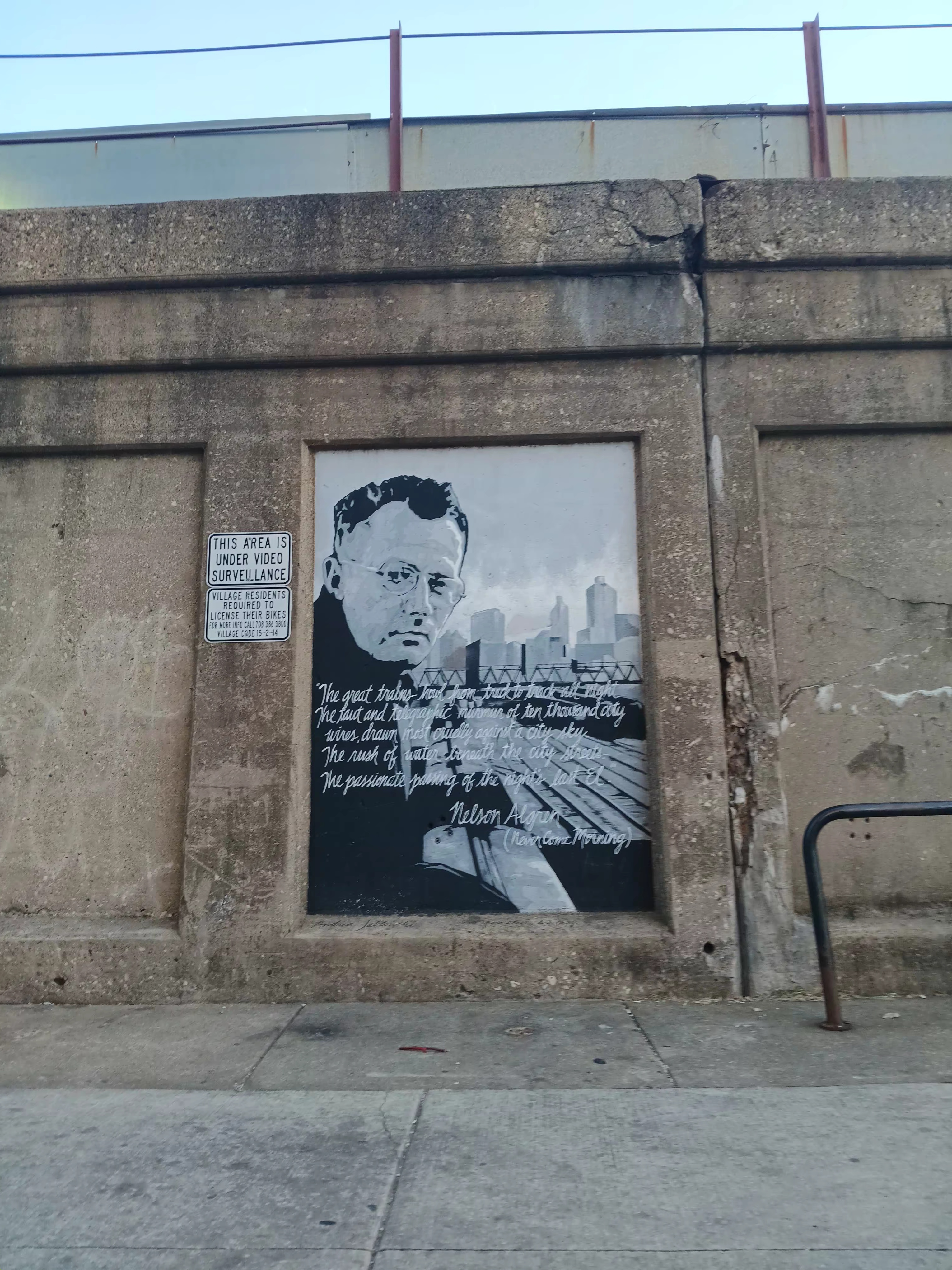
(Wonderful images provided by The Drifter)

INTRO NOTE, or Here We Go Again:

From The Drifter: The idea for this essay came as a flash of inspiration like a lightbulb going on in a tired brain, while driving around (drifting) on the West Side of Chicago during a dreary, weary day after reading Leila Allison’s enlivening poem “Tell the Pope to Buy a Telescope,” available on Saragun Springs; first date of publication Tuesday, August 26, 2025.

I.e. it was a weary, dreary day until reading the poem then being inspired by the poem to write this essay about it.

The Drifter suddenly pulled over near a vacant lot on the West Side, nodded to the old fellows smoking their bud around a trash can watering hole under a tree, then committed most of this essay to paper via a short-hand note-taking method in a language invented by none other than himself, readable by only himself, with colored pens on repurposed paper like old bills and advertising circulars.

It was like Leonardo da Vinci furiously working at his desks (he had more than one) in the middle of the night, long hair crazy-wild and fingernails long, dirty, and broken like Bob Dylan’s from digging up corpses for dissection and anatomical drawings the night before.

All that remained to do was draw it all together and translate it, somehow, into fairly readable standard English prose.

The results can be perused below; now or later or much later.

One of the first questions to ask when reading a poem (or anything) is, “What did the writer need to know in order to write this?”

Harold Bloom said that the main purpose for reading fine (and great, which is a cut above fine) imaginative literature was and is in order to augment one’s own consciousness.

Another word for “consciousness” here is PERSONALITY.

Another word/s for “augment” here is make it better.

And the answer to the question, “What did the writer need to know in order to write this?” these days is, all too often, “Nothing;” or, “Not much.”

Ralph Waldo Emerson, author of “The Shot Heard ’Round the World,” and whom Bloom called the Mind of America because of Waldo’s influence, both positive and negative, on all other subsequent American thinkers, whether they know it or not, said that a poem was “a meter-making argument.”

What Emerson meant by this (or one thing anyway) is that the “argument,” or reason-for-being, of a poem is what elevates its language, what calls for the poem to be written as a poem instead of in prose.

The “argument” here is NOT polemical, political, a run-of-the-mill opinion, or a straight-up “idea” like how to conquer the moon or invent a better way of doing something practical.

Poetry’s impracticability is another one of its essential features. If it was only about doing things it wouldn’t be poetry, or not poetry (which is thinking) at its highest levels.

Philip Larkin called the modern short poem, which is the most common form of poem now, “a single emotional spear-point.”

An emotional spear-point has to have a deep reason for being, or it can’t be itself.

PART TWO

Here are just a few of the things Irene Leila Allison needed to know in order to write her poem “Tell the Pope to Buy a Telescope,” according to this writer (The Drifter, aka Dale Williams Barrigar, MFA, PhD).

One: What it was like to be none other than Galileo.

Two: What the power dynamics were like in society during Galileo’s time. (He was born the same year as Shakespeare and lived 26 years longer than The Bard, to the age of 77, which would be more akin to 97 today.)

Three: What it is like to challenge authority with the pen (or the keyboard) in any age. (For this to happen, you need to challenge it with your mind and your life first.)

Four: What the power dynamics are like in society in any age.

Five: The subversive nature of true creativity (or creativity at its deepest levels) in any age, including Galileo’s, and our own.

Six: The price to be paid for being subversive in any age, whether it be in writing or in any mode, like any form of resistance, which is available and morally required (in different forms, depending on the person) of everybody. (Jesus himself was nothing if not a rebellious spirit, at least when it came to the goings-on in this earthly realm.)

This list could go on but the Drifter will stop with a round half dozen in order to give the reader time to think about this.

The seventh thing (7 = heaven) Leila Allison needed to know in order to write this poem was how to fit all of the above into the space of just over one hundred words.

Return to the half dozen items listed above, and then ponder knowing all that, and then ponder the magic of powerfully, clearly, and beautifully expressing all of the above in a third of the words Lincoln used for his Gettysburg Address.

Not a single syllable is wasted in Ms. Allison’s poem, much less a single word.

Words are reinvented in this poem, used so they can be understood by the reader but also torn out of their “normal” context and made new again.

Here is just one example.

Describing Galileo making his amazing discoveries that changed the entire human world while under house arrest, Ms. Allison says, “the spheres (and spears) remained.”

In five words, she’s boiled down one of the most profound humans and human projects of all time into a space that is tiny in terms of its actual size, and as gigantic as the entire universe itself in terms of its implications.

This is what true poetry is, saying so much in five words or less that entire pages, or even books, of prose could be written upon it and still not capture its essence.

And doing it all while being beautiful.

At this point, I urge any and all readers of this to seek out Ms. Allison’s poem “Tell the Pope to Buy a Telescope.”

The title sounds like it could have been come up with by James Thurber, Lewis Carroll, or Dr. Seuss (he was one of the most important American poets of all time, which is neither a joke nor an exaggeration), a sign of the light hands of the poet.

Because children, too, should be told about people like Galileo; and the intelligent child in all of us is what keeps us alive.

And after truly studying, and absorbing, this poem, you will know more about Galileo, the world, and the universe than, literally, entire book-length works about him or his times can tell you.

FIND THE POEM, AND WORK TO LET IT FIND YOU.

From the West Side of Chicago:

Signed, The Drifter…

Saragun Verse: Saving the Ghost of 1983

i

I was walking home and met the Ghost of 1983

Clove cigarettes, Orange Julius and Plug-in potpourri

It seemed a pity that it had to wander without a mall to roam

I wanted to do something nice so I brought it home

ii

The Samaritan has hit the skids in millenia number three

No good deed goes unpunished is the modern screed

But I rather like my dayglo phantasm born in cheerier climes

Before everyone got a branch from which to bleat full time

iii

So now I share my roost with the Ghost of 1983

Clove cigarettes, Orange Julius, Plug-in potpourri

If I can be good enough to open up and make a little room

Then maybe I shan’t be so alone when sealed in the tomb

The Saragun Springs Gazette Presents Booze Reevooze by Renfield

(My Imaginary Friend and second in command of the realm, Renfield, has the unique ability to wake after a bout of binge drinking without the slightest trace of a hangover. There are only two ways to avoid the hangover, stay loaded around the clock or be lucky enough to have the constitution of an Imaginary Friend. Now, alcohol still affects her in the usual short term way, which makes her as good a candidate to provide a review every Friday–Leila)

Booze Reevooze by Renfield

Hullo parched readers! Today I examine a classic no longer available on Earth but is (thank Zod) plentiful in Saragun Springs, by name, the legendary Bacardi 151.

Sadly the modern “grown-ups” cannot handle 75.5 proof inflammable rum. The modern day wussieness confounds and embarrasses awesome persons such as myself. Then again anyone who rides a child’s scooter to work while huffing on something that produces an odor similar to blackberry jam probably shouldn’t be messing with the hard stuff.

I like my 151 with Coke. As always I will voice dictate my experience as I work my way down the bottle. Now, as I pour my first drink, I can just smell flames of inebriation wanting to burst.

Mmmmmmm…talk about smooth–hoo wee. Oh yes, there’s nothing like beginning a day with a bottle on an empty stomach. Allow me to refill my glass and catch a toasty mental wave.

Sorry gang but I snuckered one without recording it. Such awesomenicity.

Three in row brings the visions! Ho Zod! You know, I was at the bar the other day, right? Just sittin there and this Horse comes up and sez “Hey baby.” I told him fuck off, but all lady like. But no, turns out he had a lisp and said “hay bale, pleeze” to the beerkeep. I went with the sorries and sprung for an alfalfalafa shooter.

Five alive, not even half an hour! New record…What was I sying–um, saying? Oh yeah on a scale of one-ten I give Ronnie B. here a, what else, 151! Zoddamnit!!!

I tell ya bout the Horse? I think I did. Big ol sum bitch. Anyway, I don’t feel like talking right now….got sum serious drink on…

Come back nest wick and learn about Missississississippi corn squeezins….

Renfield

(Second Ed. Note–This is the longest Booze Reevooze to date. The writer usually cracks the seal of the bottle, says hello and forgets about the column in about a hundred words. So she goes-LA)

From The Saragun Gazette: Dear Daisy

(Ed. Note–Today, from the Saragun Gazette, I present the most popular feature, Dear Daisy. Daisy Kloverleaf is somewhat no nonsense with her beseechers. In fact, from observation, I must conclude that every one of her missives ends with the same advice. Still, again from observation, I conclude it to be sound advice–LA)

Q: Dear Daisy,

I am sad because I am a lovelorn and lonesome lost soul. My friends tell me that there is someone for everyone, and being that I possess a wonderful personality, it might take a little more time for God to send me that perfect love match. People also tell me to turn that frown upside down, be a citizen of SaraCAN Springs and not to accept wood coins in matters of commerce.

Do you, wise Daisy, have further advice? It seems that God is taking a very long time to answer my prayer.

Yours truly, Desperate Doolie.

A: Dear Desperate

It sounds like you are bankingly banking on your “wonderful personality” to bringly bring true love. And I will wager that where looks are concerned your best feature is your “wonderful personality.” Money can erase a lot of problems here, but rich people do not send letters that arrive with postage due, so I guess we can rule that out. The good news is you will not have to sift through the shallow element but there won’t be much “Plan B” either.

Regardless, since you let the cliches of others direct your life to the pointly point you must ask a ten pound herbivore for advice, I think it is for the best that you should fail to reproduce. Consider it as givingly giving back.

Dame Daisy

(Ed. Note–I forgot to mention that Daisy is an adverb junkie. But I guess you have probably figuredly figured it out by now–LA)

Saragun Verse: Ode to Foul Waters

i

The Spring is the thing in Saragun

It creeps up from the nether-nether land

Located below the meanest sin

Where you can fry Peter without a pan

ii

It smells of charnel houses and sulfurized souls

Mouldy shoes, dollar store cologne

Lovers lies and quitters’ scorn

And the still rooms of the should ne’er been born

iii

And yet it is the best of devices

A sucking abyss for idiot crisis

And it leaves our air cleanly grown

Fresh to the lung not previously blown

iv

Yes the Spring is the thing in Saragun

It takes out the trash and dung

It’s a happy exit for the aggressively putrid

We wave bye bye to anti-Cupid

Saragun Verse: Moonfog Returns

i

Moonfog Madrone nods in the lush field

In vegetable dreams seldom revealed

Little goes against Moonfog’s serenity

Save humankind the greedy enemy

ii

Little colored flags and a for sale sign

Once entered the doze of Moonfog’s calm mind

He cast an enchantment into below

Where the little fey gods flicker and glow

iii

“Bring forth a shake to unkind human steps

Those that never feel the earth is kept

By Forces more elemental than gold

Little gods I say do as you are told!”

iv

The flags and for sale sign went away

For when humans touched the field it swayed

Some said nature, others, the will of God

Moonfog cared not, for he was on the nod

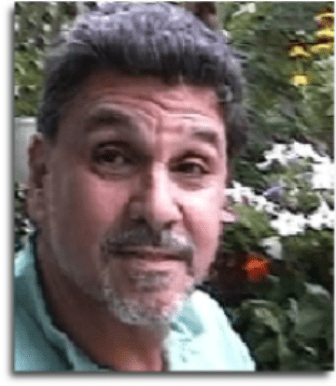
Drifter Self Portraits

(Images provided by the Drifter–Boo and Vincent)

I only show myself when the holy spirit of creation is upon me.

Or in its aftermath.

Or in the lead-up to it.

Or in some other form of extremity that embodies some sort of emotion that can be used for good in this world, if one looks hard enough, one way or another.

I have pictures of myself where I look one hundred and ten years old.

And not a healthy one hundred and ten, like Moses was when he died.

They say he was as strong and mentally acute at that age as he had been at forty. And that his sight and hearing were as strong as they’d ever been, too. But it didn’t stop him from dying.

Yes, I have pictures where I look bad old.

Beaten and broken, weary and bloated, or shriveled, wasted and worn, worn out.

I only keep these pictures for myself (for now), in the same way that Hamlet held up poor Yorick’s skull to his own (for now) living face and spoke to it.

A memory of the future, which is the definition of memento mori.

I started experimenting with drawn and photographic self-portraits in the 1980s, when I was in my teens.

I was partially glad when the Selfie came around, because it partially justified me, at least in the legend of my own mind.

Before that, even people who were otherwise on my side would sometimes make fun of me for taking “selfies” – before “selfie” was even a term, or a word.

But ever since there were cameras, there have been poets who have done this.

Walt Whitman, Philip Larkin, and Robert Johnson are only three examples.

I was raised in the Lutheran Church in Michigan; their religious art influenced me in enduring and subconscious ways that I can’t even diagnose in myself because they go so deep.

Other influences on my self-portraits include classic album covers, certain movie posters, author photos, and of course the classic self-portraits by the great classical artists.

I had a stroke at the age of 57 in the Year of Our Lord 2024.

After that point I started making self-portraits just to prove to myself that I was still alive – as alive as ever, or even more so.

I had one grandmother who remained youthful up until the very end, at 88. I had another grand who remained youthful until the age of 92 (and then her slow decline until “the end” at the age of 94).

I only make the self-portraits on my regular phone. No tricks. I’m no technologist. As in all art, spontaneity and selectivity are the keys. These, and dogged determination.

I got this phone three years ago. I’m 58 now. So I call all of these self-photos the 55 and Up Series. Almost everything else disappeared with the other phone.

I also make the pictures to taunt all my enemies, and all the people who left me in the dust when I didn’t want them to.

There were others who left me in the dust and I was okay with it: or even goaded them into doing so.

Signing off for now until next Sunday: “The Drifter.”

I Was Ten When Elvis Died By Dr. Dale Williams Barrigar

They called him fat and they called him a fool, but when he stepped behind the piano he was neither fat nor foolish.

He was Elvis, in South Dakota, in a small theater, about to sing another song, just a few weeks before he would fall to the floor in his bathroom back at Graceland and leave us for good – so suddenly.

And thereby catapult himself into the earthly realms where no one dies. Because now he’s the quintessential American, globally more famous than Abraham Lincoln, or maybe equally so.

(We say nothing of current people who may be more “famous” than either of them at the moment, because this kind of fame is only for the moment and will fade. In the annals of humanity, the good ones last longer than the bad except for the exceptions, like Hitler; and you really have to be bad to be as horribly bad as him.)

Before he sat down at the piano it was almost as if he was fat and a fool. He looked quite overweight although still more handsome than the most handsome movie star ever (because he was never really a movie star), and he was obviously high as hell on something, or rather not one something, but many somethings.

He was so high that he couldn’t talk right, not at all. He mumbled and muttered, he lost his train of thought, he shook his head to try and get it back, he laughed at himself up there on stage. He was high and jonesing for more at the same time, he was wired and wasted, he was surrounded by gigantic cups of ice and Coca Cola that he drank nonstop and to wash the pills down with (dozens or even hundreds of pills per day) (and he was fatter from the beverages than the sandwiches because eating interfered with the endless buzz of being him); he was high in the way that someone gets high who sees it almost as a duty and an obligation, certainly not a pastime or a hobby: he was so high that he was high as only ELVIS could be high: admirably high, utterly high, completely wasted, totally wired, and yet still walking around, telling the jokes, laughing at all. And about to sing another song.

And when he opened his mouth, the world suddenly knew (or only the parts of the world that live in South Dakota – for now) that Elvis was no longer a pop musician; he had left that behind him long ago. (“Don’t look back,” said Bob Dylan.)

Because now he was a CLASSICAL MUSICIAN. Now he was on the level of an opera singer, better than Pavarotti. Now he was someone who Beethoven and Mozart would hang out with. Now he had elevated his art into the highest levels of art that art can achieve, and his version of “Unchained Melody” was so good it made you want to compare it to (and I want to compare it to) the Mona Lisa or the Statue of David.

Elvis was fat and sometimes acting foolish; he was high as high gets when you can still walk around, and he couldn’t even talk right. But when he opened his mouth and began singing this one song, he truly belonged, and truly does belong, with the best of the best and the greatest of the greatest, not just in America, now, but in the world, anywhere, any time.

And then the song was over. And no one even applauded at first (before it exploded). But even the ordinary folk of the great state of South Dakota knew what had just happened.

Elvis had outdone himself. He had elevated himself, had increased his own greatness, had increased the greatness of art and the human race in the few minutes of one song.

His voice had been so powerful, so subtle, so nuanced, so loud, so ringing like a bell, so true, so lasting, so effecting, so mountainous and river-like, so sad, so tragic, so affirming, so massively grand, utterly great, and endlessly hopeful and emotionally pure and poetic that no one else who ever lived could sing that good, at least not what he did in that one song one time in South Dakota three weeks before he died.

Now they laugh at him as the fat fool a lot more than they celebrate him as the grand and great singer, the one true voice, the best of the best in the purity of American song. And that says a lot more about us than it does about him.

The rubes and the dupes and the snake oil sales folks all know who he is; but not one of them really knows who he is.

Only Elvis could have become ELVIS that way. Just as only you can become YOU in the way you need to.

Instead of laughing at him we should listen.

END NOTE: He was reading A Scientific Search for the Face of Jesus by Frank Adams when he died; the book was found not far from his body.