The Photography of Christopher J Ananias Part One

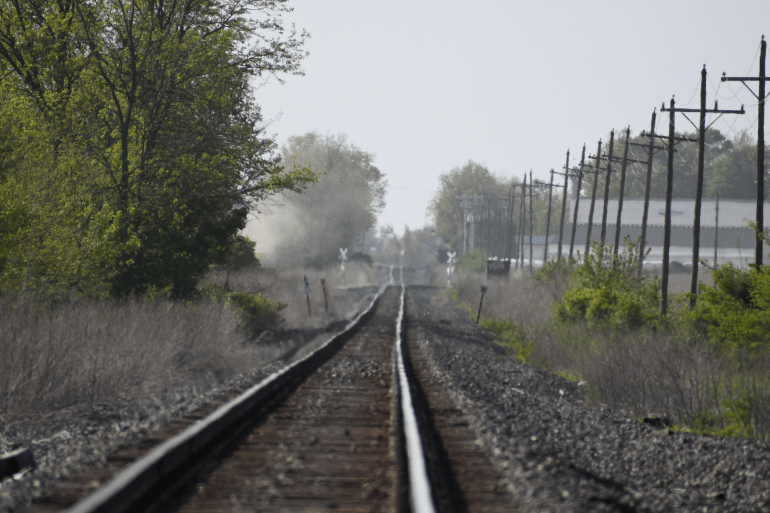
Earlier this week, Christopher published three stories on the Springs, which included his own photography. Christopher has generously provided this site with many of his pictures, which we will share five at a time, one per month, because, as the cliche goes, a picture is worth a thousand words. On some servers the pictures might touch. If I knew what to do about that you wouldn’t be reading this sentence, now would you?–LA


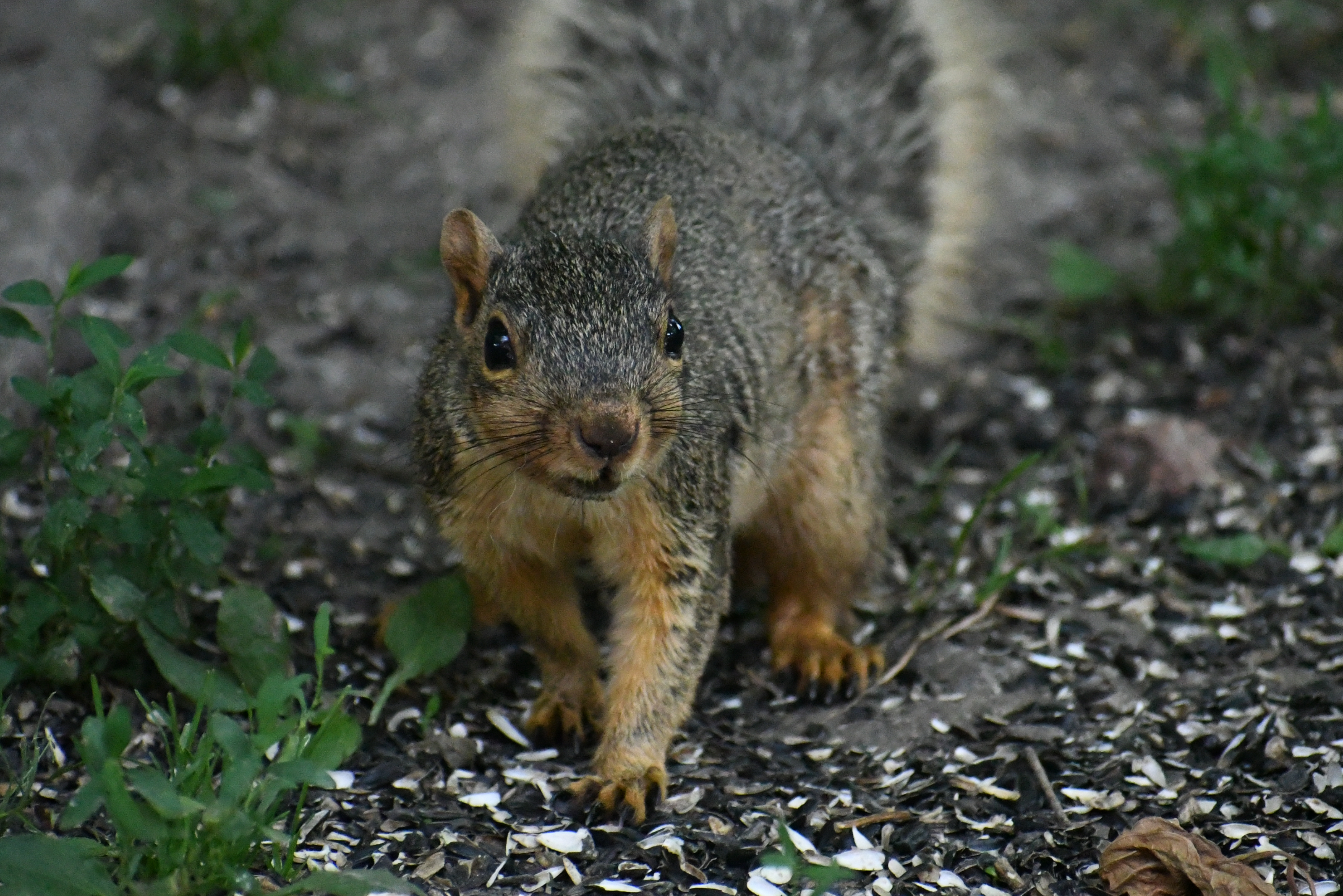
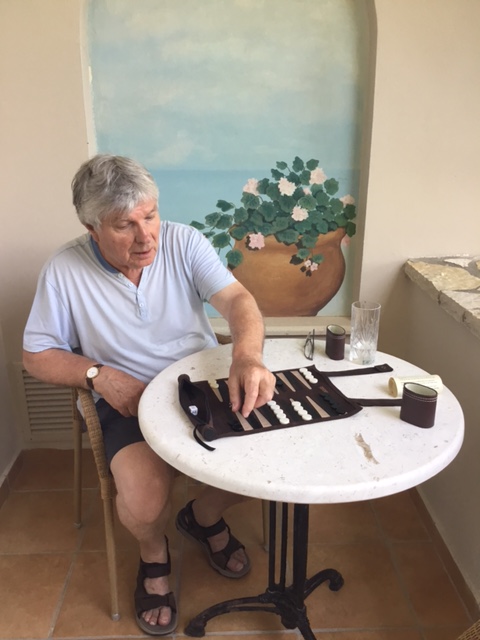
Bedpan by Christopher J. Ananias

(Wonderful image provided by the author)

Little Marco stood by his mother and they looked at the old man in the bed. Marco wished he would die already, but he refused. His grandfather gurgled and farted, reaching out with an age-spotted claw, “Grr-Grrrr.”

“Oh, geez.” His mother’s mouth went thin and white. Marco stepped back and didn’t want to be in the room, but Marco was in training.

“When the old bastard makes that noise and farts, especially when he farts. Get the bedpan and put it under his ass.” His mother grabbed the pot. She pulled down the blanket. He was naked from the waist down. Marco looked away. “Watch!” She lifted one flabby leg and bent the knee then the other, and slid the cold bedpan under his ass. The old man’s penis started twitching and rising in a bush of yellowed white pubic hair. “Just ignore his thing and make sure he doesn’t push the bedpan out and shits the bed. That’s what he wants to do. He wants to make everything as hard as he can on us.” The old man smiled showing his toothless gums and looked evilly conscious for a moment. His eyelids fluttered in pleasure over washed-out blue eyes. Dead fish eyes. Then the smell hit Marco, and he ran out of the room.

“Why do I have to do this? I don’t want to do this?” He wiped at the tears on his face. She stormed out and slammed the bedpan on the kitchen counter, splashing urine, roiling the turd.

“Dump that into the toilet.” His mother towered over him. Marco was only a small seven. He reached up and took it with unsteady hands holding the sloshing stinking metal away from him and walked toward the bathroom. When he got back. His mother was getting all painted up for a night at BIG DADDY’S. She wore her stripper clothes under a blue and white Adidas striped sweatsuit, like some kind of basketball star.

When she left, Marco got hungry and went to the kitchen and put a pan of hamburger stew on the gas stove. He turned it on, but it only clicked after he turned it on high. Gas stunk up the kitchen. Then he remembered to put it on IGNITE. Whoosh, the flame lit. Marco studied the flame and had an epiphany. He got the Red Devil barbecue grill lighter and switched off the child-proof button. He lit every curtain in the tiny house. The flames climbed quickly. He held his nose and lit the piss-stained sheet hanging under the comatose old man. His mother had smashed Oxycontin pills into his gruel of Cream of Wheat and Gerber baby carrots. Marco almost got trapped but ran out the door when the flames caught the couch, chairs, plants—everything. Whoosh! The scorching heat pushed him like a giant gas stove burner. WHOOSH!

Marco stood outside, telling the big fireman how his mother left the stove burner going and he was home alone with his beloved grandfather. He hoped Grandad was OK. His eyes were like big sad brown saucers. Now he could go live with his Dad.

#

Everything looked wonderful. All the things Marco the fledgling firebug, murderer, and traumatized boy could ever want. His mother’s prison was way down in Rockville, Indiana, so he wouldn’t see her again, which made him sad in a way that baffled him.

His dad was a big guy who wore flannel shirts like Paul Bunyan. Marco wasn’t sure about him…His father’s voice was very strong and Marco thought he might get mean like some of his mother’s guests from “BIG DADDY’S.”

He showed Marco around the house. They went to the top of the stairs. “This is your room.” It had everything. A bed that looked like Captain Hook’s ship. A night light with Micheal Jordan slamming a basketball into a hoop. He had video games and even a Daisy “Red Ryder” BB-gun sitting in the corner which fascinated him to no end. EVERYTHING.

They left the room but didn’t go downstairs. They walked down a long dark hall that smelled like medicine. His father said, “I want you to meet someone.” A terrible dread came over Marco. “Say hello to Grandma, Marco.” The voice sounded stern like Marco’s Mother’s.

Marco said in a sour voice, “Hello, Grandma.” The room smelled like the blue porta potty at the park. The old woman was smiling like she had a big toothless surprise for Marco. He saw the same faded dead fish eyes of his Grandfather’s, that didn’t see, but did. The old woman let out a long complicated and terrible smelling fart that sounded like a baby elephant, lost in the tall grass, trumpeting for its mother. The smell rose like a brown fog.

Marco’s father pulled down the sheet, and she was naked from the waist down. Her bony legs sprang wide open like she was ready for the business.

“I’ve got a little job for you Marco. Grab the bedpan.”

THE END

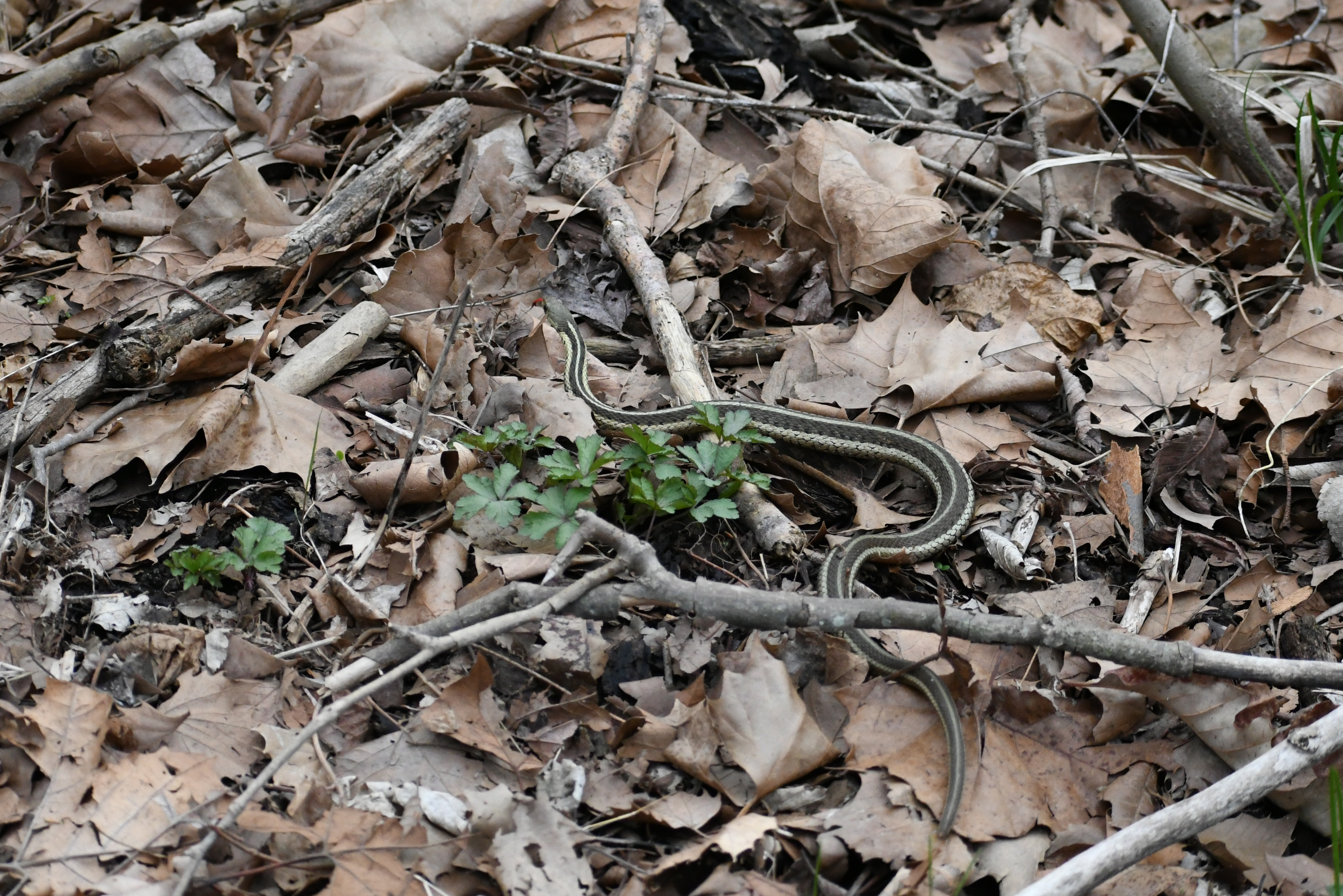
Matchboxes, a Bomb, and Bleeders by Christopher Ananias

(Image provided by Christopher Ananias, a fine fine Hawk)

The explosion happened around the time Danny and his long-haired buddy Jay Michaels turned my stingray bike into a chopper. They added aluminum tubes to the front forks. I was pretty cool, peddling the town, kicked back like Peter Fonda in “Easy Rider.” I don’t know if Dad still lived at home or not? It was so long ago.

The bomb exploded three houses up a grassy alley from our house. Sound travels in strange ways, especially in one’s memory. It bounced off the elementary school bordering Baker Street, like all the kids hung their pigtails and buzz cuts out the windows and shouted, “Boom!”

I don’t recall any sirens or groups of people with hands to their faces saying, “Oh my God!” Not even a teenager smiling, saying, “Fuck me.”

The day of the explosion was warm. I was outside, playing with Matchbox cars. Matchboxes were a big thing, bigger than marbles and jacks.

I remember in second grade whipping one of those chunks of steel at Mark on the shiny gym floor. The matchbox skipped off his hand and hit him in the mouth. I froze—all the fun—gone. He was a hemophiliac. The principal warned us to be careful around Mark. A big handlebar mustache said, “He’s a Bleeder.”

Mark grabbed his mouth, and nothing happened. Just like every other time he fell or got slammed into, everyone held their breath for the unstoppable river of blood that never came. Mark seemed unaware of his condition, hanging upside down on the monkey bars and tackling people.

The season of the explosion was during summer vacation. When Danny and his friends were building tree forts, turning bikes into choppers, and someone made a bomb.

The explosion came from the largest house of the richest people in town. This house had pointed green gables and a conical tower on one end, like some kind of Dutch architecture. Later, all grown up at ten, on my paper route, I stared at it from Jefferson Street. The stigma of death must have turned off the sunshine, because it always seemed gloomy.

There was a lot of speculation around town…

“The bomb bout rattled my windows out! I knew those boys were up to no good!” said old Mrs. Pearson. She spoke to Darrel at the Mobile gas station, beside the post office.

“Tom, did you hear how he looked?” shouted Ken from the sunny porch. Tom and Ken were best friends.

“No, did you?” Tom stood flat-footed on a yellow three-speed by the fire hydrant.

“I heard, it blew the top of his head-”

“-Be quiet about that, Kenneth!” interrupted his mother from the screen door, always catching him.

“Sorry Mom… Tom, you wanna skateboard at the bank parking lot?”

“Yeah, let’s go!”

It circulated that the richest boy in town made the bomb. Others said it was a disastrous chemistry set experiment. A chemistry set that says, 16 AND UP. I had two competing images in my mind. I thought he was a mad bomber, then a scientist in a white lab coat. The town Marshall, an old guy named Milt, who also drove a school bus, didn’t arrest anyone. Not even “Pop Bottle” Pete who lived down by the railroad tracks.

Life does what it does, and I graduated from the fifth grade to the big scary middle school on the hill. A new world populated by gargantuan eighth graders who wore leather motorcycle jackets and fucked.

On one little keynote… For a moment, in this shuffling middle school maze, I became a celebrated person. When, in gym class, a wild swing of the yellow wiffle ball bat connected, shooting the wiffle ball over the bleachers. I rounded the bases to home. The big boys cheered! Pete, the tall sandy-haired eighth grader clapped me on the back and said, “Good one you little shit.” He later became my dentist.

#

Mark was with us for a while. A gang of us drank, smoked dope, dropped acid, laughed our asses off, wrecked our parents’ cars and our motorcycles. One unfortunate upper classmate, drinking before, during, and after a warm high school football game took a header off a highway bridge doing 100 MPH—splitting his car in half. This reminded me again of the boy who accidentally blew himself up, years ago on that summer day. Death wasn’t just calling the old folks.

I never saw Mark bleed the whole time. Not even when he stuck up for me when I was drunk and he hit a guy square in the teeth. Mark was a brave dude—probably only weighed 130 pounds.

He spent time in the hospital for his hemophilia throughout school—and out of school in the 80s. “Where’s Mark?” Someone would say, answered with, “Back in the hospital.”

The rivers of blood came. I just never saw them. Sometimes the bleeding is on the inside. When I was nineteen, he started disappearing before my eyes. His Def Leppard and AC/DC shirts looked too big, like heavy metal gowns. He never said what was wrong. Mark had always been skinny, but this was something else…

The day of Mark’s funeral, I rode shotgun, in a strange bubble of isolation with my half-ass friends dressed the same way they always did. I watched the cut down cornfields clipping by, in a sort of fog, riding in Ken’s rusty blue Gran Torino. Drinking warm Budweiser and taking lackadaisical hits off the constant joint. A hand in the bag of Seyfert’s Potato Chips

Ken jumped the railroad tracks at the steep hill by the “Doll House.” Where they sold fishing equipment, bait, and big weird Dolls with human hair on their heads. My ass lifted off the seat! The car crashed like “The General Lee” in “The Dukes of Hazard.” We laughed hard like we used to, but our connections were already coming apart. I was coming apart.

We arrived late at the funeral home with beer on our breath, brushing potato chips off, and stinking of pot. People were upset with us. Mark’s best friends had a role to play.

We lined up by his casket, like deserters who came back to the battle, and walked him to his grave. Then we got back into the Torino and fucked away another day.

THE END

Christopher J. Ananias enjoys wildlife photography. He likes to walk along the railroad tracks, dodging the trains. His work has appeared in Flash Fiction Magazine, Grim and Gilded, Dead Mule of Southern Literature, Literally Stories UK and others.

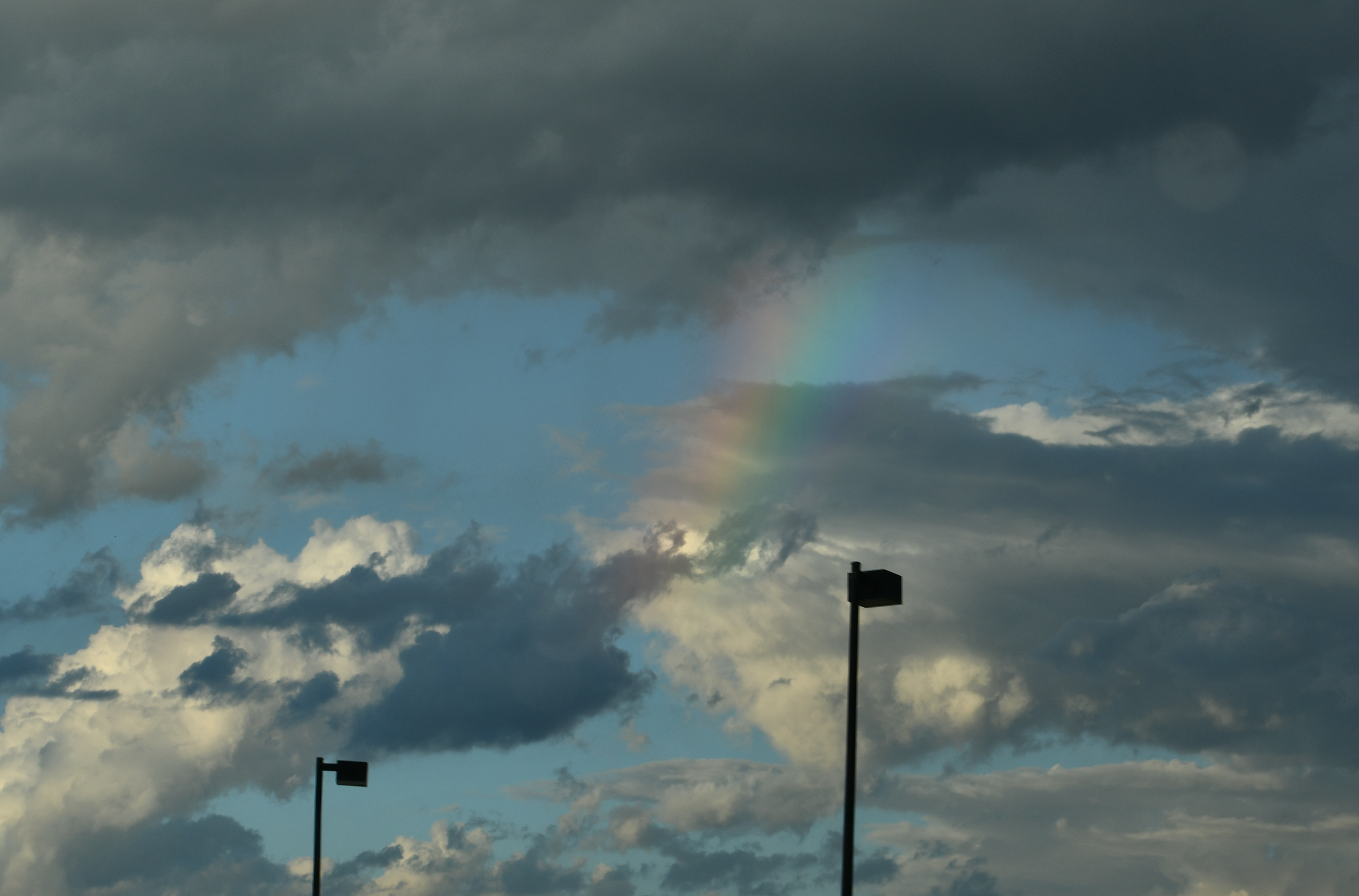
The Solemn Rules by Christopher Ananias

(Image provided by Christopher Ananias)

(Editor’s note: Today and tomorrow and Wednesday we welcome Christopher Ananias, who is a first rate writer and photographer. Christopher takes a good look at the world and returns with honest first rate prose. His biography appears at the bottom of this post.–LA)

And the words, like a kind of conjuring, brought the ladies from the sheets of rain. Like they all rode together in the same car or dark cloud. One held the door for the other three, as they hurried inside, fine heels clacking, and the door shut. Their perfume and rain drops mingled together, and it was strong and pleasant, but it made Vanda dizzy, thinking of death. A death lay before her.

Vanda stood over Randall and the other three young women gave her a moment. She wore the dark shawl of a mourner. Her companions watched and observed the silent ritual, then they chatted. The conversation became louder, and for a raucous moment, it seemed they had forgotten the solemn rules.

Vanda imagined wearing a black veil. A veil that is reserved for widows, and not young ladies who fall into traps with older married men. She touched the glossy black casket. Her long white fingers looked starkly bright in contrast. The casket felt as though it had sat in a cold basement, instead of a carpeted funeral home with a furnace huffing in its bowels.

She looked at Randall. He looked very attractive to her, and the urge came on strong, and she wanted to climb on top of him. Make necrophiliac love. A moan slipped from her. Did her shopping companions, and confidants, who even accompanied her to the funeral of her adulterous lover, hear that lustful moan? I’m way out of line, thought Vanda. What right do I have to be here? And to think these sick thoughts!

What shoes did he wear? Were they his slick brown office shoes, doubling for—forever shoes? Her fingers pulled at the lower lid and it creaked. She glimpsed his bare white toes and dropped it with a thump! The jarring acrid taste of fear turned in her stomach. What am I doing?

Vanda looked over at the window and the water streamed down in cold beads. She could see the drab cars on the street. They were in a certain order, except for one. Her flashy red sports car, which they crowded into. It looked impossibly bright, and beautiful, somewhat like her own flashing beguiles of full lips, white teeth, and shapely aerodynamic curves. And wrong. It looked too fast, drop your pants without underwear fast, too ritzy, among the subdued and stoic Nissans and Toyota Camrys.

She could feel the fear of being outed, out of decency, out of my mind, you’re out-of-order, Miss! She watched the rain bead down the window, and in the gray light, her body became as still as the corpse in the casket. Who died, in a sudden cardiac arrest, riding a stationary bicycle with a blown heart to eternity. She thought again, what am I doing here?

Vanda had lived for two years in the shallow grave of discovery. Randall claimed his wife went on sniff and fluid patrols and dug through his clothes, and scanned his phone looking for traces of the other woman. Her.

Randall, the handsome sandy-haired accountant with designer glasses had the exact answers to the balance sheet of adultery. He would stand in his underwear, his flat 41-year-old workout stomach with a hint of a six-pack on view. Vanda watched his rituals still nude from her fluffy and deeply comfortable bed. He rolled the lint remover over his office clothes. “Look Vanda, that’s a long one.” He showed her the roller. A long blond hair, matted against the sticky surface, doing two laps. “Penny would go apeshit if she found that one! She’s got her Dad’s old Walther Pistol too…”

Sometimes as they lay in the afternoon sun. His phone would chime, sending ice sickles up Vanda’s spine. WIFEY lit up in red letters on the large iPhone screen. It was an invasion of her inner sanctum. Her sanctum of them. She watched his cool fingers typing with the energy of a man that has his cake and has just got done with it too, and might have another piece.

Randall had a second phone for their relationship. A cheap burner like he was a drug dealer clocking out by the concrete blocks on South Street. The relationship revolved solely around his time schedule. Vanda knew her friends thought she was a fool, as she dialed each one after some broken plan.

The Colts game became one that got seared into her primal cortex. Vanda saw Randall and his family on TV in the stands! Randall’s arm is around his dark-shiny-haired wife, wearing a blue Colts jersey on her buxom chest. She looked strong and beautiful and Vanda was afraid of her. Afraid of her righteousness, and that gun. Randy Jr. sat basking in the light of his loving parents that was as real as her own misery. She got all of this from one little eye-popping pan of the TV camera that landed on Randall.

Randall’s little boy whom she heard about a million times, added a dark layer of guilt to this adulterous cake. Vanda felt like she was committing attempted murder against the fable of his happy family.

She looked out the window again in the foggy gloom ever so fitting for a funeral. The widow and little Randy Jr. came up the sidewalk, and Vanda slipped out a side door, where several shiny caskets waited on biers like boats for the river Styx. Her three friends got a group text. “Meet me outside.”

And the words conjured them into a downpour and into the red sports car with a cat emblem on the hood. Packed to the ceiling, with four beautiful babes, cascades of shiny wet hair, sleek young arms dripping on the door panels, and shiny shaved legs in skirts cocked up into the dash and bald knees pushed into the back of the seats. Their voices were full of exclamations and laughter like they came from the sunshine of good times instead of a rainy funeral parlor.

#

Later that evening Vanda laid on her sumptuous bed in her Randall-less boudoir, and dialed Randall’s widow, WIFEY. Unbeknownst to each other they were at that very moment each, smelling one of Randall’s dress shirts. The phone rang three times. Vanda thought, What am I doing? I don’t have any right to call her. I’m way out of line. Something rekindled inside her like the excitement of the affair.

“Hello,” WIFEY sounded perfect to Vanda. Like a strong, complete woman.

Vanda raised up, dropping the shirt on her naked waist, covered in Randall’s scent, and said, “I-I.”

“Who is this?”

“I found your dog, the uh, black Yorkie.” Vanda felt like she was reading a line from a terrible play, which she mostly forgot.

“We don’t have a dog.”

“I found little Randall’s dog. The black Yorkie. His name is…uh,” Vanda glanced around the room landing on the blank TV screen. “His name is Sanyo.”

“I told you we don’t have a dog.” Then the phone went silent. “Did you say my son’s name?”

“He’s a good little dog, Randall Junior will miss him.”

“It’s you isn’t it? The whore.”

“Sanyo wants to come home. Please let me bring him to you and Randall Junior.”

“I saw your little red sports car outside the funeral home.” Her voice rose. “How dare you? You have no boundaries. You filthy whore!”

“Sanyo loves little Randall, very-very much. Please.”

“Look I’m going to say this so you can understand. If you come near my house or Randall Junior. I will blow your fucking head off. I might anyway.” WIFEY dropped the phone and jammed Randall’s shirt into a trash sack lumped with his other clothes.

“But what about the reward?” said Vanda into the dead air. Then she masturbated.

THE END

Christopher J. Ananias enjoys wildlife photography. He likes to walk along the railroad tracks, dodging the trains. His work has appeared in Flash Fiction Magazine, Grim and Gilded, Dead Mule of Southern Literature, Literally Stories UK and others.

And Now For the Good News….by Michael Bloor

(We conclude this week’s run of tales by Michael Bloor on what happens to be his birthday. Anyone who has been reading knows why we hope to publish more of his work in the future. Happy Birthday Mick!)

Davie Millar paused in the middle of the Faery Bridge, leant on the rail and stared down at the Blackwater. Like a few other things in the town, the Faery Bridge was misnamed. When it was built, it was first called the Ferro-Concrete Bridge, but ferro-concrete had been an unfamiliar concept in the town a hundred years ago.

It was the autumn, and the total official number of UK Covid deaths (including Davie’s granny) had exceeded the Hiroshima bomb fatalities. But that wasn’t why Davie was so woeful: he was sorrowing because he was on his way to meet Big Andy McBride, the town loan shark. Big Andy was barred by the betting companies (Davie could guess why), so it was natural for Big Andy to ask Davie to put a bet on for him. Fifty quid at 25 to 1. Davie, of course, hadn’t been in a position to refuse. Big Andy’s piggy-pink eyes had narrowed slightly as he handed over the fifty quid. ‘Dinna mess wi’ me now, Davie. The last guy that did that wis left tryin’ to pick-up his broken teeth wi’ a broken arm.’

‘Nae worries, Mr McBride.’

It was Davie that was worried. Last night, he’d had just enough cash to take Melanie to the Bond film, but when she’d wanted a (ridiculously big) bag of popcorn, he’d had to break into Big Andy’s winnings. And once that terrifying Rubicon had been crossed, it had seemed a minor matter to blow quite a lot more of Big Andy’s winnings on a couple of rounds of drinks at the King of Prussia and a taxi home. Considering the risk that the events of last night were now posing to Davie’s life and limb, Melanie had proved disappointingly lukewarm. He had to face up to the likelihood that, compared to Seb, the lead guitarist in the regular band at the Abercrombie Hotel, Davie was running a poor second in Melanie’s affections..

Watching a couple of ducks fossicking about in the Blackwater shallows, half a dozen lame excuses of the dog-ate-my-homework variety ran through Davie’s head. He sighed, turned away from the rail and headed across the bridge towards the old mill. His granny had worked at the mill til it closed, like some much else, in the 1980s. Now the building had been converted into bijou flats. The closure and conversion had happened before he was born and he suddenly realised that he had no idea what the mill had produced before it produced Edinburgh commuters. All he could recall being told was that it used to produce a lot of dust, which had eventually killed his grandad. The recollection didn’t improve his mood.

His pace slowed as he headed up the hill to the council houses. He was surprised to see an ambulance parked beside Big Andy’s BMW. He stopped fifty yards away and watched as two ambulance men manoeuvred a stretcher into the back of their vehicle. Davie turned to a nearby neighbour: ‘Is that Big Andy on the stretcher?’

‘Aye, Covid. Serve the bugger right: never wears a bloody mask in the Co-op.’

As the ambulance lights dwindled in the distance, Davie turned back towards the Blackwater. By the time he’d returned to the Faery Bridge, he’d realised that the remainder of Big Andy’s winnings would be more than enough to buy that elderly Alfa Romeo saloon on the forecourt at Macrae’s Car Sales (the unique noise from the Alfa Romeo engine block was one of the sweetest sounds on Earth). Apparently, when Seb The Guitarist needed a car, he had to borrow his mummy’s Ford Fiesta.

And he could maybe make a few quid delivering for the Chinese take-away. The two ducks were now battling gamely upstream.

Biography:

Michael Bloor lives in Dunblane, Scotland, where he has discovered the exhilaration of short fiction, with more than a hundred pieces published in Literally Stories, Everyday Fiction, The Copperfield Review, Litro Online, Firewords, The Drabble, The Cabinet of Heed, Moonpark Review and elsewhere (see https://michaelbloor.com).

The Unsung Freedom Fighter by Michael Bloor

It was a shock when old Andy Baranov died. Sudden deaths are always a shock: it was a car crash – brake failure on the steep, winding descent of the Braeport, near his house in Dunblane. As well as a good neighbour, he was my favourite opponent at the chess club. Although over-the-board chatter is frowned upon, the club is a friendly place and we had become firm friends, continuing to play at each other’s houses during the summer months, when the chess club was closed. Naturally, I went to his funeral at the crematorium.

Gordon, the chess club president, was also at the crematorium; we sat together. Gordon was surprised that the service wasn’t at the Orthodox Church. I explained that, although Andy was the grandson of Russian refugees from the Bolshevik Revolution, the family weren’t members of the Orthodox Church. They had fled the revolution because they were social democrats, opponents of both the bolsheviks and the church-and-state czarist regime…

Gordon muttered, ‘OK, gimme the history lesson later.’

The service was pretty grim. Afterwards, Gordon and I felt obliged to accept the family’s invitation to the Drummond Arms for afternoon tea. I have a weak bladder (age-related) and was fiddling with my half-empty tea cup, wondering when I could decently leave, when Andy’s daughter, Sophie, came up to have a word. Gordon and I were giving her our condolences, but she cut us short. Addressing me, she said, ‘It’s Frank, isn’t it? I was hoping to catch you here, I have to travel back to London tonight. Dad wanted you to have this…’

She fished a book out of her capacious shoulder bag, handed it over, and moved on. The book was Harry Golombek’s account of the World Chess Championship, between V. Smyslov and M. M. Botvinnik held in Moscow in 1957*. Gordon and I stared at the book, rather underwhelmed. A hardback, with its original, but torn, paper cover. I turned a page or two: Andy hadn’t written anything on the inside of the front cover. The book recorded all those 1957 world championship games in the old descriptive notation. A simpler algebraic notation had been universally adopted in 1981: for example, a pawn move to the fourth square on the king file changed from ‘P-K4’ to the simpler ‘e4.’ Only a few old-timers like me were still familiar with the old notation. So the book had little intrinsic interest or value. Gordon shrugged and muttered, ‘Well, at least it’s a memento of Andy.’ I nodded, slipped the book in my jacket pocket and asked Gordon if he thought we might leave.

When I got home, I changed out of my suit because I was planning to go down to the allotments and and sow some peas. As I was hanging up my suit in the wardrobe, the jacket slipped off the hanger and fell on the floor. When I picked it up, Andy’s book (already forgotten) fell out of the pocket and landed, spread open, on the bedroom floor. I picked it up and noticed what I perhaps should have noticed before, namely that a folded piece of paper had been sellotaped to the inside of the spilled paper cover. I separated the folded paper from the cover and spread it out. It read as follows:

Dear Frank,

I write this in haste. If you receive this book from my daughter, it will be because I have died suddenly, possibly violently.

I know you are a supporter of Russian freedom (even though you are a misguided follower of Kropotkin, rather than Kerensky). I have left a memory stick, hidden in an old spectacle case, at the back of the chess club cupboard at the kirk hall. Please take the memory stick and catch the 10.10 to Glasgow from Dunblane on May 1st. Board the second carriage at the door nearest the engine and take the second seat on the left. Push the memory stick into the seat upholstery. Leave the train at Stirling. A friend will recover the stick and pass it on to those who can make most use of it. Please do this in the cause of Russian freedom and as a token of our long friendship.

With every good wish,

Andrei Baranov

Shit!

I was shivering, and not just because I was in my socks and underpants. ‘… a supporter of Russian freedom… a misguided follower of Kropotkin’?? As an undergraduate botany student sixty years ago, I’d read Kropotkin’s book, ‘Mutual Aid,’ a Pelican paperback, a scholarly corrective to the popular view of Darwinist evolutionary theory: Kroptokin had pointed out that evolution was not just a competitive struggle of all against all, there were plenty of examples of the importance for survival of co-operation both within and between species. I’d enthused about the book to Andy one night in the pub, after the club had closed. And I’d then been surprised when Andy told me that Kropotkin had been an anarchist revolutionary who’d escaped from the Fortress of St Peter and St Paul in Czarist St Petersburg, and had written ‘Mutual Aid’ in exile in a London suburb.

I didn’t think that having read Kroptkin’s book made me an anarchist. Similarly, I wasn’t a fan of President Putin (who is?), but to describe me as a devotee of Russian freedom was quite a stretch.

Why me, Andy? Why the hell pick on me?? OK, Andy and I were the only key-holders to the chess club cupboard. But as a 75 year-old retired botany lecturer, I was hardly a match for the Russian security services.

I struggled to think clearly. I poured out and drank the last of the bottle of Highland Park, left over from my birthday. Then I realised I was still in my underpants and put some more clothes on. May 1st was tomorrow. Logically, the first thing to do was to find the memory stick. When I stepped out the front door, I couldn’t help looking cautiously up and down the street. As I walked off to the kirk hall, a builder’s van suddenly pulled away from no.22. I spun around like a whirling dervish, but it simply drove past me, down to the Perth road. Truth to tell, I then went back home to change clothes, as I’d wet myself.

Pulling on another pair of jeans, I wondered if I shouldn’t try and pass this whole thing over to Andy’s daughter, Sophie. But she would be already on the train back to London, I didn’t have any contact details for her, and I knew from chats with Andy that his only child didn’t share his interest in family history and politics. The obvious people to deal with this were the British security services (not that popular opinion viewed them as a match for the Russian security services), but I imagined I could only contact them via the local police. And I knew I’d have a better case once I’d found the memory stick. I set out again for the kirk hall.

I got there just after five o’clock. The door was locked. I pressed the bell – no response. I pressed the bell again, for several seconds. A large, elderly lady appeared and wanted to know my business. I explained I needed to retrieve something from the chess club cupboard. As I said it, I could see that I ought to have dreamed up a story which implied an urgent and important errand. Did I mean the cupboard in the large meeting room? Yes, I did. The Kirk Presbytery were currently meeting in there to discuss the accounts: I would need to come back later. This was said in a tone that brooked no dissent. I went round the corner for a pint in The King of Prussia.

Fortified by the pint, another whisky, and a plausible cover story, I returned to the kirk hall half an hour later. I rang the bell and I rang it again. Then I realised there were no lights on. Damn it, of course, they’d all gone home. Befuddled, I stood for a minute outside the kirk hall.

A helmeted and black-leathered motor-cyclist rode slowly down the street, stopped and parked the bike twenty yards away, and started fiddling with some straps. I panicked and walked quickly away. I thought about heading for the police station, despite lacking the memory stick. But home was nearer. And in my panicky, befuddled state, home seemed safer.

Jeez, what a pig’s breakfast I was making of everything. I set the alarm, though I was sure I wouldn’t sleep a wink. But of course, as an exhausted 75 year-old, I slept like a baby til I woke up bursting for a pee, had a pee, and then slept like a baby again.

I was at the kirk hall at eight o’clock the next morning – I thought there might be a cleaner there. But the door wasn’t unlocked til just after nine, by the beadle. I explained I needed something from the chess club cupboard. He followed me to the meeting room, but seemed satisfied once I produced my key to the cupboard. There was a lot of stuff in there – chess sets, chess boards, chess clocks, score sheets, old minute books, old photos – but I found the spectacle case eventually. I put everything back, locked up, shouted my thanks to the beadle, and headed for the station.

Dunblane is a terminus for Glasgow commuter services. So the 10.10 train was empty when it drew up at the platform. I was the first person into the second carriage and bagged the second seat on the left. Four other people entered the carriage and I found myself scrutinising them as they entered and walked past me. I discounted a mother with a toddler, and an elderly lady with a walking stick, but I fancied that a powerfully built middle-aged man with a shaved head gave me an apprising look as he walked past. I was uncomfortable that he was sitting behind me, where I couldn’t see him, but I didn’t dare quit the designated seat.

As the train drew out of the station, I laid my raincoat beside me and, under the cover of the coat, pushed the memory stick into the gap in the upholstery. The ticket-collector arrived; he didn’t even look at me or my raincoat, just at my ticket. Then I got a shock: I’d completely forgotten the train stopped at Bridge of Allan before it got to Stirling. Several girl students came into the carriage and one of them came and sat opposite me. I felt sick, my mouth was dry and I couldn’t swallow.

She ignored me and sat swiping her phone.

The train pulled into Stirling station, where there were a score or more passengers waiting to board. I got up, picked up my raincoat, and noted that the memory stick was invisible, nestled in the gap in the upholstery. The shaved-headed guy also got off the train. I didn’t linger at the station for a return train to Dunblane, I headed straight for the taxi rank – an extravagance, but I would’ve given half my pension pot for a quick getaway. To my shame, halfway home, I had to ask the taxi driver to stop so that I could pee into a hedge.

A year’s gone by. I haven’t been on a bloody train since.

*H. Golombek, ‘World Chess Championship 1957,’ London: Macgibbon & Kee, 1957.

Biography:

Michael Bloor lives in Dunblane, Scotland, where he has discovered the exhilaration of short fiction, with more than a hundred pieces published in Literally Stories, Everyday Fiction, The Copperfield Review, Litro Online, Firewords, The Drabble, The Cabinet of Heed, Moonpark Review and elsewhere (see https://michaelbloor.com).

The Second Letter by Michael Bloor

Charlie Robertson had spent his entire working life on the Kilblane estate. When he’d retired as head gamekeeper back in 2015, Sir Ewan had presented him with a silver watch and made a rambling but heart-felt speech about Andy’s knowledge of, and love for, the wild places. So it had been a shock after Sir Ewan died, when Charlie got a letter from the new estate factor, telling him that he’d have to quit his cottage. The estate was putting the cottage up for sale: someone from Edinburgh or London would likely buy it as a holiday home.

Charlie mentioned it to Willie Forbes, the postie, when Charlie asked Willie into the cottage to stand on a chair and change a light bulb for him. And then Willie mentioned it to the minister in the village. The minister was a nervous young man who’d previously served in the Castlemilk housing scheme in Glasgow: he explained to Willie that, once Charlie had actually been evicted, he’d then qualify for a council flat. The minister and Willie both knew what Charlie’s life would be like in a council flat in the town; Willie reckoned he’d be ‘like an auld lion in a circus.’ They agreed it was a bad business: Charlie would be much better off staying with a member of his family, but he’d never married and had no close relatives.

And that was how matters stood, on a warm spring day, when Charlie took a stroll up the glen, to see the primroses in full yellow bloom beside the burn as it tumbles and splatters over the boulders. Buoyed in spirit, on his return to the cottage he decided to open yet another official-looking letter that Willie had delivered two days previously. It was from a London solicitor and its contents took Charlie back fifty-odd years…

#

As the estate’s under-keeper back then, young Charlie had been despatched to look for the ponies that would be needed for the next day’s shoot. The head keeper had predicted (wrongly) that they would’ve taken shelter in Glen Ducheron (aka Gleann an Dubh Choirein, the Glen of the Black Corries). Charlie had wasted the whole afternoon walking the length of the glen without seeing so much as a hoof print. It was dusk as he returned to the mouth of the glen, and the track back to the shooting lodge. That was when he heard frantic shouting, but could see no-one. Then he spotted an arm waving above the dead bracken on the bankside of the Ducheron Burn. It was a woman, unable to stand: she had smashed her left knee when she’d slipped on a rock, trying to cross the burn. She was wet through and shivering.

Charlie took off his coat, wrapped it round her, and told her he’d hurry off to the lodge where there was a phone. She begged him not to leave her. Was it the hours of loneliness she’d already endured, the throbbing pain, or the sinister bellowing of the rutting stags that had drummed through the glen all afternoon? Maybe all three: at any rate, she was insistent and Charlie complied.

A few yards away downstream was a mature spruce plantation; Charlie quickly gathered two branches for a leg splint and a stouter branch for a crutch. In the early evening dark, huddled together for support, they set out on the two-mile walk to the lodge. The path, at first, was uphill, but at least it wasn’t uneven or stepped. Charlie’s auntie was the local midwife and so he knew about the soothing importance of distracting questions and chatter. He learned that her name was Millie and that she was a postgraduate archaeology student.

They paused for a breather. ‘And what were ye doin’, out on the estate in the middle o’ November?’

‘Well, there was once a Roman camp down at Callander…’

‘Ah, ye were lookin’ for the Roman ford?’

Surprised out of her pain and exhaustion, she looked up at him. ‘Yes, that’s right! How..?’

‘Well, yer no’ the first tae come lookin’. Robbie, the head gamekeeper, told me that a couple o’ Edinburgh professors were here afore the war, lookin’. The Romans made a cuttin’ in that steep bank beside the burn and lined the cuttin’ wi’ stanes. There’s a lot o’ history in these glens, if ye ken where tae look.’

The moon was now up and he saw her smile and give a vigorous triple nod. They set off again.

When they reached the lodge, the housekeeper phoned for an ambulance, put them in front of the kitchen range and fed them warm milk and oatcakes with loganberry jam. Away from the moonlight, Charlie could see that Millie’s eyes were brown.

A few days later, he received a letter from Millie (sent care of Mrs Laing, the housekeeper), with her repeated thanks and apologies, plus two pounds to pay for dry-cleaning Charlie’s coat. He kept her letter and wrote a letter in return, but got no further reply.

#

And, as Willie the postie told his audience in the public bar of The Drummond Arms Hotel, that was that.

[dramatic pause]

Until Charlie got the letter from the solicitor telling him that the Archaeology Professor had died and left Charlie her wee house in London, which the solicitor had valued at in excess of nine hundred thousand pounds.

So, that was why Charlie was buying his cottage off the estate. Willie had got a lot of quiet enjoyment out of telling the story to the new factor’s wife, when he’d delivered a parcel to the factor’s house that morning.

Biography:

Michael Bloor lives in Dunblane, Scotland, where he has discovered the exhilaration of short fiction, with more than a hundred pieces published in Literally Stories, Everyday Fiction, The Copperfield Review, Litro Online, Firewords, The Drabble, The Cabinet of Heed, Moonpark Review and elsewhere (see https://michaelbloor.com).

The Forensic Psychiatrist’s Tale by Michael Bloor

Bob Duncan, like a lot of ex-policemen, is of a philosophical turn-of-mind. He reckons that the Inverallan Allotments are a bit like the army in the days of the old National Service, where all sorts of people had to learn to mix in together. Misunderstandings might occur across the class barriers, disputes might flare up from time to time, but we all learn to jog along together in the common struggle against Mother Nature and the bloody weather. He was enlarging on this to Willie Brown and myself as we all took shelter from a sudden, vicious shower in the old allotment summerhouse.

Willie laughed: ‘All sorts, Bob? Well, I havena’ seen that Beyoncé on a plot yet. Nor the Duke o’ Buccleuch… Unless he’s that new fella in the blue floppy hat that’s got old Ellen’s plot, over beside the railway.’

‘Talk of the Devil,’ I nodded towards a man in a blue floppy hat hurrying through the downpour to the summerhouse.

He shook himself and gasped out a greeting as he came in the door. I shifted an old seed catalogue off the bench to make way for him. He introduced himself as Andrew MacSorley – a large man with a florid complexion. To be sociable, I asked him how long he’d been on the waiting list before he’d got a plot.

‘Two and a half years. I’m pleased with the plot, though. Especially the fruit bushes.’ He spoke with the long drawn-out vowels of the Scottish boarding schools. ‘And I was lucky, because I got the plot in October, just a month before I retired.’ This struck a chord and we all then spent a few minutes in a collective hymn of praise to Retirement. Then Willie asked him what he’s done before he’d retired. He replied that he’d been a forensic psychiatrist.

There was a moment of stunned silence and then I, rather lamely, said: ‘Wow. Interesting job!’

He stretched out his legs from the bench: ‘Terrible job. Before you ask me why, I’ll tell you. I’ll tell you what was the final straw…

‘You’ll maybe know that an important part of a forensic psychiatrist’s job is that of assessing for the courts whether or not arrested persons are fit to plead. Well, this case I’m going to tell you about wasn’t all that untypical, but it was just one case too many as far as I was concerned.

‘He was a lad in his late teens. He’d gone into the toilets in the square in Crieff, the ones where you pay the attendant 30p. When he went into the Gents, the attendant noticed that he had a chisel sticking out of his back pocket. Well, there’d been a rash of graffiti and minor vandalism in the toilets, and the attendant got suspicious when this lad was a while in the cubicle and not coming out. There were a couple of cops on foot patrol in the square, so she called ‘em over to investigate.

‘Apparently, he took a bit of coaxing to get out of the cubicle and when he came out he still had the chisel. Now, there was no damage to the cubicle, but when the cops asked him what he was doing with the chisel, he said it was to protect himself from man-eating spiders. If he’d said he was an apprentice cabinet-maker – no problem. But to ward off man-eating spiders?? So…

‘They booked him – possession of an offensive weapon. When I saw him he’d already been in the jail for a fortnight, on remand. Was he in a good state of health? Emphatically, he was not. In his terms, he was caught in a giant spider’s web.’*

He paused. ‘Ah, the rain’s almost off, I see. Nice to meet you lads!’

Bob and Willie and I watched him go. Thoughts of jogging along with his fellow-allotmenteers seemingly suspended, Bob turned to me: ‘So whit wiz the polis supposed tae dae? Help the lad fight off they man-eating spiders?? Forbye, that’s nae the reason he’s nae longer working. Ma niece cleans his flat: he wis suspended cos he turned up fo’ work pished…’

*I heard the radical psychiatrist, R.D. Laing, tell the story about the man-eating spiders at a meeting in Cambridge in 1968. It’s stayed with me me ever since.

Biography:

Michael Bloor lives in Dunblane, Scotland, where he has discovered the exhilaration of short fiction, with more than a hundred pieces published in Literally Stories, Everyday Fiction, The Copperfield Review, Litro Online, Firewords, The Drabble, The Cabinet of Heed, Moonpark Review and elsewhere (see https://michaelbloor.com).

The Crossed Star of Bethlehem: Chapter Eight: a whistle for the goatfooted balloonman

Chapter eight

Today, quicksilver March clouds hug Torqwamni Hill in a multilayered embrace composed of soft kisses and the murmured promise of a twisted-shank thrust below the sternum and into the heart. Both may be interpreted as acts of affection. And it is Tennyson who claims that spring is when young men think of love; yet nothing the Lord says expands well on what the young ladies make of the situation. Perhaps this is because it is less poetic, and concerns what passes from mothers to daughters on the subjects of cows and the price of milk.

Continue reading

The Crossed Star of Bethlehem, Chapter Seven: The Inescapable Touch of Sunset

Chapter Seven

The atavistic avatar dropped from space:

“I did it only to see the look on our face.”

1

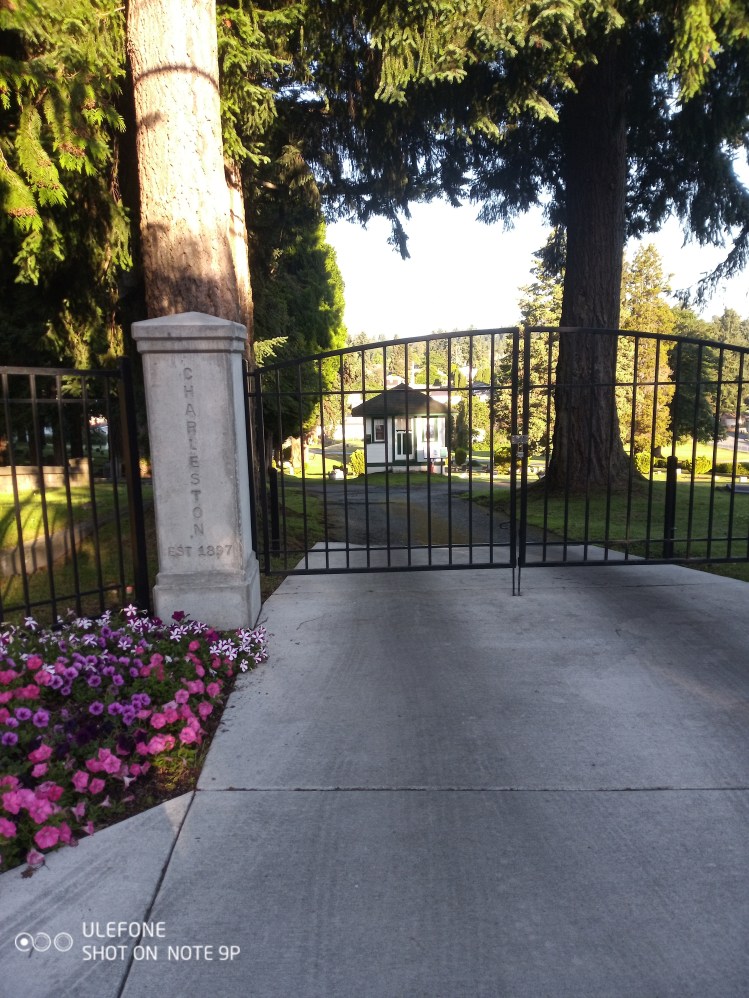
On his way across the short overpass that unofficially connects Corson Street to Torqwamni Hill, Holly glances down at a small house below. It’s an ugly little fist-like rental that had gone up during the Second World War—as had countless others of its kind in Charleston. Like the caw of a crow or a bit of dandelion fluff getting stuck to your cheek, this house exists only in the moment you share with it. Yet nearly thirty years gone by, the same house had once unclenched and gave Holly a touch of honesty; thus it had it had earned in his mind its own small history.

Although subsequent tenants never draw the sun-yellowed Venetian blind that covers the house’s only large window, Holly knows that the living-room lies behind it. And he recalls a long gone summer night when, half drunk, he had crossed the overpass and saw three obese people (two women, one man) watching TV. All three were sitting in worn-out easy chairs too small for their rotund shapes, and each one had an immense Corning ware bowl of popcorn balanced on his and her lap. There had also been an equally portly little Chihuahua-mix that made successful rounds from bowl to bowl. It was obvious from the strong family resemblance that the oldest woman was the mother and that the other two were brother and sister. All had that flickering dimness of eye-light you see in the faces of people whose intellects hover between that of the “slow” and the mentally disabled (or “retarded,” which, as a proper pronoun, has gone the way of “Negro.”).

Even though Holly had been well-oiled by Happy Hour schooners sucked down at one of the nearby local shitholes, something poignant and everlasting accompanied him from there on. Although these were the type of people he’d lay silent scorn upon while watching them power-waddle toward the bus, this catching a glimpse of how it goes behind their veil had caused him pain. There was nothing sentimental or phony about what he had felt; yet every attempt at putting words to it failed to recreate the emotion. In time he realized that you cannot effectively describe an emotion until the emotion has ceased. It’s a good life lesson; invaluable to a poet.

Holly stops on the sidewalk, re-adjusts his heavy backpack and gazes into the west. Although the pewter clouds are thick and look pregnant with snow, the timer he always carries in his pocket has alerted him to the coming sunset. He always observes sunset even when it’s not visible. Down on Corson Street, the steady hum of Christmas Eve traffic speaks of a world in which the relative motion of the sun is irrelevant. An endless stream of headlights form halos in the frigid gloaming. Gloaming, now there’s a chestnut for you, Holly thinks. Yet within his insolence he knows that all things have souls in spite of their own indifference. This too is a good life lesson; it makes a poetry matter. He turns and moves east. Onward to Bethlehem.

2

Bethlehem Shelby hates Christmas. When the topic comes up, normally well-spoke Beth (who only curses here and there for a little spice) instantly falls into a coarse verbal assault on the subject; for her it is “Fucking-Christmas,” and she is seldom heard to refer to it as anything else—save for “Freaking-, Frigging- or Effing-Christmas” on the rare occasion when the sensitive type is present. No, no one hates Christmas more than Beth; and that goes for you and you and you and the Grinch and Scrooge, as well.

Christmas also happens to be Beth’s birthday. This year she turns fifty-eight. Although she is candid about her age throughout the year, and is not considered particularly vain by those few who know her, she refers to this circumstance as “That Goddam-Fucking-Christmas-Birthday.” Here, no euphemisms are substituted for the profanities; and if you happen to be the sensitive type, well, that’s just how it goes.

Although crass commercialization and the way goddam “Black Friday” won’t stop getting bigger until it is held on December, 26th annoy the holy hell out of Beth, it’s the memory of her widowed, working-class mother, Harry, skipping lunches and in all ways scrimping on herself from September on to make sure Beth got presents under the tree and something “special” for her birthday that had begun this hate. She also remembers crying into her pillow for only God knows for how long when, at thirteen, she had been informed of this situation by Harry’s best friend Fran, after Beth had launched into Harry the way thirteen-year-old girls will do—even those who have an IQ of 160 and are already working on their Masters in Mathematics. Although Beth is considered a decent human being, the only two things she hates more than Christmas are crying and feeling guilty. And not at all helping matters is the way her Holly knows about this serious business, yet continues to find her attitude toward the holidays as funny as the actions of that fierce and murderous little bunny in Python’s Search for the Holy Grail. Never a year passes without this little joke going up like a fucking-Christmas stocking.

Currently more peeved with Holly for again being late for their trip to the hospice than she is with the Season, Beth stands at the window and gazes out. The sun has just gone down and she knows that Holly is observing the event as though he were a goddam Inca priest. The silver sky has taken on a pinkish hue, which is indicative of snow. Beth lights a cigarette. Snow for fucking-Christmas, she thinks. Doesn’t God know He’s dead?

3

There are few clocks and calendars to be found in the rooms at the Catholic Hospice of Charleston. Nor is there a division of day and night that isn’t controlled by a switch. This matters little to the residents, for the mindless exist in a state of absolute now that requires no measurement, and the thinking dead live almost entirely in the past.

Fran is as exceptionally strong as a hospice patient can get. She is also a favorite of the nuns and the staff because she had once been an ER nurse who had later worked in geriatrics. She still thinks and speaks coherently and has yet to degrade to the point where soiling the bed doesn’t bother her. Of all the things she has lost or is losing the ability to do, Fran has steadfastly held onto using the toilet. Every time this goes her way, she prays extra hard for death to come, as to let her go out with this much dignity intact.

Fran should be dead by now. She has outlasted her original “expiration date” by two years since her original cancer diagnosis, yet nothing about this survival has had anything to do with advances in medicine. God’s will, she thinks without irony. She had insisted on leaving Beth’s house for the hospice on the Monday after Thanksgiving; she had figured that it would “be a short drive to Heaven from there”; but nearly a month has gone by, in which time Fran has heard the bell toll in the courtyard seven times. Donne was right: you must hear the chimes as your own, as others must accept yours as theirs.

A lifelong, progressive Catholic, Fran often sends God ironic prayers, but no matter what horrors befall her and the world, she has kept her faith as diligently as she has held her toilet. Perhaps a bit slack with the Sunday attendance during baseball season, Fran has never missed Christmas Mass, and this year has been no different. Although it is only Christmas Eve, time is a precious commodity at the hospice. Mass is held in the chapel on the hour every hour, and will be through tomorrow. It’s brought to the beds of those too fragile to be moved.

There are few private rooms that have windows in the hospice. But, in life (and, yes, in death and the church), if you’ve got the money you can die in a private room that has a window. Fran is seated in the expensive rocking chair that wealthy Beth (who had also “bought” the room) had given her as an early Christmas present (nearly all Christmas presents are of the “early” variety at the hospice). She is fully dressed and is wearing shoes for what she knows will be the last time in her life. She doesn’t want Bethlehem or Holly to find her lying in bed when they come by tonight, even though she’d very much would like to lie down. She looks out the window, which faces west. She spies a snow flurry spiraling down from the aluminum sky in the weak light of the winter sunset. Snow for Christmas.

4

Christmas 1958

Behold Harriet Shelby lying in her hospital bed. Harry’s a big-eyed pretty little thing who looks remarkably fresh for someone who had given birth to a daughter just two hours ago. She’s gazing out the window as the first flakes of snow drift down from the oddly back-lit salmon-colored sky. Snow for Christmas, she thinks. God lives.

Harry loves Christmas and snow, and this time both are a thousand times better than ever because she is seeing things through the recently discovered filter of morphine. At twenty, Harry has never had anything stronger than an aspirin. Just a little splash in a needle changes things so.

An equally young, extremely tall and wholesome young woman wearing a candy striper uniform appears in the doorway. She is carrying an almost comically large black purse, and she makes a great show of looking left, right, down and up before entering the room.

“Jesus H.,” Harry says. “Who the hell are you looking for, Frances—Santa?”

“You know goddam well who,” Fran says on her way over to the bed. “If Bull Nurse catches me giving you this stuff, I’ll be on bedpan duty till Valentine’s Day.”

“I didn’t know that nurses and stripers did that sort of thing,” Harry says with a highly affected shudder as she snatches her purse from Fran.

“Who do you think does it, Harriet, the Bed Pan Fairy?”

“Why yes,” Harry says, “I do think that—Oh, did you see Dan and the horde on their way out?”

“Hardly anyone else in this part of the joint—you’re the only mother in the entire ward,” Fran replies. “Your folks look elated, Dan seems sort of dazed…I suppose it won’t matter if I tell you there’s no smoking in bed?”

“Nope,” Harry says as she fetches her Winstons and a box of Red Devil matches out of her purse. Fran pulls the ashtray out of the bottom drawer of the nightstand. Harry brings a match off the stand’s top and takes a heavy drag off her cigarette. Fran suddenly breaks out a first magnitude smile.

“What’s the gag, Frannie?”

“Oh nothing,” Fran says as she motions Harry to lean forward. Fran sits down on the bed behind her closest friend and she begins to weave Harry’s long dark hair into a French braid. “I was just thinking about you having to change loaded diapers for the next eighteen months or so. It makes me feel good inside to think that Harry, real good—Holy shit! When did it start snowing?”

“Just now,” Harry says. “I really oughtn’t be giving you this,” she adds as she fishes a small gift-wrapped box from out of her purse. “Not with that wisecrack and all this volunteering at the hospital and reading to old people and all the other selfless Christly stuff you do. You make me look real bad, Saint Frances, when you do that sort of thing. We both know I was selfish, but really, was there a reason to put it out there in neon?”

Fran opens the package. It’s a charm bracelet. Somewhere deep inside, Fran knew that this was coming. Upon the passing of their mutual friend, Elsbeth Allison, that spring, only days after Harry’s death, Ellie’s granddaughter had told the tale of how her grandmother had been visited by Harry’s ghost in her final dreams and that there had been a charm bracelet involved.

Current day Fran stirs in her rocker. Her faith allows her to believe in such visions. She lets the happy dream go on without question.

5

Neither Beth nor Holly drive. Beth has never learned how, and Holly gave it up after he no longer could convince himself not to get behind the wheel while drunk (oddly, he never had an accident nor had he ever been cited for anything other than driving on expired license tabs). Beth’s inability is a longer story; boiled down it involves some kind of hitch in her powerful mind that doesn’t allow a “by the seat of the pants” sort of thinking to usurp what should be a mechanical process only. She does better in the abstract than she’d ever do merging on the highway.

They rely on cabs. Beth is such a fine and well-paying customer of Burl’s Taxi that she never has to wait longer than fifteen minutes for a hack, even on Christmas Eve in what is becoming a driving snow storm.

For a while they ride together in the backseat, in silence. The cabbies know Beth to be friendly, but not overly conversational. The only sounds are that of the car’s wipers and fucking-Christmas music on the radio.

“How was the sunset?” Beth asks, finally ending the Silent Treatment she had laid on Holly after he had arrived nearly forty-five minutes late. “Do we need to stop for a sack of goat blood, Inca priest?”

“They don’t keep time at the hospice, Bethlehem,” he replies. “As Harry would have said, ‘that’s awfully barn door after the cows.’” Holly winces. He usually doesn’t regret flipping Beth shit; it’s what they do—give and take. But regardless of Beth’s disdain for the holidays, this is the first Christmas she has spent without Harry and Fran and sometimes Ellie coming over to the house and getting squishy on wine while watching It’s a Wonderful Life. He almost apologizes, but he squeezes her hand instead.

“Will it be tonight?” Beth says with the purr she speaks in only when talking to herself or Holly.

Holly doesn’t answer the question directly, but Beth knows he soon will. She never looks too hard at it, but under certain circumstances had during the better than the fifty years they have known each other, Holly often sees the future.

“Ellie Allison once told me that ‘A life is the gift you get after the dream has died,’” Beth purrs. “I never knew what she meant by that until this year. You know how she’d get all philosophical around her third loganberry flip. I just thought it was another bit of drunken horseshit; but I know better now. “

“You’ve always known,” Holly says. “I recall that flick in which Marlene Dietrich told Orson Welles that he had no future—‘it’s all used up.’ But that doesn’t go for us just yet, Bethlehem. Come spring we’ve got a tree to plant and a grave to rob.”

She smiles and asks the cabbie if she may light a cigarette. It’s against the law, but he doesn’t mind.

“And the question remains,” Beth says as she brings a match off her thumbnail.

“Yes,” Holly says with a sigh. “It will happen tonight.”