My father acquired a million bullet holes,
withered like a sick flower while standing,
struck by a swift lightning in the afternoon.
I asked him why our dog licked his wounds
and spat on his white jacket.
I asked him why the parrot flying overhead
dropped bags of excreta on his forehead
and he wore his shame like a retreating wind
across his shrunken, weathered face.
He went to several wars, including the war
where our village masquerades unveiled a threat
about the looming massacre of our women;
my father was among the few brave men
who carried cassava leaves like the women
and defeated the men bearing a thousand arms.
His alignment with bravery was so deep
that there could be no cleavage for weaknesses.
My father was not breathing; he was not speaking,
though standing was quite a shrill lament.
He stared at me with eyes like stones in a river,
like the sediments of sand in a ray of light,
bloodshot, dead strawberries and dried peaches.
He grabbed a piece of white paper
and scribbled the history of his death;
your mother has a sword under her tongue,
a sharp knife, a blazing blade, a spade
white like the spiked diamonds of alluvia,
when it cuts, it’s deep and raw, that death
cuts off many deserts to arrive on time.
The fish is swimming in a murky meadow
with the fevered flourish of a flushing effect.
It’s the flint of a stone, the cinder and the salt,
scraping the outer surface of my body,
leaving me raw, wet, naked and bony,
in the cravings of the sun or the consumption of air,
in the fire, eating up the dreams of our ancestors.
In the dream, crushing the heart into blackberries,
your mother’s tongue is a caterpillar and a grasshopper
dredging every blood, emptying every intestine
into vessels meant for ghosts and spiders,
where I wear dust and sand as a survival suit.
I was a butterfly buzzing around my father,
thinking of my mother’s tongue every day.
Jonathan Chibuike Ukah
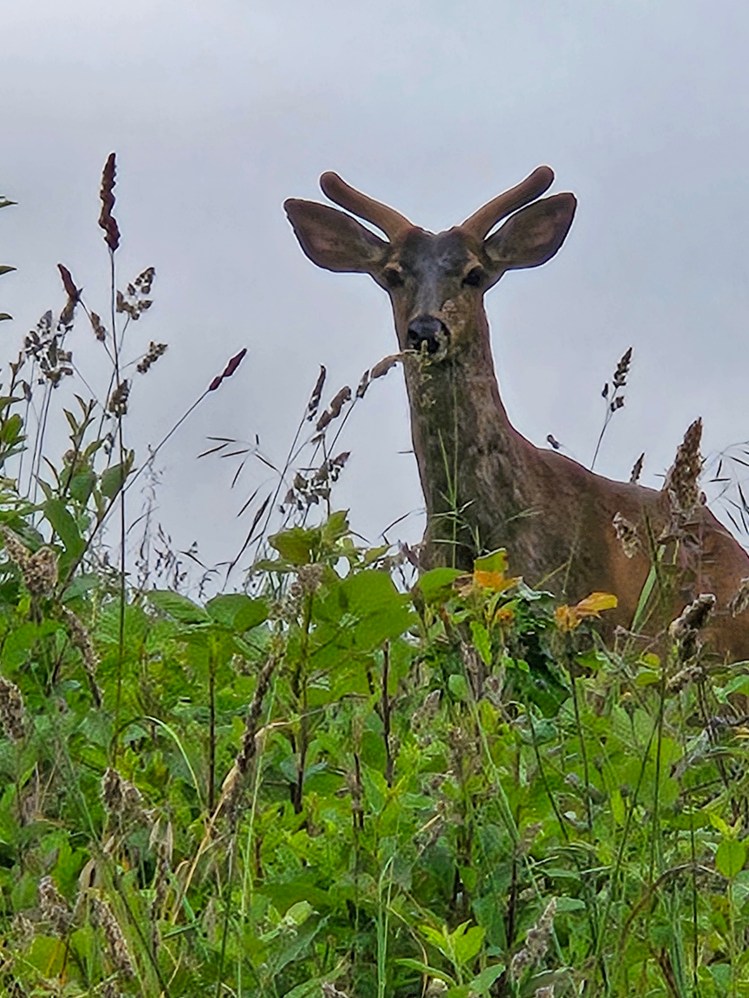
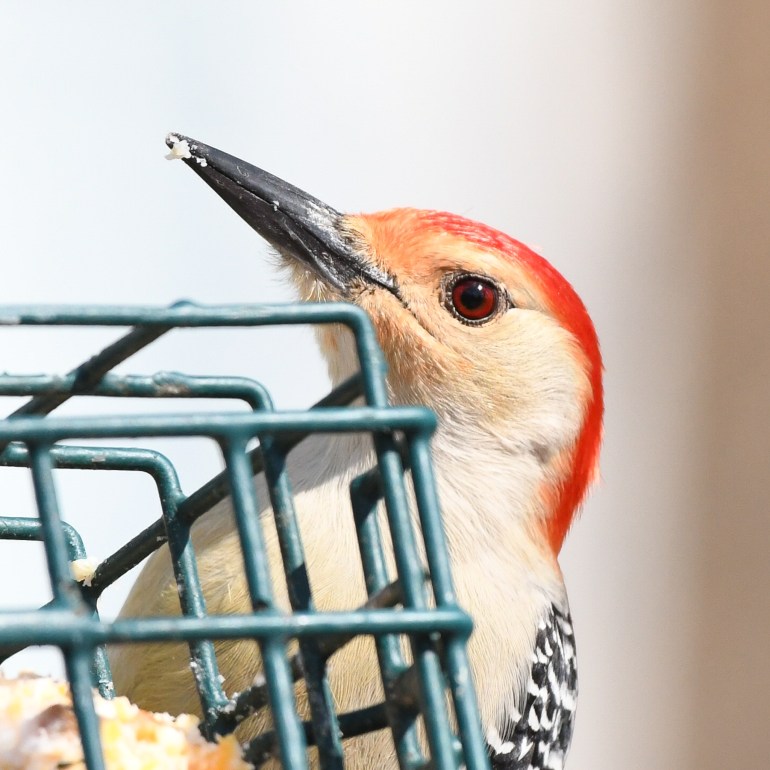
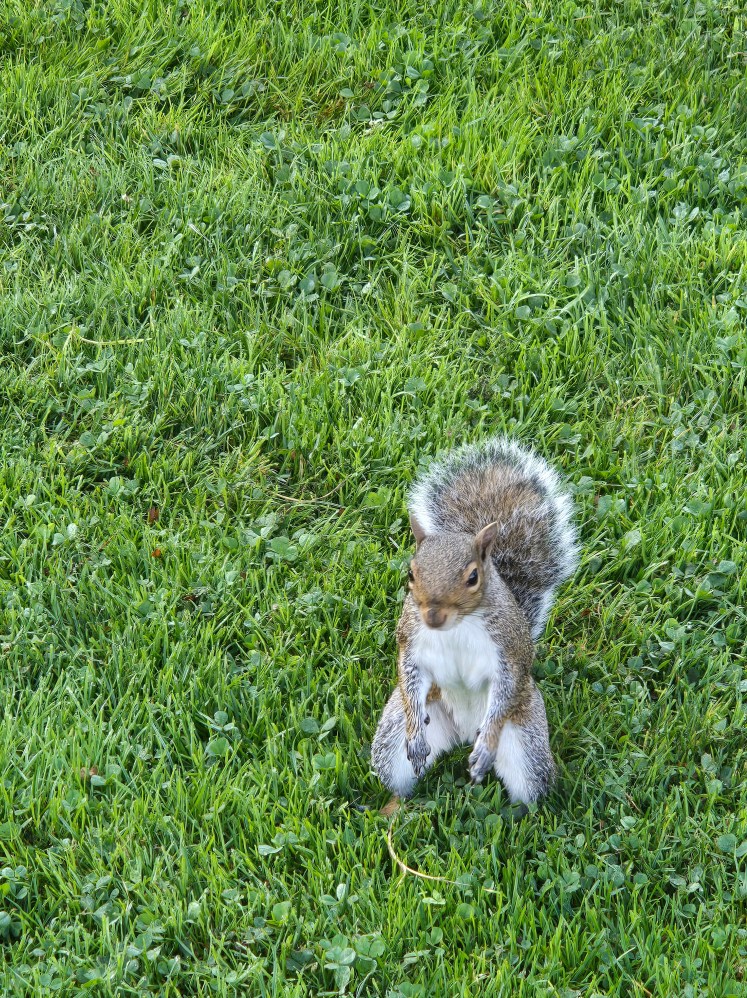
(Image is a of a curious friend who lives in the Illahee Preserve in Kitsap County, Washington, USA)


 Saragun Springs