I Grind My Teeth: Oral Poetry by Jordan Eve Morral

It was kindergarten.

The creepy guy on lunch duty

pulled my teeth out with a wrench.

They fell out in a clump

of enamel and gum.

Still, I felt convinced

they wouldn’t notice.

I lost my teeth again –

the four front ones on top.

They remained in my mouth

with Scotch tape, held down.

My teeth are so loose

they protrude at all angles;

My lips have parted,

forever alone.

It’s weird. In dreams

I’ll be endlessly falling,

my throat slit,

a child’s voice calling,

but I only wake up scared–

delirious and delusional–

when my fangs are not bared

and able to reflect the moon.

*Dreams of lost teeth commonly symbolize feelings of insecurity, loss, or transformation.

I have always been interested in the concept of dream interpretation, yet I am always going

back and forth between believing and not believing the accuracy of a real-life translation.

However, I have been dreaming about losing my teeth for as long as I can remember. Starting

in elementary school and continuing into the present day, I have had the lingering fear that I will

one day soon be without my teeth.

The hard thing about this constant worry is that I am afraid I will never be able to rid my mind of

it. Teeth are so often the focus of my dreams that I spend my waking hours thinking of them too.

Unfortunately, this leads to more of the same dreams. I cannot stop the cycle.

It is for no other reason than my recurring dreams that I wrote this poem. On some level, I think I

expected it to be a form of catharsis. In this aspect, I believe I have failed. I have simply

confirmed how much time I spend thinking about my teeth. I am perpetuating the cycle.

Jordan Eve Morral

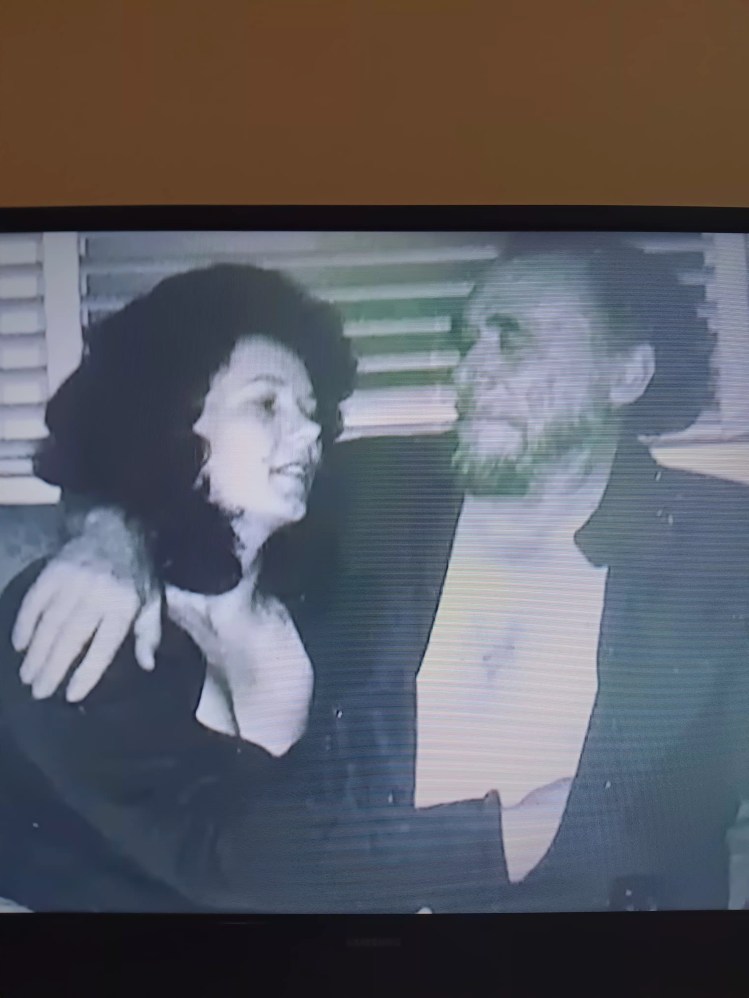
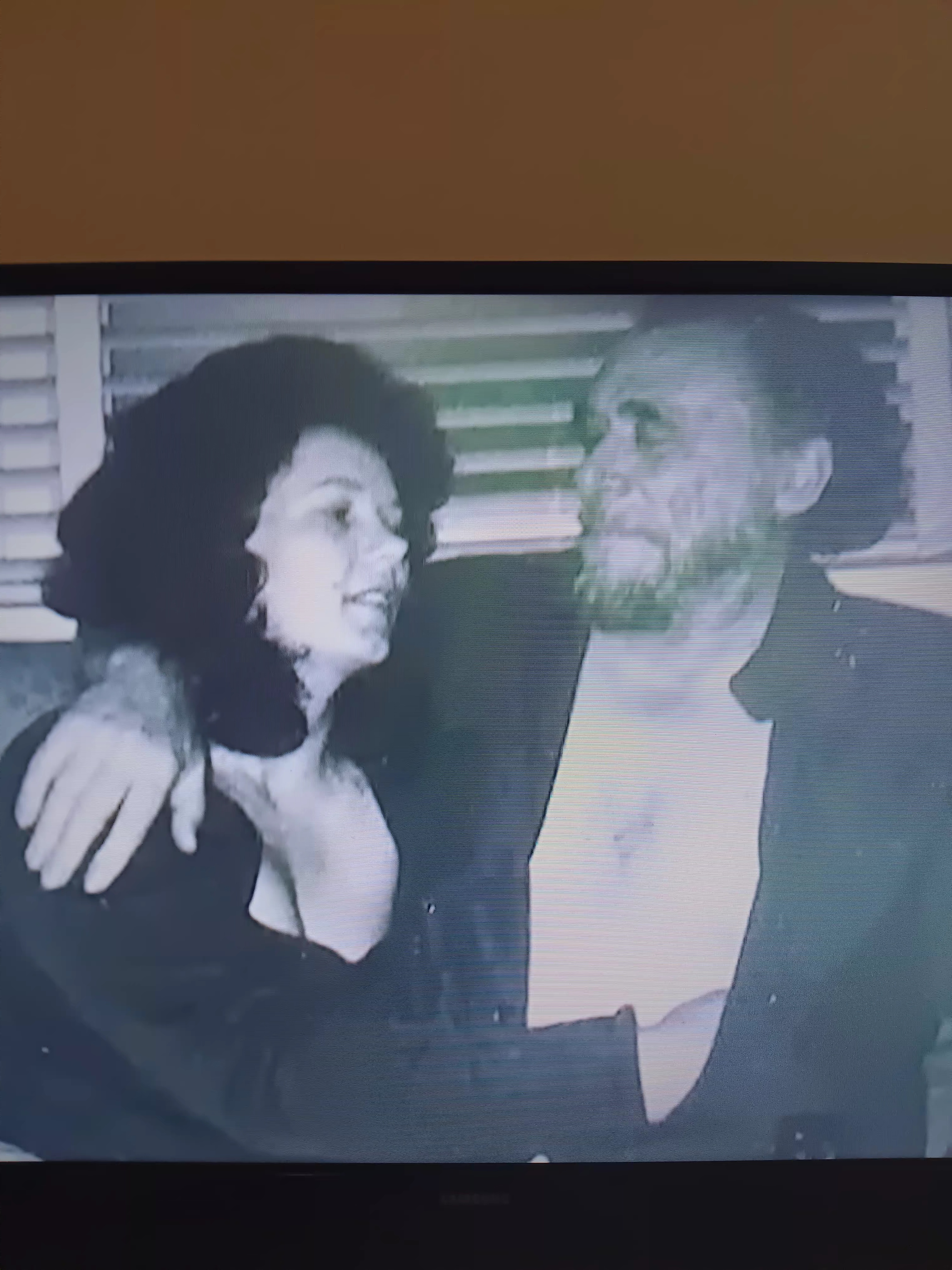
(Image is of the author)

Oxymorons by Jordan Eve Morral

We know clouds are water vapor,

but we’re still amazed they float.

We know trees are turned to paper,

but how, we’ll never know.

So many little things,

make so little sense.

But since they are ordinary,

questions make us sound dense.

We may be too easily transfixed–

insane and dull and dumb–

but we see the world with wonder,

seeking all of its wisdom.

We are wise fools.

The “wise fool”:

An oxymoron that, like the rest,

is contradictory but makes perfect sense.

Jordan Eve Morral

(Image is of the author)

These Wood Entities by Jordan Eve Morral

It’s the trees that make me cry

more than anything.

The hemlock stands strong

with its twigs of green and cones

until the last moment

when snow hides the earth

and deer eat the branches bare.

The red cedar stands alone

in fields long abandoned.

Slow but steady it grows

Only to be chopped for chests and posts.

The blue spruce lives long,

valued for its beauty,

but outgrows its friends

well after they are gone.

The red pine feeds mice and birds of song,

but, in eating the seeds,

these creatures devour descendents.

The catalpa with its beans

would seem exempt from my sorrow,

but it too has flowers that quickly fade.

The syrup maple is kind with abundance,

and thus has its sweet sap stolen

before it ever has a taste of itself.

The reason, my friend, these wood entities

bring such strife and pain

is because of the human struggle they endure.

Mankind inflicts the destruction,

and suffers the denouement.

Jordan Eve Morral

(Image is of the author)

Haikus by F.S. Blake

Haikus by F.S. Blake

(Ed. note–F.S. Blake is a recipient of the Bronze Star, which is a hell of a good thing to be known for. He also writes poetry, and it is our pleasure to present a pair of Haikus written by Mr. Blake. He will be appearing again with more, soon–The Eds.)

Our dog on warm days
runs with pure joy, back and forth,
she gets double treats.

Buzzing mosquito
stumbles over the porch light
still drawn to warmth gone

F.S. Blake

(Image of a brave cherry tree in February)

Creature Comfort by Jordan Eve Morral

This evening, there was a road crew

in the streets of a colonial town.

They blocked traffic and began work at dusk.

The sunset against the faded red bricks

made the scene–and the big-bellied crew–

look like guests at a late-day garden party.

It appeared that one man ran the excavator

while the rest looked on,

the audience of an outdoor theater performance.

Their mundanity and at-odds presence

made me want to cry

and become one of them.

Never did laboring over asphalt and drains

seem so appealing–just a step down from the divine.

More than anything, it was the unspoken comfort,

the unrecognized camaraderie,

that made these humans glorious,

made them creatures I wanted to embody.

Or maybe it’s just that I forget I am perceived

and felt seen by them.

Jordan Eve Morral

Leah by Geraint Jonathan

in her pyjamas

out in all weathers

hardly the way to go is it

whatever she was she isn’t that now

look at her

if ever hair needed cutting

there’s hair could do with it

seems all it takes is promise of bad weather

she’s ready for the hills

almost paces

animal like

old as she is

you have to tell her

naughty-night-to-be-out-in

the look she gives you then

none like it

and I’ve been given looks you wouldn’t believe

or maybe you would

come to think of it

Geraint Jonathan

(Image by Leila)

The Martyrdom of St. Peter by Tony Dawson

Michelangelo Merisi da Caravaggio,

a troublemaker who gloried in sadistic

violence, especially in his paintings,

was the Prince of Darkness of Baroque,

the pioneer of the style dubbed tenebrism.

Together with his realistic portrayals

of the subjects who populate his canvases,

“the terrible naturalism that attracted

and ravished human sight”, as Scannelli put it,

they are the distinctive features of his work.

His painting, The Crucifixion of St. Peter,

commissioned by Monsignor Tiberio Cerasi,

is an archetype of Caravaggio’s tenebrism

and how he exults in depicting brutality.

The distribution of the four individuals

conjures the shape of St. Andrew’s cross.

A beam of light traverses the canvas

from the top left of the frame

to the bottom righthand corner

illuminating St. Peter’s torso, left arm,

and hand nailed to the crosspiece,

every muscle and sinew of the martyr

tensed. A blend of pain and terror cross

the face of the Saint. High to the left,

the only executioner to escape anonymity

embraces Peter’s shins and the upright

of the cross to help a second executioner

whose woollen jacket is rucked up

by the rope he’s using to haul the cross

upside down as it is placed in the hole,

dug by the third executioner’s shovel.

Petra, the rock in the foreground,

evokes Peter’s name, the rock

upon which the Christian Church

is unified, emphasised further

by the shadowy rocky landscape

in the background darkness.

Tony Dawson

(Image is of the author; would be strange if another fellow, now wouldn’t it?)

Octave for Janet by Tony Dawson

Spring and summer blossoms populated

our family tree that stood so straight and tall.

Then the blossoms gradually faded into fall

bringing the fruit that we so eagerly awaited.

When our winter hesitated and finally never

came, apparently because of climate change,

our blossoms bloomed and flourished once again.

An Indian summer in which to bask forever.

Tony Dawson

(Image is of the esteemed poet)

Your Jesus by Geraint Jonathan

It’s true that your Jesus came back. His bar mitzvah coincided with the end of the First World War. As eldest scion of second generation Nazarene immigrants, he no doubt had his work cut out for him in the heartlands of a newly ruined Germany.

As you’d expect it was his talk brought the grief, the trouble. Said he had such news as would overturn the world and so forth. In short, words best whispered, or better yet, left unsaid. Those who rejoiced to hear them would soon lose their ears. And soon enough he and his raggletaggle crew were among the ten thousand others on the slow train east.

He did everything he could, your Jesus. But it was no good. Some clocked him as a collaborator – owing to that enemylove spiel of his. The bread not in his belly started to show on his face; but still he shared what few scraps he could procure, making himself no friends by doing so.

As for his ‘fate’: it came without warning, during morning roll-call: he was hanged along with two others before the work detail set off. His executioner was a man known as ‘Ape’ – a sobriquet supposedly derived from his reputation for “going ape” when beating people to death. ‘Ape’ himself was promoted to captain shortly before the end of the war. He disappeared soon after.

Geraint Jonathan

(Image by Christopher J Ananias)