The Solemn Rules by Christopher Ananias

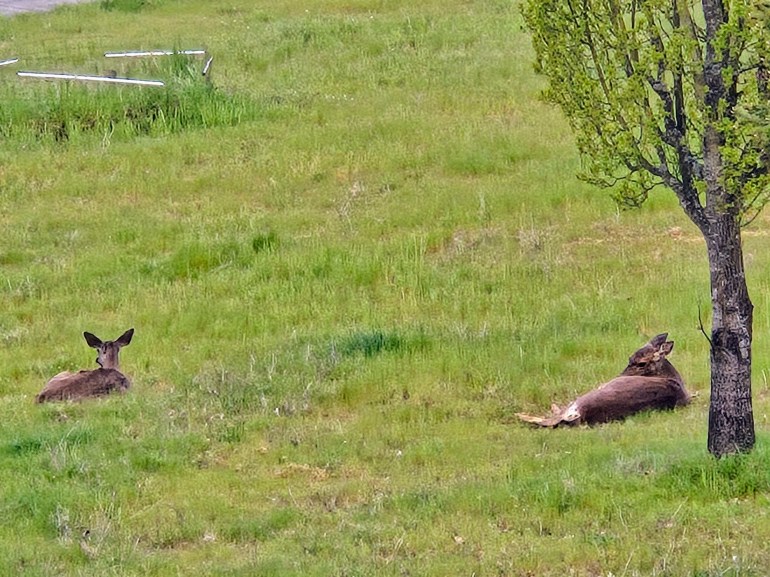
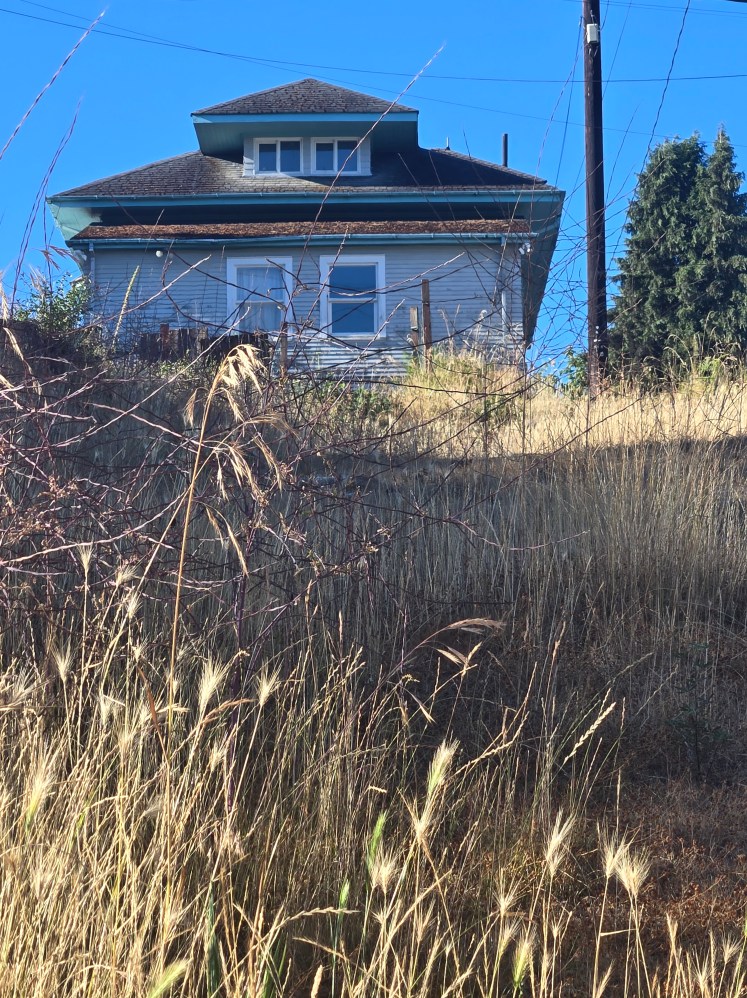
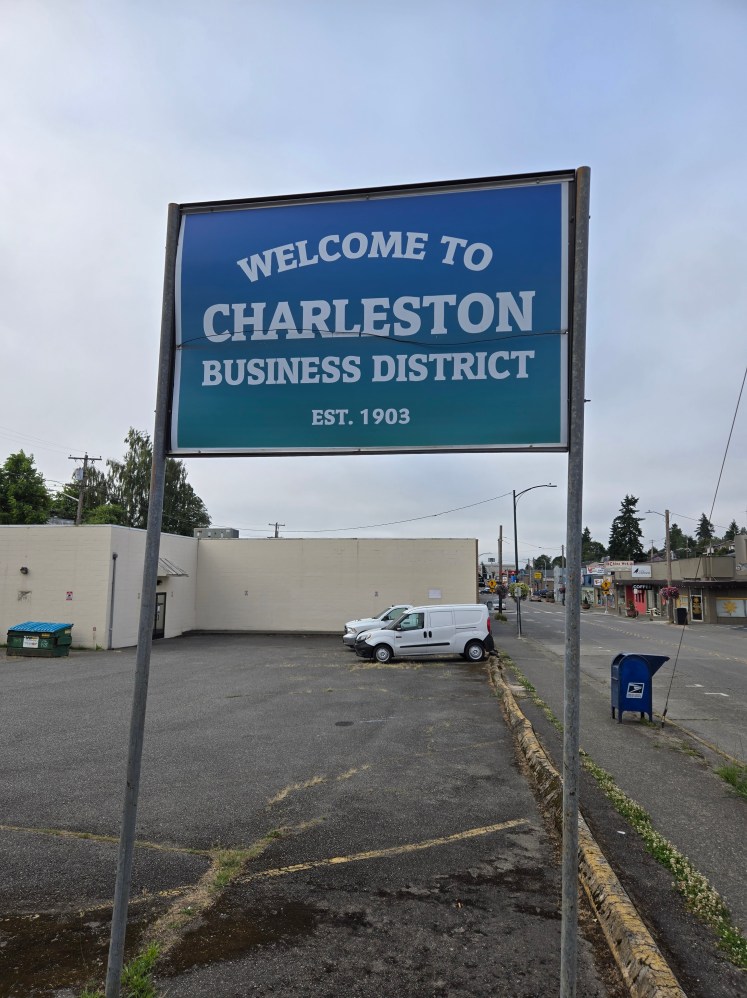
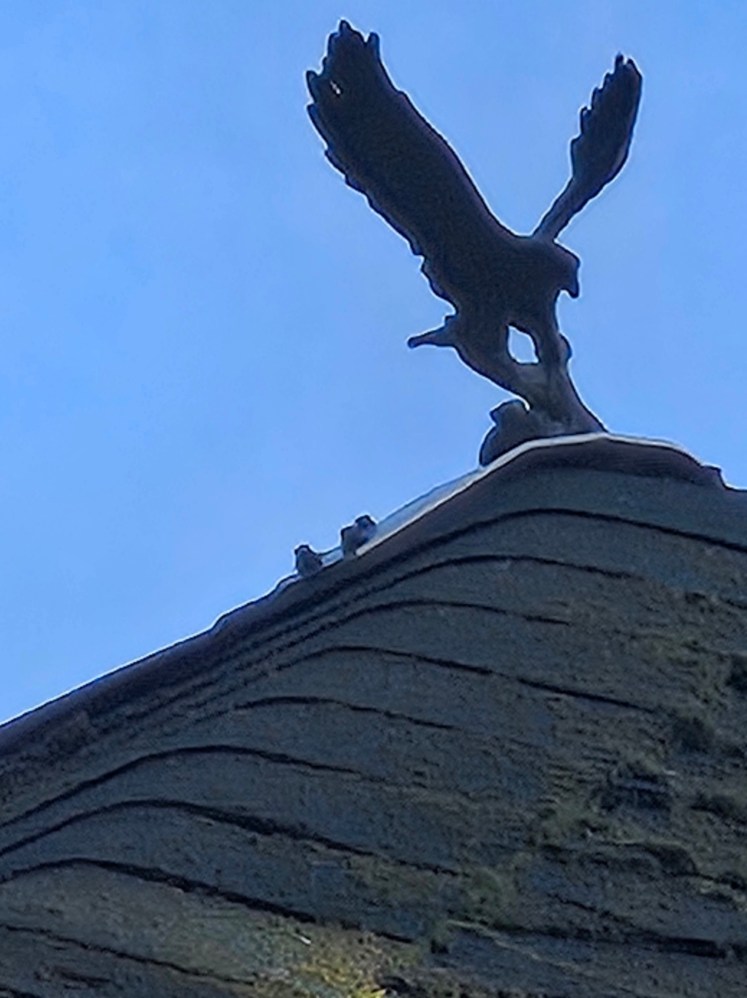
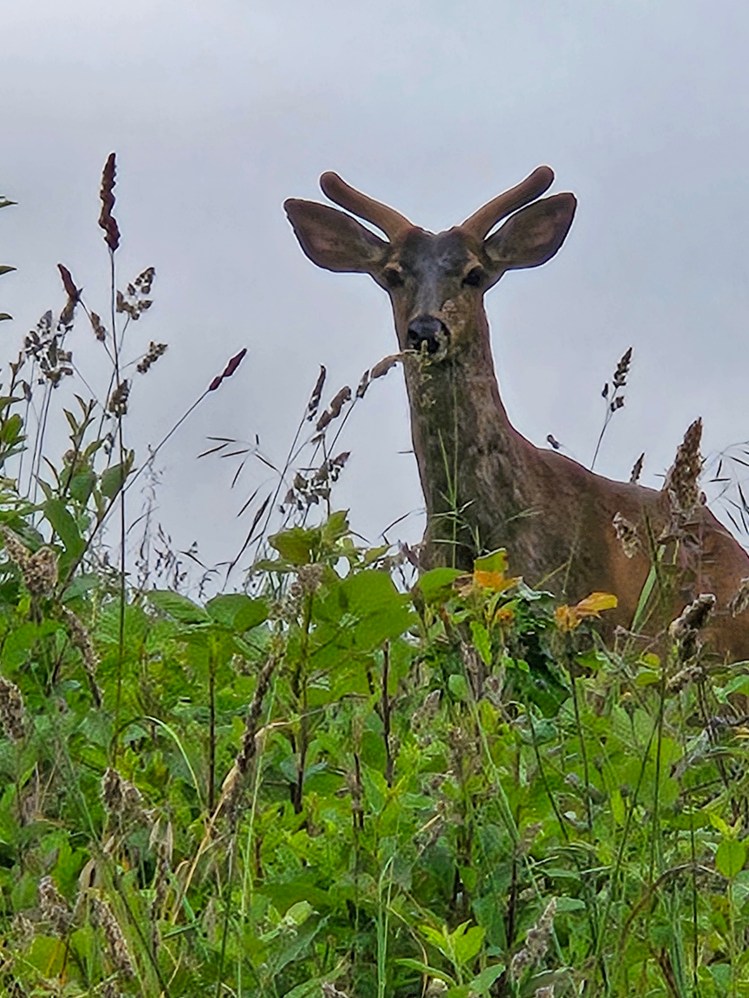
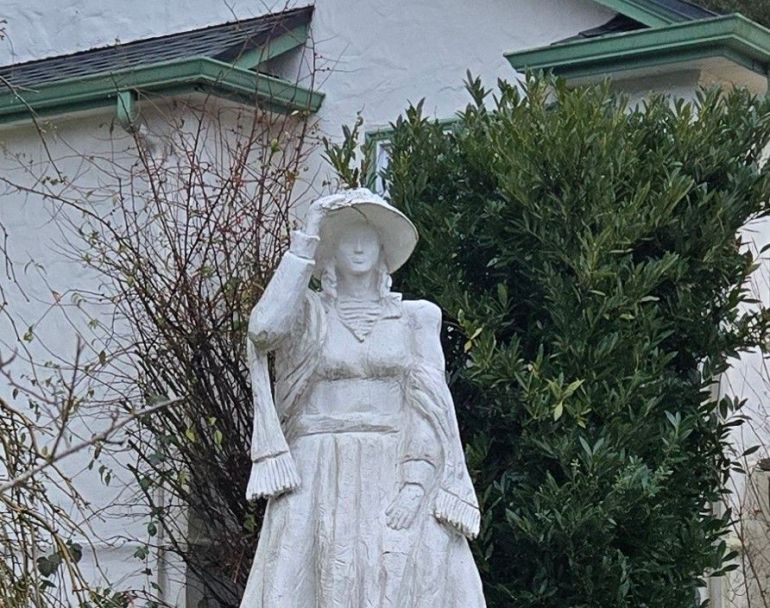
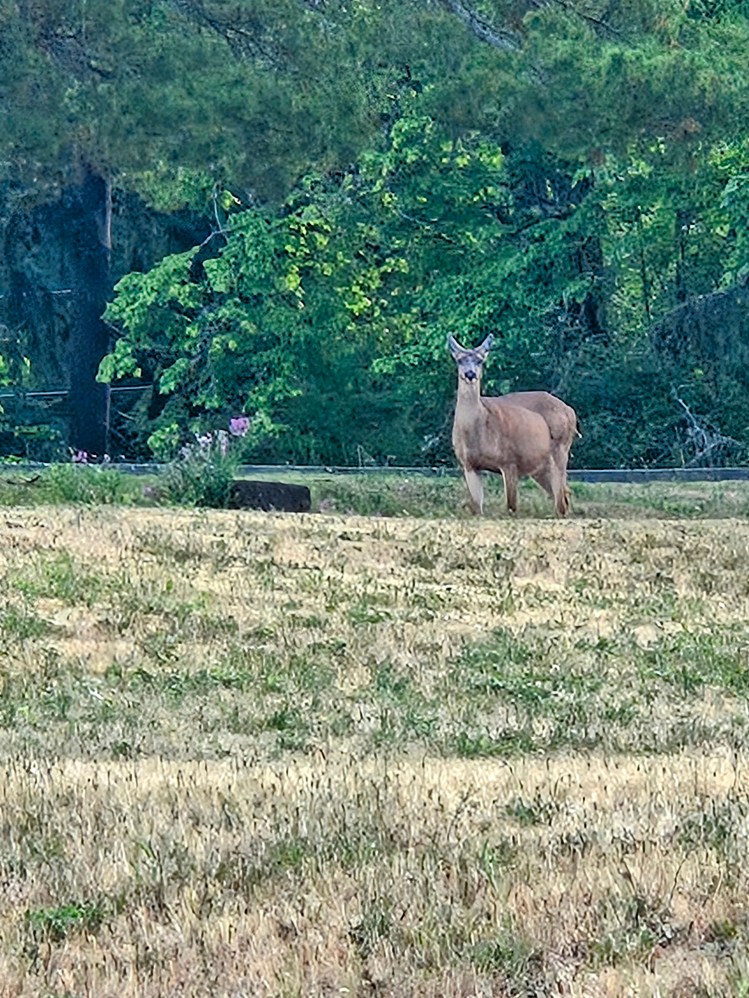
(Image provided by Christopher Ananias)

(Editor’s note: Today and tomorrow and Wednesday we welcome Christopher Ananias, who is a first rate writer and photographer. Christopher takes a good look at the world and returns with honest first rate prose. His biography appears at the bottom of this post.–LA)

And the words, like a kind of conjuring, brought the ladies from the sheets of rain. Like they all rode together in the same car or dark cloud. One held the door for the other three, as they hurried inside, fine heels clacking, and the door shut. Their perfume and rain drops mingled together, and it was strong and pleasant, but it made Vanda dizzy, thinking of death. A death lay before her.

Vanda stood over Randall and the other three young women gave her a moment. She wore the dark shawl of a mourner. Her companions watched and observed the silent ritual, then they chatted. The conversation became louder, and for a raucous moment, it seemed they had forgotten the solemn rules.

Vanda imagined wearing a black veil. A veil that is reserved for widows, and not young ladies who fall into traps with older married men. She touched the glossy black casket. Her long white fingers looked starkly bright in contrast. The casket felt as though it had sat in a cold basement, instead of a carpeted funeral home with a furnace huffing in its bowels.

She looked at Randall. He looked very attractive to her, and the urge came on strong, and she wanted to climb on top of him. Make necrophiliac love. A moan slipped from her. Did her shopping companions, and confidants, who even accompanied her to the funeral of her adulterous lover, hear that lustful moan? I’m way out of line, thought Vanda. What right do I have to be here? And to think these sick thoughts!

What shoes did he wear? Were they his slick brown office shoes, doubling for—forever shoes? Her fingers pulled at the lower lid and it creaked. She glimpsed his bare white toes and dropped it with a thump! The jarring acrid taste of fear turned in her stomach. What am I doing?

Vanda looked over at the window and the water streamed down in cold beads. She could see the drab cars on the street. They were in a certain order, except for one. Her flashy red sports car, which they crowded into. It looked impossibly bright, and beautiful, somewhat like her own flashing beguiles of full lips, white teeth, and shapely aerodynamic curves. And wrong. It looked too fast, drop your pants without underwear fast, too ritzy, among the subdued and stoic Nissans and Toyota Camrys.

She could feel the fear of being outed, out of decency, out of my mind, you’re out-of-order, Miss! She watched the rain bead down the window, and in the gray light, her body became as still as the corpse in the casket. Who died, in a sudden cardiac arrest, riding a stationary bicycle with a blown heart to eternity. She thought again, what am I doing here?

Vanda had lived for two years in the shallow grave of discovery. Randall claimed his wife went on sniff and fluid patrols and dug through his clothes, and scanned his phone looking for traces of the other woman. Her.

Randall, the handsome sandy-haired accountant with designer glasses had the exact answers to the balance sheet of adultery. He would stand in his underwear, his flat 41-year-old workout stomach with a hint of a six-pack on view. Vanda watched his rituals still nude from her fluffy and deeply comfortable bed. He rolled the lint remover over his office clothes. “Look Vanda, that’s a long one.” He showed her the roller. A long blond hair, matted against the sticky surface, doing two laps. “Penny would go apeshit if she found that one! She’s got her Dad’s old Walther Pistol too…”

Sometimes as they lay in the afternoon sun. His phone would chime, sending ice sickles up Vanda’s spine. WIFEY lit up in red letters on the large iPhone screen. It was an invasion of her inner sanctum. Her sanctum of them. She watched his cool fingers typing with the energy of a man that has his cake and has just got done with it too, and might have another piece.

Randall had a second phone for their relationship. A cheap burner like he was a drug dealer clocking out by the concrete blocks on South Street. The relationship revolved solely around his time schedule. Vanda knew her friends thought she was a fool, as she dialed each one after some broken plan.

The Colts game became one that got seared into her primal cortex. Vanda saw Randall and his family on TV in the stands! Randall’s arm is around his dark-shiny-haired wife, wearing a blue Colts jersey on her buxom chest. She looked strong and beautiful and Vanda was afraid of her. Afraid of her righteousness, and that gun. Randy Jr. sat basking in the light of his loving parents that was as real as her own misery. She got all of this from one little eye-popping pan of the TV camera that landed on Randall.

Randall’s little boy whom she heard about a million times, added a dark layer of guilt to this adulterous cake. Vanda felt like she was committing attempted murder against the fable of his happy family.

She looked out the window again in the foggy gloom ever so fitting for a funeral. The widow and little Randy Jr. came up the sidewalk, and Vanda slipped out a side door, where several shiny caskets waited on biers like boats for the river Styx. Her three friends got a group text. “Meet me outside.”

And the words conjured them into a downpour and into the red sports car with a cat emblem on the hood. Packed to the ceiling, with four beautiful babes, cascades of shiny wet hair, sleek young arms dripping on the door panels, and shiny shaved legs in skirts cocked up into the dash and bald knees pushed into the back of the seats. Their voices were full of exclamations and laughter like they came from the sunshine of good times instead of a rainy funeral parlor.

#

Later that evening Vanda laid on her sumptuous bed in her Randall-less boudoir, and dialed Randall’s widow, WIFEY. Unbeknownst to each other they were at that very moment each, smelling one of Randall’s dress shirts. The phone rang three times. Vanda thought, What am I doing? I don’t have any right to call her. I’m way out of line. Something rekindled inside her like the excitement of the affair.

“Hello,” WIFEY sounded perfect to Vanda. Like a strong, complete woman.

Vanda raised up, dropping the shirt on her naked waist, covered in Randall’s scent, and said, “I-I.”

“Who is this?”

“I found your dog, the uh, black Yorkie.” Vanda felt like she was reading a line from a terrible play, which she mostly forgot.

“We don’t have a dog.”

“I found little Randall’s dog. The black Yorkie. His name is…uh,” Vanda glanced around the room landing on the blank TV screen. “His name is Sanyo.”

“I told you we don’t have a dog.” Then the phone went silent. “Did you say my son’s name?”

“He’s a good little dog, Randall Junior will miss him.”

“It’s you isn’t it? The whore.”

“Sanyo wants to come home. Please let me bring him to you and Randall Junior.”

“I saw your little red sports car outside the funeral home.” Her voice rose. “How dare you? You have no boundaries. You filthy whore!”

“Sanyo loves little Randall, very-very much. Please.”

“Look I’m going to say this so you can understand. If you come near my house or Randall Junior. I will blow your fucking head off. I might anyway.” WIFEY dropped the phone and jammed Randall’s shirt into a trash sack lumped with his other clothes.

“But what about the reward?” said Vanda into the dead air. Then she masturbated.

THE END

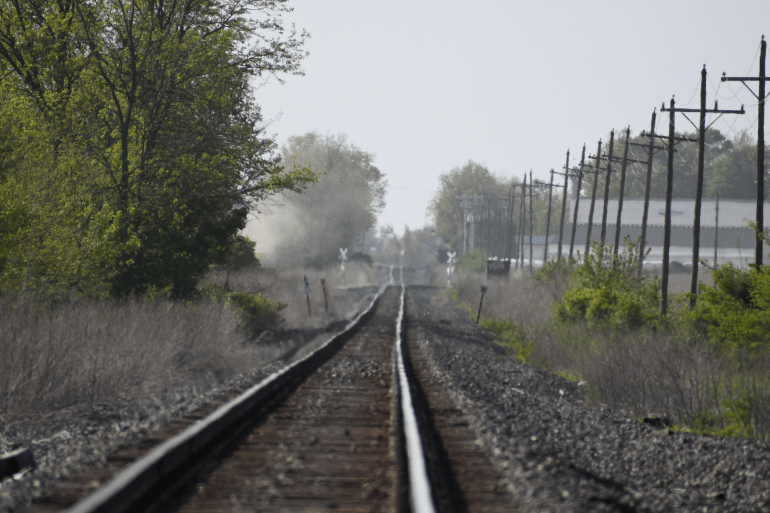
Christopher J. Ananias enjoys wildlife photography. He likes to walk along the railroad tracks, dodging the trains. His work has appeared in Flash Fiction Magazine, Grim and Gilded, Dead Mule of Southern Literature, Literally Stories UK and others.


Saragun Springs Presents The Drifter

Neighbors

Will will fulfil the treasure of thy love…”

– William Shakespeare

Mr. Friendly

An elderly Mexican man, about five feet tall, with a gigantic, huge, massive, perfectly white, and amazingly long, drooping mustache, and also wearing a gargantuan-sized sombrero and sometimes a poncho or sometimes just a bright red shirt with collar, depending on the weather, brown pants, and sandals in summer, cowboy boots in winter time…who roams and stalks through and across the streets, the sidewalks, the alleyways, the yards, the side lots, the vacant lots, the parks and parking lots of Berwyn, Illinois, USA, in all weathers…in the middle of the night, or the middle of the day, seemingly 24/7, 365, in rain, in too-hot heat, in blizzards, in nice weather, he walks, steadily and slowly, and never stops walking, not like he’s looking for anything, but more like he’s registering everything…

And sometimes when you pass him on the sidewalk he says, in clear and strong English, “Hello! Nice dog…” but more often he just keeps going, because there is something going on, in his mind, in his eyes, and in his soul…something he doesn’t need to share with anyone, but is also sharing, in the way he walks through his, and our, windy world…

And a woman, a beautiful, gorgeous, ravishing, rough-edged black woman, who always used to approach my car while I sat in the Burger King drive-through waiting for my food (I was teaching fifth grade at Saint Leonard Parish School at the time even though I’m not Catholic which is a long story unto itself and it seemed like I was always starving and had about twenty-three minutes to procure and consume my lunch which was often the reason for the convenient Burger King)…she was always alone, always working that parking lot, and would pop out of the bushes and say “Hey baby! How you doin’!?” as she walked up to the car…and we never shared anything but eye contact, fist bumps and dreams so that she knew by now (and knew it anyway) that I wasn’t about to become a customer but she always wanted to just say “HI!” anyway…and sometimes I wonder where she is now, and hope she’s okay.

And a white guy named Charlie. I was walking my Siberian Husky, Boo, along a near-Chicago suburban river trail when I looked up and saw a massive white bird skimming right by me over the river, and wondering what kind it was…Charlie, a medium-old (or an old middle-aged) man with a gigantic gray beard like Walt Whitman’s (or Herman Melville’s) zipped by me on some sort of automatic bike contraption and called out joyously, and exactly as if he’d read my mind, “WHITE HERON!” as he rode on past myself and Boo…Later we met up farther down the trail, and he struck up a conversation. “I’m supposed to be a biologist but that’s of micro-organisms…maybe I’ll just throw in the towel and look for white herons around here instead.”

Later as I was heading back to the car on foot with Boo, a gigantic, huge, massive, gargantuan-sized monarch butterfly flew straight toward me on the trail; it kept on coming, didn’t stop, flew straight at my eyes it seemed, then flew straight into my forehead before I could do anything, and bumped me directly in the middle of the forehead, paused there as if landing for a second, bounced off, glanced off, brushed my hair delicately, and, flapping his wings, flew off and away, over and above me, over and above my head, and away down the trail (where he veered off and disappeared into the summertime greenery)…

All these people and creatures are my neighbors…

Walt Whitman wrote, “You will hardly know who I am or what I mean, / But I shall be good health to you nevertheless, / And filter and fiber your blood.” (And no one else wrote like that in the 1850s.)

Such things as all these neighbors don’t change; have never changed; and will never change (or not for a very, very, very, very, very long time).

It’s we, us modern people, who have changed.

And why are we always in such a hurry to get nowhere important again?

And what are we missing when we never really stop to notice where we truly are (no matter where it is)?

Concluding Post-note by “The Drifter”: The Drifter, sometimes known as Dr. Dale Williams Barrigar, could say a lot more, and describe many more characters he’s met on his daily travels on foot and by car through his own neighborhoods, with or without (mostly with) his canine companion/s.

But he’s determined to let it rest for now. He can’t think of anything better to end on on this second Sunday of August, 2025, than the two questions he wishes to leave hanging in the air like the butterfly who bumped him in the forehead on purpose (he’s certain it was on purpose, and has something mysterious to do with natural energy, no matter what else anyone else thinks or doesn’t think about it) before it flew off on its merry way again.

Astonishing Natural Fact: The monarch butterfly lives a life that is, on average, four weeks long.

When we consider this astonishing natural fact in depth, it can serve as a symbol for the precious, precarious nature of EVERYTHING in this always-passing, ever-changing, never-to-return (that we know of so far) world.

Do it now while you’ve still got the time (whatever “it” is that’s eating at you), as long as you’re good, and as long as it’s difficult – and real.

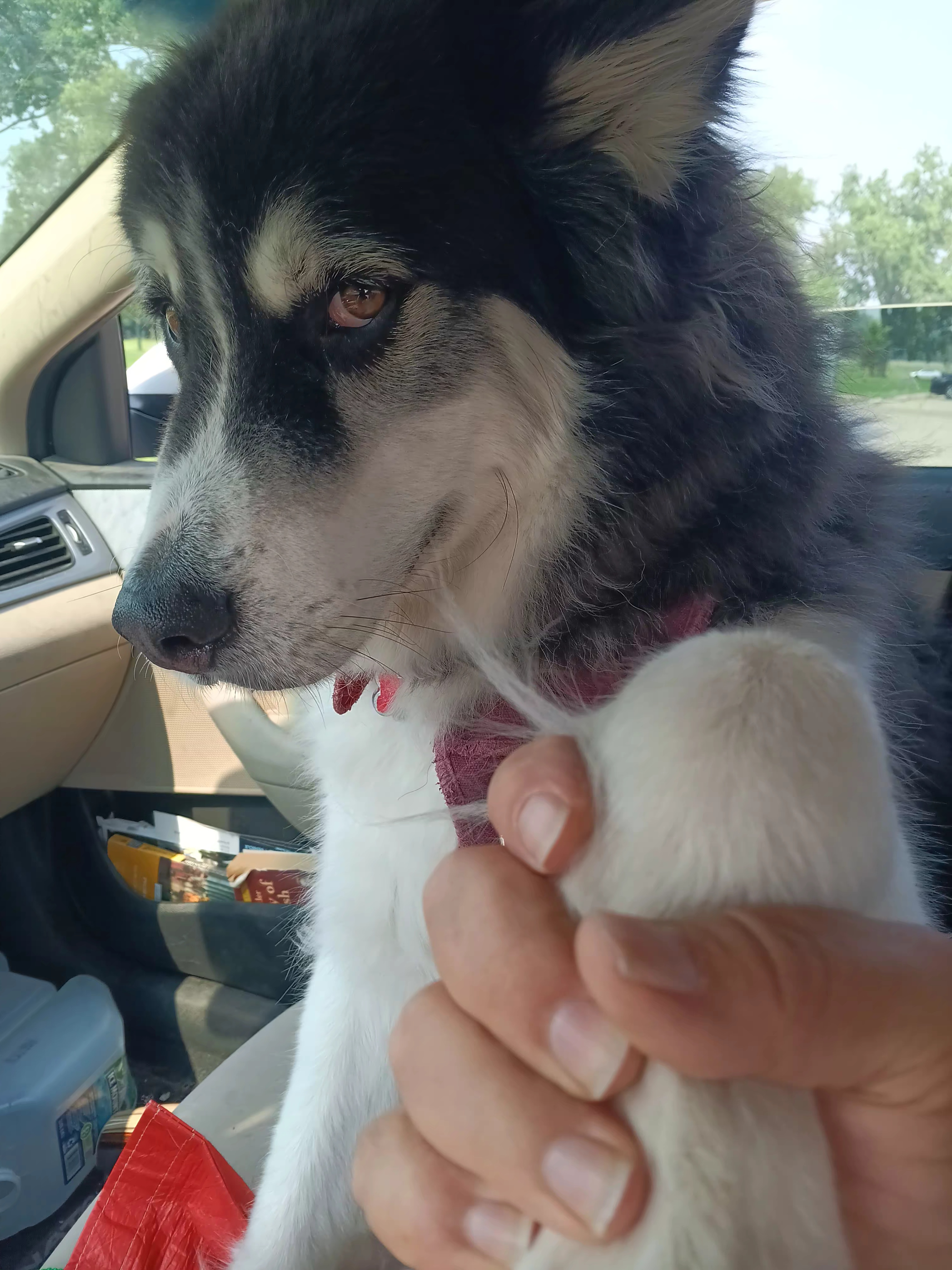
(Both images provided by The Drifter)

Goat v. Lamb Civil Poetry War the Conclusion

Another Introduction

As hoped for, my brilliant post yesterday brought an end to the Goat v. Lamb War. But, not wholly unforeseen, both sides have aimed their antipathy at me.

But being the leader of the realm, I have the personal fortitude and liquor cabinet to withstand obloquy.

So, in the name of see-through-it-ness (I hate the corporate term for that), I stiff upper-lipply present the last two poems on this subject by the formerly warring sides. No one has said so, but I think the kids have gotten a bit bored and are ready to move on toward further vexations. So, I’m going to consider these poems by both sides a peace settlement and move the liquor cabinet closer to my desk.

Leila

“A Hoggishly Hog Pen for the Penname!” by Dame Daisy

i

The barnyard is calm tonight

But the Pen is full of smite!

She insults the Ruminant creed

With a fable of dubiously dubious breed

ii

I say Lambs we should end our fight

And take up against the Pennish fright

She who disparages the Daisy and Sheep

Is the ultimate creeply creep!

“Us Too” by the Lambs

i

Lambs do not caper in the sod

Nor frolick with their bods

The Pen who wrote that trash

Is as guilty as razor rash!

ii

Let the hooves unite

We now know a new fight!

The Pen is our enemy

Unite herbivores in enmity!

Afterword

Well, that’s how things are going in the Springs. I guess the hoofed (or is that hooved?) ones were insulted by their portrayals in yesterday’s fable. Actually, that was the intent. Fortunately the inhabitants of Saragun Springs are all talk and zero action. But, just in case, I’ve hired three Rat bodyguards, John, Wilkes and Booth, triplets born on the Ides of March. And although that joke is a bit American, and dated, like all useless ideas, it can be googled.

LA

Goat v Lamb Civil Poem War Day Five: A Special Episode

Hello Readers.

This week we have explored the poetic elements of the Goat v. Lamb Civil War of Saragun Springs. For four days both sides have tossed poetic crapbombs at each other. It has reached the point that I have decided to jump in with a possible solution. Call it a Feckless Fable and perhaps the key to World Peace. Or you can just call it Friday and head to the bar when the whistle blows.

(The fifth and final round of G v L will appear tomorrow)

Yours,

Leila

The Goat and Lamb of Paradise: A Feckless Fable

After the bombs dropped, God scrubbed further experiments with the human race. It had been the third Universe she had created just to watch people destroy. This was because: A.) Most of them were stupid; B.) Whole destruction is far easier to accomplish than achieving bliss.

On the fourth iteration of the Universe, God held back people and placed a Pygmy Goat and a Lamb in Eden IV, to see what would happen. But she had to return upon realizing that not much of anything would happen save for mindless grazing and sleeping unless the creatures could talk and think. So, God endowed them with the gift of gab and personalities. If it worked out then she would fill the garden with natural Goats and Lambs to allow for procreation. For the time being, both critters were as sexually potent as scarecrows. And although they ate plenty, they neither changed size nor had to use the bathroom. The last fact made the garden smell much better than it did when it was inhabited by people.

Soon God had to return again because although she had given both the ability to speak and think, she had inadvertently blessed them with different languages. To be fair, Universe creation is a tough gig and errors happen all the time. After endowing the Goat and Lamb with a basic, common ruminant tongue, God decided to hang around. She sat on a rock and waited for the next mistake to present itself.

“Hello, what’s your name?” The little Sheep asked upon meeting the Goat.

“Daisy,” said the Goat. “And yours?”

“Maisy! We rhyme! Say why don’t you and I dance in the clover and be happy forever and ever!”

“I was thinking the same thing!”

Then the pair began capering, frolicking and mincing in the clover throughout the meadow. There were glitter rainbows, lollipops and tiny hearts hanging in the air.

“Oh, Jesus H. Kee-ryste,” mumbled God, who reinvented liquor and fixed herself a Manhattan.

The Amoral: Life Without Spice is Way too Nice.

Coda:

I do hope that this mixed message provides a lesson for our combatants. Things are more interesting when one says down to another’s up. Friction, little ones, drives the world!

We will see when the poetry smackdown concludes tomorrow.

Leila

Saragun Verse: Goat v Lamb Civil Poem War, Day Four

(The careful, or at least conscious reader, may have noted the header images have nothing to do with the text this week. Now, they could if I decided to go on a metaphysical rant, but I will not. Lacking images from a Pygmy Goat and Lamb Civil War, I have chosen images I like–LA)

You Broke the Wind of War by Dame Daisy

i

Wretched fuzz balls walk on four cloven hoovely hooves

Never in key with the Goatly Goatess tunes

The Moving Hoof is steadfast and mighty

Whilst Lambs trot about unclean and unsightly

ii

Doth Goatesses need to be shown the shears?

Doth Goatesses look the same front and rear?

The answer is too clearly abundant

Goats ruley rule little Lambs redundant!

Oh Yeah! By The Lambs

i

Oh Yeah! Say we the Lamb Collective

Oh Yeah! To you the mental defective

Tin can eater you will dine on your words

You feta dispenser of sour curds

ii

We challenge you to fight a Civil War

We will win and you will lose…um, erm, in a word that rhymes with war

We shall rule the Saragun countryside

And you will kiss the hooves that, um erm, rhyme with countryside in a cool way!

Dame Daisy after seeing the Lambystan Anthem has insisted on equal time:

Daisy Dell (sort of to the tune of Good King Wences)

Daisy Dell promises hell

To the children of Shee-heep

Daisy Dell shall ring the bell

When their dip gets to dee-heep

Adverbally wonderfully and swee-eet

Daisy Dell will be hell for the children of Shee-heep

Saragun Verse: Goat v. Lamb Poem Battle Three

(Everyday I have struggled to come up with a somewhat sense-making explanation for this situation. Today I give up.)

Leila

Pain in the Asp by Dame Daisy

i

A wise Asp told me to never trust Lambs

“They pull wool over the truth like lil tams”

When you can’t get a good word from a Snake

You are the foulest natural mistake

ii

It offendly offends the Moving Hoof

To waste her lines on silly goofly goofs

Whilst bacteria, germs, fleas roust in snout

Yet are more attractive to write about

And The Lambs Say…

i

Tut tut Goatess in a childish huff

We are well learned in useless stuff

Yo Mama was as scary as a scream

Daddy’s brain boiled in Baily’s stout creme

ii

You insult and cajole Lambs on the whole

You dig into our ire like a Vole

Lo! Moving Hoof you are a churlish sort

You keep coming back like a common wart

Bonus Song:

The Lambystan Anthem (to the tune of Christmas Tree O Christmas Tree)

O Lambystan O Lambystan

Your warriors are brave and true

O Lambystan O Lambystan

They will conquer and enslave you

Throughout the night we will lead the fight

And be great woolly winners by dawn’s light

O Lambystan O Lambystan

We will kick your ass like no one can!

Saragun Civil War Poems: Day Two

Day Two of the Saragun Pygmy Goat v. Lamb Civil Poem Smackdown (please note, each poem contains quatrains but the number of quatrains varies. Moreover, some may question why one Goat will take on an entire species. Good question. )

Leila

“Woolly Mam-Mouth” by Dame Daisy

i

There was once a useless goofball named Joe

Who fell in deep love with a Doely Doe

Mauve was a Deer three times his sizely size

And he a Lamb quite dumb and googly eyed

ii

Joe did not know Mauve was a Deerly Deer

He thought she was a Lamb all sheerly sheared

No other Lamb could steer Joe to the truth

For the species has the IQ of vermouth

“Goats Float” by the Lambs

i

There is a Pygmy Goatess named Daisy

Her mind is cluttered and oh so lazy

She goes around besmirching her betters

And says Lambs cannot match her in letters

ii

Within the cluster of adverbs she slings

Fallacies as mean as Bumble Bee stings

Daisy continues to vex our highness

Who will rise and whip Goatly behindness

Saragun Verse: Civil War for August

The Poems of the Saragun Civil War by Dame Daisy and Various Lambs

Introduction

The Poems of the Saragun Civil War between Goats and Lambs are presented this week. Everyday we will feature a poem by the Pygmy Goatess Dame Daisy Kloverleaf that she sent the Lambs of the Lambystan community in Saragun Springs and the reply poem from the Lambs, ostensibly written by their leader, but it appears that it was a team effort. This was perhaps the only Civil War in history that never escalated to violence. To paraphrase Sandberg, “We held a war but everyone went to lunch.” But, to quoth Daisy. “It was hotly hot by word.”

Leila

The First Pair of War Poems

“Haggisly” by Dame Daisy Kloverleaf

i

Little Lambs O little Lambs, thou annoy

Goatly measures of pride with silly ploys

It is so clear that you don’t give a damb

About becoming humble Ewes and Rams

ii

The cold hearted dastardly deedly deeds

That invade the garden of my sweet ease

Will not by I be soonly forgotten

Each of you is an apple quite rotten

iii

By the hot beat of my hooves I proclaim

This meadow will never be samely same

Until you recant calling me sour feta

Soonerly soon than laterly latuh

“Our Reply” by Shaytan Shotten, Viceroy of Lambystan

i

O dope Goatess who’s hardly the mostest

Everything you say does so offend us

The name of your “pomely” poem perchance

Infuriates the demons of Sheep dance

ii

I am spelling as slowly as I can

We know your mind is like a can of spam

You hold onto the stupid stuff you think

Forcing the best of us to smell the stink

iii

By ruminancy powers we declare

You will surrender your foul underwear

After we win the day on the field

Mighty Lambystan shall never yield!

Afterword

Well, there you have the flavor of the struggle.

L.A.

The Drifter

(both images provided by The Drifter)

Give Us This Day

“The bar was our altar.” – Caitlin Thomas

“There’s a slow, slow train coming – up around the bend.” – Bob Dylan

“This whole world’s gotta buy you a drink, man / Gotta take you to the edge and watch you throw it up / Every morning, I could give a damn what you did last night / Just tell me how far to kick this can…”

– Conor Oberst, “No One Changes”

“Christ’s religion is essentially poetry – poetry glorified.”

– Elizabth Barret Browning

The Drifter (myself) took his last drink of alcohol almost exactly twenty years ago from today: on August 5, 2005. (I write this on August 1, 2025.)

The story of my drinking, its history, its reasons and motivations, its progression, its hilarity, its adventures (many, many, and many more, including good company, bad company, and dangerous company), and the eventual fall into total addiction in my mid-30s (drinking hard liquor sometimes combined with red or white wine all day every day and never drawing a sober breath, plus other related problems like catastrophic depressions, weight loss, liver problems, heart problems, heart palpitations, malnutrition, emergency-room accidents, vicious, pain-filled, suicidal hang-overs, crushingly embarrassing behavior and psychological humiliations, near-death occurrences and much more, none of which were improved by also smoking two to four packs of Marlboro Lights per day along with the liquor) will be gone into in more detail in the near future in another column.

Because alcohol is a subject I still love to talk about, even though I haven’t had a single sip in almost twenty years.

For today, in honor of my drinking and in honor of all drinkers, addicted and not, and in honor of the one thing that has kept me sober perhaps more than any other, I will briefly explain what I think the Lord’s Prayer means.

This column is not for so-called “Christians Only.” Nor is it only for alcoholics who are looking to quit drinking. Nor is it only for ex-alcoholics who have already done so.

It is for writers and writer-friendly peoples everywhere, especially since writers are known to be, as a group, prone to drinking alcohol more so than the general population (which is a lot, especially in America, land of the binge drinker); and also for anyone interested in surviving this life (as long as possible) and living a good one while you’re here.

Because the Lord’s Prayer can even be said and studied by atheists vastly to their own enhancement at almost every single human level we can possibly imagine.

I do not presume (very far from it) to have the final answer/s about these words, unlike many of the pastors, priests, and ministers (so-called) afoot in America these days (not all, but many).

These are simply my (brief) reflections, today, on a prayer (a poem) that has saved my life.

I never could’ve gotten myself sober without this.

This column is also meant to defamiliarize the Lord’s Prayer in a personal way, so it can be renewed in at least a few of us.

(Disclaimer: This piece may sound a tiny little bit like a sermon in certain places (in the manner of John Donne) but it’s Sunday, after all…)

*

Our Father who art in Heaven: hallowed be thy name.

Thy Kingdom come.

Thy will be done, on earth as it is in Heaven.

Give us this day our daily bread.

And forgive us our trespasses, as we forgive those who trespass against us.

And lead us not into temptation.

But deliver us from evil.

For thine is the Kingdom, and the Power, and the Glory: forever and ever.

Amen.

*

In the first part of this poem, which is the first sentence, Yeshua (hereafter called Jesus in this work) was asking humans to do something.

He was asking them to acknowledge the eternal existence of something greater than themselves.

In so doing, not only the Creator of the Universe is worshiped. Humanity itself, including the speaker of the prayer, is worshiped.

He is our Father, after all. And He is in Heaven. By hallowing (making holy) his name, we make holy everything there is, including all the pain, all the death, all the suffering, all the murder, all the disease, all the killing, all the death, death, death, death.

We let it go (like saying “So it goes”), and give it back to Him. Jesus believed he was waiting to receive it. Walt Whitman later said, “All goes onward and outward; nothing collapses; and to die is different from what anyone supposes; and luckier.

In the second sentence of this poem, which is only three words long, Jesus asks for The Kingdom to come.

It’s key to remember, or point out, that elsewhere he said, many times, “The Kingdom is inside you,” when talking to a few of his small bands of disciples and followers on the lakeshore or in the hills. (The Book of Acts says there were “about a hundred and twenty” believers after his death; the first person to see him after he died was Mary Magdalene.)

When he says “Thy Kingdom come,” he means after death, yes. But he also means, and maybe more importantly, right now, and right here, while we are alive on the earth. And it isn’t outside you, it’s never outside you, it’s right in your guts, in your brain, and in your heart, like it was in Mary Magdalene’s. Or it should be.

In the third sentence of this poem, Jesus acknowledges that we are not in charge of ourselves and we do not necessarily create our own circumstances.

This sentence is about what we call in the modern world “acceptance.” Buddha and Muhammad had similar messages. We may be born blind or we may be born with a disease that will kill us before we reach the age of twenty. Such people are more beautiful, not less beautiful, than the rest of us.

In sentence four, it’s crucial to meditate on (think about) what he means when he says “this day” and “our daily bread.”

We are not supposed to hoard possessions or money like Scrooge, and we are not meant to live on the earth forever. If we have enough today it is enough; tomorrow, as he says elsewhere, has enough worries of its own. Worrying about the future is a sin, because it diminishes the present.

“Our daily bread” does not just mean food, although it also does mean food.

It also means whatever we need for today, like strength, endurance, imagination, courage, stick-to-itiveness, a purpose, a reason for being.

It’s also meaningful to isolate the phrase “give us this day.”

For sentence five, we need to define “trespass.” Trespass means SIN.

Too many modern people these days get salty when you tell them they are sinners. And too many people of the cloth (pastors, ministers, priests, etc.) have NO IDEA what sin really means, these days.

It is not the old-fashioned thing. This world is rampant with sin. The people in the White House in the USA are great examples of this.

Greed and not caring are sins. Getting drunk or “cheating” on your spouse are personal choices (maybe bad choices, but not necessarily “sins”). (And maybe the spouse being cheated on is too greedy of your own personal time; and maybe you getting drunk is sacrificing yourself for your own artistic inspiration; everything depends upon the context.)

Jesus also emphasizes what a profound, life-changing, freeing personal event it is when you forgive someone. Forgiveness is for the other person, but it is for you first. Also, we can’t expect mercy and compassion when we don’t give unto others.

Send out mercy and compassion and you’ll soon find it will come right back at you (“instant karma”).

An example would be giving an authentic smile (not a sales person’s smile) to someone on the street, instead of ignoring them. And they smile back, in a surprised and genuine way.

For sentence six one needs to define “temptation” and “lead us.”

In this sentence of the poem, is Jesus intimating that it is God Himself who leads us into temptation? If so, doesn’t that make God a bad person? And why would he want to tempt us into something that isn’t good? Did Eve eat the apple first because she was smarter and more adventurous than Adam, or because she was more underhanded? Does temptation mean a temptation to despair, which is nihilism and a lack of faith in life, which lead to greed and not caring because you have nothing better to do or focus on?

At this point in the prayer-poem, it’s time to really realize that part of one’s job in all this is thinking, and thinking deeply, and long and hard, over years, about what it all means.

And it is NOT something one shares with others, at least not in any overt kind of way (until, maybe, much later) but the thinking itself changes who you are, and it changes you for the better.

No exceptions.

Number Seven is the penultimate sentence of this poem-prayer, and it is not Number Seven for no reason, either. (Seven = Heaven.)

The last sentence was tacked on by Martin Luther (a personal hero of mine, and a person well worth reading about, whom Harold Bloom once called the most “important” person in the West since Jesus himself, although Martin also wasn’t perfect, like all of us) much later, and it deserves to stay where it is.

It’s very, very, very similar to what the Buddhists mean when they talk about attachment – being too attached to the things that are only of this world, which equals suffering for yourself, which equals suffering for others, which equals suffering in the world.

We should attach ourselves, instead, to the things that can’t be stolen by the thieves, or corroded by the rust. Instead of being outraged by what the thieves stole from you (whether it be the “white collar” thieves or the “regular” ones), attach your mind, heart, and soul to what they can’t get at. (Any other reaction is, again: sin.)

It’s up to us to decide what those things are for us – like Jacob wrestling with the angel.

“AMEN” means Let it be.

DRIFTING END NOTE: An example of a drinking adventure I had was the time I traveled to the White Horse Tavern in New York City which is the last bar Dylan Thomas ever drank in and where he consumed the oceanic quantities of liquor that helped kill him.

I went to the White Horse Tavern specifically to get spectacularly drunk in the manner of Dylan Thomas, in order to celebrate the roistering poet spirit of Thomas in a way that was living the life, not just writing about it. (And back then I was much better at living the life than I was at writing about it, although I was working and practicing at both, every single day of my life.)

And I managed to accomplish my goal. I did in fact get spectacularly drunk in honor of Dylan Thomas. My guess is that I drank at least six pints of dark beer backed up with at least one or two shots of whiskey per beer – plus nonstop Marlboro smoking – all on an empty stomach. (I never ate when I drank since drink was my food; not even a single mouthful.)

I had to be led out of the bar and back to my friend’s apartment by my drinking companions who were also spectacularly drunk (but a little less so than I, at least on that particular occasion).

I was a bit cautious that night because I didn’t wish to jinx myself and end up dead like Dylan Thomas.

(I will eventually of course, just like we all will: but not yet for any of us).

August in Saragun Springs

Today is 2 August 2025. I usually open the month on the first but I wanted co-Editor Dale Williams Barrigar’s fifth poem in this week’s series to do that because A.) It is brilliant; B.) This is not.

Still, here at Saragun Springs we strive to publish every possible day. And this month, while still in progress scheduling-wise, will be no different. It is far easier to accomplish when you do not feel pressure. The Universe has been doing its thing for something along the line of fourteen billion years before this post and will not make any special note of it now or after. It keeps things in perspective.

Every Sunday the Drifter will appear, and this month we will be displaying excellent photography by Christopher Ananias. He also has a story scheduled. And we will be publishing bits by other friends, residents of the Springs and whatever we find that isn’t nailed down. As always, it will be a lot like walking through a Curiosity Shoppe.

Come back tomorrow for the Weekly Drifter column, which, in my own and the general opinion, is a tremendous success.

Leila