Penned in Blood: A Valentine by Dale Williams Barrigar

William Carlos Williams, famous

local doctor, spark plug

of his landscape, set of wheels

for his community, delivering

babies among sexy

poor people who couldn’t,

or wouldn’t,

always pay, and some of them

I loved a little too well, and one of them

I loved,

much too well.

Herman Melville, harpooneer

of Moby Dick, became an Inspector of Things

with no visible promotions

for nineteen years.

But I was working

by the seashore, near the sailor

who broke my heart, which usually

made me feel better, because,

by now, I was

the mystical mariner, and the sea

was in my eyes

wherever I was.

Miguel de Cervantes, who wrote

and was windmill-tilting

Don Quixote, Sancho Panza, Dapple, Rocinante, and

Dulcinea, gorgeous, beautiful Dulcinea,

the most perfect love,

romantic angel,

with such a long pen,

was a tax collector on horseback

for too many years.

People would throw things at

us.

And I wondered

how I had become

this.

I said to myself,

“How have I become

this

weary, sad-eyed, wine-soaked,

broken-hearted old soldier

with a bad hand from that long-forgotten

sea battle no one seems to remember

but me.

Next, I was a slave,

captured by pirates.

Later writing many

chapters of my only, endless

book while locked up

in their jail.

For something I probably didn’t do

and don’t remember

if I did do it.

Because someone stuck up

was down

on my energy.

As a noble Roman said somewhere, in jail

being where

more than one good book has been

penned.

For love.

In blood.”

Troubadours By Dale Williams Barrigar

Two teens talking

around the turn table

in 1983

A.D.:

“Maybe they were just unseen,

trouble-making vehicles

for bringing new, pure and cool,

lasting, low, good, flute-like hill tunes of old

to the people’s plains.”

“The trenchant word that well stings the eyes

of the soft heart from the eternal, hidden streams

at earth’s core.”

“Sometimes…”

“So soothing to a needy few…”

“Law man, doctor, debtor or fake, banker,

horse-back tax collector or user nurse, draftsman

or driver, musician, druggist, jailed, and jailor,

sailor, librarian, book thief, art thief, drunkard

delivery dude, public urinator…”

“Traveling teachers of all kinds blood humming

the Underground Railroad songs of another America

across a Missouri of the modern musical mind…”

“All the black and white rappers, sax, trumpet,

Charlie Parker, guitar player,

and she, she, she.”

“Was a Wichita piano player who landed in East St. Louis

on the dime

and somehow she died

on the morphine line.”

“My Christian Science

Fiction

Kiowa

Cowgirl who always pushed it

just a little too far!”

“On purpose!”

“Rise from the provinces, be normal enough

most of the time but always

further along.”

“And she seemed too young.”

“And that was the end of her one,

good song.”

Crime Fiction By Dale Williams Barrigar

Even if you

tell yourself you

don’t want to become a writer,

the truth is

you will have to become a hardboiled romance writer

of a different kind.

(There is more than one kind

of everything).

And what you will have to write

is your own life

(if you want to save

your own soul).

Or think of writing your life

as your own endless film trip

(not strip)

you are making, tragicomic.

Where work is play

and the play is your work

and you are usually more

of an antihero.

And you get to take all the things

you have been handed

by Life.

And create the script, and fall

in love.

And so you nurture it, love it, write it down.

Hide it under your bed

(when you have one), fix it when it

needs fixing.

Know it’s good at heart, in its heart, and keep it

that way.

Let it go.

But don’t ever let the it of it go.

Send it and get it sent

straight back at you

by the greatest editor

ever known

demanding ever more

difficult

and life-enhancing

corrections.

Life of an American Word Scholar: For the Incarcerated Writer, Future, Past and Present By Dale Williams Barrigar

“And I may dine at journey’s end

With Landor and with Donne.”

– William Butler Yeats

1: Now at the end and you know it.

2: Then, you find the stub of old pencil in a pants pocket.

3: And because you looked like a worn-out poet in some lights to a certain lonely soldier, she came on delicate tip-toes and gave you toilet paper, through the bars, with her long, deadly fingers, wearing nothing at all.

4: So now you blow her another kiss and wave her fondly away so you can begin to scrawl with your long, strong, starving hand.

5: Like the black, reaching, screeching, raven-filled tree branches at the shuddering culmination of earth’s last winter’s tale in the occupied village above your mind.

6: “…Not the end,” you write.

7: And you write it again and again.

A Nightly Poet Struggles to Say Goodbye to His Drama Queen Then Says It By Dale Williams Barrigar

Baby, this is not my choosing but I

got to go now and I

cannot be

put by

nor set aside for later.

Lady, I’ve got to go now, I’ve got to run,

I don’t know why or where, really,

and I definitely

do not have any idea

what the new road will be

holding.

But I got to fly

like a fucking arrow back then.

And I’ve got to go now, so I can fly again.

I was allowed to fly, back then, with the Word,

on the back of the laurel

wren, and in only this I cannot be, I will not be

put by.

Sweet Honey-pie, I’ve got to go now but no, I do not know

what you’ll do now

nor how you’ll get by.

I will be undone by all of this I know,

Female Deer, my

Dearest.

Now and far more later too, some day or suddenly.

And the road, it’s too long.

And the price of this midwestern song

is a red wheelbarrow

of sorrow.

Actress please stop

sighing

and don’t start

crying.

And try to remember me

in your prayers.

But not in your dreams of tomorrow

because life is still beautiful

but we

are the fallen sparrow.

Hemingway By Dale Williams Barrigar

(Image provided by DWB)

During the last fifteen

years of my life, when my mind

was mostly in Michigan even though

I wasn’t, I saved

way more small animals from my yard in Cuba

or Idaho than I killed any large ones somewhere

out in a field, whether sea fields or waving grain ones.

And nobody knows it.

I even took a hurt mouse to bed one time for a small spell.

A hurt mouse I found Faulkner the Cat about to kill.

When my wife was out all night making too many bad choices

again.

Took him to bed with me and fed the injured little fellow,

warm milk out of a bottle

drip by drop.

My own bottle there at hand on the nightstand by the Bible,

King Lear, rapier, dagger, tomahawk, paper airplanes,

pencils.

And the mouse got better.

And I, the great Hemingway, never reported any of this to the papers.

But the next day I was up for breakfast and wrestling

with grouchy circus lions down at the pier

to impress them, and got my arm

torn for my troubles

again.

At one point, the mouse sat on my chest

and he looked me right in the eye

almost as if to whisper, “Thank you.”

And he may have whispered

thank you.

I had a Juan Gris painting of a black Latin guitar player

above my bed back then.

In 1946, after she was gone for good,

when I predicted

rock and roll to Paco down here by where

the boat used to be and he,

he agreed with me.

Animals in Motion; or, Symbolism of the Dog Reflected Back at You

(All wonderful images provided by Dr. Dale W. Barragar)

By Dr. Dale W. Barrigar

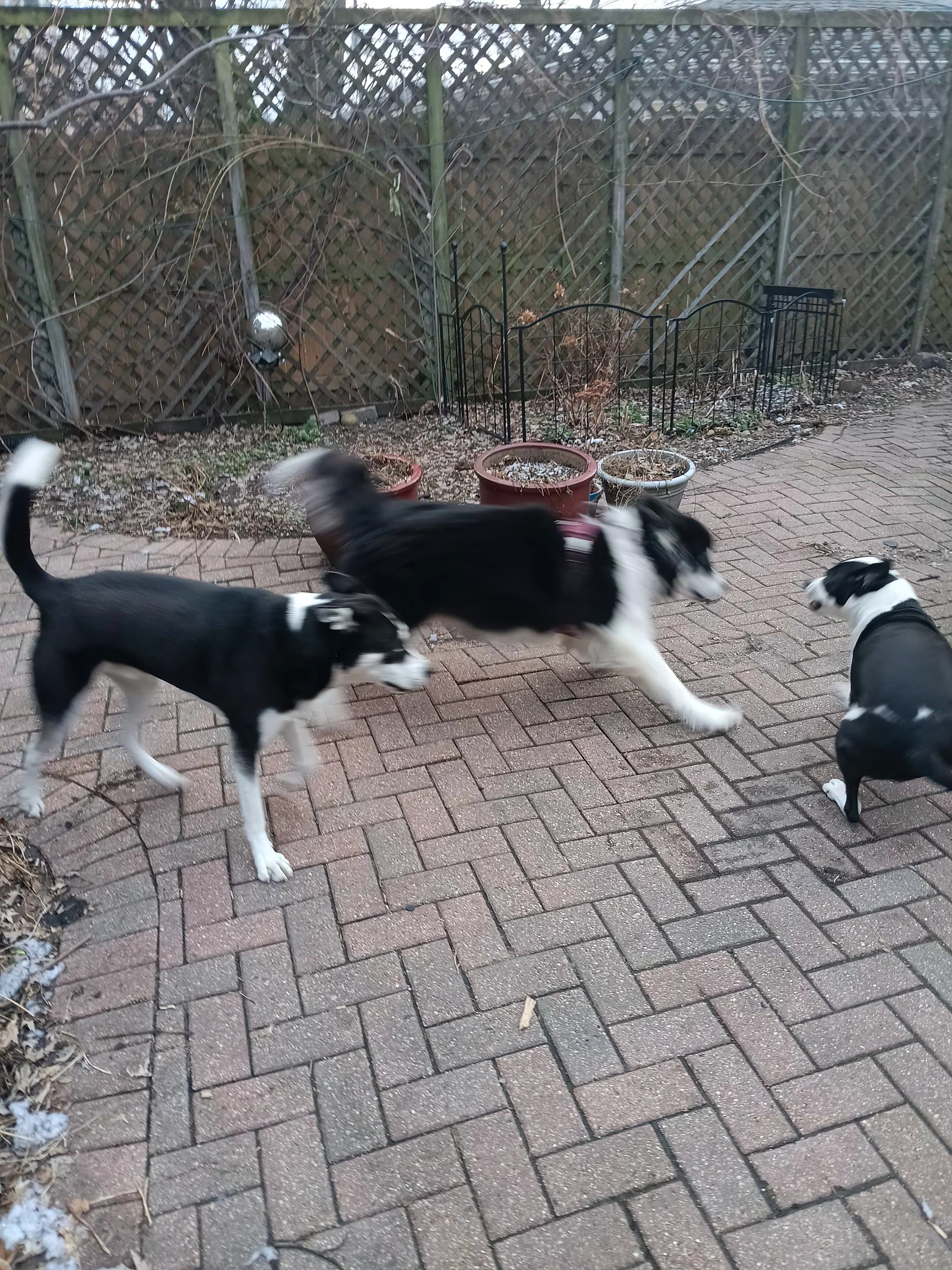
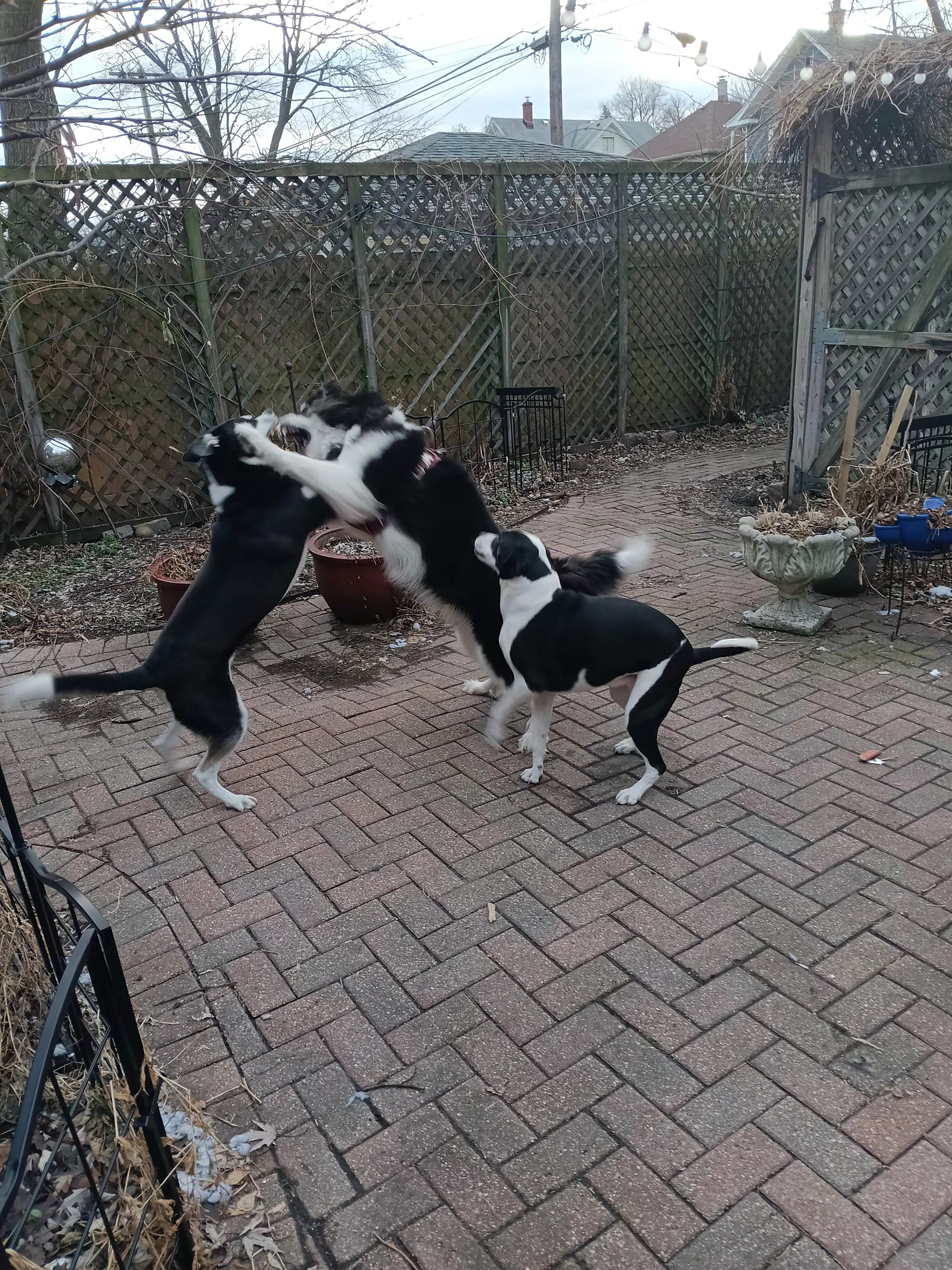
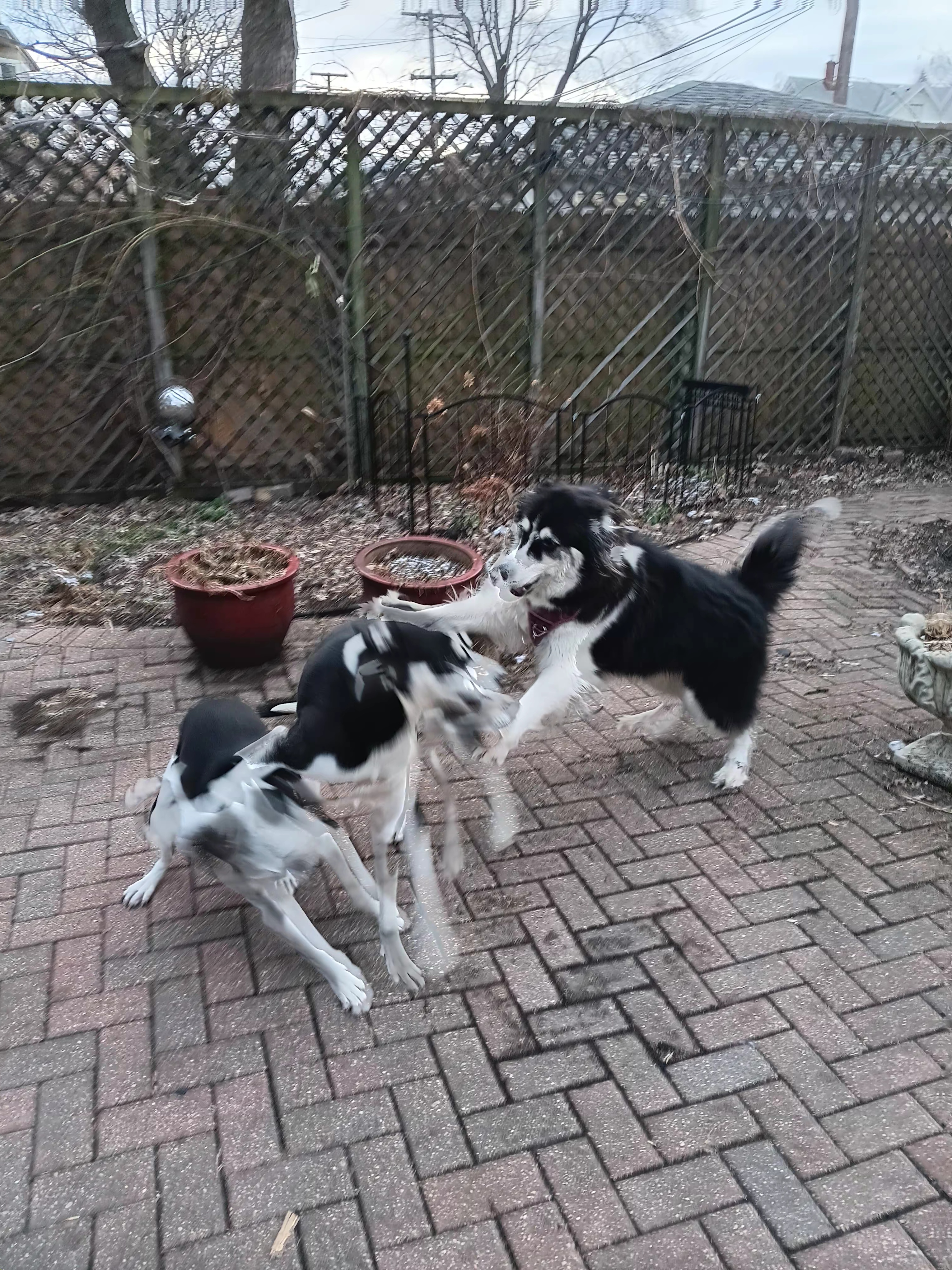
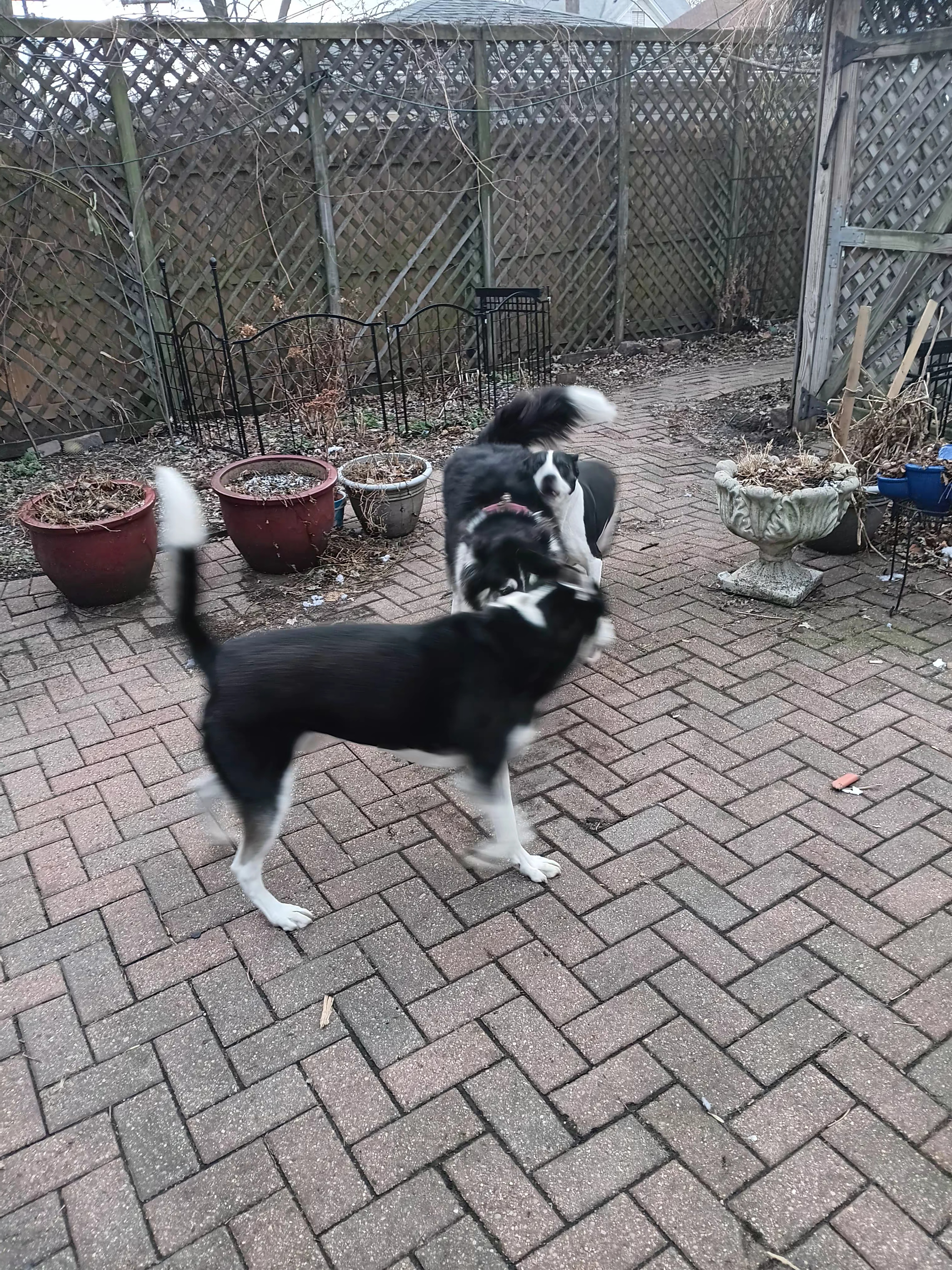
Herman Melville had his whale obsession; Hemingway had his bulls; Faulkner his bear; Jack London his dogs; Flannery O’Connor her peacocks; Poe his raven; Leila Allison has her Daisy Kloverleaf, and I have my dogs, Boo, Bandit, and The Colonel.

(Not that I’m comparing any of us; I’m simply pointing out the similarities.)

I’m aware that many people think I’m crazy because I have three dogs. Those who think this think this for a variety of reasons. All I can say is: maybe I am crazy. My dogs don’t seem to think I am (most of the time, which is the best one can hope for) and in a world like this world (this denatured society), that’s good enough for me.

My mind (not my brain) seems to be made up of one third critical connection-making faculties, one third visionary tendencies, and one third of something I will never be able to fathom, no matter how hard I try.

It’s worth considering what you think your own mind is composed of, if you have one and haven’t already done so. And to remember that it’s as much a part of nature as nature is; it IS nature.

I find great beauty in the motion of animals. It isn’t just Siberian Huskies and pit bulls play-fighting which fascinates me. The running of deer, the flying of birds, the climbing of squirrels, the swimming of octopuses, and any other kind of animal motion you care to name also does it, insects included.

For me, “beauty” means something ephemeral (or seemingly ephemeral) that has something eternal (or seemingly eternal) about it. This is the yin and yang, what Walt Whitman meant when he said, “Do I contradict myself? Very well then, I contradict myself.” (Everything that’s good has a bad version of it, and everything that’s bad has a good version.)

It remains to be seen if there really is any death. If there is, we won’t know it. In that sense, there is no death. Others die, but we do not (until we do). At least half of those who “die” never see it coming. In that sense, can they really be said to have died? One second they were here; the next second not so much. We are tormented by this; but they might be the lucky ones.

Trying to live forever will always be a fool’s game; and how could you ever think this world needs that much of you? Bow your head and move on. (But when it’s time, only when it’s time.)

Nature is the key, but what nature really is cannot be known by us (yet), least of all by what is called “modern science.” Modern science doesn’t deal with the Unseen (or the untestable), and the Unseen is obviously what animates nature.

And meanwhile, the bird still flies, the whales still ply the oceans, and “man’s best friend,” last time I checked, is still just as loyal as she, he or it has ever been. (Whether they put their pronouns in their bios is a matter of extreme indifference to me.)

NOTATION of Importance: Join “The Idiot” who calls himself “The Drifter” tomorrow for a celebration of the genius-turned-saint David Lynch two days after his one-year anniversary of passing from this mortal-coil world.

(The reference to Dostoevsky’s novel THE IDIOT is also an homage to Mr. Lynch, who called Dostoevsky and Kafka two of his favorite authors.

Many people have called The Drifter “an idiot” in the ordinary American sense of the term, for a wide variety of reasons, including (but not limited to) his utter incompetence at many practical tasks which a lot of people find quite easy to accomplish.

He here uses the term in reference to the way Dostoevsky used the term (in Russian) in his wonderful, sporadically beautiful novel, THE IDIOT.

(And there are many who would call him an idiot for doing so (without reading either him or the novel), which is fine).)

Dog Action One
Dog Action Two
Dog Action Three
Dog Action Four
Dog Action Five–Boo So Nice We Show Him Twice!

Dr. Dale W. Barrigar

Photo Gallery by Dale Williams Barrigar

 Creativity NOW

This photographic series of five celebrates creativity in our time. “Our time” means right now, because these days, things move so fast that we will be in another era by the middle of next year, most likely. It’s no wonder the world’s head is spinning.

Retreat and rejection of the madness is part of what’s required for creativity now. And that is part of the message of the first photograph.

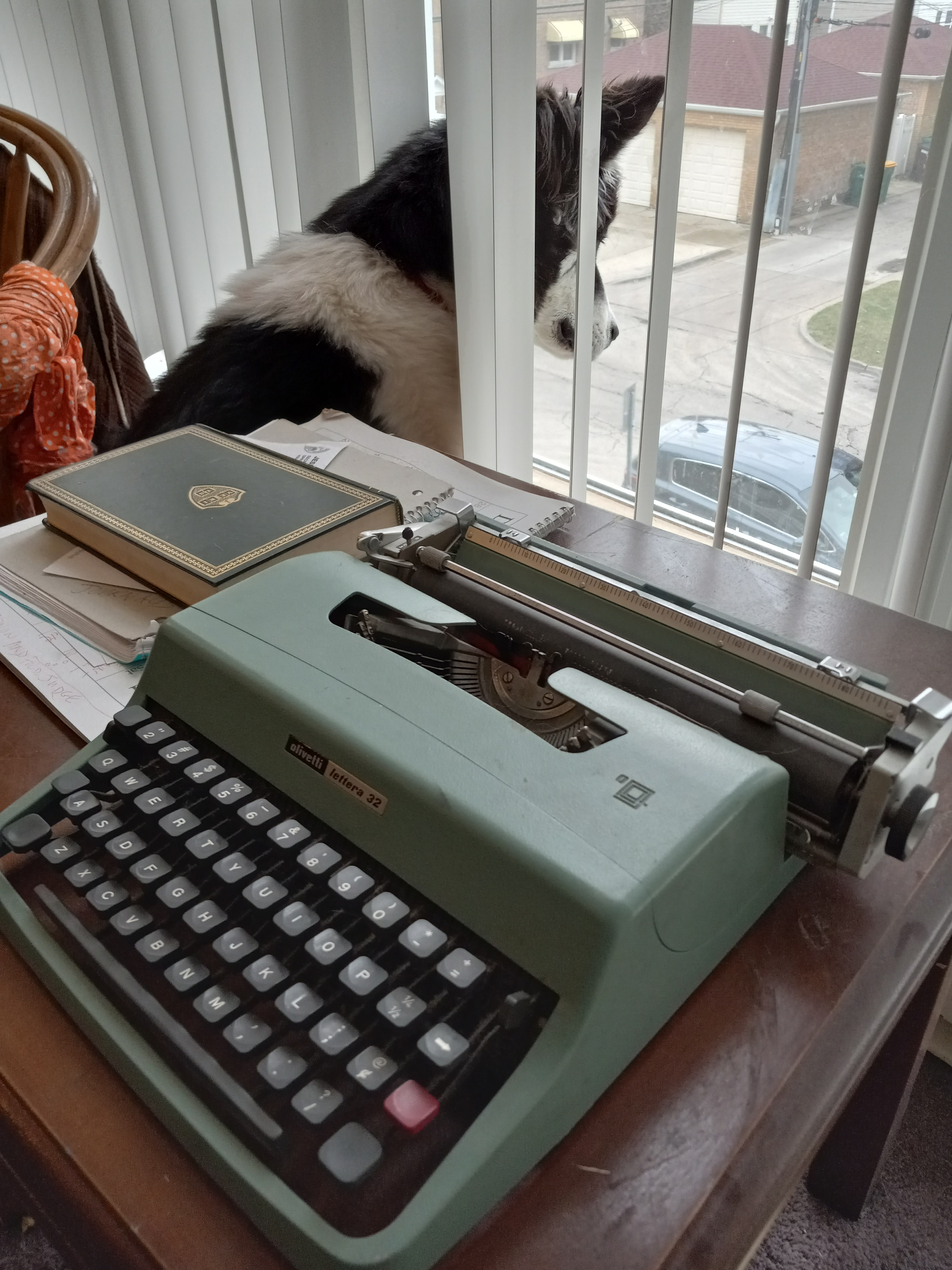
People used to type vast tomes on typewriters. Cormac McCarthy was one such individual. Even though he was hyper-aware of the latest developments in physics and other highly developed sciences, McCarthy continued to use a typewriter until the end (2023). The model of typewriter he used for his entire life is the exact same model shown in the picture. Someone gave this thing to me, believing it was an outdated piece of junk, but also knowing I would like it for some reason. The person had no idea about Cormac. The typewriter sits there by the window as a talisman now, even though I don’t appreciate Cormac’s work in the way I once did (but I still appreciate him).

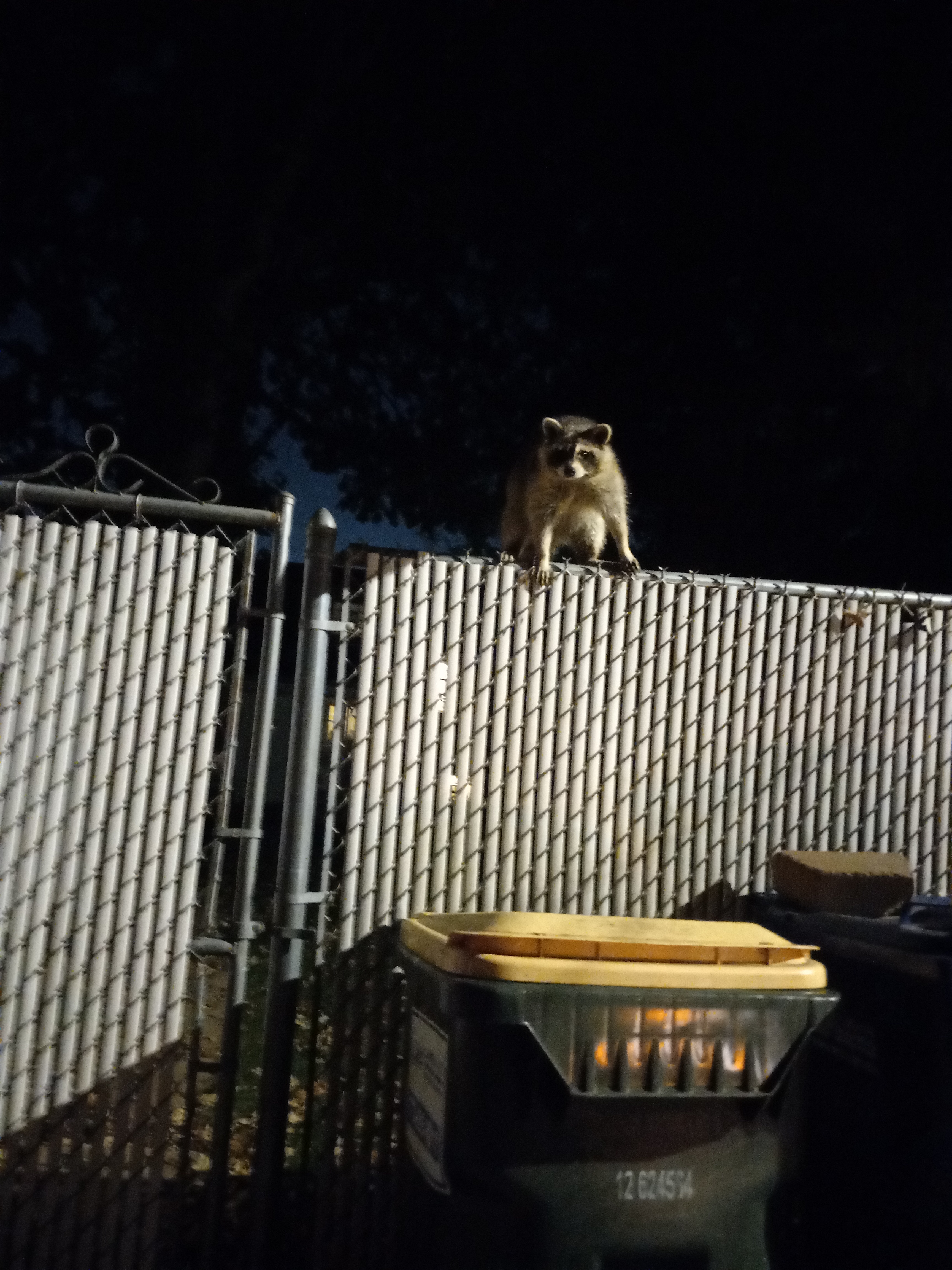
T.S. Eliot said, “Good artists borrow. Great artists steal.” The same is true for the animal kingdom. The guy in this picture would have come over and said hi to me up close and personal if I’d hung around for much longer.

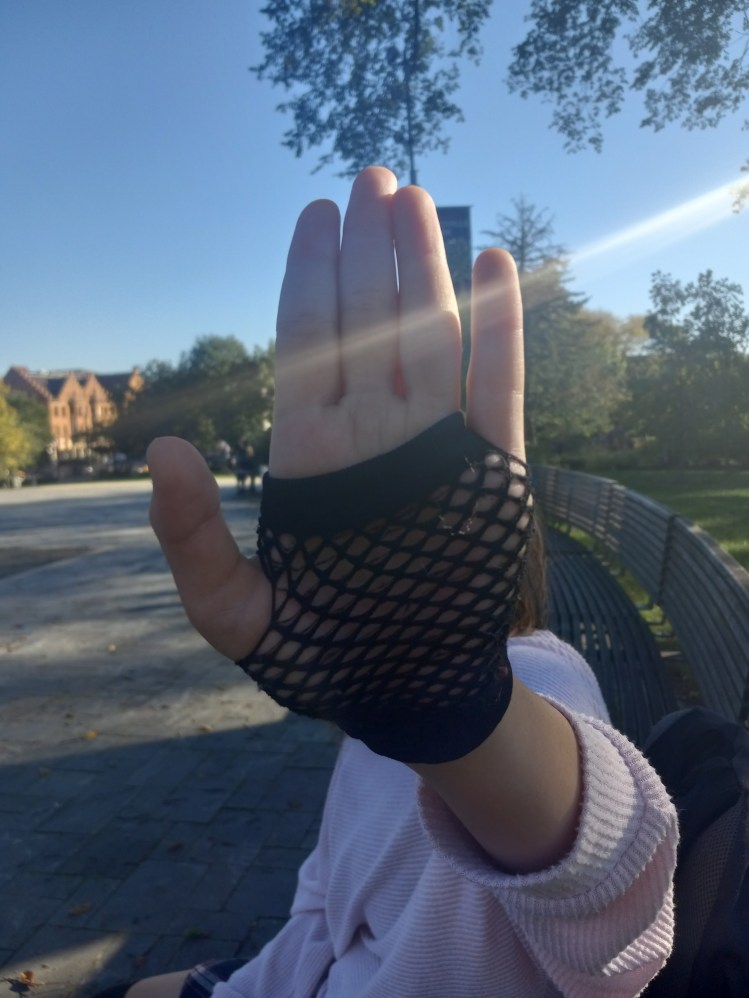
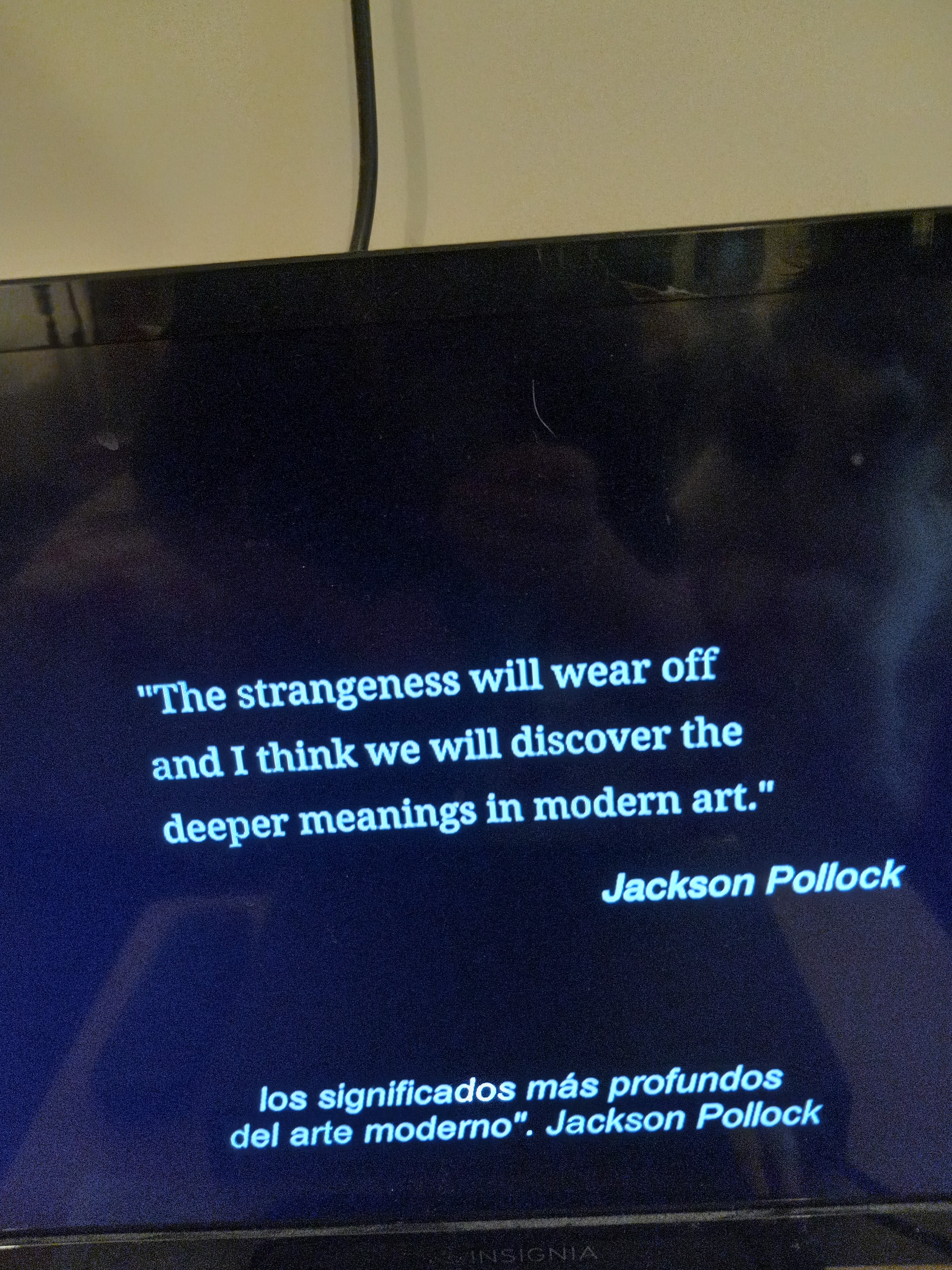
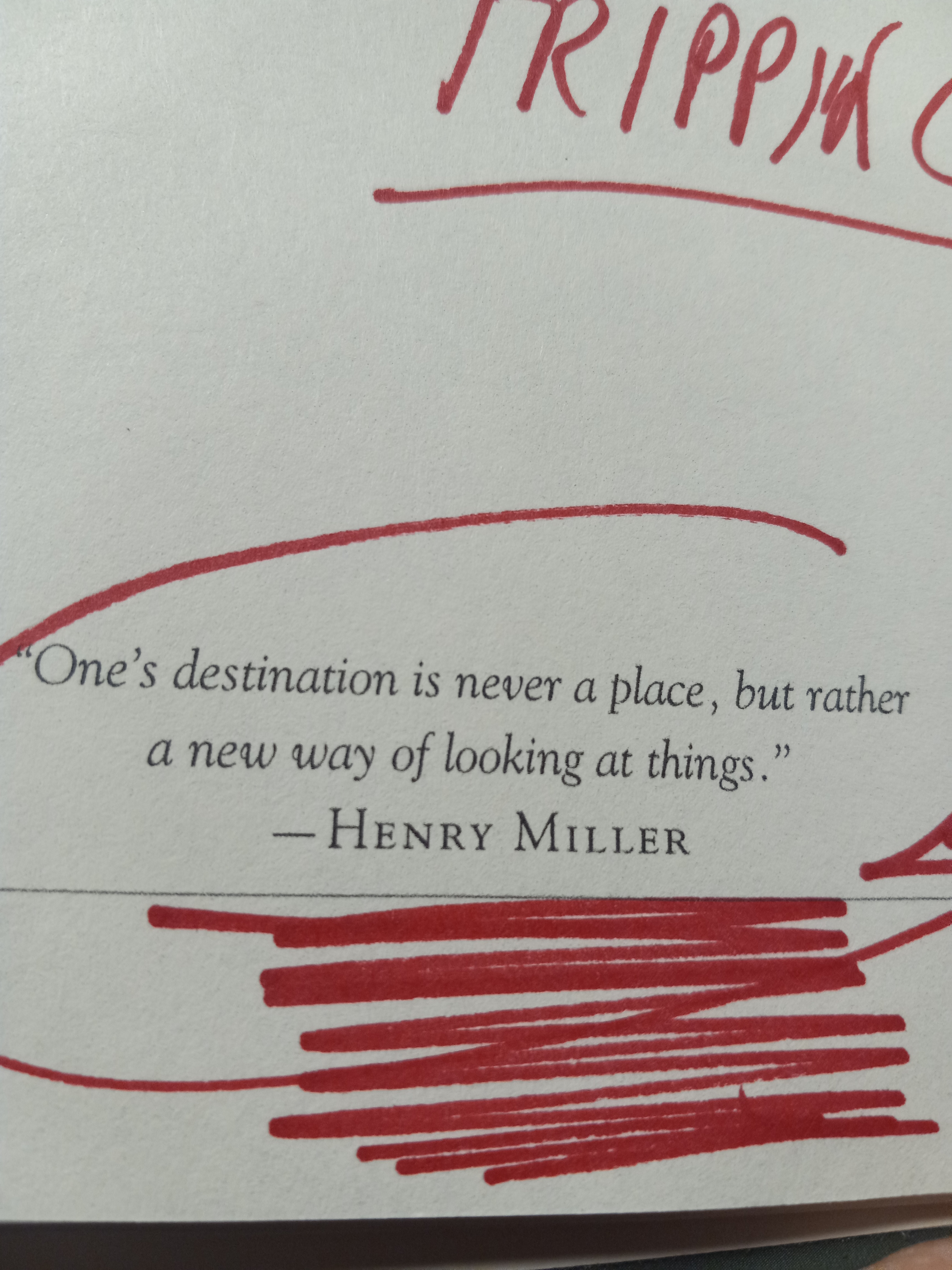
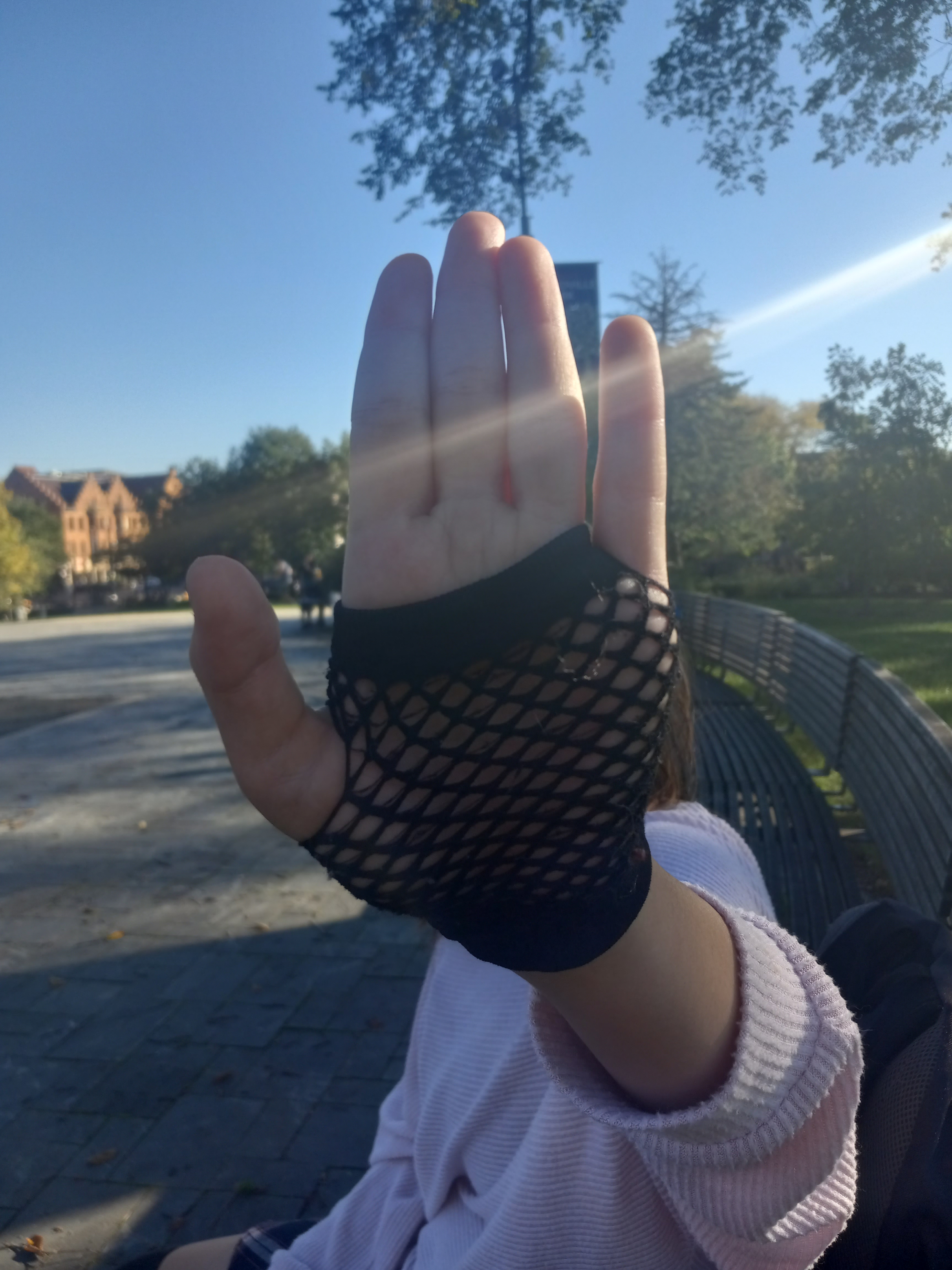
The last two pictures are visual representations of quotations which encapsulate the essence of creativity now. They should be (in order to be gotten the most out of) lived with, in the manner of Zen koans. Also, there is a reason they each appear in the visual format they appear in instead of only the words. The viewer is meant to guess and speculate what the reasons are (which is part of the fun).

The difference between propaganda and art is that one is simplistic and obvious and appeals to our baser instincts, while one is elusive and mysterious and appeals to the better angels of our nature, even when it’s brutal and disorienting at first, like much of Pollock’s work.

Jackson
Tripping
Night Raid
Typewriter
Hand

Photo Gallery: Oak Park, Illinois Hemingway’s Hometown by Dale Williams Barrigar


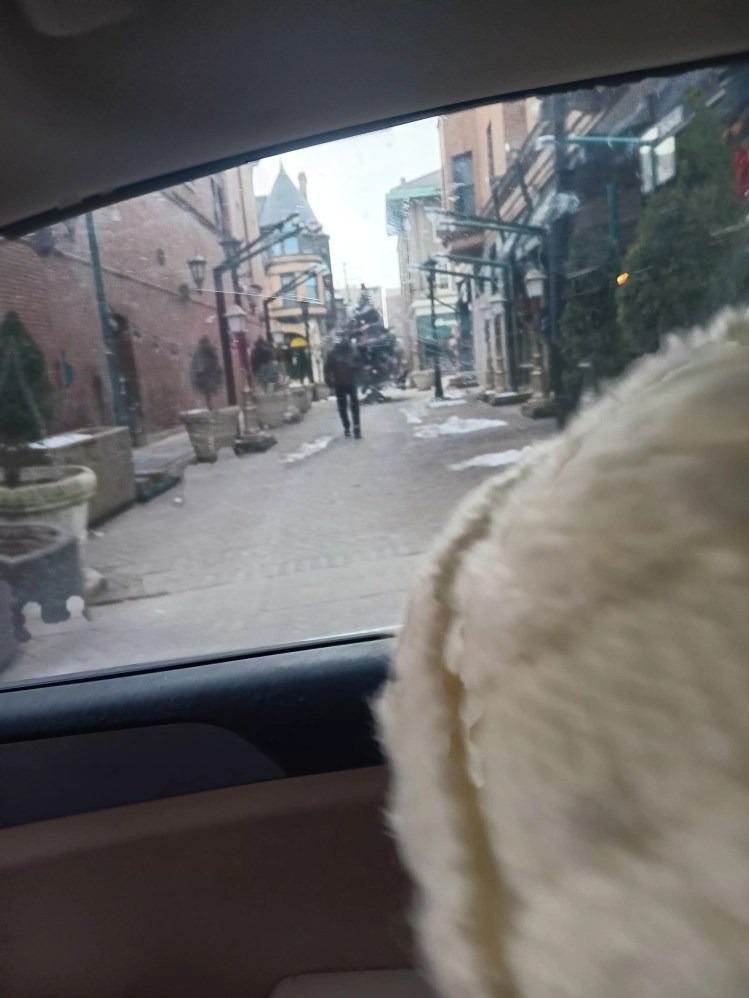
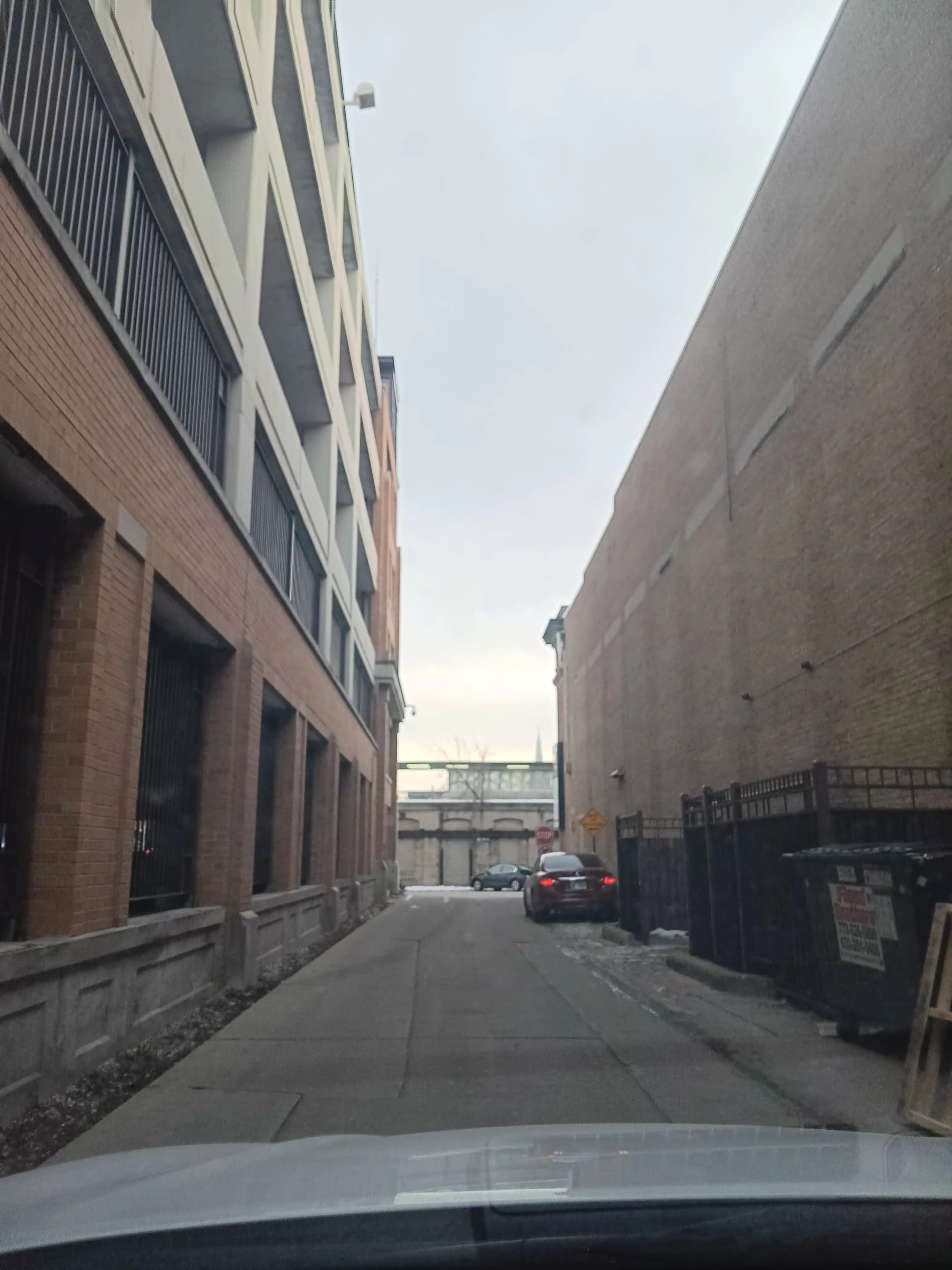
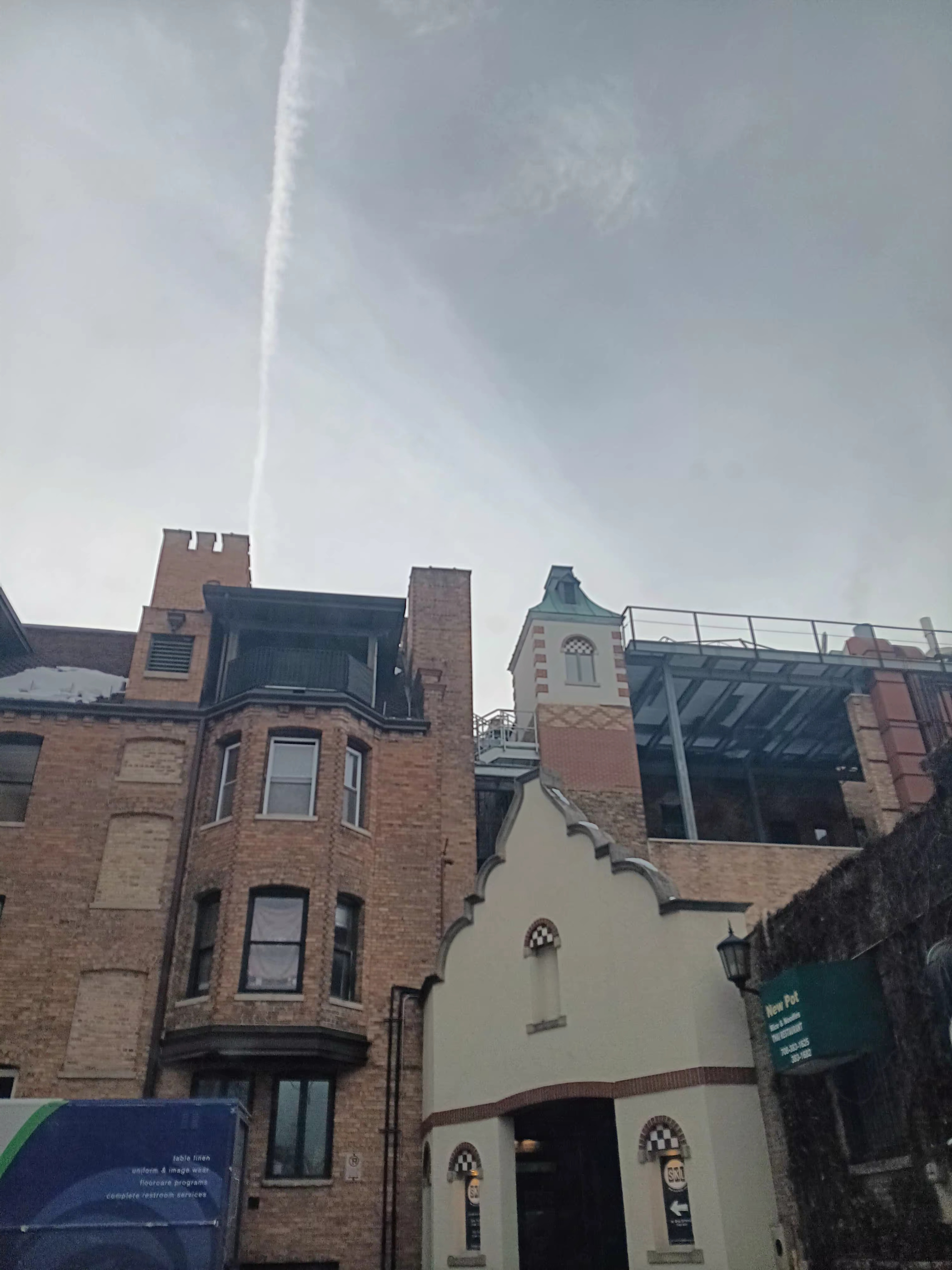
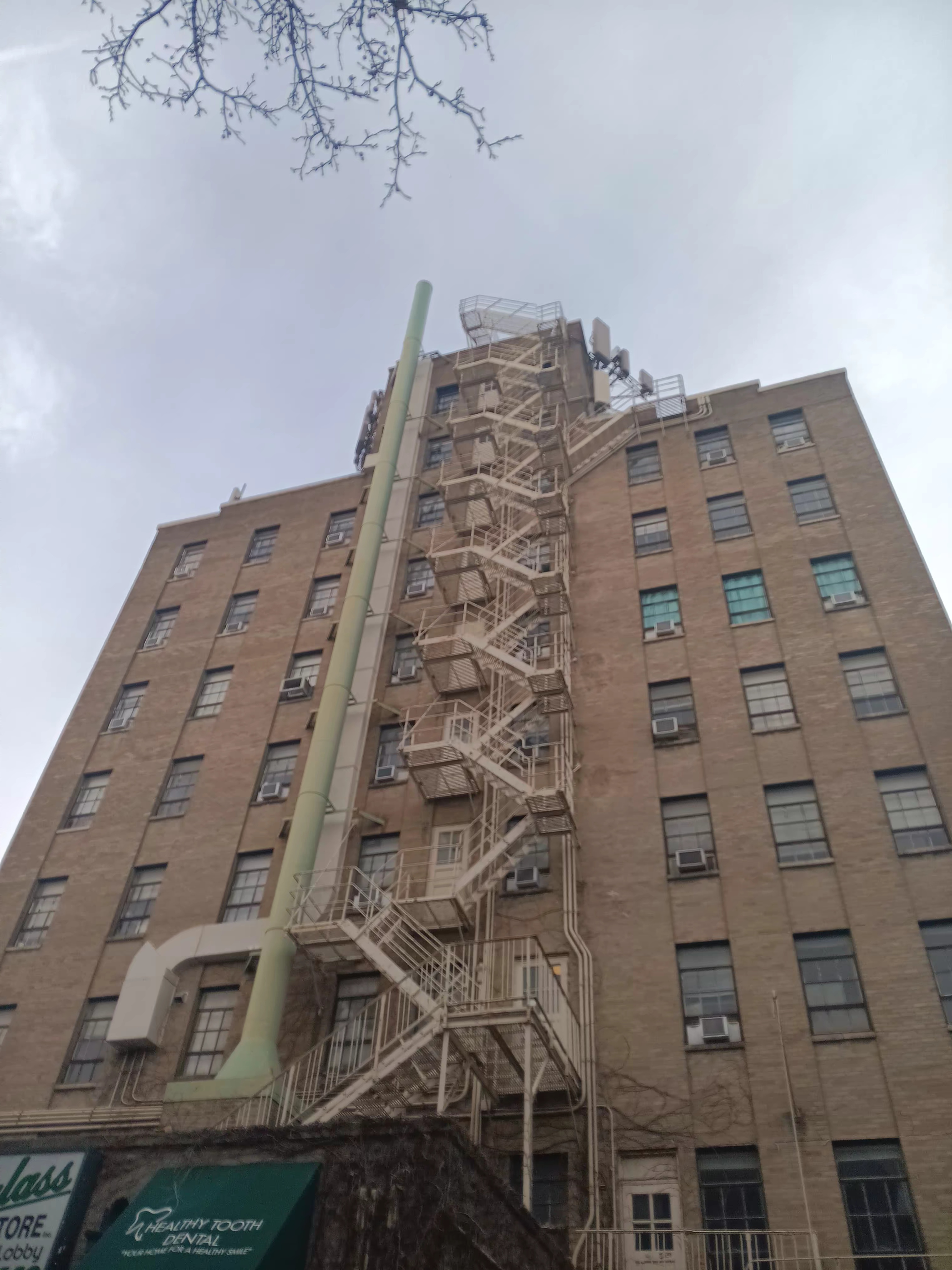
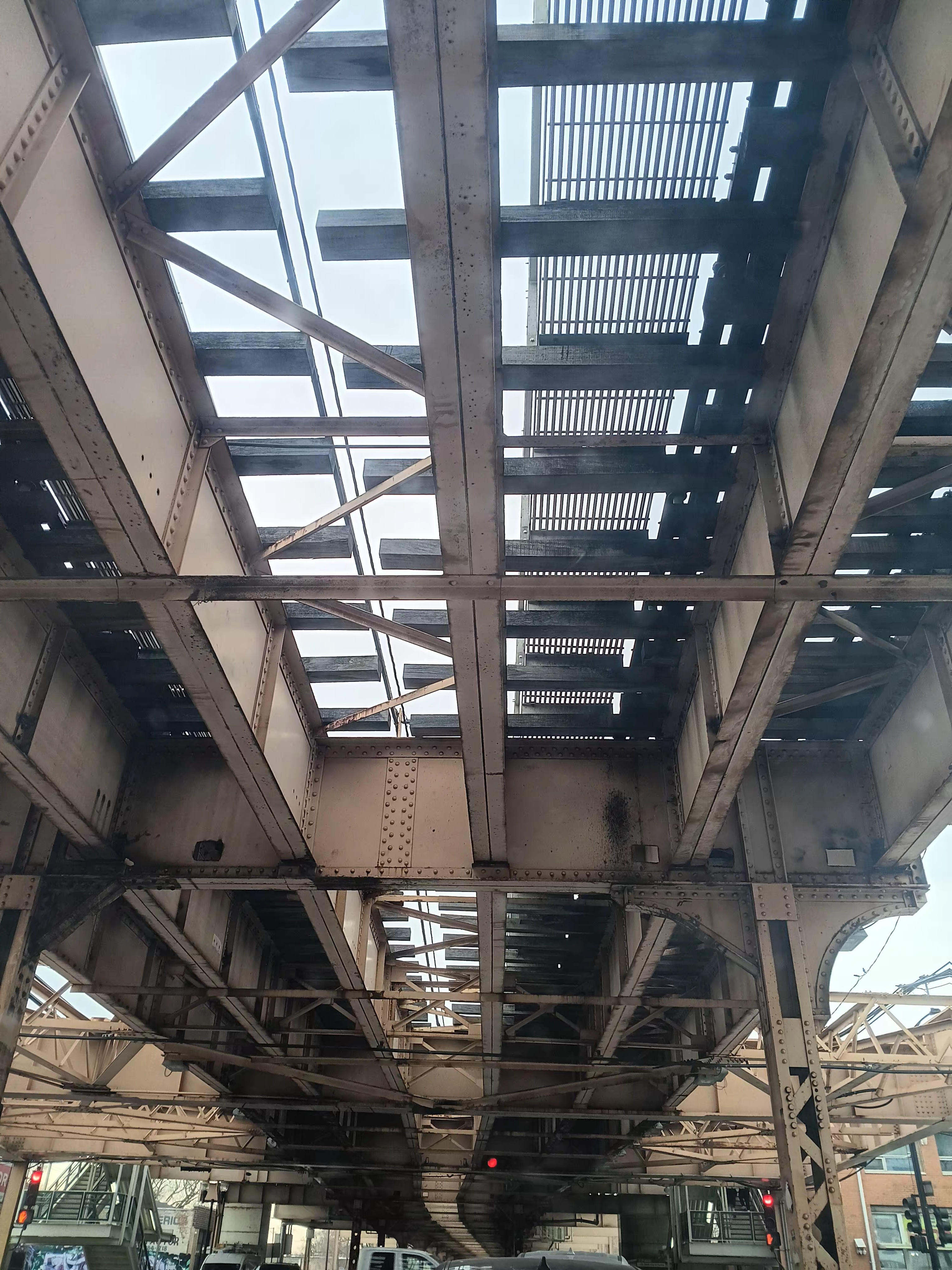
Ernest Hemingway’s spirit casts a shadow over Oak Park, Illinois, USA. Along with Frank Lloyd Wright, Hemingway is the town’s most famous citizen. Even those who’ve never read a line of Hemingway’s work, which includes the vast majority of the citizenry (I would guess), are aware of who Hemingway was, what he is famous for, how he lived his life, and how he was from Oak Park. Frank Lloyd Wright is America’s greatest architect, bar none, an architect so great that he fascinates people who don’t care about other architects, like yours truly. Hemingway is an author who can be set on the shelf beside Mark Twain and Edgar Allan Poe. Indeed, if one had to pick the top three most famous American writers of all time worldwide, Hemingway is in the running for third place along with Emily Dickinson, Henry David Thoreau, Herman Melville, and perhaps a few other candidates. And he is famous for all the right reasons (for the most part). Hemingway never returned to Oak Park after his father committed suicide there with a pistol. His spirit, and his shadow, never left it. The village, the fire escape, the train tracks, and the alleyway are all elements which feed into his fiction, which is why they are captured here in a Walker Evans-style of spontaneous photography. 

The Shadow
The Village
Fire Escape
Train Tracks

A Few Christmas Words Worth Considering

By Dr. Dale W. Barrigar

In Mark 6, we can read the story that is sometimes called “The 5000.” In terms of word count, it’s the length of a modern flash fiction.

Five thousand people come out to hear him. They listen all day. At night they are tired, drained, elated, and far from home. And they are hungry.

His twelve disciples are distressed. The very pressing question on their minds is, “How the h-ll are we going to feed all these hungry people?”

The Teacher does not get upset. Bring me what you have, he says.

They collect what they have. It consists of a few loaves of bread and a few fishes.

The disciples are now even more stressed. How will this ever be enough for all these people? Utterly impossible. And he tells them that they are fools to get concerned.

He starts distributing the fishes and bread to all the hungry ones.

And it turns out that there is enough.

There is more than enough.

Everyone gets enough.

Everyone is able to eat until they are full, and satisfied.

In the space between the impossibility and the outcome lies “the miracle.”

No one really knows what happened in that space.

Jesus was not the only miracle-worker of his time. There were many such. They roamed the countryside, visited the towns, and drifted through the cities all the time.

He was not the only miracle-worker by a long stretch. Back then, it was “a thing” they did, kind of like indigenous peoples in other places would transform themselves through shamanistic rituals and the use of drugs like magic mushrooms or peyote.

The lesson of the story is what matters.

And the lesson is this.

There is enough.

There is more than enough for everyone.

Modern science has proved this many times over.

It is not a matter of producing enough food and shelter for everybody.

The earth can provide, even now, when the population is 8 billion and climbing.

It’s all a matter of how things get distributed.

And it’s all a matter of what people want.

If people’s wants remain simple, and real, and if we all share what there is, there won’t be any problems any more.

Or at least there wouldn’t be the kinds of problems we see now: war, disagreement, stress created by greed, conflict created by desire. All of these things are rampant everywhere right now, from East to West, from North to South, and all points in between.

But there is enough, both materially and spiritually.

How we choose to use what there is – that is the message of the story.

He is the great messenger. But so is the anonymous writer, called “Mark,” who wrote the book of Mark. And so are all the ordinary people who came out to hear him. And so are all the readers of good faith who have studied his works and words over the centuries, no matter what their specific beliefs on other issues (like the afterlife) are, or were.

(Socrates said, “I believe in the afterlife because it makes me feel better to do so. If it isn’t there when I’m dead I won’t know it.

The end.”)